


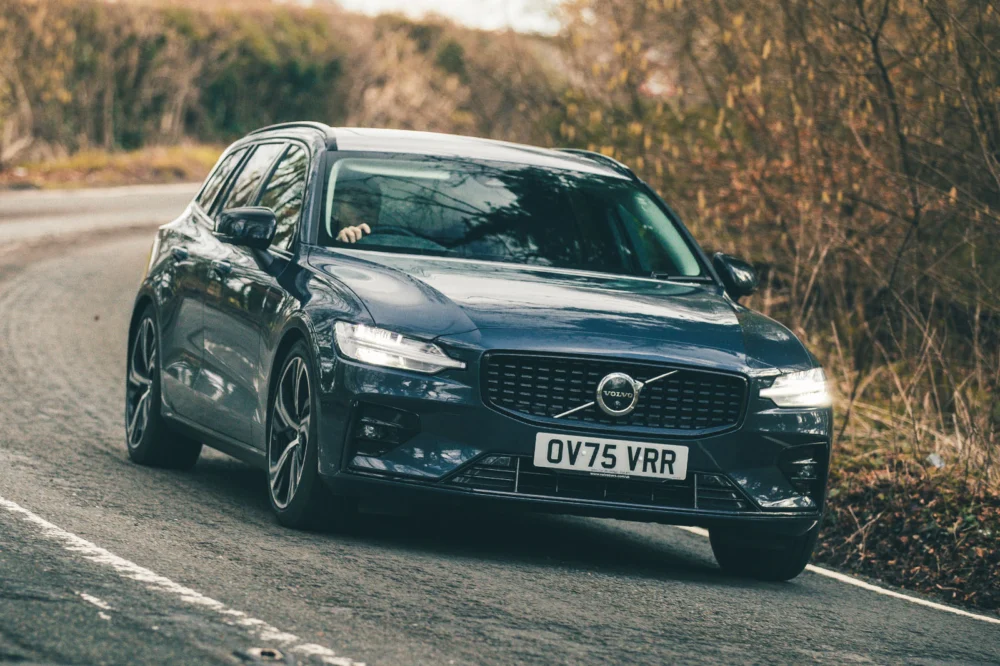
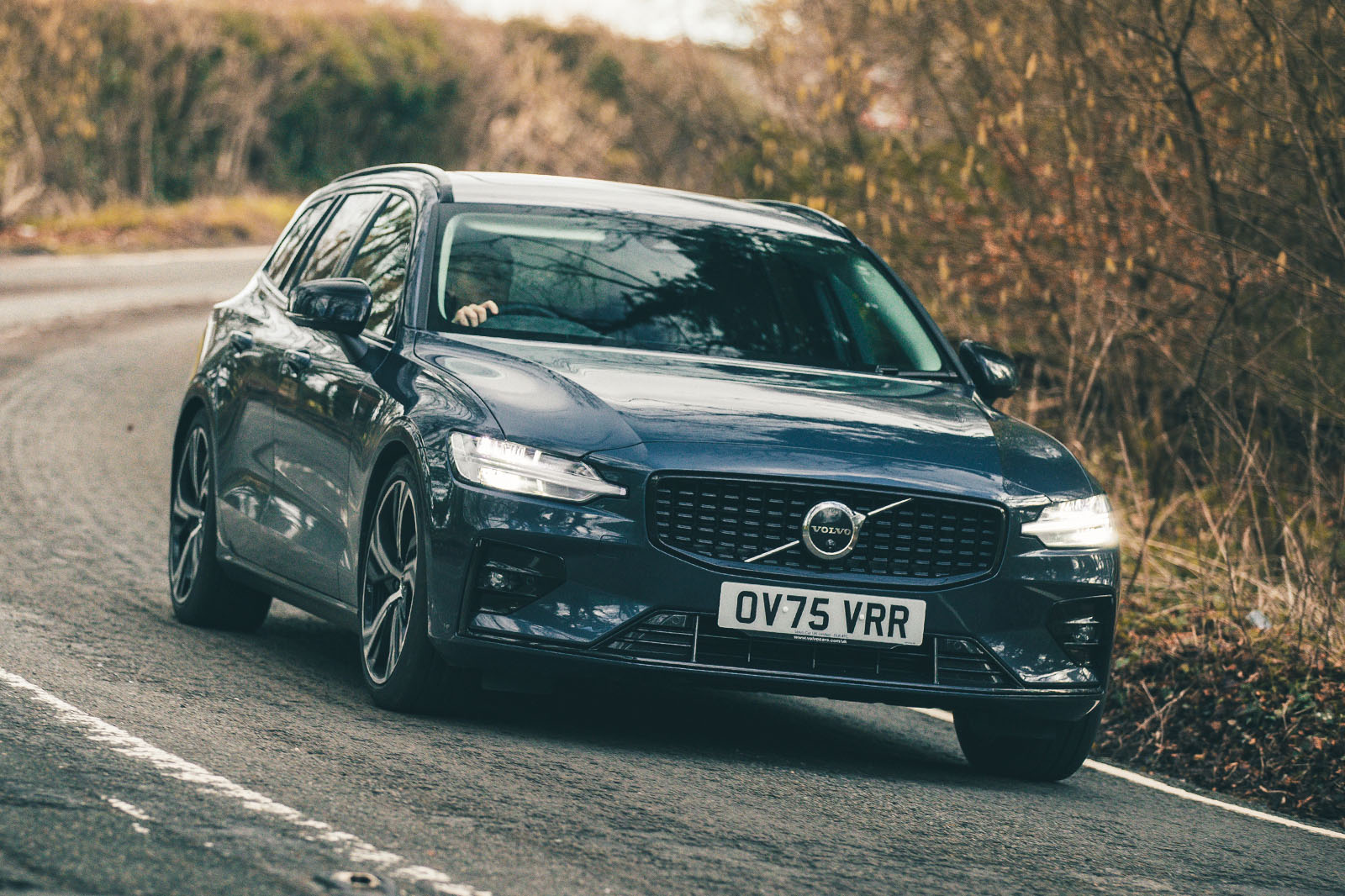
The automotive industry in 2026 finds itself at a crossroads between the rapid pursuit of total electrification and the sustained demand for refined, internal combustion engine (ICE) and hybrid legacy models. Within this landscape, the Volvo V60 remains a pivotal figure in the premium estate segment, offering a package that serves as a bridge between traditional luxury ergonomics and modern digital integration. As Volvo continues its aggressive transition toward becoming a fully electric brand, the 2026 V60 stands as a testament to the brand’s Scalable Product Architecture (SPA) and its ability to remain competitive through iterative software and hardware updates. While some critics view the cabin as a remnant of a previous era, others argue that its adherence to tactile controls and integrated design provides a level of user-friendliness that is increasingly absent in the latest generation of "screen-first" vehicles.
The Evolution of the Volvo User Interface: A Technological Chronology
To understand the 2026 V60’s interior, one must look at the trajectory of Volvo’s infotainment strategy over the last decade. The journey began in 2014 with the launch of the second-generation XC90, which introduced the "Sensus" system. At the time, the portrait-oriented screen was a revolutionary departure from the landscape-oriented displays favored by German competitors. However, as mobile processing power accelerated, the Sensus system began to suffer from lag and a complex menu structure that required significant driver attention.
In 2021, Volvo made a strategic pivot by becoming one of the first major automakers to adopt Google’s Android Automotive Operating System (AAOS). This transition marked a fundamental shift in how the vehicle interacts with the driver. Instead of proprietary navigation and voice recognition, the V60 began utilizing native Google Maps, Google Assistant, and the Google Play Store. This move was designed to harmonize the smartphone experience with the vehicle’s ecosystem.
By 2024 and leading into the 2026 model year, Volvo implemented a significant hardware refresh to support this software. The integration of Qualcomm’s Snapdragon Cockpit Platforms provided the necessary computational overhead to eliminate the latency issues that plagued earlier iterations. The result in the current V60 is a system characterized by crisp graphics and instantaneous response times, even when running intensive applications or high-definition smartphone mirroring via Android Auto and Apple CarPlay.
Ergonomics and the "Traditional" Cabin Debate
The 2026 V60 cabin presents a dichotomy that reflects the broader tensions in modern car design. On one hand, the interior retains the "tall and proud" dashboard architecture that has defined Volvo’s premium lineup for years. The digital instrument binnacle remains properly cowled, protecting it from glare—a feature often sacrificed in newer models for a "floating" tablet look.
One of the most praised aspects of the 2026 V60 is its retention of physical switchgear. In an era where manufacturers are migrating mirror adjustments, climate controls, and drive modes to sub-menus within a touchscreen, the V60 continues to offer real knobs and buttons for essential functions. Industry analysts note that this "reassuringly traditional" approach is becoming a unique selling point. As some contemporary Volvo models, such as the EX30, move toward extreme minimalism, the V60 appeals to a demographic that prioritizes muscle memory and tactile feedback over aesthetic starkness.
However, the interior is not without its signs of age. The portrait-oriented central display, while neatly integrated into the fascia, now feels relatively small compared to the 15-inch plus displays found in newer competitors. Furthermore, while the shift from the traditional "snake" gear selector to a stubbier, electronic handle aligns the car with current trends, some elements of the switchgear feel like they belong to a previous generation of automotive design.
Supporting Data: Dimensions, Performance, and Practicality
In terms of physical utility, the V60 remains a "compact" premium estate, a factor that influences its market positioning against the BMW 3 Series Touring and the Audi A4 Avant. The 2026 model, particularly in the B4 mild-hybrid trim, must balance the requirements of its 48V electrical architecture with cargo capacity.
Data regarding the vehicle’s storage reveals a complex picture:
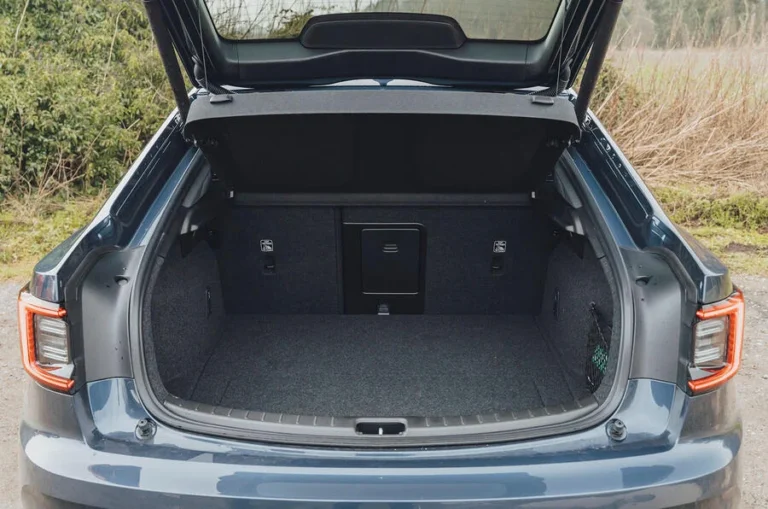
- Boot Capacity: The V60 offers approximately 529 liters of space with the seats up, extending to 1,441 liters with the rear bench folded. While the boot floor is longer than that of the BMW 3 Series Touring, the height of the floor is noticeably higher.
- Battery Impact: The 48V battery, essential for the mild-hybrid system’s efficiency and stop-start smoothness, is housed in a way that limits the depth of the underfloor storage compared to non-hybrid predecessors.
- Aero-Efficiency vs. Space: The V60’s low roofline contributes to a lower drag coefficient, which is beneficial for fuel economy and cabin quietness at highway speeds. However, this design choice results in a smaller total volume than more upright SUVs like the XC60.
The B4 powertrain remains a staple of the lineup, utilizing a 2.0-liter turbocharged engine paired with an integrated starter generator. This setup produces roughly 197 horsepower and 300 Nm of torque, providing a balanced performance profile that emphasizes smooth power delivery rather than aggressive acceleration.
User Experience and Software Constraints
Despite the hardware upgrades provided by the Snapdragon processors, the software experience in the 2026 V60 is not without its critics. A recurring point of contention among testers and owners is the "contextual bar" within the Android Automotive interface. This UI element changes its icons based on the active application, a design choice intended to provide relevant shortcuts.
In practice, however, this lack of icon consistency can be frustrating. Modern UX (User Experience) theory suggests that fixed locations for "Home," "Settings," and "Climate" are essential for reducing driver distraction. By having these icons shift positions or disappear depending on the app in use, Volvo has introduced a learning curve that some find unnecessary.
Conversely, the integration of Google Assistant has been widely lauded as a benchmark for the industry. The ability to control cabin temperature, navigate to complex addresses, and manage media through natural language processing significantly reduces the need to interact with the physical screen, partially mitigating the issues caused by the contextual UI bar.
Official Responses and Market Positioning
Volvo’s leadership has consistently defended the decision to maintain the V60 and V90 estates even as the market shifts toward SUVs. In previous statements, Volvo executives have emphasized that the "estate" is the "heart and soul" of the Volvo brand. While the company aims for a fully electric future, they recognize that the infrastructure and consumer readiness for EVs vary globally.
Internal reports suggest that Volvo views the 2026 V60 as a "loyalty" product—one designed to keep traditional customers within the brand ecosystem as they wait for suitable electric alternatives. By refreshing the technology (AAOS and Snapdragon) while keeping the physical layout familiar, Volvo is practicing a "dual-track" strategy. This allows them to capture the "early adopter" market with the EX series while servicing the "pragmatic luxury" market with the V series.
Industry analysts from firms such as J.D. Power note that "interior comfort" and "ease of use" remain top priorities for premium buyers. Volvo’s decision to offer high-quality "blond" leather options and industry-leading seat ergonomics continues to earn the brand high marks in initial quality surveys, even if the infotainment screen size lags behind the current state-of-the-art.
Broader Impact and Industry Implications
The 2026 Volvo V60 serves as a case study for the "mid-life" extension of internal combustion platforms. As development costs for new ICE platforms have essentially evaporated in favor of EV research and development, manufacturers are forced to get creative with existing architectures.
The V60 demonstrates that a vehicle can remain relevant well beyond its traditional six-year lifecycle if the "digital marrow" of the car is kept current. By upgrading the processors and the operating system, Volvo has ensured that the V60 does not feel like a relic when it comes to connectivity, even if the physical dashboard remains largely unchanged from its 2018 debut.
Furthermore, the V60 highlights a growing counter-trend in the industry: the return to (or retention of) physical controls. Following a period where manufacturers raced to remove every button, there has been a documented "pushback" from safety organizations like Euro NCAP, which have begun to suggest that physical controls for critical functions (like turn signals and wipers) should be a requirement for top safety ratings. Volvo’s "long in the tooth" cabin may, ironically, find itself ahead of the curve as the industry realizes that total screen reliance may have been a step too far in terms of human-machine interface (HMI) safety.
In conclusion, the 2026 Volvo V60 is a car of sophisticated contradictions. It is a traditional estate in a world of SUVs; a tactile environment in a world of touchscreens; and a refined ICE/hybrid platform in a world moving toward total electrification. For the consumer, it offers a "homely" and "reassuring" cockpit that prioritizes comfort and proven ergonomics over the fleeting novelty of digital gimmicks. As it enters the twilight of its production cycle, its ability to blend high-speed silicon with high-quality leather and real buttons ensures it remains a compelling, if conventional, choice in the premium market.