


Khalaf Ahmad Al Habtoor, the prominent chairman of the Al Habtoor Group and one of the Middle East’s most influential business figures, has issued a sharp public rebuke of United States President Donald Trump’s decision to initiate military action against Iran, warning of the catastrophic implications such a conflict could have on the stability and economic prosperity of the Persian Gulf. In a high-profile statement released via the social media platform X on Thursday, March 5, 2026, Al Habtoor questioned the legal and moral basis for the escalation, reflecting a rare and significant instance of a high-ranking Gulf business leader openly criticizing American foreign policy. The magnate’s comments come at a critical juncture for the United Arab Emirates (UAE), which has spent the last decade positioning itself as a global hub for tourism, finance, and logistics—sectors that are historically sensitive to regional volatility.
The Al Habtoor Group, a multi-billion-dollar conglomerate with a portfolio that includes some of Dubai’s most iconic hospitality assets, stands at the forefront of the region’s exposure to geopolitical shocks. By questioning the authority of the U.S. administration to "drag our region into a war," Al Habtoor has voiced the anxieties of a private sector that fears the erosion of years of economic progress. His direct address to the U.S. President—asking "on what basis did you make this dangerous decision?"—highlights a growing disconnect between Washington’s military strategies and the commercial interests of its long-standing allies in the Middle East.
The Magnitude of the Stakes: Al Habtoor’s Hospitality Empire
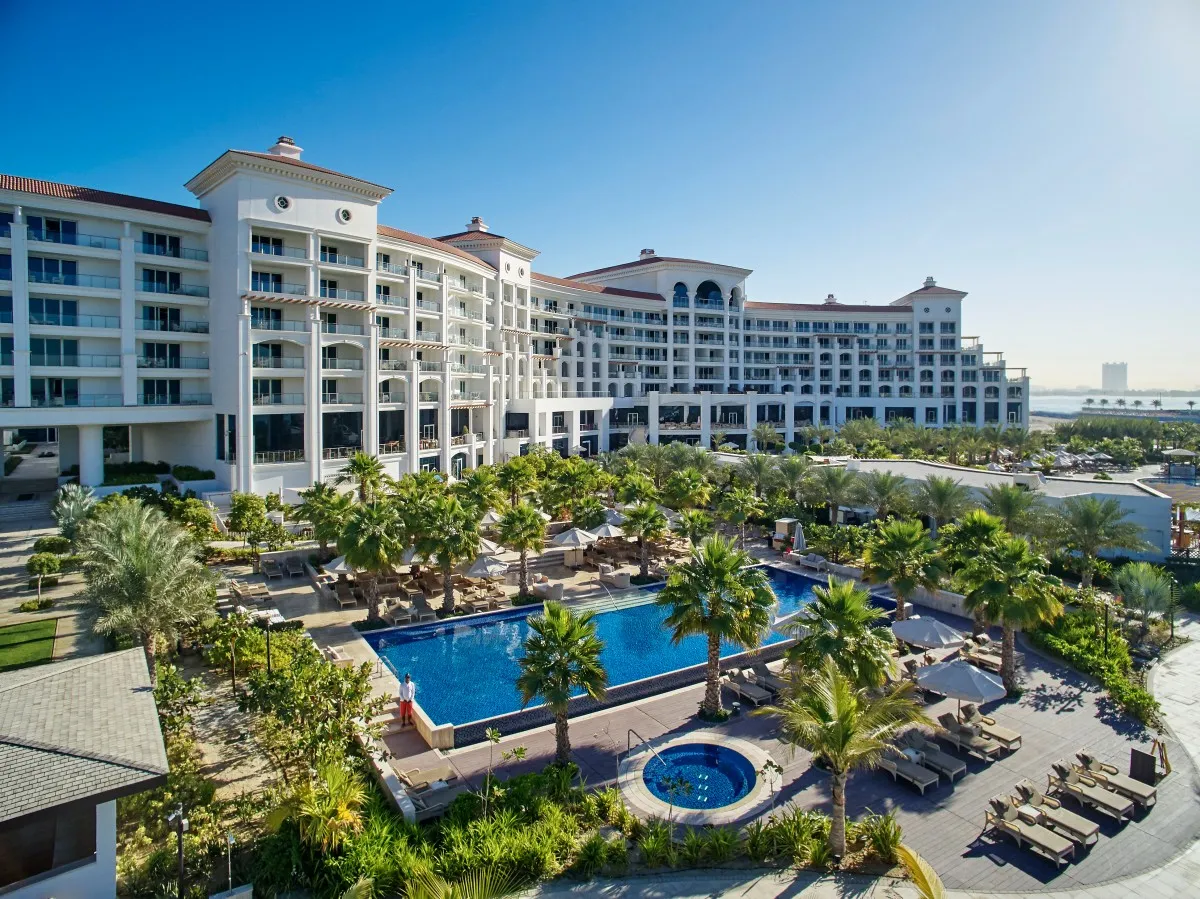
To understand the weight of Khalaf Al Habtoor’s criticism, one must consider the scale of his investments. The Al Habtoor Group’s hospitality division is a cornerstone of the Dubai luxury market. Its portfolio includes the Waldorf Astoria Dubai Palm Jumeirah, the Habtoor Palace (part of the LXR Hotels & Resorts brand), the V Hotel (Curio Collection by Hilton), and the Hilton Dubai Al Habtoor City. Collectively, these properties represent thousands of high-end rooms and significant employment for a diverse international workforce.
The UAE’s tourism sector has been a primary engine of its post-pandemic economic strategy. According to data from the Dubai Department of Economy and Tourism (DET), the city welcomed over 17 million international overnight visitors in 2025, a record-breaking figure that underscored the emirate’s status as a premier global destination. However, the hospitality industry is notoriously "fickle" when it comes to security concerns. Even the perception of impending conflict can lead to immediate drops in forward bookings, a surge in insurance premiums for aviation and maritime transport, and a general cooling of foreign direct investment (FDI). Al Habtoor’s intervention is therefore seen not merely as a political statement, but as a defensive move to protect the economic integrity of the hospitality and real estate sectors.
Chronology of Escalation: The Path to the 2026 Crisis
The current crisis follows a turbulent twelve-month period characterized by deteriorating diplomatic relations between Washington and Tehran. The following timeline outlines the key events leading up to the military action criticized by Al Habtoor:
- June 2025: Tensions began to mount following a series of disputes regarding maritime navigation in the Strait of Hormuz, a vital artery for global energy supplies.
- September 2025: Negotiations regarding a revised nuclear framework stalled indefinitely, leading to an increase in economic sanctions from the U.S. Treasury Department.
- January 2026: A series of cyberattacks on regional infrastructure were attributed by U.S. intelligence to state-sponsored actors, prompting a warning of "proactive defense measures" from the White House.
- February 2026: Small-scale skirmishes occurred in the Gulf of Oman, leading to an increased U.S. naval presence in the region.
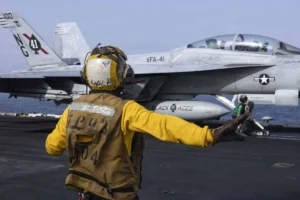
- March 2, 2026: The U.S. administration authorized targeted kinetic strikes against specific facilities, citing "imminent threats to American interests and regional partners."
- March 5, 2026: Khalaf Al Habtoor issued his public condemnation of the military action, citing the danger of a broader regional conflagration.
Economic Implications for the UAE and the Broader GCC
The economic fallout of military tension in the Gulf extends far beyond the borders of the involved parties. For the UAE, the risks are multifaceted. First, the aviation sector, led by giants like Emirates Airline and Etihad Airways, relies on open and safe airspace. During previous periods of regional tension, flight paths have had to be rerouted, significantly increasing fuel costs and flight times. If the conflict escalates, the risk of airspace closures could paralyze one of the world’s busiest transit hubs.
Second, the UAE’s "Safe Haven" status is at risk. For decades, Dubai has marketed itself as a stable oasis in a complex region. This reputation is what attracts high-net-worth individuals and multinational corporations. A war with Iran, which sits just across the narrow Persian Gulf, threatens this narrative. Historical data suggests that during the 2019 Gulf tensions, hotel RevPAR (Revenue Per Available Room) in the region saw a temporary dip of approximately 5-7% as business travelers postponed non-essential trips. A full-scale military conflict in 2026 could see these figures drop much more sharply.

Furthermore, the impact on global energy markets cannot be ignored. While rising oil prices can provide a short-term windfall for oil-exporting nations, the resulting global inflationary pressure often leads to a decrease in discretionary spending among international tourists from Europe and North America—the UAE’s key source markets.
Industry Reactions and the Silence of the C-Suite
Al Habtoor’s willingness to speak out is notable because the majority of regional CEOs and chairmen typically opt for quiet diplomacy or total public neutrality. The "Skift Take" on the matter emphasizes that Al Habtoor’s comments carry exceptional weight precisely because he is one of the rare hoteliers to speak out about the war’s disruption to business.
While other major hotel groups like Marriott International, Hilton, and Accor—all of which have massive footprints in the UAE—have yet to issue formal statements regarding the military action, industry analysts suggest that behind closed doors, contingency plans are being activated. These plans often involve "stress-testing" occupancy forecasts and diversifying marketing efforts toward more resilient regional markets or domestic tourism.
Official responses from the UAE government have remained measured, calling for de-escalation and diplomatic solutions. The UAE has consistently advocated for regional stability to support its "Economic Centennial 2071" goals, which aim to diversify the economy away from oil. Al Habtoor’s outspokenness may be seen as a "canary in the coal mine," signaling that the private sector’s patience with geopolitical volatility is wearing thin.
Geopolitical Analysis: The "Dangerous Decision"
From a geopolitical perspective, Al Habtoor’s critique touches on the concept of "sovereign risk." By asking "Who gave you the authority?", he is highlighting a sentiment shared by many in the Global South: that unilateral military decisions by superpowers often ignore the collateral economic damage inflicted on third-party nations.
For the Trump administration, the military action is framed as a necessary deterrent. However, for a businessman like Al Habtoor, whose assets are fixed in the ground and cannot be moved, the "deterrent" looks more like a liability. The Al Habtoor City complex, a multi-billion-dollar development, depends on the continuous flow of international visitors. In the age of social media and 24-hour news, images of military strikes in the region can do more damage to a hotel’s brand than any economic recession.
Conclusion: The Intersection of Commerce and Conflict
As the situation continues to evolve, the global travel and hospitality industry will be watching the Persian Gulf with bated breath. The comments made by Khalaf Ahmad Al Habtoor serve as a stark reminder that in the modern world, economics and geopolitics are inextricably linked. For Dubai, a city that has built its future on the foundations of global connectivity and peace, the drums of war are a direct threat to its core business model.
The coming weeks will determine whether Al Habtoor’s warnings were a prescient alarm or a temporary outcry. If the military action remains limited, the hospitality sector may see a quick recovery. However, if the "dangerous decision" leads to a prolonged conflict, the landscape of Middle Eastern tourism and investment may be fundamentally altered for years to come. For now, the Al Habtoor Group and its peers remain in a state of high alert, balancing the luxury of their offerings with the harsh realities of regional power politics.