


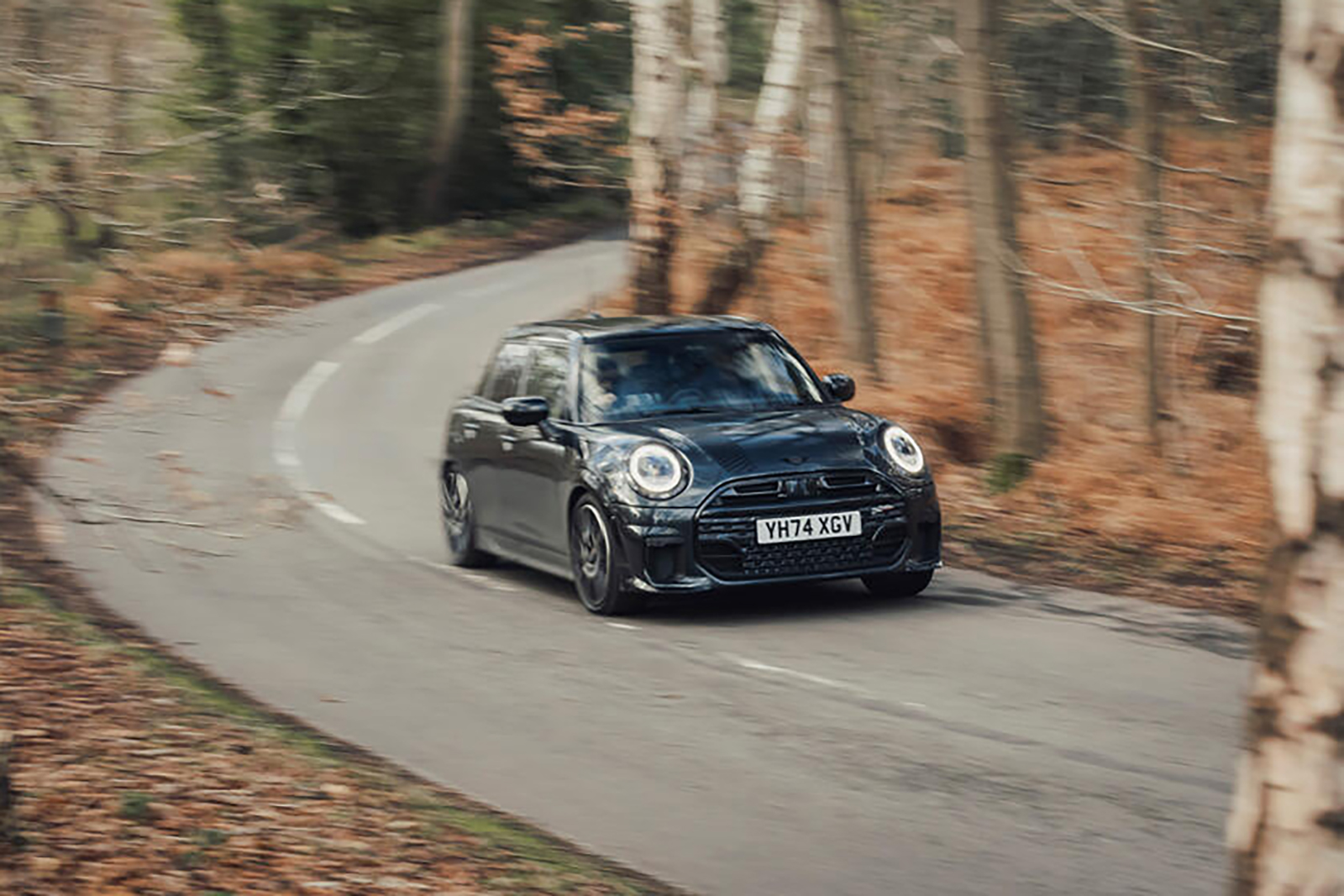
The automotive landscape is currently navigating a period of profound transition, as the traditional internal combustion engine (ICE) hot supermini faces an existential threat from both tightening emissions regulations and a pivot toward electrification. Amidst this shift, the latest iteration of the Mini Cooper S emerges as one of the few remaining options for enthusiasts seeking a high-performance petrol hatchback. Following an extensive 3,000-mile long-term evaluation conducted during the challenging winter months in the United Kingdom, the vehicle’s dual identity as both a spirited performance machine and a functional daily driver has been put to the ultimate test.
The Shrinking Market for Petrol Hot Superminis
The Mini Cooper S occupies a segment that has seen a rapid exodus of iconic competitors. In recent years, staples of the class such as the Ford Fiesta ST and the Hyundai i20 N have been discontinued, leaving a void in the market for accessible, front-wheel-drive performance cars. While the Volkswagen Polo GTI remains a contemporary rival, it is frequently cited as being closer to retirement and lacks the aggressive market presence it once commanded.
Other potential competitors, such as the Toyota GR Yaris, are often considered too specialized and expensive for the average commuter, while performance crossovers like the Ford Puma ST fail to capture the low-slung, "go-kart" driving dynamics traditionalists crave. This leaves the Cooper S as a conceptual "dinosaur"—a term used not to describe its modern technology or slick drivetrain, but its adherence to a fading philosophy of small-displacement, turbocharged petrol fun.
Technical Specifications and Performance Metrics
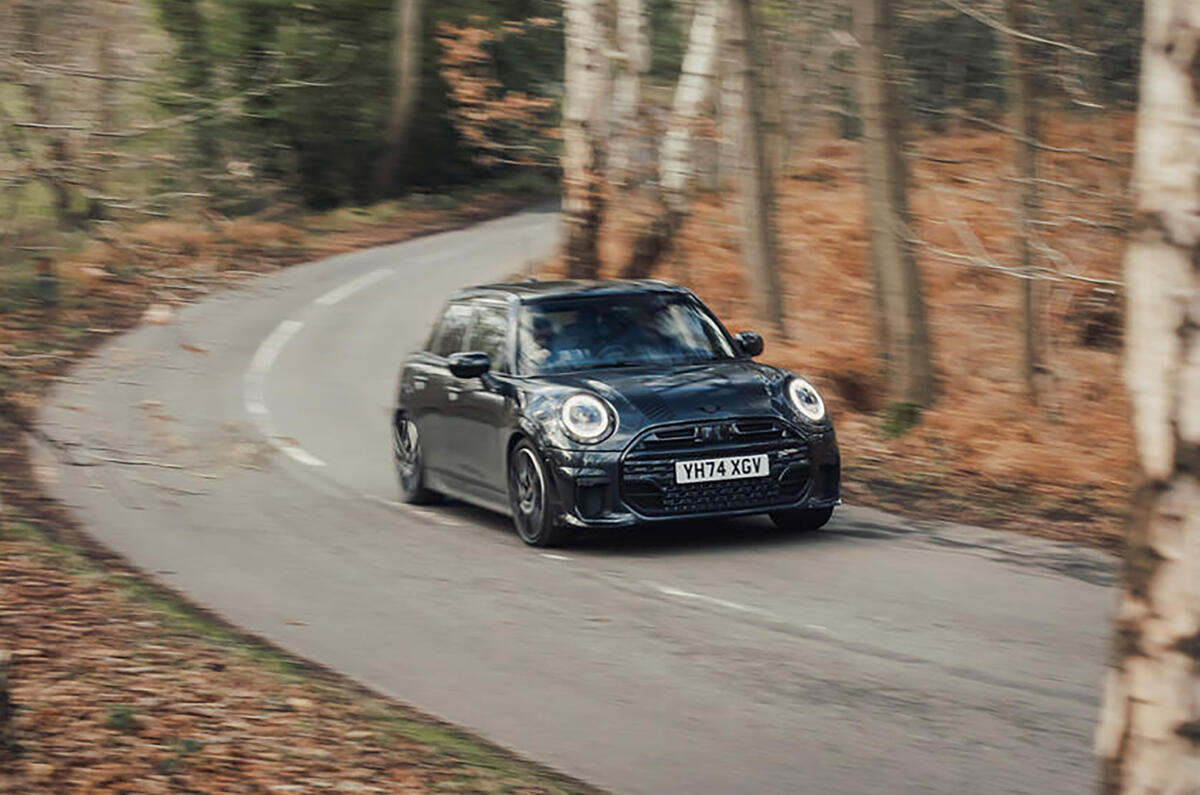
The tested model, a five-door Mini Cooper S in Sport trim, is powered by a 2.0-liter four-cylinder turbocharged engine. This powerplant produces 201 bhp and 221 lb-ft of torque, allowing the vehicle to accelerate from 0-62 mph in 6.8 seconds and reach a top speed of 150 mph. Power is delivered to the front wheels via a seven-speed dual-clutch automatic transmission, a configuration that has replaced the manual gearbox options of previous generations.
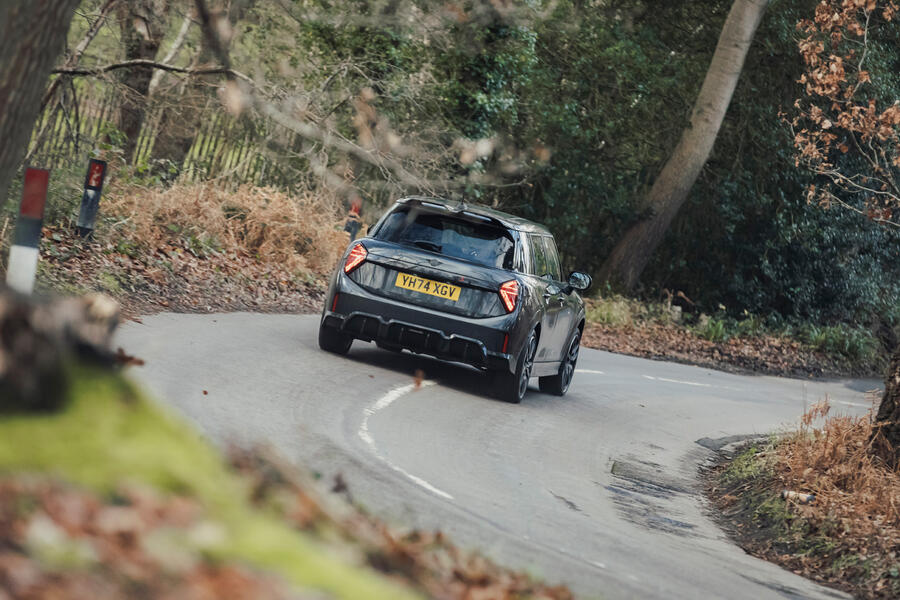
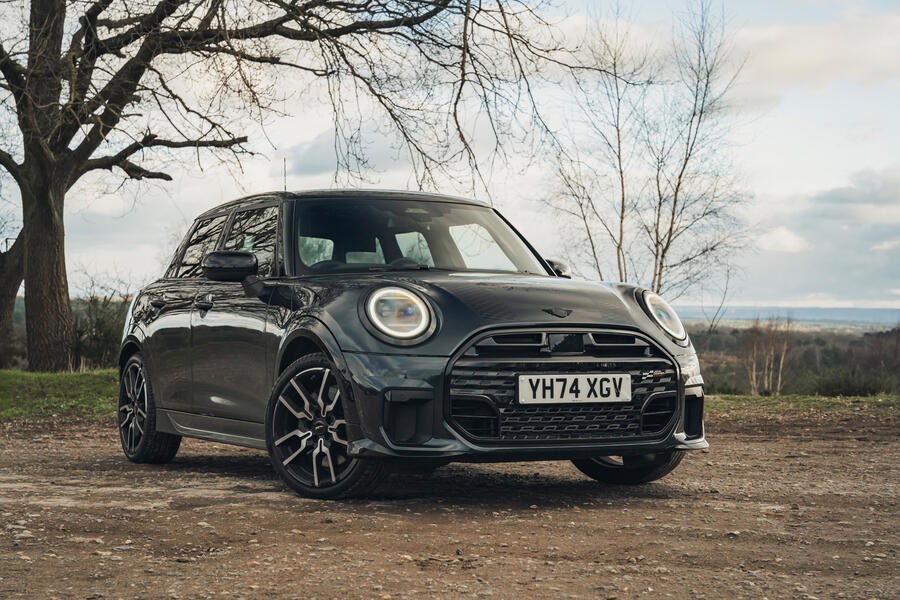
The vehicle’s "Sport" designation brings several performance-oriented enhancements, including firmer adaptive suspension and uprated braking systems. Visually, the car distinguishes itself from the entry-level Cooper C through its John Cooper Works-inspired body kit, racing stripes, and a more pronounced exhaust note. The interior is characterized by high-contrast red trimmings and a heavily digitized dashboard, centered around a high-resolution circular OLED display that integrates most vehicle functions.

Chronology of a 3,000-Mile Winter Evaluation
The long-term test commenced during the peak of the UK winter, providing a rigorous environment to assess the vehicle’s "all-weather" usability. Over the course of several months, the Cooper S covered a variety of terrains, from the congested streets of South London to the high-speed motorways of the West Midlands and the undulating B-roads of the Home Counties.
- Phase One: The Commuter Grind. Initial testing focused on suburban utility. The vehicle was subjected to the daily rigors of potholes, speed bumps, and stop-start traffic. Testers noted that while the Sport-trim suspension is tuned for handling, its "secondary ride" can be persistently fidgety on poorly maintained urban surfaces.
- Phase Two: The Long-Distance Schlep. A series of 200-plus mile round trips to cities like Birmingham and Solihull tested the car’s refinement. Despite its small footprint, the Cooper S proved to be a capable long-distance companion, offering sufficient stability at motorway speeds and a modern suite of driver assistance technologies.
- Phase Three: Enthusiast Driving. Parallel routes to major motorways (such as the M25 and M40) were selected to evaluate the "go-kart" handling claims. On twisty, damp roads, the car’s responsiveness and compact dimensions provided a level of engagement that modern SUVs and larger hatchbacks often lack.
- Phase Four: Efficiency Tracking. Throughout the 6,000 total miles recorded on the odometer (including 3,000 miles of intensive winter driving), fuel consumption was meticulously tracked to determine the real-world cost of the 2.0-liter engine.
Financial Analysis and Value Proposition
The Cooper S as tested carries a list price of £32,594, which rose to £34,620 with the inclusion of the "Level 2 pack" (£2,000) and Legend Grey paint (£550). This pricing places the Mini in direct competition with premium hatchbacks like the Audi A3 or entry-level crossovers like the Volkswagen Tiguan.
However, the evaluation raised questions regarding the value gap between the Cooper S and the entry-level Cooper C. The Cooper C, which utilizes a 1.5-liter three-cylinder engine, is available for approximately £10,000 less. Data from the long-term test suggests that for many "casual" drivers, the Cooper C offers a more compliant ride due to its smaller wheels and softer suspension, while still providing enough performance for daily needs.
In terms of running costs, the Cooper S averaged 40.1 mpg over the test period, falling slightly short of its 44.1 mpg laboratory claim. When compared to modern hybrid competitors like the MG3 Hybrid (47.0 mpg) or the Renault Clio Hybrid (mid-50s mpg), the Mini’s aging ICE architecture—which lacks even mild-hybrid assistance—represents a significant premium in fuel expenditure.

Practicality and Daily Utility
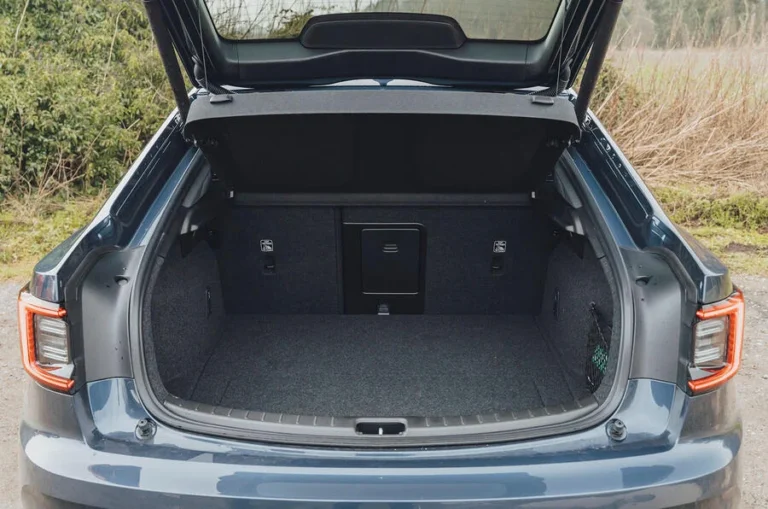
As a five-door hatchback, the Cooper S attempts to balance performance with pragmatism. The 275-liter boot capacity is modest but sufficient for weekly grocery runs or small suitcases. The addition of rear doors significantly improves access for passengers, though the rear cabin remains snug for taller adults.
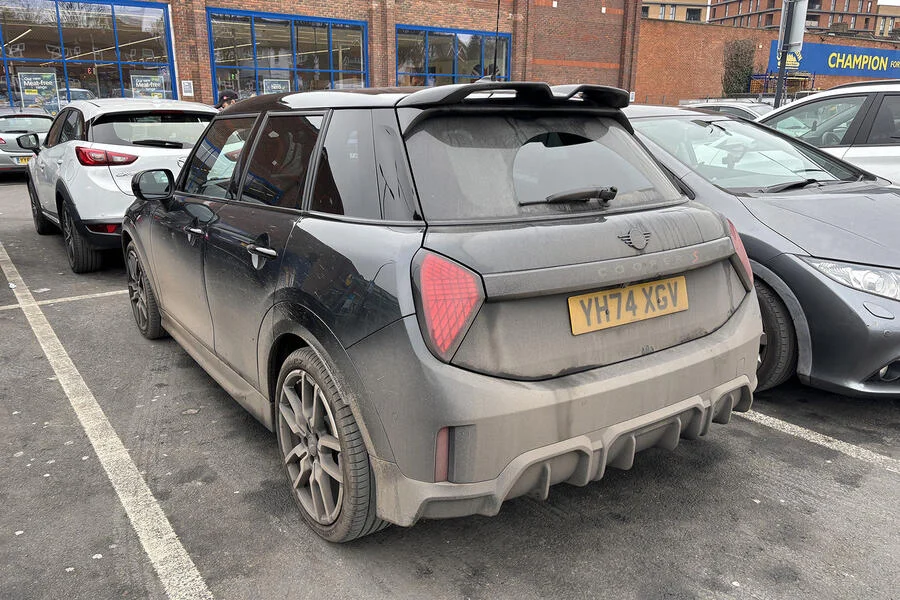
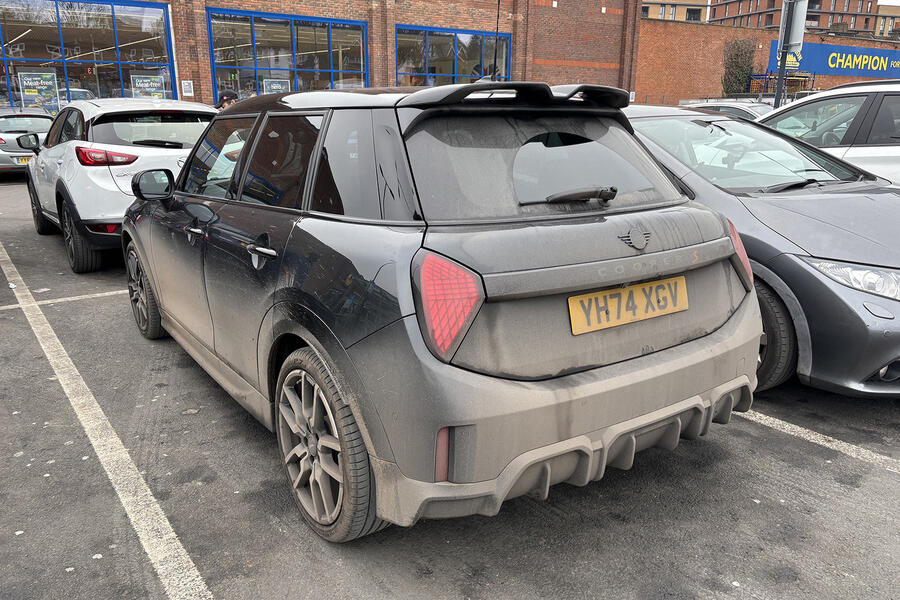
A notable observation during the winter test was the car’s aesthetic resilience. Testers remarked on the "rally-refugee" vibe the car adopted when coated in road salt and grime, suggesting that the Mini’s design language maintains its character even when neglected. Inside, the cabin served as an effective "mobile office," though some criticism was leveled at the plastic paddle shifters, which were described as lacking the tactile "chunkiness" desired in a performance-oriented vehicle.
The Transition to Electric: Future Implications
The report acknowledges that while the petrol Cooper S will remain on sale until at least the end of the decade, the brand is already moving toward an electric future. Emerging rivals such as the Abarth 500e, Alpine A290, and the forthcoming electric Cooper JCW represent a new era of sporting superminis.
These electric alternatives offer instant torque and lower running costs but often struggle to replicate the "mechanical charisma" of a petrol engine. The Cooper S, with its "pop, fizz, and grunt," serves as a reminder of the emotive appeal that has defined the hot hatch segment since the days of the Peugeot 205 GTi and Renault 5 Turbo. The evaluation suggests that while the electric era is inevitable, the current Cooper S remains a vital link to the heritage of the "pocket rocket."
Industry Response and Market Positioning
Industry analysts suggest that Mini’s decision to continue producing a high-output petrol Cooper is a strategic move to retain brand loyalists during the ZEV (Zero Emission Vehicle) mandate transition. By offering both ICE and EV versions of the Cooper, Mini can cater to markets with varying levels of charging infrastructure.
Official statements from Mini often emphasize "Go-Kart Feeling" as a core brand pillar. The long-term test confirmed that this remains the car’s primary selling point. Despite the harsh ride and the high price tag, the vehicle’s ability to turn a mundane commute into an engaging experience remains its strongest defense against more practical, albeit duller, competitors.
Final Verdict on the Cooper S as a Daily Driver
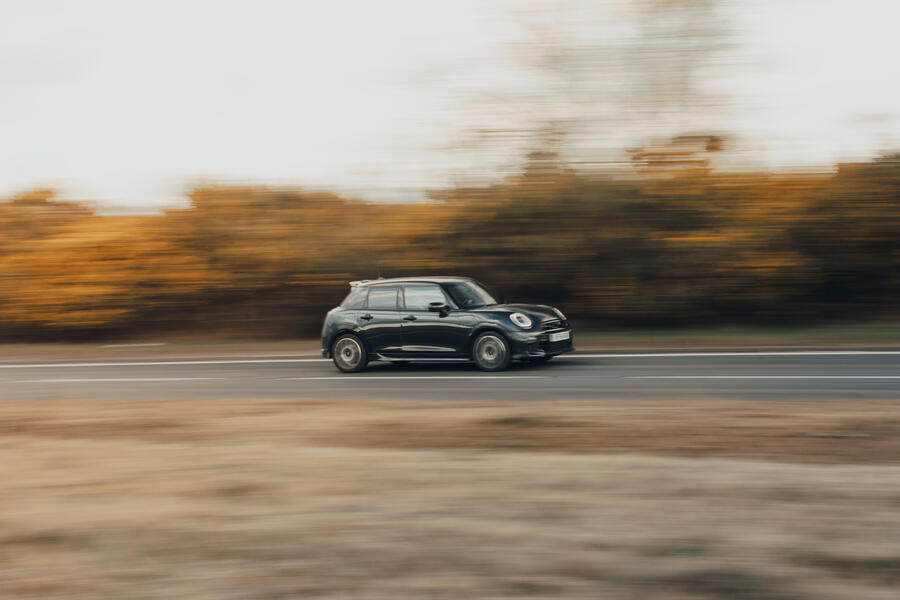
The 3,000-mile winter test concludes that the Mini Cooper S is a car bought "60% with the heart and 40% with the head." It is not the most efficient car in its class, nor is it the most comfortable. However, in a market increasingly dictated by "fun-sponge" safety rules and profit-driven emissions legislation, the Mini stands as a celebratory commitment to driving dynamics.
For those seeking a "comfortable, characterful, and relatively capacious commuter car" that can perform on a weekend B-road, the Cooper S remains a top recommendation. It serves as an affordable gateway to the sports car world, providing a level of engagement that is becoming increasingly rare in showrooms. While it may be a "dinosaur" in concept, its execution remains sharp enough to justify its place on the road for the remainder of the decade.