


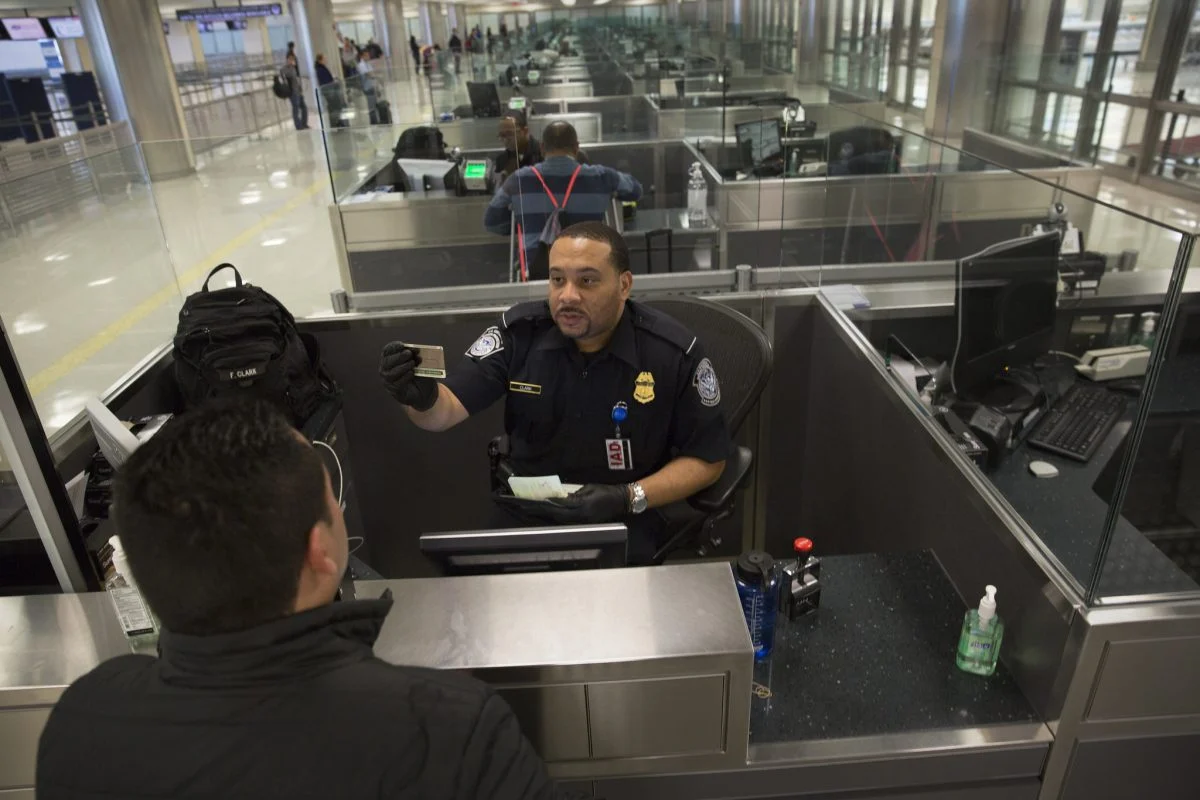
The United States State Department has formally announced an expansion of its controversial visa bond pilot program, adding 12 more countries to a list of nations whose citizens may be required to post significant financial collateral before being granted entry into the country. Under the updated guidelines revealed on Wednesday, travelers from these newly designated nations may be obligated to post bonds ranging from $5,000 to $15,000 as a condition for receiving a B-1 (business) or B-2 (tourism) visa. This expansion brings the total number of countries subject to the requirement to 50, marking a significant escalation in the administration’s efforts to utilize financial deterrents as a means of reducing illegal immigration and visa overstays.
The revised policy is scheduled to take effect on April 2, providing a narrow window for diplomatic and administrative adjustments. According to State Department officials, the primary objective of the bond requirement is to provide consular officers with an additional enforcement tool to ensure that short-term visitors return to their home countries upon the expiration of their authorized stay. The bond serves as a financial guarantee; if the traveler complies with the terms of their visa and departs the U.S. on time, the bond is discharged. However, if the individual overstays, the bond is forfeited to the U.S. government.
The Mechanism of the Visa Bond Pilot Program
The visa bond pilot program was initially conceived as a targeted experimental measure to address specific vulnerabilities in the U.S. immigration system. Consular officers at U.S. embassies and overseas posts have long held the discretionary authority to require bonds, but the practice was historically rare and lacked a standardized framework. The Trump administration’s implementation of this pilot program formalized the process, specifically targeting countries with high "overstay rates"—defined as the percentage of visitors who remain in the United States after their legal authorization has lapsed.
Under the current expansion, the $15,000 ceiling represents a substantial financial burden for travelers from emerging markets, where the average annual income may be significantly lower than the bond amount. Consular officers are instructed to assess the risk of each applicant and determine the appropriate bond amount within the $5,000 to $15,000 range. The program specifically targets B-1 and B-2 visa categories, which are the most common pathways for business travel, family visits, and medical tourism.
The administrative process involves a complex coordination between the Department of State and the Department of Homeland Security (DHS). When a bond is required, the applicant must secure the funds, often through a third-party surety or by depositing cash. This adds a layer of bureaucratic friction that critics argue could deter legitimate travel and damage the United States’ reputation as a welcoming destination for global commerce and tourism.
Chronology of U.S. Visa Policy Shifts
The expansion of the visa bond program is the latest in a series of restrictive measures implemented over the last four years. To understand the current landscape, it is necessary to examine the timeline of these policy shifts:
- April 2019: The White House issued a Presidential Memorandum on Combating High Nonimmigrant Overstay Rates. This directive ordered the Secretary of State and the Secretary of Homeland Security to develop a plan to reduce overstay rates for countries where the rate exceeded 10%.
- Late 2019 – Early 2020: The State Department began internal reviews of B-1/B-2 visa data, identifying dozens of countries in Africa, Asia, and the Middle East that met the 10% threshold.
- December 2020: The initial pilot program was launched, targeting a select group of countries with some of the highest recorded overstay rates.
- Present Day (Wednesday Announcement): The State Department expanded the list by 12 countries, bringing the total to 50 and setting an implementation date of April 2.
This timeline reflects a persistent move toward "extreme vetting" and the use of economic levers to manage migration flows. The administration has argued that traditional methods of screening—such as interviews and documentation of ties to the home country—have proven insufficient for certain high-risk demographics.
Supporting Data: The Overstay Challenge
The justification for the visa bond program rests heavily on data compiled by the Department of Homeland Security in its annual Entry/Exit Overstay Reports. According to the most recent comprehensive data available, the national average overstay rate for nonimmigrant visitors is relatively low, typically hovering around 1% to 2%. However, this figure masks significant disparities between nations.
For the fiscal year 2019, several of the countries now included in the 50-nation list saw overstay rates exceeding 10%, 15%, or even 20%. For example, certain nations in the Oceania region and sub-Saharan Africa have historically struggled with high rates of citizens remaining in the U.S. to work illegally or seek asylum after entering on tourist visas.
The State Department’s decision to target countries with a 10% or higher overstay rate is a data-driven approach, but it has drawn criticism for its broad application. Critics point out that many of these countries send a relatively small total number of travelers to the U.S. In these cases, even a few dozen individuals overstaying can result in a high percentage rate, potentially penalizing thousands of other legitimate travelers from the same nation.
Official Responses and Industry Reactions
The announcement has triggered a wave of reactions from stakeholders across the travel, aviation, and human rights sectors. While the administration maintains that the policy is a necessary security and enforcement measure, industry leaders have expressed concern over the timing and the potential for long-term economic damage.
A spokesperson for the U.S. Travel Association noted that the U.S. is "adding friction at a time when inbound travel is already struggling to recover" from the global disruptions caused by the COVID-19 pandemic. The association emphasized that international travel is a major export for the U.S. economy and that creating high financial barriers could drive high-spending business travelers toward competing markets in Europe or Asia.
Airlines have also voiced concerns. Major carriers that operate routes to the affected regions worry that the bond requirement will lead to a decrease in ticket sales. For airlines, the predictability of passenger volume is crucial for maintaining route viability. If a significant portion of a country’s traveling public is priced out of the U.S. market by a $15,000 bond requirement, those routes may become economically unsustainable.
On the diplomatic front, several of the affected countries have expressed disappointment. Diplomats from West African and Southeast Asian nations have argued that the policy unfairly targets developing economies and could hinder bilateral cooperation on other fronts, including trade and regional security.
Analysis of Implications for Emerging Markets
The most significant impact of this policy expansion will likely be felt in emerging markets. Many of the 50 countries on the list are located in Africa and parts of Asia—regions that economists identify as critical to the future growth of global tourism and business.
By targeting these markets, the U.S. risks ceding influence and economic opportunity. For instance, as China and the European Union continue to ease visa restrictions for business travelers from African nations to foster trade, the U.S. is moving in the opposite direction. This "competitive disadvantage" could have long-term ramifications for American companies looking to expand their footprint in developing economies.
Furthermore, the bond requirement creates an equity issue. A $15,000 bond is an insurmountable obstacle for a middle-class professional in a developing nation, even if they have a legitimate reason for travel, such as attending a professional conference or visiting a sick relative. This effectively turns the U.S. visa process into a wealth-based system, where only the most affluent citizens of the targeted countries can afford the "entry fee."
Broader Impact on the U.S. Travel Industry
The U.S. travel industry is currently in a fragile state of recovery. International inbound travel is a vital component of the economy, contributing billions of dollars to the GDP and supporting millions of jobs in the hospitality, transportation, and retail sectors.
The "friction" mentioned by industry analysts refers not just to the financial cost of the bond, but to the psychological and administrative burden. When a destination becomes known for having a difficult or unpredictable visa process, travelers often choose alternative destinations that are more welcoming.
For the hospitality sector, particularly in major hubs like New York, Los Angeles, and Miami, the loss of travelers from 50 different countries represents a non-trivial hit to occupancy rates and ancillary spending. Business travel, which often involves last-minute planning, is particularly sensitive to these types of policy changes. If a business executive from an affected country cannot secure a bond or navigate the new requirements in time for a meeting, that business opportunity may be lost to a competitor in another country.
Legal and Administrative Challenges Ahead
As the April 2 implementation date approaches, several questions remain regarding the logistics of the bond program. The State Department has yet to provide exhaustive details on the mechanism for collecting and returning the funds. The management of millions of dollars in bond money requires a robust accounting infrastructure to prevent fraud and ensure timely refunds.
There is also the potential for legal challenges. Immigration advocacy groups are reportedly reviewing the policy to determine if it violates the Administrative Procedure Act or if it exceeds the statutory authority granted to the executive branch. If the policy is seen as a "de facto" ban on travelers from certain nations based on their economic status, it could face injunctions in federal court.
Furthermore, the future of the policy remains tied to the political landscape. As a pilot program, it is subject to review and could be rescinded or modified by a subsequent administration. However, for the time being, the State Department is moving forward with the expansion, signaling a firm commitment to using financial leverage as a primary tool of immigration enforcement.
Conclusion
The expansion of the visa bond pilot program to 50 countries represents a pivotal shift in how the United States manages its borders and interacts with the global community. By placing a $15,000 price tag on entry for citizens of specific nations, the government is prioritizing enforcement and overstay prevention over the ease of international travel and economic exchange.
While the data supports the administration’s claim that overstay rates are a legitimate concern, the broad application of financial bonds creates significant hurdles for the travel industry and complicates diplomatic relations with emerging markets. As April 2 approaches, the global travel community will be watching closely to see how this policy impacts the flow of people and capital into the United States, and whether the perceived security benefits outweigh the potential economic and reputational costs.