


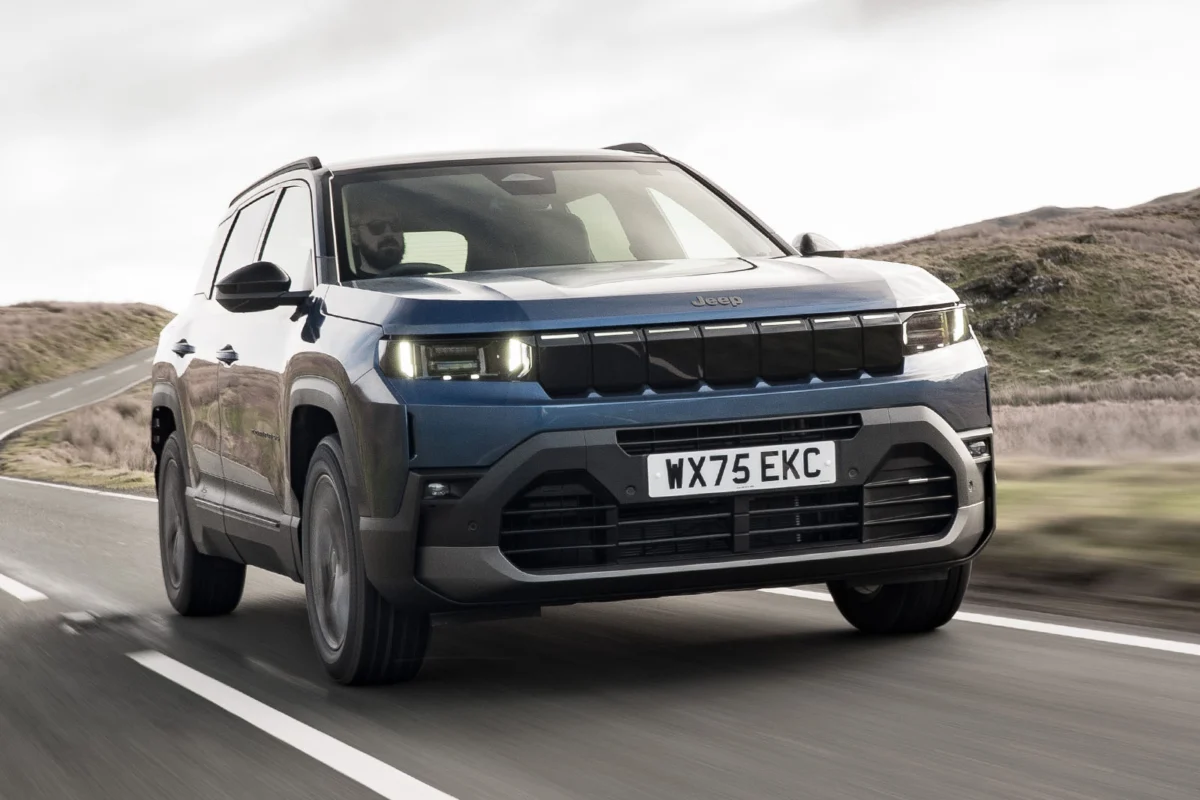
The Jeep Compass has undergone a significant transformation as part of the broader Stellantis "Dare Forward 2030" electrification strategy, introducing a dual-pathway approach to the European and UK markets through its Battery Electric Vehicle (BEV) and e-Hybrid variants. While the brand has historically been synonymous with off-road capability and rugged utilitarianism, the latest iterations of the Compass focus heavily on urban efficiency and emissions reduction. However, a technical analysis of the vehicle’s performance metrics reveals a complex balance between Jeep’s traditional brand identity and the physical realities of modern electrification. In recent testing and performance evaluations, the Compass has received a performance rating of 7 out of 10, reflecting a powertrain lineup that, while functional and refined in specific contexts, faces stiff competition from established rivals in the C-segment SUV category.
Technical Specifications and the Weight-to-Power Ratio
The transition to a fully electric powertrain represents a milestone for the Compass nameplate. The electric variant is equipped with a motor producing 210 brake horsepower (bhp), a figure that would typically suggest a high degree of responsiveness. However, the engineering challenge lies in the vehicle’s substantial mass. The Compass EV weighs approximately 2.2 tonnes, a figure necessitated by the heavy battery architecture required to provide competitive range. This results in a power-to-weight ratio that yields an unremarkable 0-62 mph acceleration time of 8.5 seconds.
While the 8.5-second sprint is adequate for suburban commuting, it falls behind several key rivals in the electric SUV sector, many of which utilize dual-motor setups or more energy-dense battery configurations to achieve sub-7-second times. Despite the weight concerns, the EV variant is noted for its superior refinement compared to its internal combustion counterparts. The delivery of torque is smoother, and the cabin environment remains significantly quieter. Jeep has also integrated sophisticated driver-interfacing tools to manage energy recovery, including steering-wheel-mounted paddles and a dedicated button for one-pedal driving. These features allow for a progressive and configurable regenerative braking experience, which is increasingly becoming a benchmark requirement for premium electric vehicles.
The e-Hybrid Alternative: Efficiency Over Velocity
For a significant portion of the UK market, the e-Hybrid version remains the more accessible entry point into the electrified Compass range. This model utilizes a 1.5-liter three-cylinder turbocharged engine paired with a 48-volt mild-hybrid system. The internal combustion engine produces 144 bhp, supported by a modest 28 bhp (21 kW) electric motor and a 0.9 kWh battery.
The performance data for the e-Hybrid illustrates a clear focus on fuel economy rather than performance. With a curb weight of 1,667 kg, the power-to-weight ratio is more favorable than the EV on paper, yet the actual performance is more sedate. The 0-62 mph sprint is recorded at 10.0 seconds, a figure that places it at the slower end of the modern compact SUV spectrum. In real-world driving conditions, the e-Hybrid manages a respectable 45 mpg on mixed routes, making it a viable option for high-mileage drivers who are not yet ready to commit to a full BEV infrastructure.
However, the integration of the hybrid components has drawn scrutiny for inconsistency. The 0.9 kWh battery is insufficient for extended electric-only travel, meaning the petrol engine must engage frequently. The transition between the electric motor and the combustion engine can occasionally result in momentary delays in power delivery. Furthermore, drivers have reported a lack of uniformity in the feel of the accelerator and brake pedals. This is often attributed to the complex software management required to blend regenerative braking with traditional friction braking while simultaneously managing gear shifts in the dual-clutch transmission.
A Chronological Overview of the Compass Electrification
The current performance profile of the Jeep Compass is the result of a multi-year development cycle aimed at pivoting the brand away from diesel-heavy lineups.
- 2017-2020: The second-generation Compass relied primarily on MultiJet diesel and MultiAir petrol engines, focusing on the 4×4 systems that defined the Jeep brand.
- 2020-2021: Jeep introduced the 4xe Plug-in Hybrid (PHEV) technology. This was the first major step toward electrification, offering a mechanical 4×4 system supplemented by electric torque.
- 2022-2023: Recognizing the need for a more diverse lineup, Stellantis introduced the e-Hybrid system to bridge the gap between traditional combustion and full electrification. This period also saw the introduction of the "Upland" and "High Altitude" trims, which emphasized sustainable interior materials.
- 2024-Present: The launch of the full EV variant marks the final stage of the current generation’s evolution. This rollout coincided with the integration of the Compass into the STLA Medium platform philosophy, though it continues to use a modified version of its existing architecture to accommodate both hybrid and electric powertrains.
Comparative Market Data
To understand the Compass’s position, it must be measured against its primary competitors in the European C-SUV segment.
| Vehicle Model | Powertrain Type | 0-62 mph (Seconds) | Weight (kg) |
|---|---|---|---|
| Jeep Compass EV | BEV | 8.5 | 2,200 |
| Kia EV6 (RWD) | BEV | 7.3 | 1,985 |
| Volkswagen ID.4 | BEV | 8.5 | 2,109 |
| Jeep Compass e-Hybrid | MHEV | 10.0 | 1,667 |
| Nissan Qashqai e-Power | Full Hybrid | 7.9 | 1,612 |
| Toyota RAV4 Hybrid | Full Hybrid | 8.1 | 1,635 |
The data indicates that while the Compass EV is on par with the entry-level Volkswagen ID.4 in terms of acceleration, it carries more weight. In the hybrid sector, the Compass e-Hybrid is noticeably slower than the Nissan Qashqai e-Power and the Toyota RAV4 Hybrid, both of which utilize more robust electric assistance systems to aid in mid-range acceleration and initial take-off.
Official Positioning and Industry Response
Stellantis executives have positioned the Compass as a "transitional" vehicle designed to offer "freedom of choice" to consumers. In various press briefings, Jeep representatives have emphasized that the Compass is not intended to be a performance-oriented sport SUV, but rather a versatile tool for "Zero Emission Freedom."
Industry analysts, however, have noted that the Compass faces a "brand identity" challenge. Historically, Jeep customers prioritized torque and low-end power for off-road navigation. The e-Hybrid’s three-cylinder engine, while producing an "appealing thrum" when pushed, lacks the sense of effortless authority traditionally associated with the brand. The necessity to rev the engine high to extract performance can undermine the "toughness" that the vehicle’s exterior styling suggests.
Market analysts from firms like JATO Dynamics suggest that the Compass’s success in the UK and European markets will depend less on its 0-62 mph times and more on its ability to offer competitive leasing rates and a distinctive aesthetic in a sea of homogenized crossovers.
Broader Implications for the SUV Segment
The performance characteristics of the Jeep Compass highlight a broader trend in the automotive industry: the "weight penalty" of electrification. As manufacturers transition legacy platforms to accommodate batteries, the resulting increase in mass often necessitates a compromise in driving dynamics. For the Compass, this has resulted in a vehicle that is "fairly refined" and "adequately powerful" for daily use but lacks "distinguishing features" in terms of engagement or agility.
The inconsistent pedal feel and power delivery delays seen in the e-Hybrid version are indicative of the challenges many manufacturers face when attempting to harmonize complex hybrid systems. As emission regulations tighten, the "mild-hybrid" approach seen in the Compass may become a baseline standard, yet the consumer expectation for seamless power delivery remains a high bar to clear.
Furthermore, the Compass EV’s performance suggests that for a single-motor, heavy SUV to feel "potent," further advancements in motor efficiency and weight reduction are required. For the Jeep brand, the future likely involves the adoption of the STLA Medium platform in its next-generation models, which is designed from the ground up for electrification and promises to shed the weight and packaging compromises found in the current Compass architecture.
Conclusion
The Jeep Compass EV and e-Hybrid represent a pragmatic, if not exhilarating, step forward for the brand. The EV stands out as the superior powertrain for those who prioritize quietness and a modern driving interface, provided they can overlook the weight-induced performance limitations. Conversely, the e-Hybrid offers a familiar entry point with respectable fuel economy for the average commuter, despite its occasionally hesitant power delivery and slower-than-average acceleration.
In a market saturated with high-performing alternatives, the Compass relies on its brand heritage and "configurable" driving features to maintain its relevance. While it may not be the choice for enthusiasts seeking a dynamic driving experience, it fulfills the requirements of a specific demographic looking for a refined, electrified SUV that remains true to Jeep’s rugged design language. As the automotive landscape continues to shift toward 2030, the Compass serves as a case study in the complexities of balancing legacy brand expectations with the rigorous demands of modern efficiency standards.