



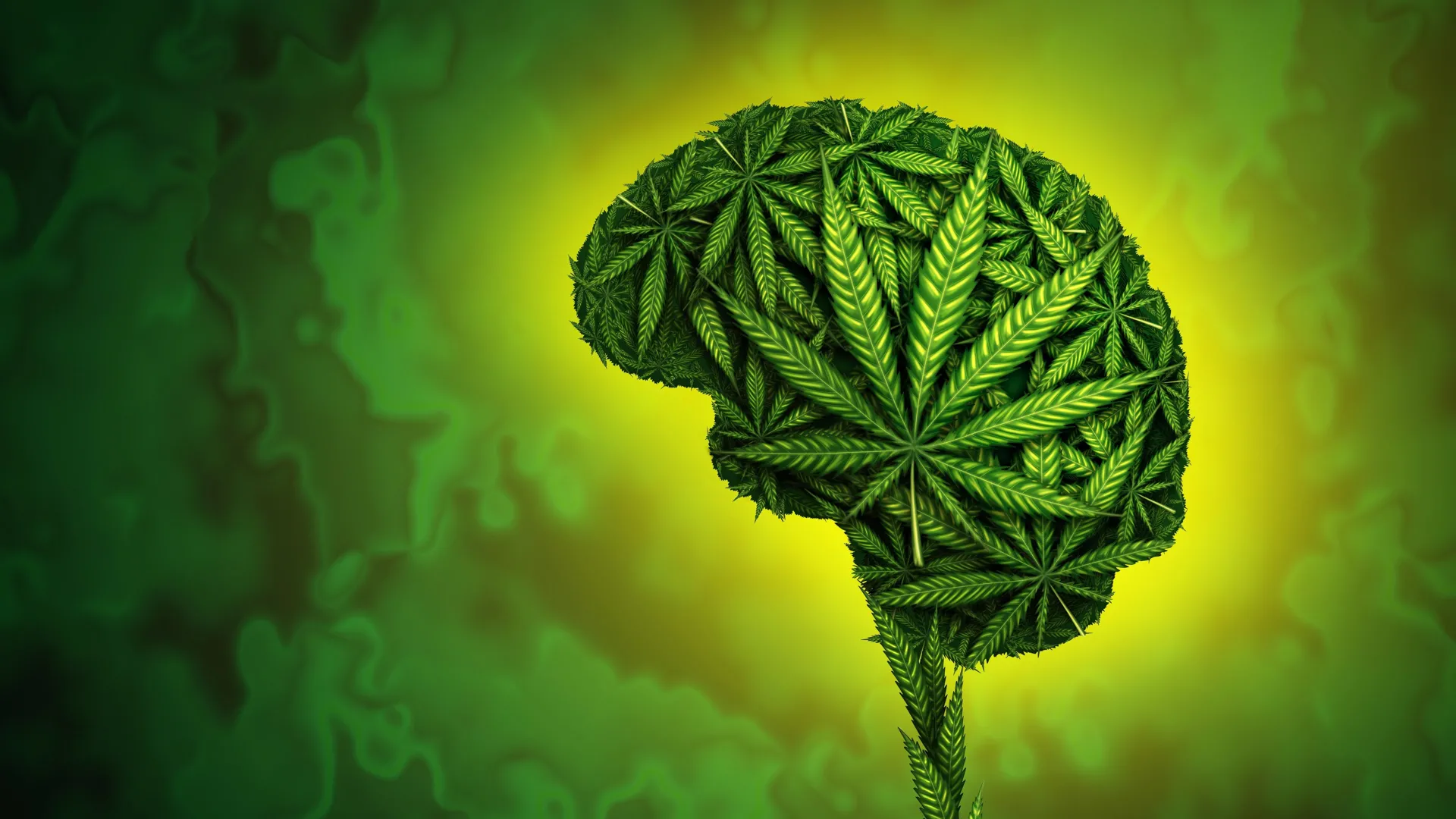
A groundbreaking meta-analysis published in the prestigious medical journal The Lancet has delivered a significant blow to the widespread perception of medicinal cannabis as a panacea for mental health conditions. The comprehensive study, the most extensive to date examining the safety and efficacy of cannabinoids across a broad spectrum of mental health disorders, concludes that medicinal cannabis offers no substantial therapeutic benefit for anxiety, depression, or post-traumatic stress disorder (PTSD). This finding arrives at a critical juncture, as the use of cannabis for medical purposes has surged globally, with a substantial portion of users reporting its application for managing psychological symptoms.
The implications of these findings are profound, potentially reshaping clinical guidelines and patient expectations regarding cannabis-based therapies. The research, spearheaded by Dr. Jack Wilson from the University of Sydney’s Matilda Centre, systematically reviewed 54 randomized controlled trials (RCTs) conducted over a 45-year period, from 1980 to 2025, drawing data from studies across the globe. This rigorous approach aimed to provide an unambiguous assessment of the evidence base, a crucial step in an era characterized by evolving cannabis legislation and a growing demand for alternative treatments.
The Shifting Landscape of Medical Cannabis
The surge in medicinal cannabis use is undeniable. In the United States and Canada, approximately 27 percent of individuals aged 16 to 65 report having used cannabis medically. Alarmingly, about half of these individuals claim to use it specifically to alleviate symptoms related to mental health. This trend has been fueled by a combination of factors: increasing legalization of cannabis, anecdotal evidence of its benefits, and a desire for treatments perceived as more "natural" or less laden with side effects than conventional pharmaceuticals.
However, this widespread adoption has often outpaced robust scientific validation. Many jurisdictions have seen a rapid increase in prescriptions for medicinal cannabis without a commensurate understanding of its long-term efficacy and safety profile for various conditions. This has led to growing concerns among regulatory bodies and medical professionals about the potential for inappropriate use and adverse outcomes.
Core Findings: A Stark Assessment for Common Mental Health Disorders
The central conclusion of the Lancet study is unequivocal: medicinal cannabis does not effectively treat anxiety, depression, or PTSD. This finding directly challenges the therapeutic claims often made for cannabis in managing these prevalent mental health conditions.
Dr. Jack Wilson, the lead author, articulated the gravity of these results, stating, "These findings arrive at a time when cannabis use for medical purposes is widespread. Our analysis raises serious questions about approving medicinal cannabis for conditions like anxiety, depression, and PTSD."
The study’s authors expressed concern that the routine use of medicinal cannabis for these conditions might, in fact, be detrimental. "Though our paper didn’t specifically look at this, the routine use of medicinal cannabis could be doing more harm than good by worsening mental health outcomes, for example a greater risk of psychotic symptoms and developing cannabis use disorder, and delaying the use of more effective treatments," Dr. Wilson elaborated. This warning highlights the critical need for clinicians to consider the potential for negative consequences, including the exacerbation of existing conditions and the hindrance of access to evidence-based therapies.
Nuances and Limited Efficacy in Other Areas
While the study delivered a clear verdict on anxiety, depression, and PTSD, it did identify some areas where medicinal cannabis showed potential, albeit with significant caveats. The researchers noted indications that medicinal cannabis might offer some benefit in cases of:
- Cannabis Use Disorder (CUD): Otherwise known as cannabis dependency, the study suggested that cannabis-based treatments could play a role in managing CUD, drawing parallels to the use of methadone in treating opioid-use disorder. An oral formulation of cannabis, when administered alongside psychological therapy, was shown to reduce cannabis smoking. "Similar to how methadone is used to treat opioid-use disorder, cannabis medicines may form part of an effective treatment for those with a cannabis-use disorder," Dr. Wilson explained.
- Autism Spectrum Disorder (ASD): The study found some evidence that medicinal cannabis could assist in reducing symptoms associated with autism. However, Dr. Wilson stressed that the evidence quality for this use was low. He also emphasized the inherent diversity within the autism spectrum, stating, "In the case of autism specifically, while the study showed some evidence medicinal cannabis could assist with a reduction in symptoms, it is worth noting that there is no one — or universal — experience of autism, so this finding should be treated with caution."
- Insomnia: Indications of potential benefit were noted for sleep disorders, though again, the supporting evidence was characterized as weak.
- Tics and Tourette’s Syndrome: Similar to autism and insomnia, the evidence base for these neurological conditions was deemed limited.
Crucially, for all these conditions, Dr. Wilson underscored the low overall quality of the supporting evidence. "But the overall quality of evidence for these other conditions, such as autism and insomnia, was low. In the absence of robust medical or counseling support, the use of medicinal cannabis in these cases are rarely justified." This statement underscores the principle that even where some positive signals emerge, they are not sufficient to warrant widespread recommendation without stronger scientific backing and comprehensive clinical support.
Mixed Results for Substance Use Disorders: A Double-Edged Sword
The review delved into the complex relationship between medicinal cannabis and various substance use disorders, revealing a nuanced and sometimes contradictory picture. While potential benefits were observed for cannabis dependence, a concerning trend emerged concerning cocaine-use disorder.
For individuals struggling with cocaine dependence, the study found that medicinal cannabis use actually increased cravings. "However, when medicinal cannabis was used to treat people with cocaine-use disorder, it increased their cravings. This means it should not be considered for this purpose and may, in fact, worsen cocaine dependence," Dr. Wilson warned. This finding is particularly significant, as it suggests that for certain substance use disorders, cannabis-based interventions could be counterproductive and potentially exacerbate the problem, highlighting the need for condition-specific risk assessments.
Established Efficacy in Other Medical Domains
It is important to note that the Lancet study did not dispute the established efficacy of medicinal cannabis in other, well-researched medical applications. The researchers explicitly mentioned areas where the evidence is more robust:
- Epilepsy: Reducing seizures associated with some forms of epilepsy.
- Multiple Sclerosis (MS): Alleviating spasticity in individuals with MS.
- Pain Management: Managing certain types of chronic pain.
"There is, however, evidence that medicinal cannabis may be beneficial in certain health conditions, such as reducing seizures associated with some forms of epilepsy, spasticity among those with multiple sclerosis, and managing certain types of pain, but our study shows the evidence for mental health disorders falls short," Dr. Wilson clarified. This distinction is vital, as it prevents the broad dismissal of medicinal cannabis and focuses the critique on its application in mental health where the evidence base is demonstrably weaker.
The Imperative for Stronger Regulation and Evidence-Based Decision-Making
The rapid proliferation of medicinal cannabis use and prescribing has not gone unnoticed by major medical organizations, including the American Medical Association. Concerns are mounting regarding the adequacy of current regulatory frameworks and the persistent uncertainty surrounding the true effectiveness and safety of these products.
The Lancet study is positioned as a crucial resource to address these regulatory and clinical gaps. "Our study provides a comprehensive and independent assessment of the benefits and risks of cannabis medicines, which may support clinicians to make evidence-based decisions, helping to ensure patients receive effective treatments while minimising harm from ineffective or unsafe cannabis products," Dr. Wilson stated. This call for evidence-based practice is central to the study’s impact, aiming to empower healthcare professionals and guide patients towards treatments that are demonstrably beneficial and safe.
A Timeline of Evolving Understanding
The journey to this comprehensive analysis has been shaped by decades of research and evolving societal attitudes towards cannabis.
- 1980s-1990s: Early research primarily focused on the potential therapeutic uses of cannabis for conditions like chronic pain, spasticity, and certain neurological disorders. Scientific inquiry was often hampered by legal restrictions and limited funding.
- Late 1990s-Early 2000s: The discovery of the endocannabinoid system provided a deeper understanding of how cannabinoids interact with the human body, stimulating renewed research interest. Medical cannabis began to gain traction in some regions, often driven by patient advocacy and anecdotal reports.
- 2000s-2010s: A growing number of clinical trials were initiated, exploring a wider range of conditions. The legalization of medical cannabis in various US states and countries like Canada and Australia created a more permissive research environment, though methodological challenges and the heterogeneity of cannabis products remained significant hurdles.
- 2010s-Present: The widespread availability of cannabis products, coupled with increasing public awareness and demand, led to a surge in both recreational and medicinal use. This created an urgent need for rigorous, large-scale scientific assessments to inform policy and clinical practice. The Lancet study, drawing on data spanning 45 years, represents a culmination of this extensive research effort, offering a definitive assessment of the evidence accumulated to date.
Funding and Declarations
The research underpinning this significant publication was funded by the National Health and Medical Research Council (NHMRC). Several authors declared potential conflicts of interest. Wayne Hall and Myfanwy Graham have received consultation fees from the World Health Organization. Wayne Hall has also received payment for expert testimony on the risks of cannabis use. Myfanwy Graham holds a position as a member of the Medicinal Cannabis Expert Working Group for the Australian Department of Health, Ageing and Disability, and has received funding from the Therapeutic Goods Administration for independent evidence reviews on medicinal cannabis. All other authors reported no competing interests, underscoring the study’s commitment to independent scientific integrity.
Broader Impact and Future Directions
The findings from The Lancet study carry substantial implications for public health policy, clinical practice, and patient education.
For Clinicians: Healthcare providers are now equipped with more robust evidence to guide their recommendations regarding medicinal cannabis. The study’s clear delineation of where evidence is lacking or weak for mental health conditions necessitates a more cautious and evidence-informed approach. This could lead to a reduction in prescriptions for anxiety, depression, and PTSD, and a greater emphasis on established, evidence-based treatments.
For Patients: The study offers crucial information for individuals considering or currently using medicinal cannabis for mental health issues. It underscores the importance of having open and honest conversations with healthcare providers about the scientific evidence, potential risks, and the availability of alternative treatments. The message is clear: while cannabis may have roles in certain medical conditions, its efficacy for common mental health disorders remains unproven and potentially harmful.
For Policymakers and Regulators: The research provides a strong scientific basis for re-evaluating current regulations surrounding medicinal cannabis. It highlights the need for stricter oversight, more rigorous approval processes, and clearer labeling regarding the evidence base for various conditions. This could lead to policy changes that prioritize patient safety and ensure that access to medicinal cannabis is aligned with robust scientific validation.
For Future Research: The study, while comprehensive, also points towards areas where further research is critically needed. Investigating the long-term effects of medicinal cannabis use, exploring the specific mechanisms of action for conditions where some benefit is suggested, and conducting larger, more methodologically sound RCTs for mental health disorders will be essential to further refine our understanding.
In conclusion, the Lancet analysis represents a pivotal moment in the discourse surrounding medicinal cannabis. By meticulously synthesizing decades of research, it provides a clear, evidence-based assessment that challenges popular perceptions and urges a more judicious and scientifically grounded approach to its application, particularly within the complex realm of mental health. The study serves as a vital reminder that while medical innovation is essential, it must be firmly anchored in rigorous scientific inquiry to ensure patient well-being and effective healthcare outcomes.