



A groundbreaking phase three clinical trial published in The New England Journal of Medicine has revealed that enlicitide, an experimental oral medication, achieved a remarkable reduction in low-density lipoprotein (LDL) cholesterol levels, often termed "bad" cholesterol, by as much as 60%. This significant finding positions enlicitide as a potential transformative therapy for millions of Americans at risk of heart attacks and strokes, pending approval from the U.S. Food and Drug Administration (FDA).
A New Frontier in Cholesterol Management
The study, spearheaded by Ann Marie Navar, M.D., Ph.D., a distinguished cardiologist and Associate Professor of Internal Medicine at UT Southwestern Medical Center, alongside researchers from the Peter O’Donnell Jr. School of Public Health, underscores the urgent need for more effective and accessible treatments for elevated LDL cholesterol. "Fewer than half of patients with established atherosclerotic cardiovascular disease currently reach LDL cholesterol goals," stated Dr. Navar. "An oral therapy this effective has the potential to dramatically improve our ability to prevent heart attacks and strokes on a population level." The research was sponsored by Merck & Co. Inc., a leading pharmaceutical company.
The Enduring Significance of Lowering LDL Cholesterol
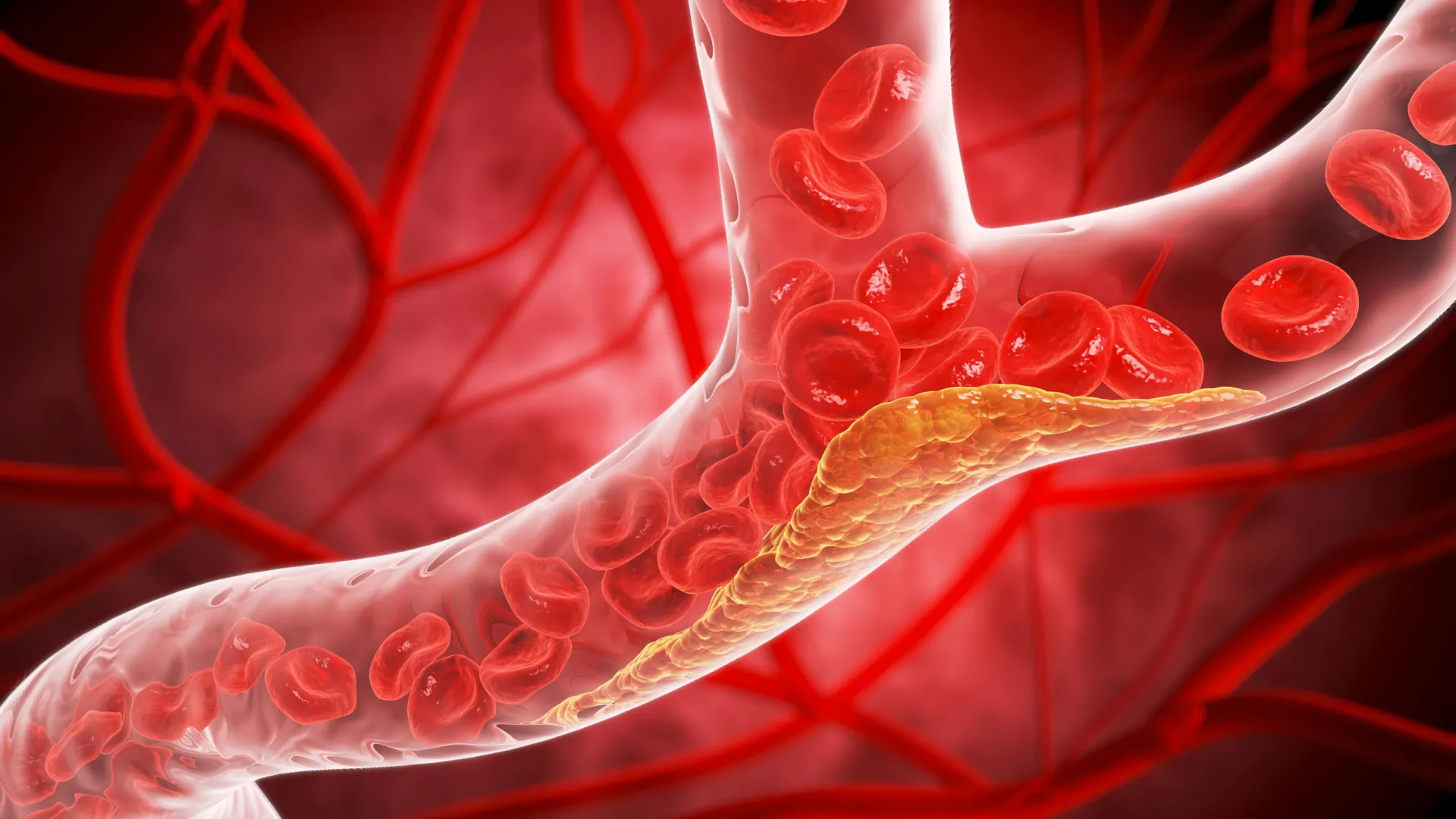
The pivotal role of LDL cholesterol in the development of cardiovascular disease has been a cornerstone of medical understanding for decades. LDL particles are known to accumulate within the arterial walls, a process known as atherosclerosis. This insidious buildup can progressively narrow and stiffen arteries, impeding blood flow and ultimately increasing the likelihood of life-threatening events such as heart attacks and strokes. Consequently, reducing LDL cholesterol remains a paramount strategy in both the primary prevention of heart disease and the management of risk for individuals already diagnosed with it.
A Legacy of Discovery: From Nobel Laureates to Novel Therapies
The development of enlicitide is deeply rooted in a rich history of scientific inquiry originating from UT Southwestern. Its efficacy builds upon foundational research conducted by Nobel laureates Michael Brown, M.D., and Joseph Goldstein, M.D. Their pioneering work in the 1970s identified the LDL receptor on liver cells, a critical mechanism responsible for removing LDL cholesterol from the bloodstream. This monumental discovery, recognized with the Nobel Prize in Physiology or Medicine in 1985, fundamentally reshaped our understanding of cholesterol metabolism and laid the groundwork for the development of statins, which have become the most widely prescribed class of cholesterol-lowering drugs globally.
Further advancements emerged from the Dallas Heart Study, a significant longitudinal research initiative at UT Southwestern led by Helen Hobbs, M.D., and Jonathan Cohen, Ph.D. This study illuminated a genetic pathway that naturally lowers LDL cholesterol in some individuals. They identified that genetic variations leading to reduced production of the PCSK9 protein were associated with lower LDL levels. The PCSK9 protein acts as a regulator, limiting the number of LDL receptors on liver cells, thereby hindering the body’s capacity to clear cholesterol. This crucial insight paved the way for the development of a new class of medications: injectable PCSK9 inhibitors. These therapies, which include monoclonal antibodies and RNA-based treatments like evolocumab and alirocumab, have demonstrated the ability to reduce LDL cholesterol by approximately 60%.
The Underutilization of Existing Advanced Treatments
Despite the profound effectiveness of injectable PCSK9 inhibitors, their adoption into routine clinical practice has been significantly slower than anticipated. Dr. Navar pointed to initial hurdles such as high costs and complex insurance reimbursement processes as primary deterrents. While these barriers have seen some improvement over time, a lingering hesitancy among many physicians persists. A significant contributing factor to this underutilization is the mode of administration; these life-saving medications require injections, a factor that many patients and healthcare providers find less convenient than oral alternatives.
Enlicitide’s Mechanism of Action: Oral Delivery, Potent Impact
Enlicitide operates by targeting the same critical PCSK9 pathway as its injectable predecessors. The drug binds to the PCSK9 protein in the bloodstream, thereby preventing it from degrading LDL receptors on liver cells. This mechanism effectively increases the number of available LDL receptors, enhancing the liver’s ability to clear LDL cholesterol from the circulation. The distinguishing feature and paramount advantage of enlicitide lies in its oral formulation, taken once daily. This simpler administration route holds the promise of significantly improving patient adherence and overall treatment accessibility.
Phase Three Trial Results: A 60% Reduction in LDL Cholesterol
The robust phase three clinical trial involved a diverse cohort of 2,909 participants. These individuals either had established atherosclerosis or were identified as being at high risk due to co-existing health conditions. Approximately two-thirds of the participants were administered enlicitide, while the remaining one-third received a placebo. Critically, the majority of participants were already undergoing treatment with statins, yet their average LDL cholesterol levels remained at 96 milligrams per deciliter (mg/dl). This level significantly exceeded the recommended targets of 70 mg/dl for individuals with atherosclerosis and 55 mg/dl for those at risk of atherosclerotic cardiovascular disease.
"The study population reflects what we see in clinical practice," Dr. Navar commented, highlighting the real-world applicability of the findings. "Even the highest intensity statins are often not enough to get people to their cholesterol goals."
Following a 24-week treatment period, patients receiving enlicitide experienced an average reduction of approximately 60% in their LDL cholesterol levels when compared to the placebo group. Beyond LDL cholesterol, the drug also demonstrated a positive impact on other key biomarkers associated with cardiovascular risk, including non-HDL lipoprotein cholesterol, apolipoprotein B, and lipoprotein(a). These beneficial effects were sustained throughout a comprehensive one-year follow-up period, reinforcing the drug’s long-term efficacy.
"These reductions in LDL cholesterol are the most we have ever achieved with an oral drug by far since the development of statins," Dr. Navar emphasized, underscoring the magnitude of this therapeutic advancement.
Future Directions and Broader Implications
The success of this phase three trial marks a significant milestone, but the journey toward widespread clinical adoption is ongoing. Another clinical trial is currently underway to ascertain whether the profound reductions in LDL cholesterol achieved by enlicitide will translate into a demonstrable decrease in the incidence of heart attacks and strokes. The results of this ongoing cardiovascular outcomes trial will be crucial in solidifying enlicitide’s place in the therapeutic armamentarium against cardiovascular disease.
The research team at UT Southwestern involved in these groundbreaking discoveries includes distinguished scholars. Dr. Brown, a Regental Professor, holds the Paul J. Thomas Chair in Medicine and the W.A. (Monty) Moncrief Distinguished Chair in Cholesterol and Arteriosclerosis Research. Dr. Goldstein, also a Regental Professor, is the holder of the Julie and Louis A. Beecherl, Jr. Distinguished Chair in Biomedical Research and the Paul J. Thomas Chair in Medicine. Dr. Hobbs holds the Dallas Heart Ball Chair in Cardiology Research and is an integral member of the Harold C. Simmons Comprehensive Cancer Center. Dr. Cohen is recognized with the C. Vincent Prothro Distinguished Chair in Human Nutrition Research.
The financial support for this pivotal study was provided by Merck Sharp & Dohme, a subsidiary of Merck. Dr. Navar’s contributions to this research were acknowledged with consulting fees from Merck for a portion of the work, as well as fees for other consulting engagements with Merck and other pharmaceutical companies specializing in lipid-lowering drugs, as fully disclosed within the study publication.
The advent of enlicitide, if approved, could represent a paradigm shift in cardiovascular risk management. By offering a highly effective, orally administered treatment option that builds upon decades of scientific innovation, it has the potential to significantly improve patient outcomes, reduce the burden of cardiovascular disease on individuals and the healthcare system, and usher in a new era of accessible and potent cholesterol management.