


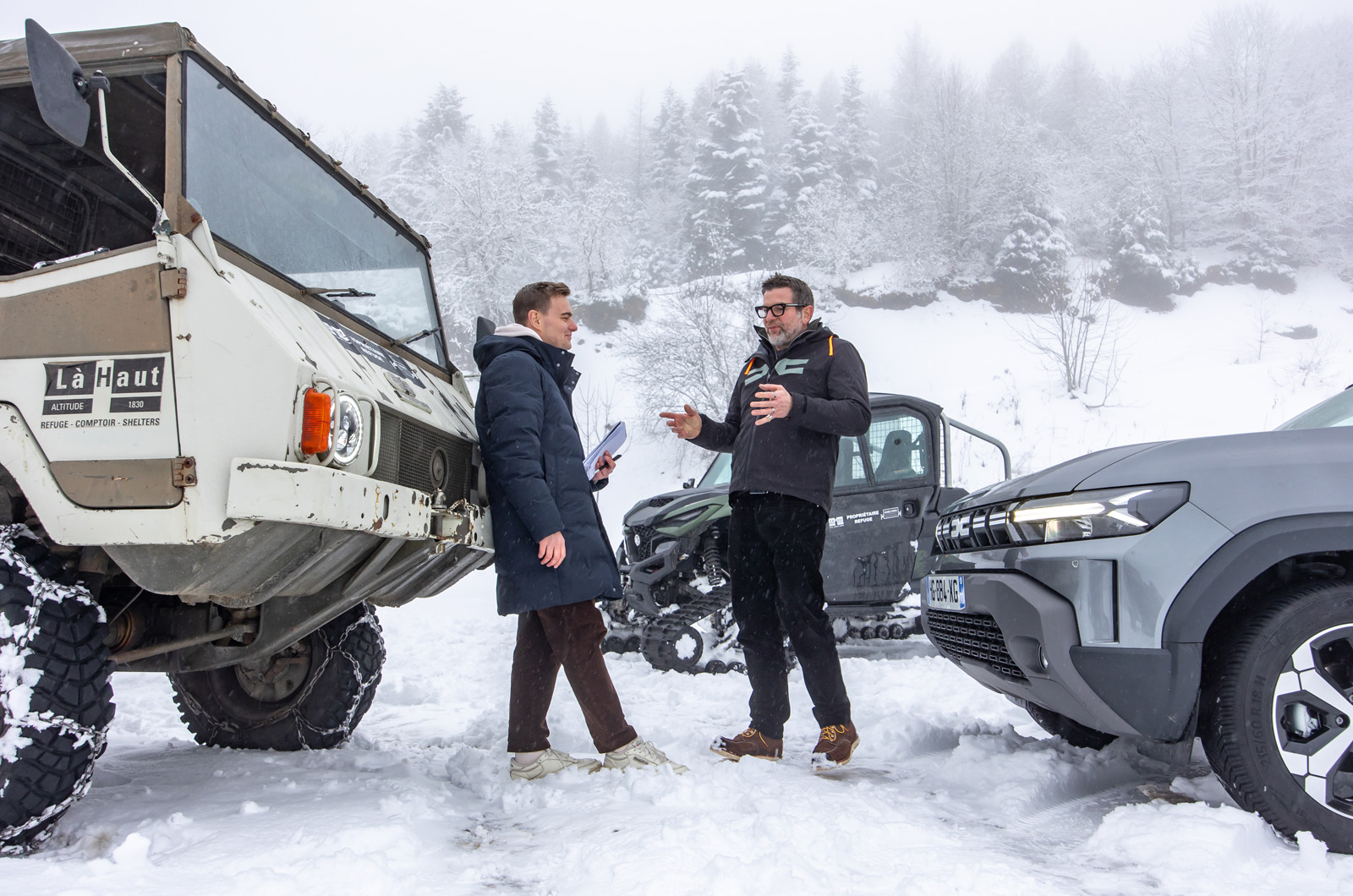
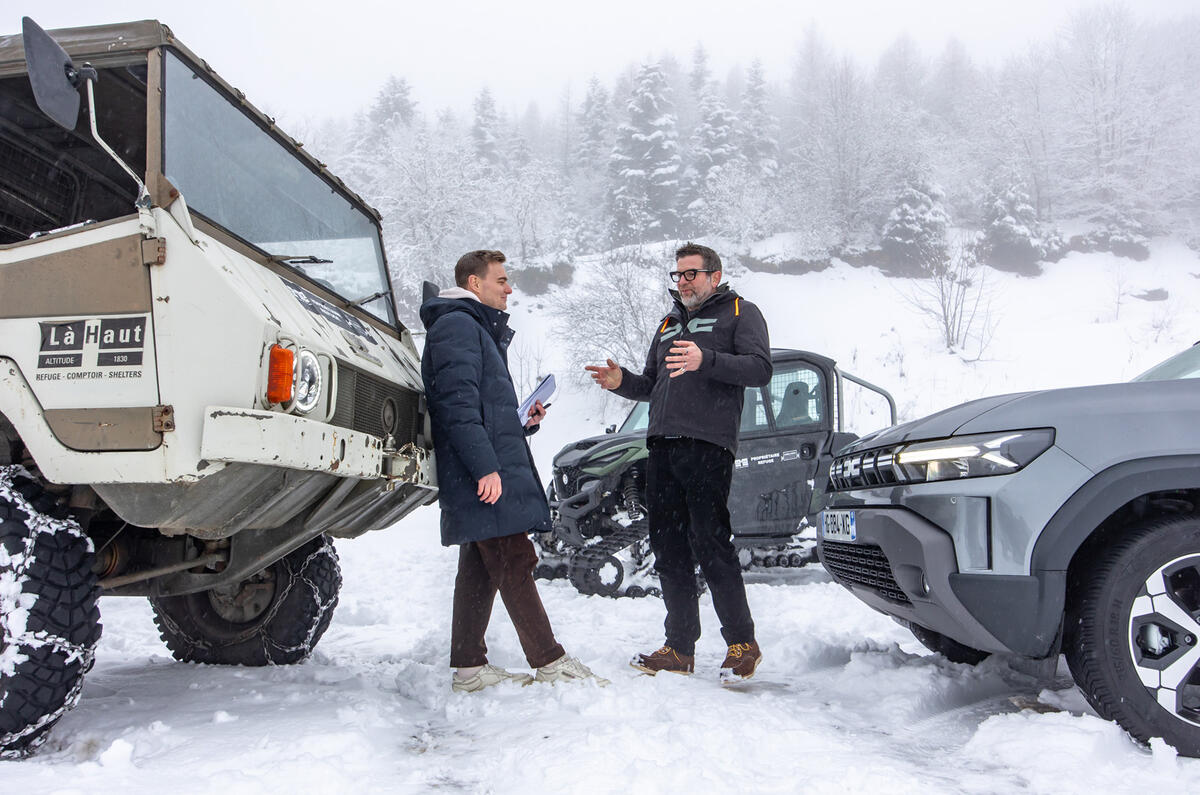
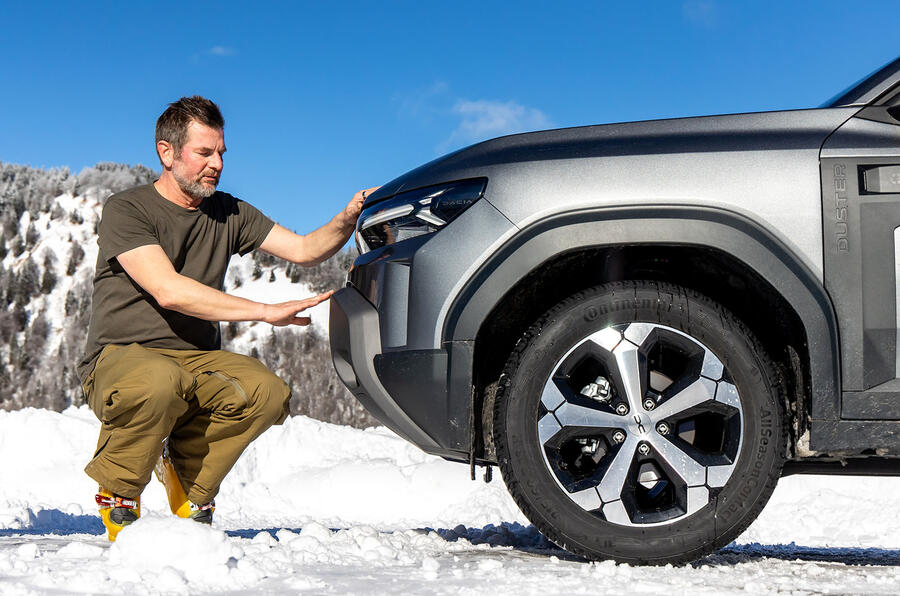
High in the French Alps, approximately 1,830 meters above the frozen expanse of Lake Annecy, the design philosophy of one of Europe’s fastest-growing automotive brands is being redefined. David Durand, Dacia’s Design Director and a 29-year veteran of the Renault Group, asserts that the brand’s transition from a "budget" label to a "lifestyle-focused" powerhouse is rooted in a return to fundamental utility. This shift, characterized by the mantra "essential is cool," represents a strategic pivot aimed at capturing a market increasingly alienated by the rising complexity and cost of modern vehicles. By stripping away non-essential ornamentation and drawing inspiration from rugged military hardware and mid-century industrial design, Durand is positioning Dacia as a purveyor of "tools" for the outdoors rather than mere status symbols.
The Evolution of the Dacia Brand Identity
The transformation of Dacia began in earnest following the 1999 acquisition of the Romanian manufacturer by Renault. For two decades, the brand was synonymous with affordability, often defined by its use of previous-generation Renault components, steel wheels, and unpainted plastic bumpers. However, the 2021 announcement of the "Renaulution" strategic plan by Renault Group CEO Luca de Meo marked a significant turning point. De Meo recognized that while Dacia was envied for its low-cost manufacturing base, it lacked the aspirational "pull" required to expand into higher-margin segments.
Durand, who took the helm of Dacia design four years ago, was tasked with maintaining the brand’s low-cost DNA while injecting a sense of rugged desirability. His background, which includes stints in Renault’s satellite studios in Barcelona, Seoul, and São Paulo, provided a global perspective on how different cultures perceive value. His 2020 Bigster concept served as the blueprint for this new direction, introducing a chunky, 4×4-inspired aesthetic that prioritized honesty over artifice.
Military Engineering as a Design Template
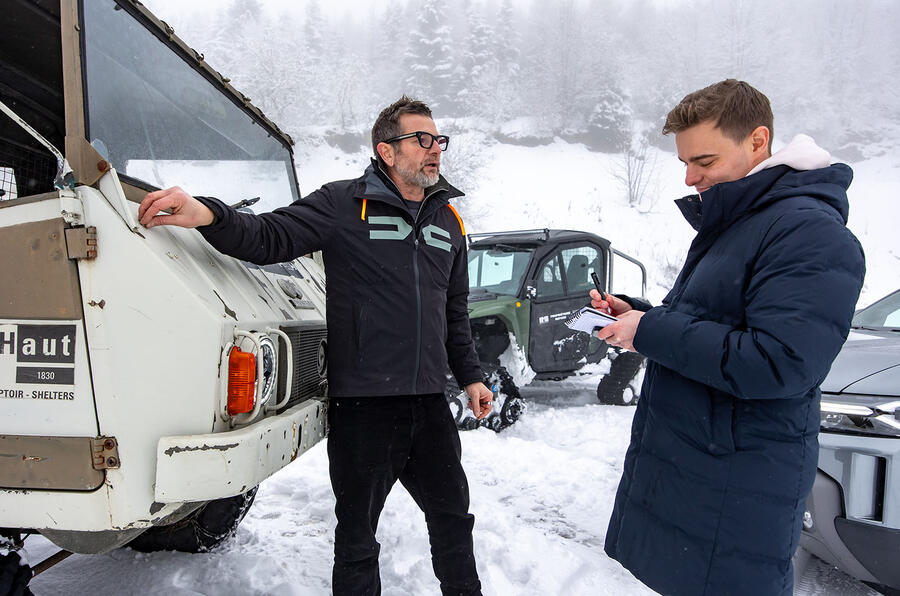
To illustrate the principles of functionalism, Durand points to the Steyr-Puch Pinzgauer 6×6, a high-mobility military utility vehicle used by various armed forces. The vehicle serves as a masterclass in "form follows function," a concept Durand is integrating into Dacia’s modern lineup. Every element of the Pinzgauer is designed for a specific purpose, with no regard for decorative aesthetics.
Key observations from the Pinzgauer that inform Dacia’s design language include:

- Integrated Functionality: Simple circular cut-outs for door pulls and exposed screw heads reduce manufacturing complexity and cost. Durand argues that showing a screw is "not a crime" if it saves weight and money, a philosophy that resonates with consumers looking for transparency.
- Sacrificial Protection: The use of crude wood cladding on the sides of the military vehicle prevents damage to the main bodywork when navigating narrow trails. Dacia has reinterpreted this through the use of "Starkle," a new material containing up to 20% recycled polypropylene, used for protective cladding on the new Duster.
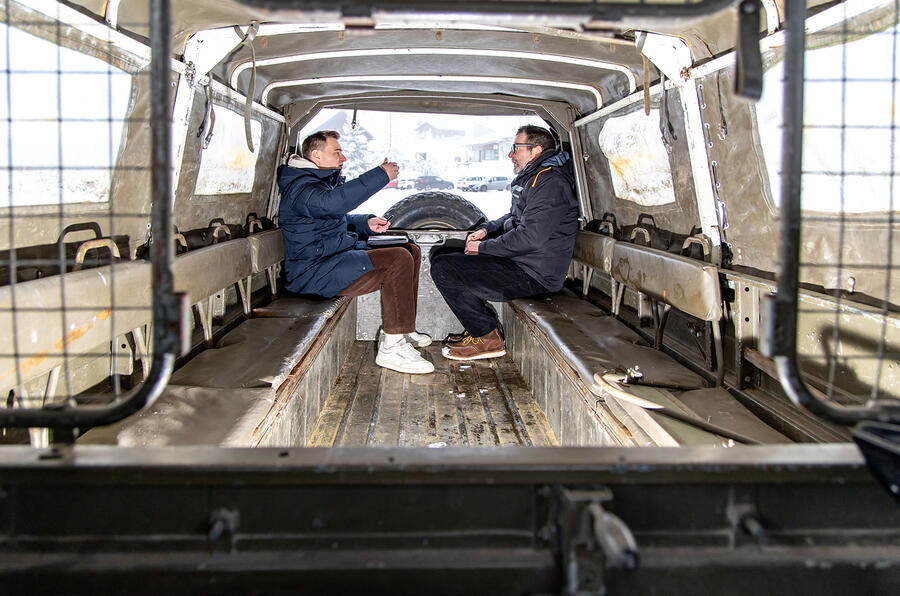
- Ergonomic Simplicity: The Pinzgauer’s interior features minimal upholstery and visible structural elements. Durand notes that this "unfinished" look emphasizes robustness and makes the vehicle easier to repair, a trait Dacia aims to replicate in its cabin designs.
By adopting these "military rules," Dacia creates a sense of trust with the consumer. The honesty of the design—where a car looks like an off-roader and possesses the geometry to actually perform off-road—distinguishes the brand from "show-off crossovers" that lack genuine utility.
The Dieter Rams Influence: Aesthetic Functionalism
Beyond military hardware, Dacia’s design ethos is heavily influenced by German industrial designer Dieter Rams. As a proponent of the "less, but better" (Weniger, aber besser) movement, Rams’ ten principles for good design have become a manifesto for Durand. Rams, famous for his work with Braun, argued that good design is unobtrusive, honest, and as little design as possible.

This philosophy is particularly relevant in the current automotive landscape, where soaring production costs and stringent emissions regulations are driving prices upward. Dacia’s commitment to providing "everything you need and nothing you don’t" serves as a hedge against the industry’s trend toward over-endowing cars with expensive, complex technology.
A primary example of this is Dacia’s retention of physical buttons and switches for climate and audio controls. While many manufacturers are moving toward all-touchscreen interfaces to reduce parts count, Dacia prioritizes intuitive use. Durand argues that a driver should know how a control works before they use it, without needing to consult a digital manual. This focus on "low-tech" reliability is a deliberate choice to ensure longevity and ease of operation in harsh environments.
Market Context and Sales Performance
The "essential" strategy is delivering tangible financial results. In recent years, the Dacia Sandero has frequently occupied the position of Europe’s best-selling car to retail customers. The brand’s ability to offer a brand-new vehicle at the price of a three-year-old used car from a competitor has created a unique market niche.
Supporting Data: Dacia’s Market Growth
- European Market Share: Dacia’s market share in Europe has seen a steady climb, reaching approximately 4.3% in 2023.
- Retail Dominance: The brand ranks in the top three for retail sales in Europe, a metric that excludes fleet and rental registrations, indicating strong consumer demand.
- Model Success: The Duster has sold over 2.2 million units since its launch in 2010, while the Jogger has successfully carved out a niche as an affordable seven-seater.
The upcoming expansion into the C-segment with the production version of the Bigster is expected to further bolster these figures. By entering a larger, more profitable segment with the same "value-for-money" proposition, Dacia aims to disrupt the dominance of established mid-size SUVs.
Community-Driven Innovation and the "Youclip" System
One of the more unique aspects of Dacia’s recent design evolution is its engagement with the owner community. Durand noted that many Dacia owners were using 3D printers to create their own accessories, such as phone mounts, bag hooks, and cup holders. Rather than ignoring this trend, Dacia integrated it into their production models through the "Youclip" system.
The Youclip is a standardized mounting point located throughout the cabin and boot of the new Duster and Bigster. It allows owners to snap in official accessories or create their own. This "open-source" approach to interior utility fosters a sense of partnership between the brand and its customers. Durand views this as a "trust relationship," where real-world usage informs factory design.
Chronology of Dacia’s Design Pivot
- 1999: Renault Group acquires Dacia, focusing on low-cost engineering for emerging markets.
- 2004: Launch of the Logan, the first car developed under Renault ownership.
- 2010: The first-generation Duster launches, establishing Dacia as a player in the SUV market.
- 2020: David Durand oversees the creation of the Bigster concept, signaling a more rugged design direction.
- 2021: Luca de Meo unveils the "Renaulution" plan; Dacia and Lada form a dedicated business unit.
- 2022: Dacia reveals a new visual identity, including a new logo and "Link" emblem.
- 2024: Launch of the third-generation Duster, incorporating the "essential is cool" design language and recycled materials.
Broader Implications for the Automotive Industry
Dacia’s success with a minimalist, function-first approach serves as a critique of the wider automotive industry’s trajectory. As vehicles become heavier and more laden with software, Dacia’s "de-contenting" strategy offers an alternative path. By focusing on weight reduction and removing unnecessary features, the brand can maintain lower price points while still meeting safety and emissions standards.
This approach also has environmental implications. By using fewer components and more recycled materials, Dacia reduces the carbon footprint associated with manufacturing. The brand’s electric city car, the Dacia Spring, follows this same logic—it is one of the lightest and most efficient EVs on the market precisely because it does not attempt to offer excessive range or high-performance specs that the average city commuter does not require.
In conclusion, David Durand’s vision for Dacia is a rejection of the "indifference toward people" that Dieter Rams cited as the cardinal sin of design. By observing how vehicles are used in the rugged terrain of the Alps or in military applications, Dacia is crafting a brand identity that values utility as the ultimate form of "cool." As the industry faces economic headwinds and a shift toward electrification, Dacia’s "essential" philosophy may well become the blueprint for sustainable, affordable mobility in the 21st century.