


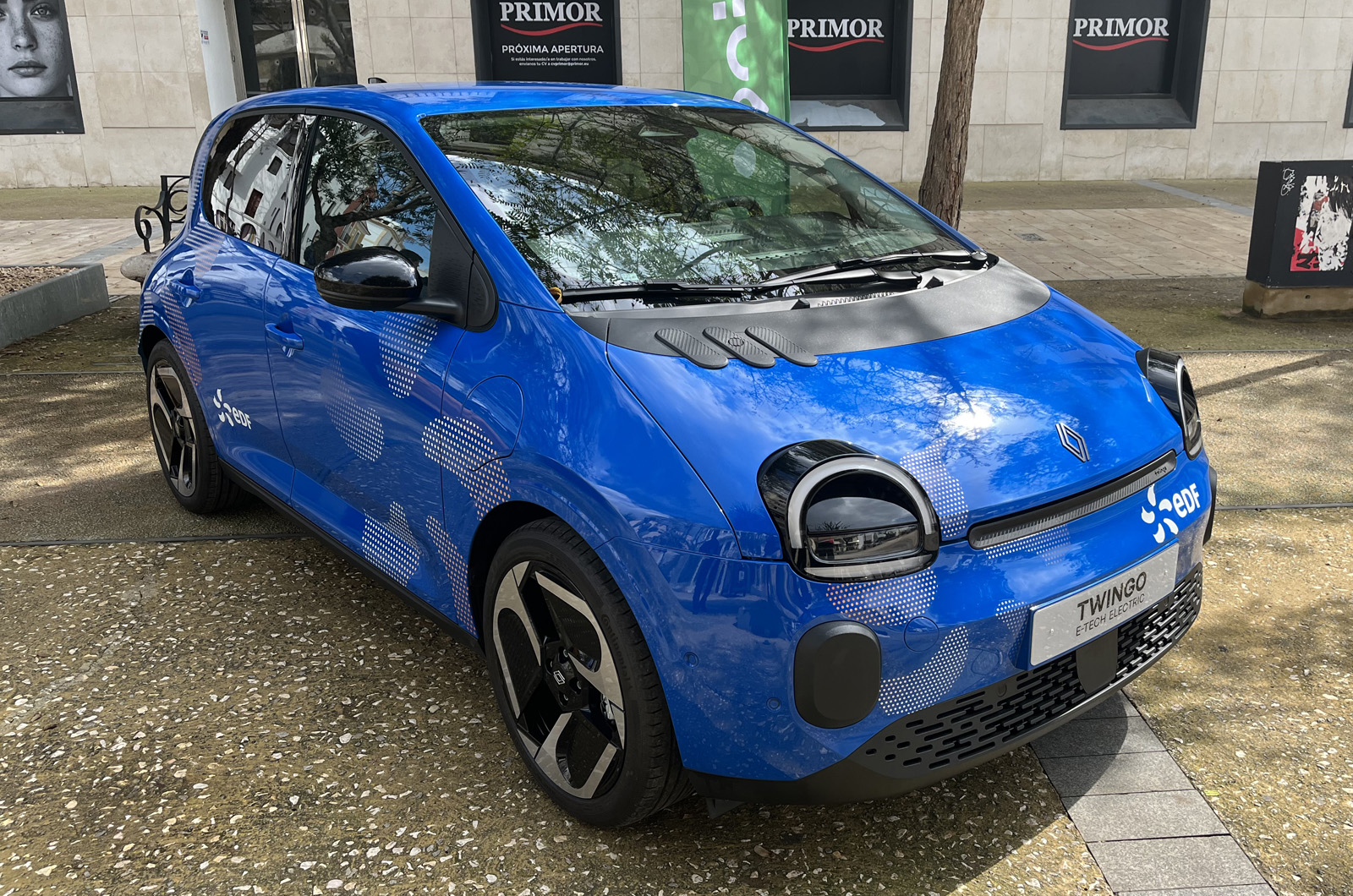
The transformation of the upcoming Renault Twingo into a dedicated light commercial vehicle (LCV) represents a strategic intersection between retro-inspired design and modern urban utility. Developed specifically for the French national energy provider, EDF, this specialized conversion maximizes the interior volume of the compact city car, increasing its cargo capacity to a substantial 797 litres. This modification effectively doubles the utility of the standard electric hatchback, which offers a maximum of 360 litres in its passenger configuration. By removing the rear seating assembly and optimizing the cabin for logistical tasks, Renault has positioned the Twingo as a viable solution for "last-mile" delivery and utility services within dense European urban environments.
The vehicle was unveiled on the sidelines of the Twingo’s official media launch, serving as a functional demonstration of the platform’s versatility. While the standard 2026 Twingo aims to revitalize the affordable electric vehicle segment with a target price below £20,000 and a range of approximately 163 miles, the EDF van variant highlights how manufacturers are seeking to capture fleet contracts by offering tailored, mission-specific modifications.
Technical Specifications and Interior Engineering
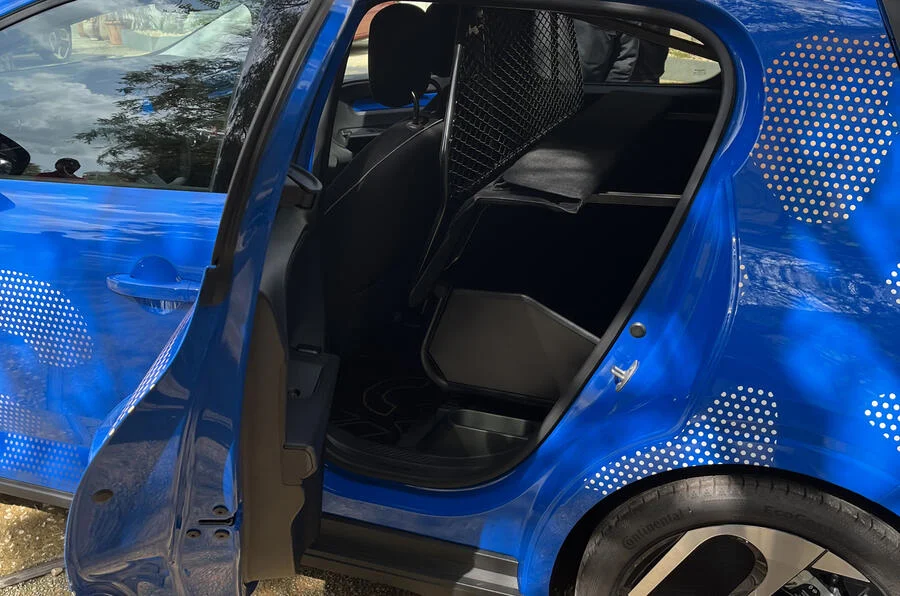
The primary engineering achievement of the Twingo van concept lies in its spatial efficiency. The removal of the rear bench creates a flat loading floor, which is reinforced to handle the rigors of commercial use. To ensure operator safety and cargo security, a robust metal cage has been integrated into the rear compartment. This cage is equipped with specialized covers designed to conceal tools or high-value components from external view, a critical feature for utility workers operating in public spaces.
Separating the driver from the cargo area is a mesh bulkhead. This partition is a standard requirement for many European commercial vehicle certifications, preventing cargo from shifting into the cockpit during sudden braking while maintaining visibility through the rear-view mirror. Despite these heavy-duty additions, Renault has emphasized that the entire conversion package is completely reversible. This design choice is a significant advantage for fleet operators; once the vehicle’s service life with a company like EDF concludes, the van hardware can be removed, the rear seats reinstalled, and the vehicle sold on the secondary market as a standard passenger car. This flexibility helps preserve residual values, which are traditionally lower for specialized commercial vehicles.
From an aesthetic and functional standpoint, the EDF variant is distinguished by a specific corporate livery. The exterior is finished in the energy provider’s signature bold blue paint, complemented by black headlight surrounds that offer a more rugged, utilitarian appearance compared to the chrome or body-colored accents of the standard model. Furthermore, the rear side windows and the hatch glass have been treated with a near-opaque tint, providing an additional layer of security by obscuring the contents of the load bay from passersby.
Historical Context and the Evolution of the City Van
The concept of a "car-derived van" is not a new phenomenon in the European automotive landscape, but it is currently experiencing a significant renaissance driven by electrification. Renault itself has a history of such conversions, most notably with the Mk1 Twingo in the 1990s. The original Twingo’s "monobox" design made it an ideal candidate for a small delivery vehicle, although production numbers for the commercial variant remained low, making surviving examples rare today.
Throughout the late 20th and early 21st centuries, other manufacturers followed similar paths. The Ford Ka was famously adapted for use by British Telecom (BT), featuring a removed rear seat and a simplified interior to accommodate technician toolsets. Similarly, Fiat has offered various "Van" versions of the Panda over several generations, which became staples for postal services and small businesses across Italy and Southern Europe.
However, as consumer preferences shifted toward larger SUVs and dedicated small vans like the Renault Kangoo or Citroën Berlingo, the car-based micro-van segment largely withered. The current shift toward Zero-Emission Zones (ZEZs) and ultra-low emission regulations in cities like Paris, London, and Berlin has necessitated a return to smaller, more efficient footprints. The new Twingo van joins a growing roster of such vehicles, including the commercial variant of the recently revealed Renault 4 crossover and the Citroën ë-C3 commercial. These vehicles provide the benefits of an electric drivetrain—such as lower operating costs and access to restricted city centers—without the bulk or expense of a full-sized electric van.
Timeline of Development and Market Outlook
The development of the new Twingo has moved at an accelerated pace, as Renault seeks to compete with low-cost electric offerings from both domestic rivals and emerging international manufacturers.
- November 2023: Renault reveals the "Twingo Legend" concept, a retro-styled EV inspired by the 1992 original.
- Early 2024: Confirmation of the AmpR Small platform (formerly CMF-BEV) as the architectural basis for the Twingo, sharing components with the Renault 5 to reduce costs.
- Late 2024: The Twingo van concept for EDF is showcased, demonstrating the vehicle’s readiness for fleet partnerships.
- 2026: Scheduled production launch of the Twingo passenger car, with a sub-€20,000 (approx. £17,000) starting price in European markets.
While the EDF Twingo remains a concept for the time being, Renault officials have indicated that its simplicity makes a production version highly feasible. However, the company has clarified that there are currently no plans to bring the commercial variant to the United Kingdom. This decision likely stems from the specific market dynamics of the UK LCV sector, where larger car-derived vans or dedicated small electric vans like the Renault Zoe Van (now discontinued) have historically seen limited volume compared to the French market’s demand for "Société" versions of hatchbacks.
Strategic Implications for Fleet Electrification
The partnership with EDF is a logical step for Renault. As a major energy provider, EDF is under significant pressure to lead by example in the transition to sustainable transport. For a utility company, a fleet of Twingo vans offers several operational advantages:
- Urban Maneuverability: The Twingo’s compact dimensions and tight turning circle are ideal for technicians who need to navigate narrow city streets and find parking in congested areas.
- Total Cost of Ownership (TCO): With a projected range of 163 miles, the Twingo can easily cover the daily mileage of a typical urban service technician. The lower cost of electricity compared to diesel, combined with reduced maintenance requirements for EVs (fewer moving parts, no oil changes), significantly lowers the TCO over a three-to-five-year fleet cycle.
- Brand Alignment: Utilizing a high-visibility, zero-emission vehicle reinforces EDF’s commitment to the energy transition in the eyes of the public.
From a broader industry perspective, the Twingo van signals a move toward "modular" vehicle use. By designing the commercial conversion to be reversible, Renault is addressing one of the primary concerns of fleet managers: the "second life" of the vehicle. A van that can be easily turned back into a desirable city car is far easier to liquidate than a dedicated commercial vehicle with a specialized, permanent interior.
Analysis of the Small LCV Market
The emergence of the Twingo van coincides with a tightening of urban logistics. The "last-mile" delivery sector is currently the fastest-growing segment of the logistics industry, yet it faces the most stringent regulatory hurdles. Small electric vans represent a "Goldilocks" solution—large enough to carry the majority of e-commerce packages or technician tools, but small enough to avoid the parking fines and congestion charges that plague larger transit-style vans.
Furthermore, the price point of the Twingo is a critical factor. Most electric vans currently on the market are significantly more expensive than their internal combustion counterparts. By utilizing a high-volume, low-cost passenger car platform, Renault can offer a commercial solution that is financially accessible to small businesses and large fleets alike.
While the Twingo van’s 797-litre capacity is modest compared to a dedicated van like the Renault Kangoo (which offers upwards of 3,300 litres), it fills a niche for "light-duty" applications where the priority is footprint and efficiency rather than raw volume. For companies that do not need to carry heavy machinery or large pallets, the Twingo provides a more aerodynamic and energy-efficient alternative.
Conclusion
The Renault Twingo van concept for EDF is more than a design exercise; it is a practical response to the changing needs of urban infrastructure. By leveraging the charm and efficiency of the upcoming Twingo EV, Renault has created a tool that addresses the economic and environmental requirements of modern utility providers. As European cities continue to prioritize pedestrianization and air quality, the return of the car-derived micro-van—reimagined for the electric age—appears not only logical but inevitable. While UK consumers may miss out on this specific variant, the technology and philosophy behind its development will undoubtedly influence the next generation of urban commercial transport across the globe.