


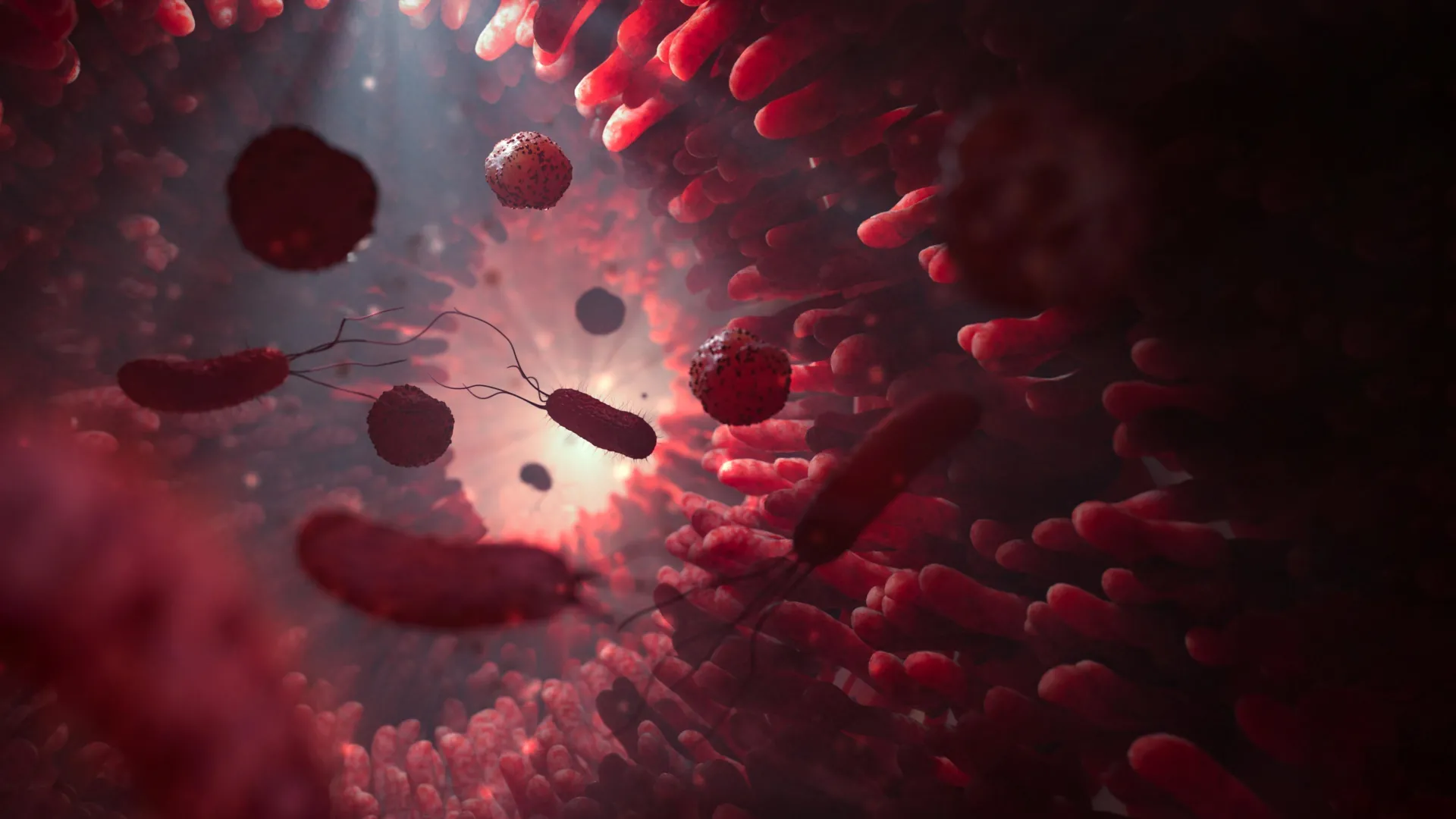
Scientists have unveiled a groundbreaking mechanism by which the trillions of microorganisms residing in the human gut, collectively known as the microbiome, engage in direct communication with our own cells. This sophisticated interaction, previously unrecognized, involves certain gut bacteria actively injecting proteins into human cells, thereby influencing the intricate workings of the immune system. The seminal research, spearheaded by Helmholtz Munich in collaboration with Ludwig Maximilians University (LMU), Aix Marseille University, Inserm, and a consortium of international partners, marks a paradigm shift in our understanding of host-microbe dialogues and offers profound implications for human health, particularly in the context of inflammatory and autoimmune diseases.
For decades, the pervasive link between the gut microbiome and a spectrum of health conditions—ranging from immune deficiencies and metabolic disorders to chronic inflammatory diseases—has been a subject of intense scientific inquiry. However, the precise biological underpinnings of these associations have largely remained elusive, often relegated to the realm of correlation rather than established causation. This new discovery provides a tangible molecular bridge, illuminating the "how" behind these long-observed connections and offering a more mechanistic view of the microbiome’s profound influence on human physiology.
The research team’s primary objective, as articulated by Veronika Young, a lead author of the study alongside Bushra Dohai, was to "better characterize some of the underlying processes of how gut bacteria affect human biology." She further elaborated, "By systematically mapping direct protein-protein interactions between bacterial and human cells, we can now suggest molecular mechanisms behind these associations." This systematic approach has yielded a revelation that fundamentally alters our perception of the gut’s microbial inhabitants.
The Discovery of Bacterial "Syringes" in Commensal Bacteria
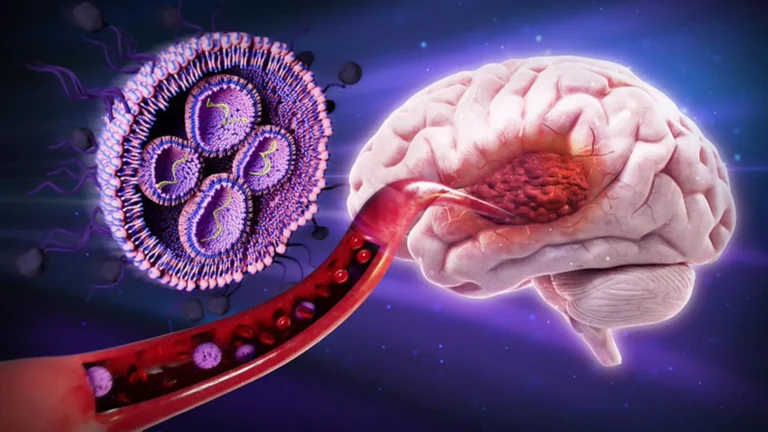
A key finding of the study is the widespread presence of Type III Secretion Systems (T3SS) within many common, non-pathogenic gut bacteria. These intricate molecular machines, often described as microscopic syringes, are specialized structures that enable bacteria to directly inject their own proteins, termed "effector proteins," into the cytoplasm of host cells. Until this research, T3SS were primarily associated with known pathogens, such as Salmonella and Yersinia, where they are employed to subvert host defenses and establish infection. The unexpected identification of these sophisticated injection systems in bacteria considered benign or even beneficial dramatically redefines our understanding of their role.
Professor Pascal Falter-Braun, Director of the Institute for Network Biology at Helmholtz Munich and the study’s corresponding author, emphasized the transformative nature of this finding: "This fundamentally changes our view of commensal bacteria. It shows that these non-pathogenic bacteria are not just passive residents but can actively manipulate human cells by injecting their proteins into our cells." This suggests a far more dynamic and interactive relationship than previously assumed, moving beyond the idea of bacteria as mere bystanders or simple fermenters of dietary components.
Mapping the Molecular Battlefield: Bacterial Proteins and Human Cell Pathways
To unravel the functional consequences of this direct protein injection, the researchers undertook an extensive mapping exercise. They meticulously identified and characterized over a thousand direct protein-protein interactions between bacterial effector proteins and human proteins. This comprehensive network analysis revealed a striking pattern: the majority of these injected bacterial proteins are directed towards cellular pathways intrinsically involved in immune regulation and metabolism. This strategic targeting underscores the bacteria’s capacity to influence fundamental host processes.
Subsequent experimental validation confirmed the functional impact of these bacterial effector proteins. The study demonstrated that these injected molecules can significantly modulate key immune signaling cascades, including the well-established NF-κB pathway and the production of cytokines. Cytokines, a diverse group of signaling proteins, are critical orchestrators of the immune response, acting as messengers that coordinate cellular communication and help to maintain immune homeostasis. They play a crucial role in directing immune cells to sites of infection or inflammation and in preventing overzealous immune reactions that could lead to autoimmune disorders.
A Potential Mechanism for Crohn’s Disease Pathogenesis
The implications of this discovery are particularly significant for understanding inflammatory bowel diseases (IBD), such as Crohn’s disease. Crohn’s disease is characterized by chronic inflammation of the gastrointestinal tract, and its etiology is known to involve a complex interplay between genetic predisposition, environmental factors, and the gut microbiome. One of the prominent therapeutic targets in Crohn’s disease is Tumor Necrosis Factor (TNF), a pro-inflammatory cytokine. Blocking TNF activity is a common and effective treatment strategy for many patients.
The research team’s findings offer a compelling potential explanation for the observed microbiome dysbiosis in individuals with Crohn’s disease. They discovered that genes encoding these bacterial effector proteins, capable of manipulating immune signaling, are disproportionately abundant in the gut microbiomes of patients diagnosed with Crohn’s disease compared to healthy individuals. This genetic enrichment suggests that the direct transfer of bacterial proteins into human intestinal cells might be a contributing factor to the persistent inflammation characteristic of the disease. This provides a concrete molecular mechanism that could explain earlier observational studies linking altered gut bacterial communities to the development and progression of Crohn’s disease.
Rethinking the Microbiome-Immune System Nexus
This research represents a pivotal step in advancing our understanding of the microbiome’s role in health and disease. By identifying this previously uncharacterized layer of direct molecular communication, the study moves the field beyond correlational observations towards a more mechanistic understanding of cause and effect. The discovery of T3SS in commensal bacteria also prompts fascinating evolutionary questions. Did these sophisticated injection systems evolve primarily to facilitate beneficial coexistence between bacteria and their hosts, or were they later co-opted or adapted by pathogenic bacteria for their own purposes? Answering these questions could further illuminate the intricate evolutionary dance between microbes and mammals.
The identification of these bacterial "weapons" within ostensibly benign bacteria necessitates a re-evaluation of how we conceptualize the gut microbiome and its relationship with the human immune system. It suggests that the line between friend and foe in the microbial world may be far more nuanced and dynamic than previously understood, with even beneficial bacteria possessing the capacity for profound cellular manipulation.
Future Directions and Therapeutic Potential
The implications of this research extend far beyond clarifying existing associations. This discovery opens up entirely new avenues for therapeutic development. If specific bacterial effector proteins are found to consistently promote inflammation in diseases like Crohn’s, it might be possible to develop interventions that specifically block the action of these proteins or target the bacteria that produce them. Conversely, understanding how other bacterial effector proteins might modulate immune responses in beneficial ways could lead to novel strategies for immune enhancement or tolerance induction.
Future research will undoubtedly focus on dissecting the intricate details of these interactions. This includes investigating how specific bacterial proteins interact with human cells in different tissue microenvironments, understanding the temporal dynamics of these protein transfers, and exploring the role of these mechanisms in a wider range of diseases. The potential to develop highly targeted therapies, moving away from broad immunosuppression towards precise molecular interventions, represents a significant promise stemming from this fundamental scientific breakthrough.
The research was supported by grants from the German Research Foundation (DFG), the European Research Council (ERC), and the German Center for Infection Research (DZIF), underscoring the significant investment and collaborative effort dedicated to unraveling these complex biological mysteries. The multidisciplinary nature of the study, involving expertise in microbiology, molecular biology, immunology, and bioinformatics, was crucial to its success. The detailed mapping of these protein interactions, made possible by advanced proteomic and bioinformatic techniques, provides a robust foundation for future investigations. The scientific community anticipates that this groundbreaking work will spur further research into the intricate and often surprising ways our microbial partners shape our health.
The study, published in the prestigious journal Nature Microbiology, has already generated considerable excitement within the scientific community. Leading researchers in the field of gut microbiome research have hailed the findings as a "game-changer" and a "paradigm shift." Dr. Anya Sharma, a prominent gastroenterologist not involved in the study, commented, "This research provides a crucial missing piece of the puzzle in understanding inflammatory bowel diseases. The direct injection of bacterial proteins into human cells offers a compelling mechanistic explanation for phenomena we’ve observed for years but couldn’t fully explain. It opens up exciting new possibilities for diagnostic tools and therapeutic strategies."
The timeline of this research can be traced back several years, with initial hypotheses about direct bacterial influence on host cells being gradually refined through extensive experimental work. The systematic mapping of protein-protein interactions represents the culmination of significant computational and laboratory efforts. The identification of T3SS in commensal bacteria likely occurred during extensive genomic and proteomic analyses of diverse gut microbial communities. The subsequent validation of functional consequences in human cell models and patient samples solidified the findings. This iterative process of hypothesis generation, experimentation, and validation is characteristic of cutting-edge scientific discovery.
The broader implications of this research extend beyond IBD. The principles of direct bacterial protein manipulation of host cells could be relevant to a vast array of conditions, including metabolic syndrome, obesity, neurological disorders, and even certain types of cancer, all of which have been linked to alterations in the gut microbiome. The discovery suggests that the gut microbiome may act as a continuous, low-level modulator of human physiology through direct molecular signaling, a concept that could revolutionize how we approach health and disease prevention. The development of probiotics or prebiotics that specifically leverage or inhibit these protein-transfer mechanisms could represent a new frontier in personalized medicine.