


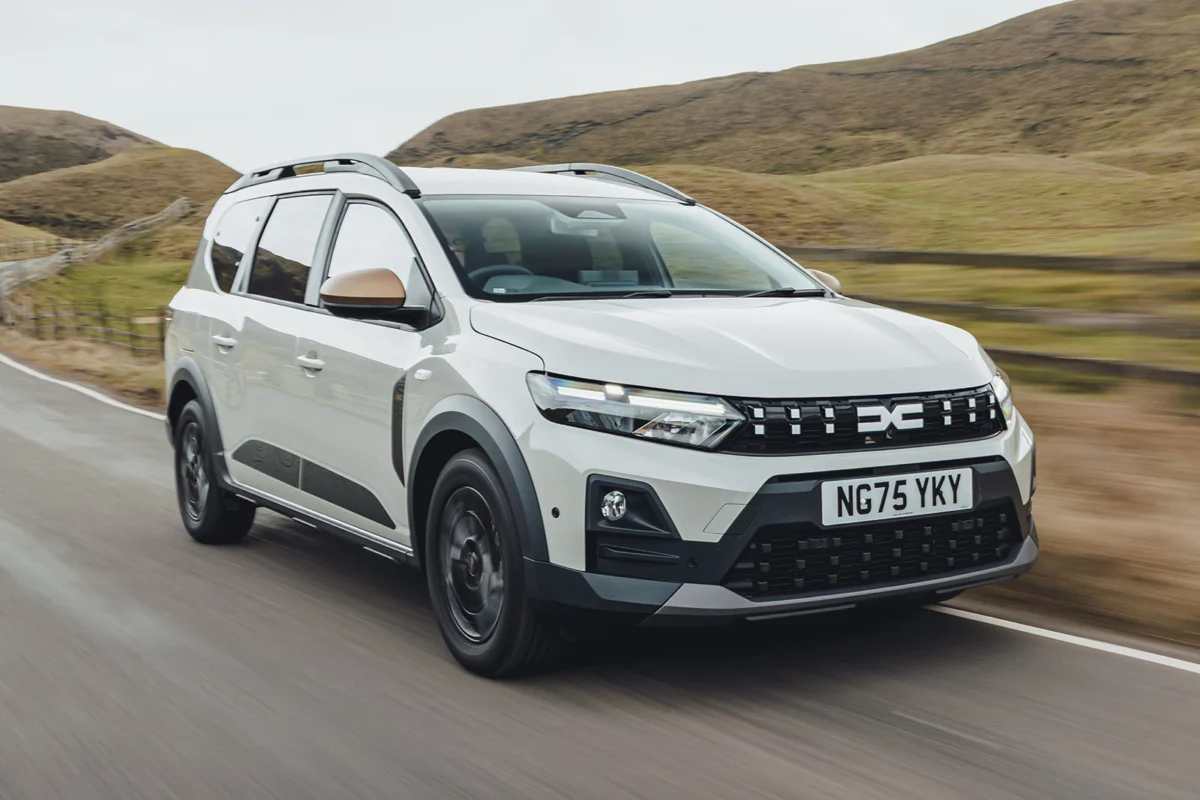
The 2026 Dacia Jogger Hybrid 155 Extreme represents a pivotal moment in the evolution of the Romanian automaker, signaling a shift from purely utilitarian roots toward a more sophisticated, "urbane" aesthetic while attempting to maintain its reputation for value. This latest iteration of the seven-seater crossover-MPV hybrid has undergone a comprehensive interior revamp, aligning its cabin design with the brand’s updated visual identity seen across the Duster and the recently unveiled Bigster. While the Jogger remains one of the most versatile vehicles in the C-segment, the 2026 updates bring significant changes to its material quality, technological integration, and pricing structure, placing it in a new competitive bracket within the European and UK automotive markets.
Interior Refinement and Material Upgrades
The most immediate change in the 2026 Jogger is the cabin’s visual and tactile overhaul. Moving away from the austere, monochromatic interiors of earlier Dacia models, the Hybrid 155 Extreme trim introduces a more diverse palette and improved textures. The cockpit now features a mix of greens and golds, complemented by contrast stitching that provides a more premium feel than its predecessor. A key highlight of this refresh is the introduction of updated seat fabrics. Dacia has moved toward materials that are not only more aesthetically pleasing but are specifically engineered to be harder-wearing, catering to the vehicle’s primary demographic of active families and outdoor enthusiasts.
The ergonomics of the driver’s environment have been modernized with a redesigned steering wheel and updated air vents, which echo the rugged, "outdoor" design language Dacia has adopted in recent years. Furthermore, the brand’s proprietary "YouClip" mounting system has become a standard feature in the 2026 model. This modular system allows owners to attach various accessories—such as smartphone holders, tablet mounts, or additional storage hooks—to several dedicated points throughout the cabin, enhancing the vehicle’s practical utility.
However, the transition toward a more "urbane" interior is not without its compromises. Despite the aesthetic improvements, the 2026 Jogger still retains a "built to a cost" philosophy in several areas. Industry analysts note that while the top-level dashboard surfaces look better, the lower panels and door cards still rely heavily on hard plastics. In the 2026 model, these plastics lack the sophisticated texturing found in some of Dacia’s other updated models, and some testers have noted a lack of sturdiness in certain interior panels. This observation becomes more critical as the Jogger’s price point moves upward; while such cost-cutting measures were overlooked when the vehicle started below £20,000, they face greater scrutiny now that the Hybrid 155 Extreme exceeds the £25,000 mark.
Evolution of the Jogger: A Chronology
The Dacia Jogger’s journey from a budget-friendly experiment to a sophisticated hybrid family car has been rapid. To understand the 2026 model’s significance, it is essential to view it through the lens of the brand’s recent history:
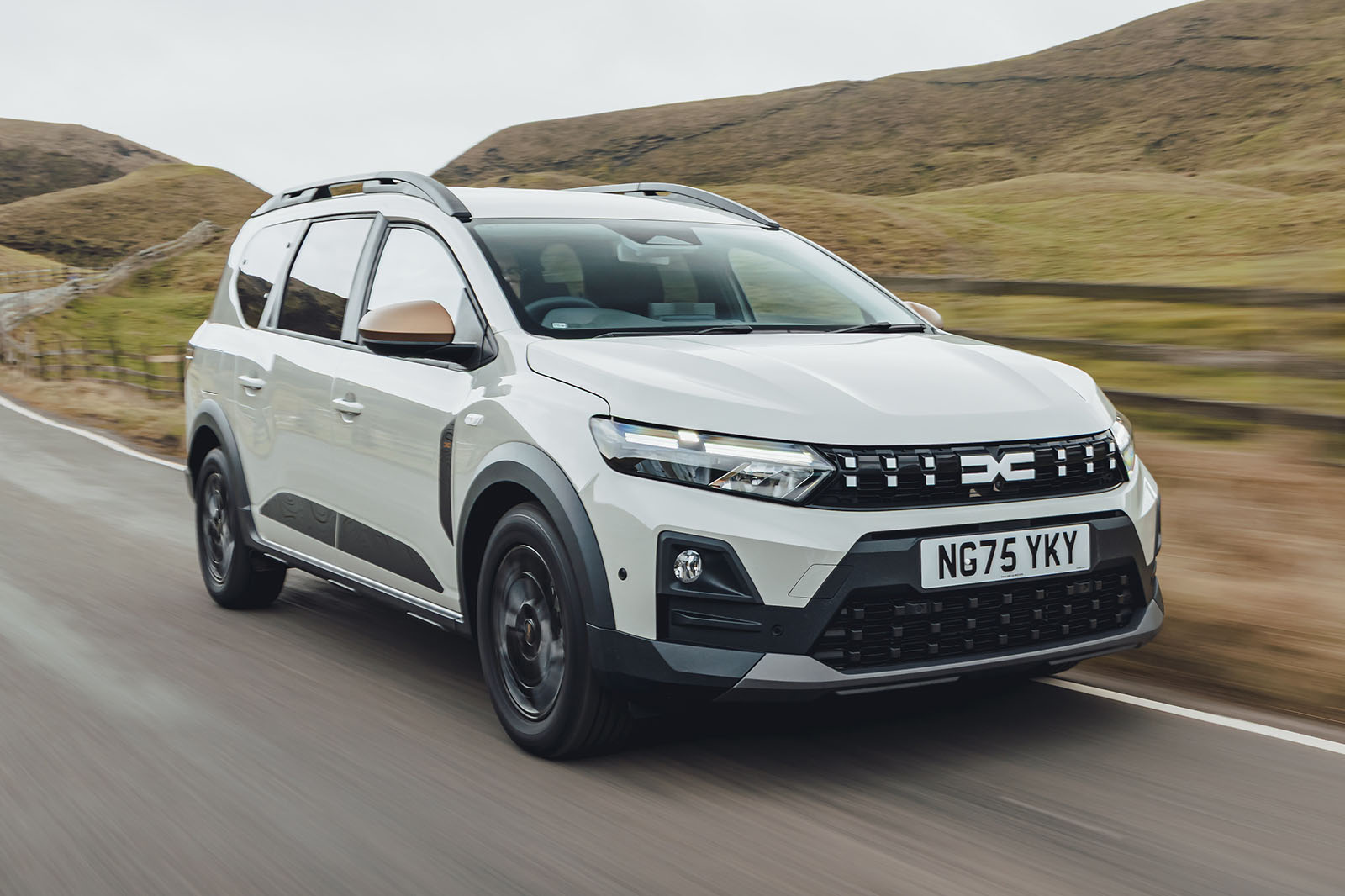
- 2021: The Dacia Jogger is launched as a replacement for both the Logan MCV and the Lodgy, combining the length of an estate, the roominess of an MPV, and the styling of an SUV.
- 2023: Dacia introduces its first-ever hybrid powertrain, the Hybrid 140, utilizing Renault’s E-Tech technology. This marked the brand’s first step toward electrification.
- 2024: The Jogger receives essential safety updates to comply with the European Union’s General Safety Regulation 2 (GSR2). This included the addition of advanced driver assistance systems (ADAS) such as lane-keep assist and traffic sign recognition.
- 2025: The brand announces the "Bigster," a larger C-SUV that influences the interior design language for the rest of the lineup.
- 2026: The Jogger Hybrid 155 Extreme is released, featuring a more powerful hybrid motor, a fully digitalized cockpit, and the refreshed interior materials described in current reviews.
Space, Versatility, and Ergonomics
The 2026 Jogger continues to utilize the CMF-B platform, which also underpins the Sandero and the Renault Clio. Despite its compact-car foundations, the Jogger’s clever packaging remains its strongest selling point. The vehicle measures 4.55 meters in length, yet it manages to offer three rows of seating.
In terms of seating comfort, the 2026 model presents a mixed experience. The front seats have been updated to provide better support for long-distance driving, though they are still considered "just" adequate for extended trips. The second row remains a point of contention for some; the seats are notably flat, which can lead to fatigue on longer journeys. However, the dimensions remain competitive. The second-row legroom is measured at 680mm, which remarkably puts it on par with the larger Dacia Bigster and surpasses rivals such as the Citroën C3 Aircross.
The third row of the Jogger remains one of the most usable in the segment. Unlike many seven-seater SUVs where the rear-most seats are reserved for children, the Jogger can accommodate adults for shorter trips, offering better headroom and legroom than many more expensive competitors. The versatility is further enhanced by the fact that both the second and third rows are removable or can be tumbled forward. This allows the cargo area to expand from a modest 160 liters (with all seats up) to a cavernous space that rivals dedicated panel vans.
Digital Integration and Multimedia
For 2026, Dacia has significantly upgraded the Jogger’s technological suite. The previous era of analogue dials and small, basic touchscreens has been replaced in the higher trim levels. The Hybrid 155 Extreme now features:
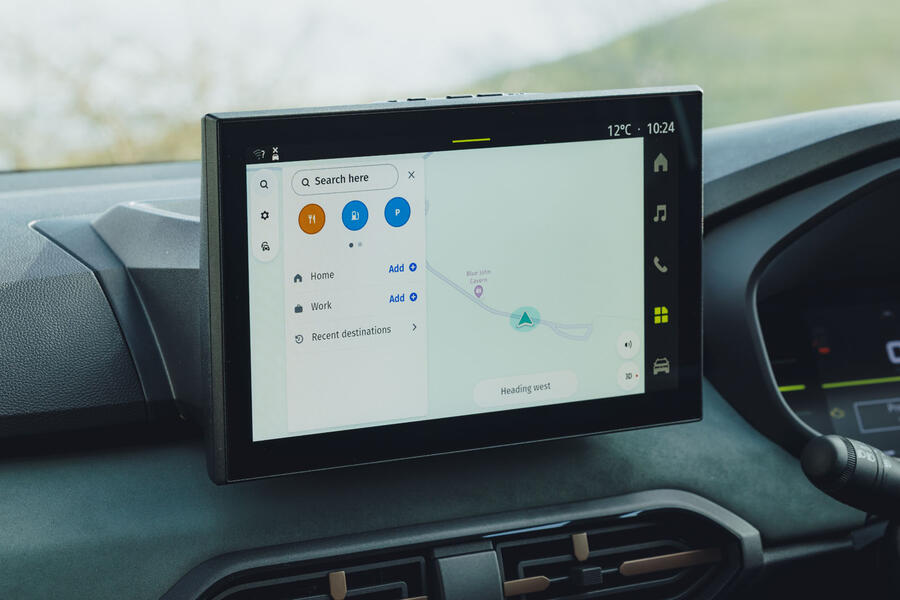
- 10-inch Central Touchscreen: This unit serves as the hub for infotainment. While the native navigation system is basic and the interface can occasionally suffer from latency, it supports wireless Apple CarPlay and Android Auto.
- 7-inch Digital Instrument Binnacle: For the first time, the Jogger moves away from physical needles, offering a customizable digital display that provides hybrid energy flow data and traditional driving metrics.
- Connectivity: The Extreme trim includes three USB-C ports—two in the front and one for the second row. Notably, the third row still lacks dedicated charging points, a minor drawback for a vehicle designed for large families.
The software philosophy remains "essential." Dacia has intentionally avoided overly complex menu structures, opting for large, easy-to-press icons. This approach aligns with the brand’s goal of providing "everything you need and nothing you don’t," though users accustomed to the high-speed processors of premium brands may find the system’s response times somewhat lagging.
Market Positioning and Financial Implications
The 2026 Dacia Jogger Hybrid 155 Extreme finds itself in a challenging market position. When the Jogger first debuted, its primary appeal was an unbeatable price-to-space ratio, with entry-level models starting well under £20,000. The 2026 Hybrid 155, with its advanced powertrain and upgraded interior, now carries a price tag exceeding £25,000.
This price increase reflects several factors:
- Powertrain Costs: The Hybrid 155 system is a sophisticated piece of engineering, utilizing a 1.6-liter petrol engine combined with two electric motors and a complex clutchless multi-mode gearbox.
- Regulatory Compliance: The inclusion of mandatory safety tech (GSR2) has added manufacturing costs across the entire Dacia range.
- Inflation and Supply Chain: Like all manufacturers, Dacia has faced rising costs for raw materials and logistics over the 2021–2026 period.
At £25,000, the Jogger is no longer just competing with used cars or budget hatchbacks. It is now entering the territory of the MG5 EV, lower-spec versions of the Nissan Qashqai, and various Stellantis MPVs (such as the Citroën Berlingo). However, Dacia’s advantage remains its weight and efficiency; the Jogger is significantly lighter than most seven-seater SUVs, allowing the Hybrid 155 system to deliver impressive fuel economy and lower CO2 emissions, which remains a key draw for both private buyers and fleet operators.
Broader Impact and Industry Analysis
The evolution of the Jogger is indicative of Dacia’s broader "Renaulution" strategy. Under the leadership of the Renault Group, Dacia is transitioning from being a "low-cost" brand to a "value-for-money" brand. This shift involves improving design and technology to attract "middle-class" buyers who are being priced out of the traditional premium and mainstream markets.
Industry analysts suggest that the Jogger’s success in 2026 will depend on whether consumers perceive the interior and mechanical upgrades as sufficient justification for the higher price. "Dacia is walking a tightrope," says one automotive market analyst. "They need to add the tech that modern buyers demand, like digital screens and hybrid engines, but they risk losing the ‘budget’ identity that made them famous. The Jogger 155 Extreme is the ultimate test of how much a customer is willing to pay for a Dacia."
Furthermore, the Jogger plays a crucial role in Dacia’s environmental targets. As European emissions regulations tighten, the Hybrid 155 powertrain helps lower the brand’s fleet-wide CO2 average, allowing Dacia to continue selling internal combustion engine (ICE) vehicles in other segments.
Conclusion
The 2026 Dacia Jogger Hybrid 155 Extreme is a more mature, capable, and attractive vehicle than the original 2021 model. Its revamped interior and upgraded technology make it a more viable contender for families who want modern amenities without the premium price tag of a BMW X7 or a Land Rover Discovery. While the "built to a cost" elements persist and the price hike is noticeable, the Jogger remains a unique proposition in the automotive landscape—offering genuine seven-seat practicality and hybrid efficiency in a package that, even at £25,000, has few direct rivals. As the market moves toward 2030, the Jogger stands as a testament to Dacia’s ability to adapt, proving that utility and economy can be packaged with a surprising amount of modern flair.