


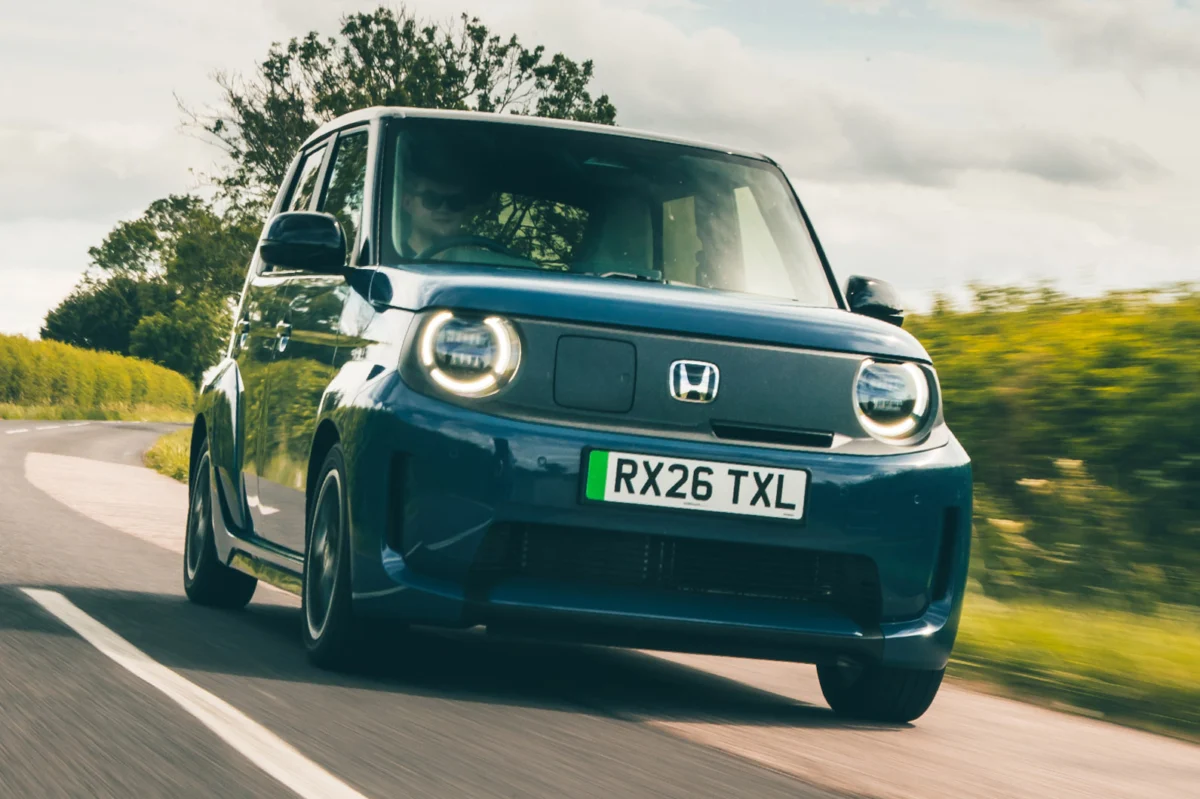
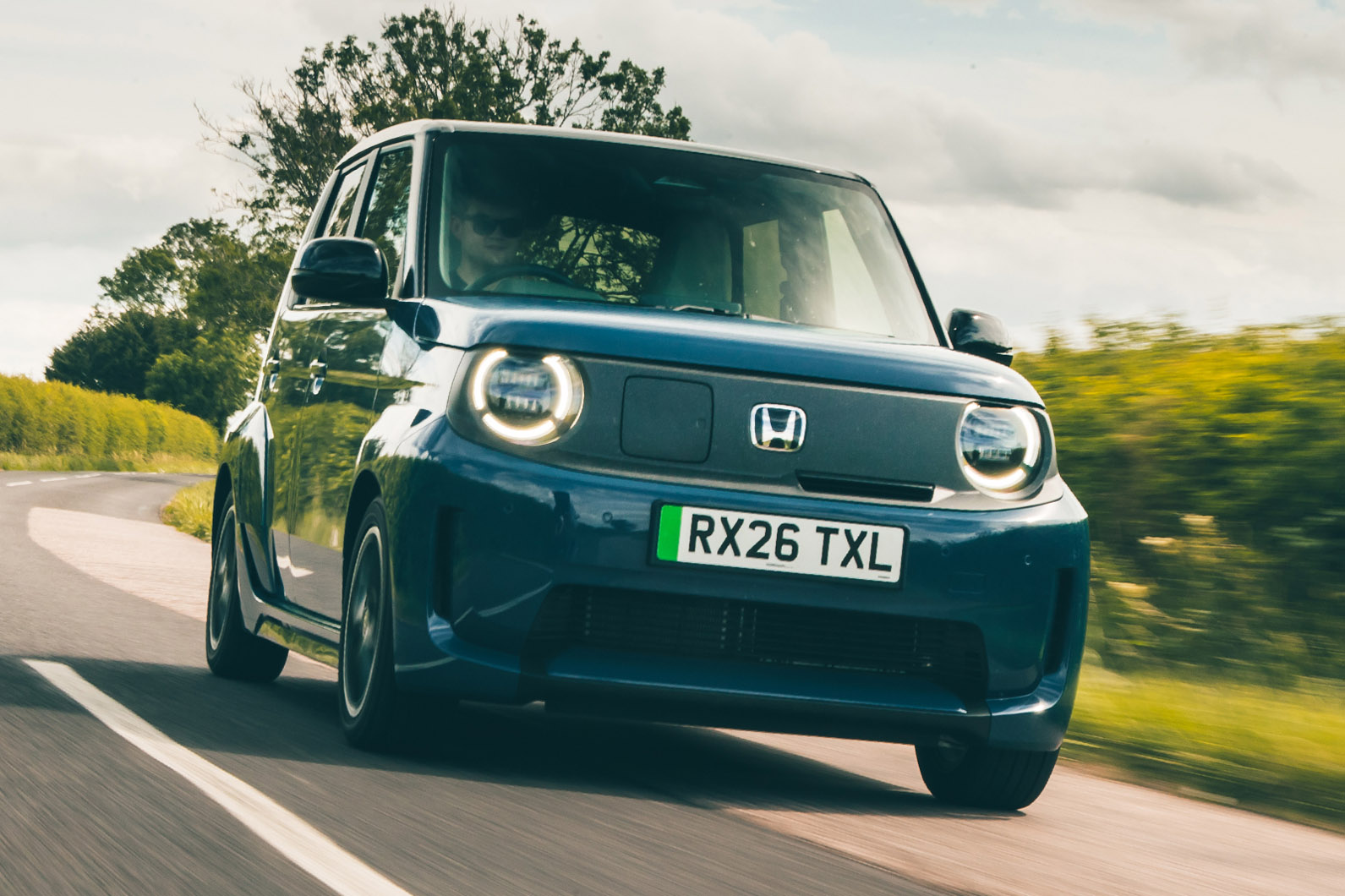
The Honda Super-N represents a significant evolution in the Japanese "Kei" car category, demonstrating how electric vehicle (EV) architecture can be leveraged to maximize interior volume within strictly regulated dimensions. As the automotive industry shifts toward electrification, Honda’s latest entry into the small-car market emphasizes a dual-purpose philosophy: maintaining the utility of a traditional micro-van while introducing the ergonomic refinements and aesthetic cues of a performance-oriented hatchback. By integrating its proprietary "Magic Seat" technology into an electrified platform, Honda has created a vehicle that challenges traditional expectations regarding the spatial limitations of the sub-compact segment.
The Engineering Philosophy of the Super-N Interior
Kei cars, a uniquely Japanese classification of small vehicles, are governed by strict physical constraints, including a maximum length of 3.4 meters and a width of 1.48 meters. Within these parameters, the Super-N achieves a sense of spaciousness that belies its exterior dimensions. The design utilizes a substantial glasshouse—large windows and a high roofline—to mitigate the potential for claustrophobia in the narrow cabin. This architectural choice is complemented by a high and upright seating position, which optimizes the vertical space available to passengers.
This verticality allows for a seating arrangement that yields a surprising amount of rear legroom. Comparative data suggests that the rear passenger space in the Super-N is nearly equivalent to that of the BMW iX3, a much larger premium electric SUV. While the high floor—necessitated by the placement of the battery pack beneath the chassis—results in somewhat limited headroom for taller occupants, the overall packaging remains an engineering feat. The ability to offer executive-level legroom in a vehicle designed for congested urban environments highlights the efficiency of Honda’s dedicated EV platform.
Versatility Through Honda Magic Seats
Central to the utility of the Super-N is the inclusion of Honda’s signature "Magic Seats," a feature popularized by the Honda Jazz (Fit) and the HR-V. Unlike competitors such as the Renault Twingo or the Hyundai Inster, which utilize sliding rear benches to balance cargo and passenger space, the Super-N employs a flip-up base mechanism. This allows the rear seat cushions to be locked in a vertical position, creating a tall, full-width pass-through space behind the front seats. This configuration is specifically designed to accommodate tall items, such as a bicycle or large houseplants, which would typically require a much larger vehicle.
Furthermore, the rear backrests are engineered to fold down into a completely horizontal position. This transformation converts the passenger vehicle into a functional micro-van, providing a flat loading floor that maximizes the car’s utility for small business owners or recreational users. When the seats are in their standard upright position, the boot capacity is measured at 162 liters. While this figure is modest by global standards, it remains competitive within the Kei segment and is sufficient for daily urban errands and grocery transport.
Cabin Materials and Ergonomic Design
The Super-N’s interior reflects its positioning as an accessible, cost-effective vehicle, yet it avoids the austerity often associated with the entry-level market. While the dashboard and door panels consist primarily of hard plastic surfaces, Honda has implemented several design interventions to enhance the tactile experience. The steering wheel, for instance, is finished in a high-quality imitation leather that provides a firm and premium feel.
The most notable departure from the standard N-One base model is the inclusion of bespoke sports bucket seats. These seats feature aggressive bolstering designed to provide lateral support during spirited driving, yet they utilize soft padding to ensure long-distance comfort. The seat geometry is specifically tailored to support the thighs, addressing a common complaint in small vehicles where seat bases are often too short. The aesthetic of the cabin is further elevated by a tri-color scheme, combining white faux leather, black microsuede, and blue fabric. This palette is intended to evoke a "racy" atmosphere, distinguishing the Super-N from more utilitarian micro-cars.
Storage solutions within the cabin follow a "funky" three-tier dashboard design. The middle tier functions as an open shelf for small items, complemented by a driver-side cupholder and a substantial glovebox. Additional storage is located on the floor between the front seats. However, analysts note that the reliance on hard plastic without rubberized inserts or dividers can lead to items sliding during cornering, a minor ergonomic oversight in an otherwise thoughtful layout.
Physical Controls and Digital Infrastructure
In a period where many manufacturers are migrating all vehicle functions to touchscreens, the Super-N retains chunky physical switchgear for primary controls. This includes dedicated buttons and dials for the climate control system, heated seats, steering wheel heating, media volume, and drive mode selection. This tactile approach is widely praised for reducing driver distraction and improving ease of use while in motion.
The digital interface of the Super-N is minimalist, reflecting the vehicle’s "back-to-basics" ethos. A 7-inch digital driver display provides essential telemetry with clean, calm graphics. While the system offers multiple layouts, the interface for switching between them has been described as somewhat cumbersome. The central infotainment screen utilizes Honda’s standard software, which, while functional, lacks built-in navigation.
To compensate for the lack of native software depth, the Super-N supports wireless phone mirroring for both Apple CarPlay and Android Auto. This allows users to rely on mobile devices for navigation and media. However, the absence of integrated EV-specific software is a notable omission. The current system does not offer built-in EV route planning, nor does it allow users to set specific charging limits or schedule charging sessions through the on-board interface—features that are increasingly becoming standard in the global EV market.
Chronology of Honda’s N-Series Development
The Super-N is the latest chapter in a long history of Honda’s "N" (Norimono, or "vehicle") series.
- 1967: Honda launches the N360, its first mass-produced Kei car, which set the template for front-wheel-drive efficiency.
- 2011: The modern N-Box is introduced, eventually becoming the best-selling car in Japan for multiple consecutive years.
- 2020: Honda refreshes the N-One, emphasizing a retro-modern aesthetic that heavily influences the Super-N.
- 2023-2024: Honda announces its aggressive electrification strategy for the Kei segment, leading to the development of the N-Van e: and the Super-N concept.
This timeline illustrates Honda’s commitment to the small-car format as a pillar of its domestic market strategy, even as it transitions away from internal combustion engines.
Market Context and Broader Implications
The introduction of the Super-N comes at a critical time for the Japanese automotive industry. While Japan has been slower to adopt large-scale battery electric vehicles compared to China or Europe, the Kei car segment is seen as the ideal entry point for electrification. These vehicles are primarily used for short-range urban commuting, where the limitations of smaller batteries—typically ranging from 20kWh to 30kWh—are less of a hindrance.
The Super-N competes in a growing field that includes the Nissan Sakura and the Mitsubishi eK X EV, both of which have seen strong sales in Japan. By focusing on "Magic Seats" and a sporty interior, Honda is attempting to differentiate itself through versatility and emotional appeal.
From a broader perspective, the Super-N serves as a laboratory for Honda’s global EV efforts. The packaging efficiency seen in the Super-N is expected to inform the design of future electric models intended for European and Asian markets, where urban density requires compact yet capable vehicles. Furthermore, the Super-N’s reliance on physical controls and smartphone integration highlights a potential trend toward "de-complexifying" vehicle interiors to keep costs down while maintaining user-friendly functionality.
Conclusion and Official Outlook
While Honda has not yet released full global pricing for the Super-N, it is positioned as a cornerstone of the company’s goal to achieve 100% EV and FCEV sales by 2040. The vehicle addresses the core needs of the modern urbanite: it is small enough to navigate narrow streets, versatile enough to carry significant cargo, and modern enough to provide seamless smartphone connectivity.
Industry analysts suggest that the success of the Super-N will depend on Honda’s ability to address the software gaps, particularly regarding charging management. However, as a hardware package, the Super-N stands as a testament to Honda’s ability to innovate within constraints. By blending the DNA of a performance hatch with the practicality of a van, the Super-N redefines what is possible for the next generation of electric micro-mobility.