


Alzheimer’s disease, a relentless neurodegenerative disorder, currently affects an estimated 7.2 million Americans aged 65 and older, according to the Alzheimer’s Association. For decades, the diagnostic landscape has relied on identifying the presence and quantity of specific biomarkers, primarily amyloid-beta (Aβ) plaques and phosphorylated tau (p-tau) tangles, in biological fluids like blood and cerebrospinal fluid. While these established markers have been instrumental in clinical practice, a growing body of scientific evidence suggests they may not fully capture the earliest and most subtle biological alterations that herald the onset of this devastating condition.
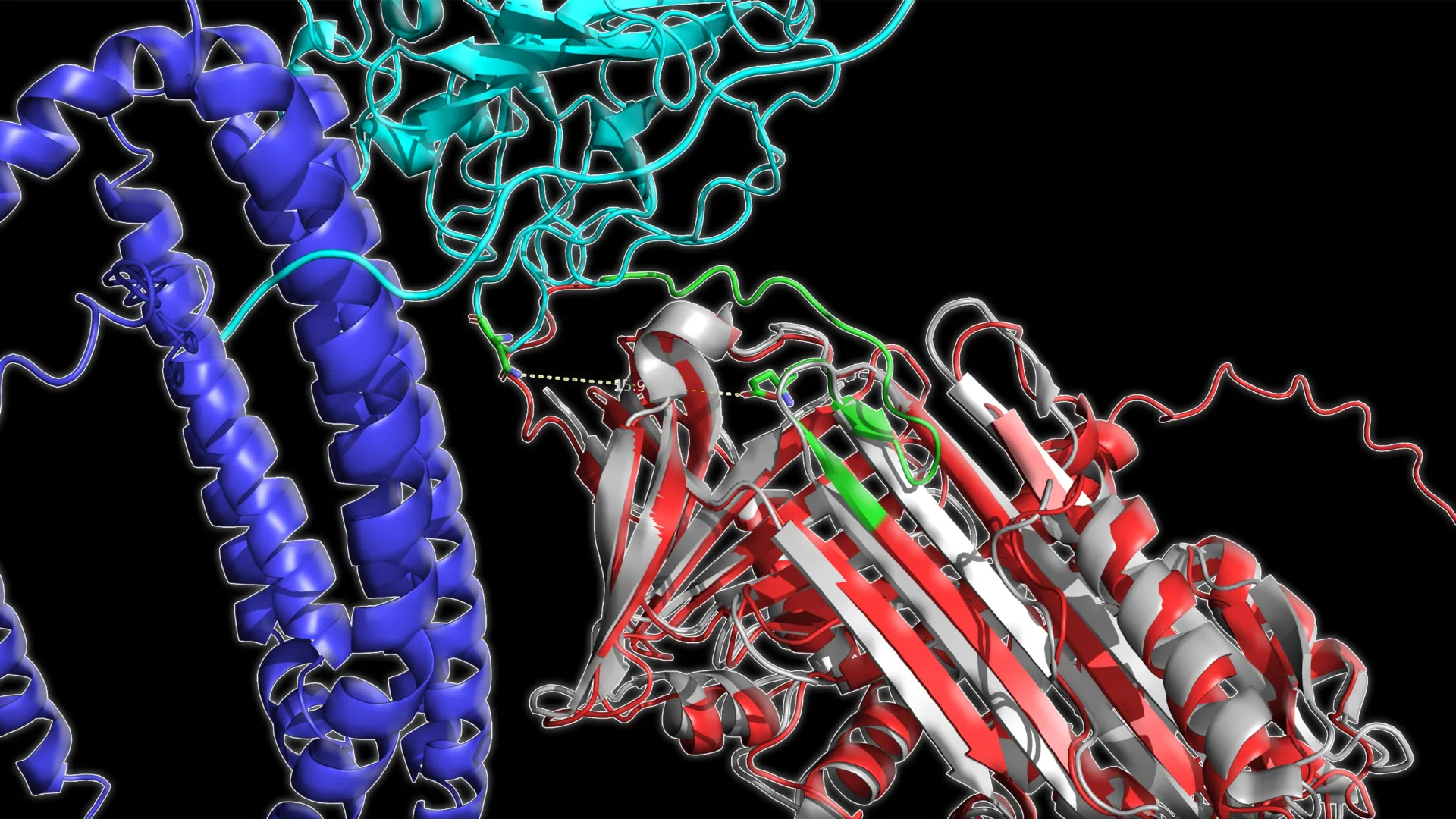
However, a groundbreaking advancement from researchers at Scripps Research has introduced a paradigm shift in Alzheimer’s diagnostics. Published in the esteemed journal Nature Aging on February 27, 2026, their innovative blood test moves beyond merely quantifying protein levels. Instead, it meticulously examines the intricate three-dimensional structures of proteins circulating in the bloodstream. This novel approach has demonstrated a remarkable ability to detect subtle yet significant structural differences in three key plasma proteins, establishing a strong correlation with an individual’s Alzheimer’s status. The findings reveal that these structural anomalies allow scientists to accurately differentiate between cognitively healthy individuals, those experiencing mild cognitive impairment (MCI), and patients formally diagnosed with Alzheimer’s disease. This breakthrough holds immense promise for enabling earlier diagnosis and, consequently, initiating timely therapeutic interventions, potentially altering the trajectory of the disease.
The Elusive Early Signals of Alzheimer’s: Beyond Protein Quantity
The traditional diagnostic approach to Alzheimer’s disease has been deeply rooted in the accumulation of amyloid plaques and tau tangles within the brain. These protein aggregates are considered hallmarks of the disease, and their presence, particularly in advanced stages, is well-documented. However, the scientific community has increasingly recognized that Alzheimer’s disease is likely a more complex condition, involving a systemic breakdown in proteostasis – the intricate cellular machinery responsible for ensuring proteins fold correctly and for clearing out damaged or misfolded proteins.
As individuals age, the efficiency of this proteostasis system naturally declines. This age-related decline makes proteins more susceptible to misfolding during their synthesis or maintenance processes. The Scripps Research team posited that if proteostasis is compromised in the brain, leading to misfolded proteins, similar structural aberrations might manifest in proteins circulating in the bloodstream, acting as sentinels of underlying disease processes. This hypothesis formed the cornerstone of their investigation into protein structure as a diagnostic tool.
Unveiling Structural Signatures in Blood Proteins
To rigorously test their hypothesis, the research team embarked on a comprehensive analysis of plasma samples drawn from a cohort of 520 participants. This diverse group was carefully stratified into three distinct categories: cognitively normal adults, individuals diagnosed with mild cognitive impairment (MCI), a stage often preceding Alzheimer’s, and patients with a confirmed diagnosis of Alzheimer’s disease.
The researchers employed sophisticated mass spectrometry techniques to meticulously probe the structural integrity of various proteins within the plasma. This analytical method allowed them to determine the accessibility of specific amino acid residues within the protein’s tertiary structure, effectively revealing whether certain regions were exposed or buried – key indicators of structural alterations. Following this detailed structural profiling, advanced machine learning algorithms were deployed to identify discernible patterns and correlations between these structural changes and the participants’ disease stages.
The results of this intensive analysis yielded a striking and consistent pattern. As Alzheimer’s disease progressed through its various stages, a discernible trend emerged: certain plasma proteins exhibited a reduction in their structural "openness." These observed structural modifications proved to be significantly more informative in pinpointing the stage of the disease than traditional methods that simply measure the concentration of proteins. This finding underscores the critical importance of protein conformation, not just abundance, in understanding disease pathology.
Identifying the Trifecta: Three Proteins Linked to Alzheimer’s Progression
Among the myriad of proteins subjected to analysis, three emerged with the most profound and consistent association with Alzheimer’s disease status. These pivotal proteins were:
- C1QA (Complement Component 1q Subcomponent A): This protein plays a crucial role in the innate immune system, particularly in initiating the complement cascade, which is involved in inflammatory responses and the clearance of cellular debris. Dysregulation of immune signaling is increasingly implicated in neurodegenerative diseases.
- Clusterin: This chaperone protein is known to be involved in a variety of cellular processes, including protein folding, DNA repair, and the clearance of misfolded proteins, including amyloid-beta. Its role in managing protein aggregates makes it a key player in the context of Alzheimer’s pathology.
- Apolipoprotein B (ApoB): A primary component of low-density lipoproteins (LDL), ApoB is essential for transporting cholesterol and other fats throughout the bloodstream. It also plays a role in maintaining the health of blood vessels. Emerging research suggests a link between vascular health and Alzheimer’s disease, making ApoB a potentially relevant biomarker.
The remarkable degree of correlation observed was a source of considerable surprise and excitement for the research team. "The correlation was amazing," stated co-author Casimir Bamberger, a senior scientist at Scripps Research. "It was very surprising to find three lysine sites on three different proteins that correlate so highly with disease state." Lysine sites are specific locations within a protein where chemical modifications can occur, influencing its structure and function. The fact that alterations at these specific sites across three distinct proteins so strongly mirrored disease progression was a significant discovery.
The predictive power of this three-protein structural signature was substantial. Researchers were able to classify participants into cognitively normal, MCI, or Alzheimer’s disease categories with an overall accuracy of approximately 83%. The precision of this classification further intensified when comparing just two groups; for instance, differentiating between healthy individuals and those with MCI yielded an accuracy exceeding 93%. This level of accuracy suggests a robust and reliable predictive capability for the test.
A Longitudinal Perspective: Tracking Alzheimer’s Trajectory
The reliability of the developed three-protein model was put to the test through rigorous validation processes. The model demonstrated consistent performance when applied to independent cohorts of participants, further solidifying its generalizability. Crucially, the structural profiling remained accurate even when analyzing blood samples collected from the same individuals months apart, indicating its stability and ability to track disease progression over time.
In longitudinal analyses, where blood samples were collected at different time points, the panel continued to identify disease status with an impressive accuracy of about 86%. Furthermore, the structural score showed a marked ability to reflect changes in diagnosis over time, suggesting it can capture the dynamic nature of Alzheimer’s progression. The research also revealed a strong relationship between the structural score and cognitive test results, a more moderate association with MRI measurements of brain shrinkage, providing further biological validation for the findings.
These compelling findings strongly suggest that analyzing protein structure in blood could serve as a powerful complement to existing amyloid and tau-based diagnostic methods. By focusing on structural changes intrinsically linked to the fundamental biological mechanisms of Alzheimer’s disease, this novel approach has the potential to significantly enhance the ability of researchers and clinicians to identify disease stages with greater precision, monitor the progression of the condition, and objectively evaluate the efficacy of therapeutic interventions.
The Promise of Early Intervention and Future Horizons
The critical importance of early detection in the fight against Alzheimer’s disease cannot be overstated. "Detecting markers of Alzheimer’s early is absolutely critical to developing effective therapeutics," emphasized senior author John Yates, a professor at Scripps Research. "If treatment can start before significant damage has been done, it may be possible to better preserve long-term memory." This sentiment highlights the profound implications of the research for patient outcomes. By identifying individuals at the earliest stages of the disease, when interventions are most likely to be effective, the potential exists to significantly slow or even halt cognitive decline, thereby preserving quality of life for millions.
While the results are highly encouraging, the path to widespread clinical adoption requires further rigorous investigation. Larger-scale clinical trials with extended follow-up periods are essential to confirm these findings in diverse populations and to further refine the diagnostic algorithm. Beyond Alzheimer’s, the Scripps Research team is actively exploring the applicability of this structural profiling methodology to other complex diseases, including Parkinson’s disease and various forms of cancer. The potential for this technology to revolutionize the early detection and monitoring of a wide range of debilitating conditions is immense.
The study, titled "Structural signature of plasma proteins classifies the status of Alzheimer’s disease," was authored by a collaborative team of researchers from Scripps Research, including Ahrum Son, Hyunsoo Kim, and Jolene K. Diedrich. They were joined by Heather M. Wilkins, Jeffrey M. Burns, Jill K. Morris, and Russell H. Swerdlow from the University of Kansas Medical Center, and Robert A. Rissman from the University of California San Diego.
This groundbreaking research was generously supported by grants from the National Institutes of Health, including RF1AG061846-01, 5R01AG075862, P30AG066530, and P30AG072973. The findings represent a significant leap forward in our understanding and potential management of Alzheimer’s disease, offering a beacon of hope for earlier diagnosis and more effective treatment strategies.