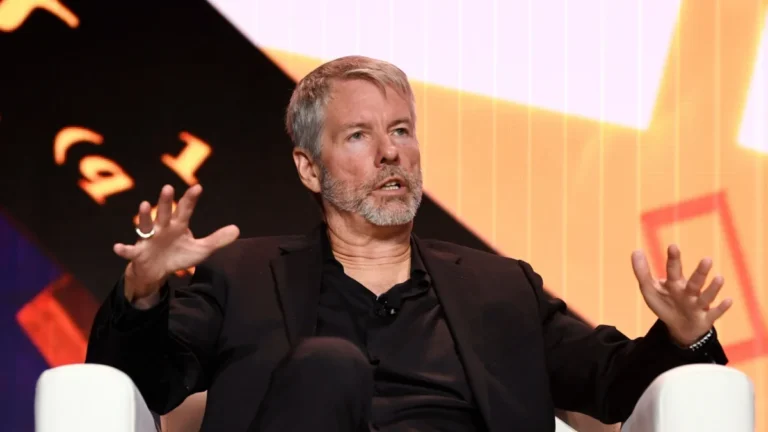




The decentralized finance landscape underwent a significant shift in perspective on March 13, 2026, as BitMEX co-founder and Maelstrom Chief Investment Officer Arthur Hayes provided a detailed valuation thesis for Hyperliquid and its native token, HYPE. During an appearance on CoinDesk’s Markets Outlook with Jennifer Sanasie, Hayes articulated a bullish trajectory for the platform, suggesting that the convergence of robust revenue streams, genuine trading volume, and a controlled token supply could propel HYPE to a valuation of $150. This projection comes at a time when the broader cryptocurrency market is grappling with heightened geopolitical volatility and a transition away from incentive-heavy growth models toward sustainable, fee-generating ecosystems.
The Core Thesis: Organic Growth vs. Incentivized Volume
Arthur Hayes’ primary argument for Hyperliquid’s potential ascent centers on the quality of its market activity. Historically, decentralized exchanges (DEXs) have frequently relied on "vampire attacks" or aggressive liquidity mining programs to attract users. These methods often result in "wash trading," where volume is artificially inflated by users seeking token rewards rather than genuine price discovery or risk management.
Hayes noted that Hyperliquid has successfully navigated away from this pitfall. According to his analysis, the platform’s trading metrics represent a departure from the industry norm, characterized by what he terms "real usage." This organic activity is driven by the platform’s ability to offer a seamless user experience that rivals centralized exchanges (CEXs) while maintaining the self-custodial benefits of DeFi. Hayes pointed out that Hyperliquid’s order-book model and its status as a dedicated Layer 1 (L1) blockchain allow for low-latency execution that has become a magnet for professional traders and retail participants alike.
Analyzing the $150 Price Target
The $150 price target for HYPE is rooted in a fundamental analysis of the protocol’s revenue-to-valuation ratio. In the interview, Hayes emphasized that Hyperliquid’s revenue generation is not merely a byproduct of a bull market but a reflection of its dominance in the perpetual futures niche. As of early 2026, Hyperliquid has consistently ranked among the top protocols by fee generation, often surpassing long-standing competitors in the decentralized perpetual space.
To reach the $150 mark, the HYPE token would need to command a significant market capitalization, which Hayes argues is justifiable if the platform continues to capture market share from centralized giants like Binance and OKX. The supply side of the equation is equally critical; Hayes highlighted the protocol’s "disciplined token supply" as a key driver for price appreciation. Unlike many DeFi projects that suffer from aggressive inflation or high "unlock" pressure from early venture capital investors, Hyperliquid’s distribution model has been viewed by analysts as more community-centric and sustainable.
Chronology of Hyperliquid’s Market Ascension
The journey of Hyperliquid from a niche experimental platform to a market leader has been marked by several pivotal milestones:
- Late 2023 – Early 2024 (The Foundation): Hyperliquid launched its closed beta, focusing on a high-performance, on-chain order book. While competitors were building on existing Layer 2 solutions, Hyperliquid’s decision to build its own custom L1 blockchain provided the technical foundation for superior speed and lower costs.
- 2024 – 2025 (The Points Era and Growth): The introduction of a points-based system incentivized liquidity providers without the immediate inflationary pressure of a live token. This period saw the platform’s Total Value Locked (TVL) surge as traders flocked to its unique listings, including "pre-launch" markets for tokens not yet available elsewhere.
- Late 2025 (The Token Generation Event): The launch of the HYPE token transitioned the protocol into a decentralized governance model. The fair-launch characteristics of the distribution helped build a loyal user base that remained on the platform even after initial rewards were distributed.
- March 2026 (The Valuation Re-rating): As the market matured, investors began prioritizing protocols with high Price-to-Earnings (P/E) equivalents. Hayes’ comments reflect a broader market sentiment where "Real Yield"—yield derived from actual trading fees rather than token emissions—has become the primary metric for long-term viability.
Supporting Data and Competitive Landscape
Data from on-chain analytics platforms support Hayes’ observations regarding Hyperliquid’s market position. In the first quarter of 2026, Hyperliquid recorded a daily average trading volume exceeding $2.5 billion, representing a significant portion of the total decentralized perpetual market share. Furthermore, the platform’s "stickiness" metric—the ratio of daily active users to monthly active users—remains among the highest in the DeFi sector.
Comparatively, Hyperliquid’s revenue model is leaner than its predecessors. While platforms like dYdX and GMX have faced challenges regarding migration to new chains or scaling liquidity across different versions, Hyperliquid’s vertically integrated stack (the L1 blockchain and the exchange app) has allowed for faster iterations. Hayes argued that this technical moat is often undervalued by the market, which tends to focus on short-term price action rather than long-term infrastructure advantages.

Geopolitical Headwinds and Market Context
The timing of Hayes’ bullish forecast is notable given the prevailing market conditions. On the same day as the interview, Bitcoin (BTC) experienced a sharp 3.5% decline, dropping from a near one-month high of $74,000 to approximately $71,000. This volatility was triggered by reports of escalating military tensions in the Middle East, specifically involving U.S. military movements in response to Iranian actions.
Despite these "short-circuiting" events in the broader crypto rally, Hayes maintained his aggressive forecast for Bitcoin and decentralized assets. He suggested that during times of geopolitical instability, platforms that facilitate non-custodial trading and provide access to diverse markets become even more essential. The Bitcoin drop was characterized by Hayes as a temporary setback in a larger macro-uptrend, driven by global liquidity cycles and the continued institutional adoption of digital assets.
Beyond HYPE: The Privacy Narrative
In addition to his focus on Hyperliquid, Hayes identified privacy-focused crypto projects as a burgeoning narrative for the 2026-2027 cycle. He argued that as regulatory scrutiny intensifies globally, the demand for "dark pool" style trading and privacy-preserving transactions will grow. This sentiment aligns with his broader investment philosophy at Maelstrom, which focuses on infrastructure that empowers individual sovereignty and financial privacy.
Hayes noted that while perpetual exchanges are the current "revenue kings" of DeFi, the next wave of capital may flow into protocols that integrate zero-knowledge proofs (ZKP) to hide sensitive trading strategies and user data from public view. This evolution would further bridge the gap between institutional requirements and decentralized ethos.
Risks and Potential Exit Points
While the $150 target is ambitious, Hayes did not ignore the risks inherent in the thesis. He identified two primary factors that could derail the HYPE growth story:
- Excessive Hype: Hayes warned that if the sentiment around HYPE becomes too exuberant, it could signal a "blow-off top," prompting a potential exit for disciplined investors.
- Stronger Competition: The decentralized perpetual space is highly competitive. If established centralized exchanges successfully launch their own high-performance DEXs, or if a new technological breakthrough renders current L1 models obsolete, Hyperliquid’s market share could be threatened.
He emphasized that investors should monitor the "real activity" metrics he lauded. If the ratio of organic volume to total volume begins to decline, or if revenue per user drops significantly, the fundamental case for a $150 HYPE token would need to be reassessed.
Broader Impact and Implications for DeFi
The perspective shared by Arthur Hayes reflects a maturing DeFi industry that is increasingly being judged by the same standards as traditional financial institutions. The shift from "incentive-driven" to "revenue-driven" valuation marks a turning point for the sector. If Hyperliquid successfully reaches the milestones suggested by Hayes, it could serve as a blueprint for the next generation of decentralized applications.
Furthermore, the integration of trading, lending, and native blockchain infrastructure into a single ecosystem—as seen with Hyperliquid—suggests that the "app-chain" thesis is gaining significant traction. This model allows protocols to capture more value across the stack, providing a more robust economic foundation for their native tokens.
As the market navigates the dual pressures of geopolitical instability and technological evolution, the focus on sustainable revenue and genuine utility remains the cornerstone of Hayes’ investment outlook. Whether HYPE reaches the $150 mark remains to be seen, but the metrics currently being printed by the protocol suggest that it has established itself as a formidable pillar of the modern decentralized financial system.