



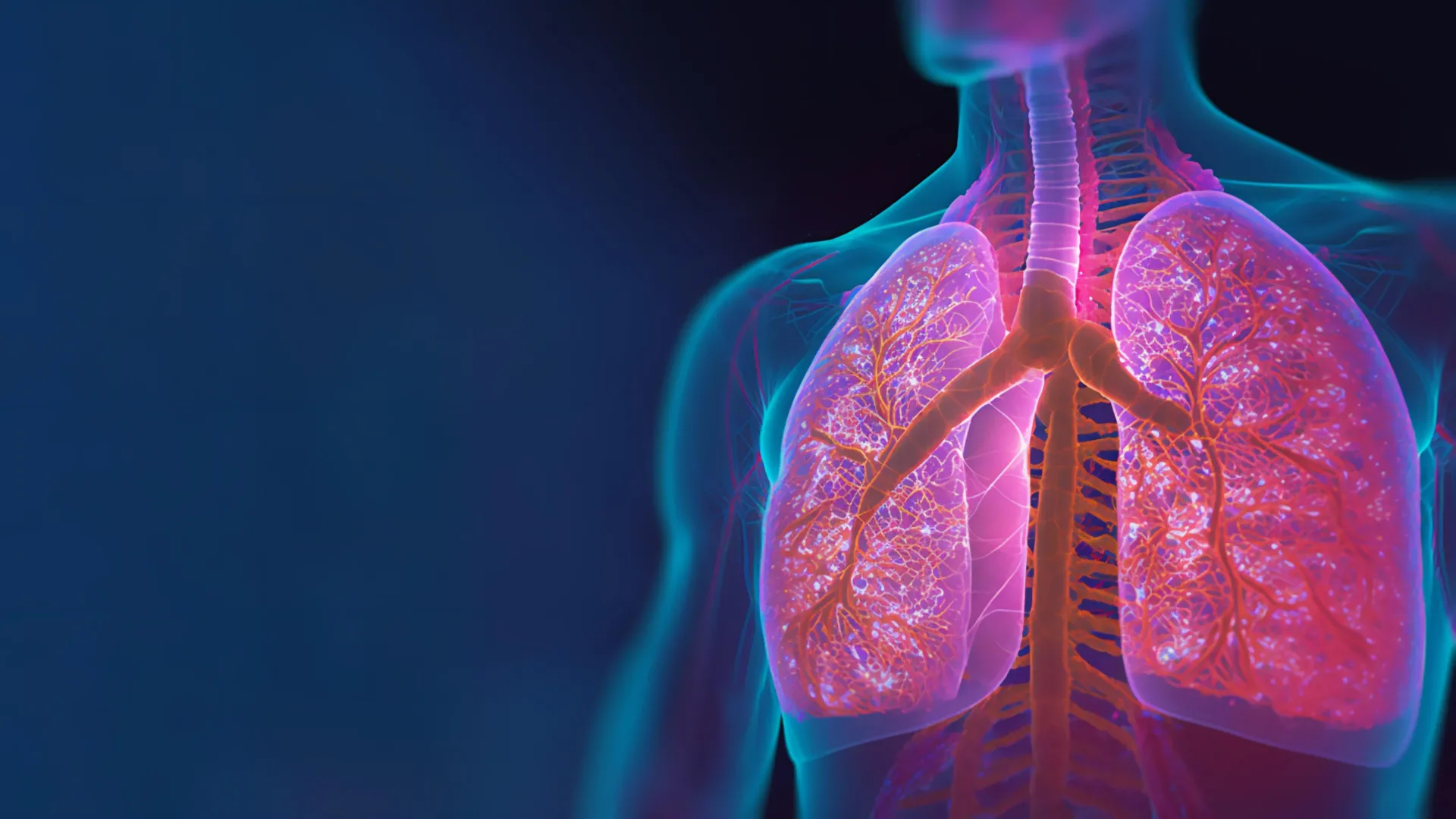
New groundbreaking research from the University of Virginia Health System’s Beirne B. Carter Center for Immunology Research and the UVA Comprehensive Cancer Center indicates that severe respiratory infections, including COVID-19, influenza, and pneumonia, can create a lasting inflammatory environment in the lungs that may significantly accelerate the development and progression of lung cancer. This landmark study, led by UVA School of Medicine scientist Jie Sun, PhD, also provides a crucial piece of hopeful news: vaccination appears to offer substantial protection against these detrimental long-term effects. The findings underscore the critical need for enhanced monitoring of patients recovering from severe respiratory illnesses and highlight the indirect cancer-preventive benefits of widespread vaccination.
The research, published in the esteemed scientific journal Cell, reveals that severe lung infections can fundamentally alter the behavior of immune cells within the pulmonary system. These alterations can establish a "pro-tumor" environment, fostering conditions conducive to cancer growth, potentially months or even years after the acute infection has subsided. This discovery challenges conventional understandings of lung cancer risk, which have historically focused on factors like smoking and genetic predisposition, and introduces a new, significant environmental trigger.
The Lingering Shadow of Severe Respiratory Illness
For years, scientists have recognized that acute respiratory illnesses can cause significant short-term damage to the lungs. However, the long-term consequences, particularly concerning cancer risk, have remained less understood. Dr. Sun and his team embarked on a comprehensive investigation to bridge this knowledge gap, employing a dual approach involving both laboratory animal models and human patient data.
In laboratory mice, the impact of severe lung infections was stark and concerning. Animals that experienced significant respiratory distress were observed to have a markedly higher incidence of lung cancer developing later in life. Furthermore, these mice also exhibited a poorer prognosis, with a greater mortality rate directly attributable to the disease. This animal model provided a controlled environment to meticulously study the biological mechanisms at play.
Translating these findings to human health, the researchers analyzed extensive patient data. Their analysis focused on individuals who had been hospitalized for severe COVID-19. The results mirrored the observations in mice: patients with a history of severe COVID-19 hospitalization demonstrated a statistically significant increase in lung cancer diagnoses compared to those who had not experienced such severe infections.
Specifically, the study identified a 1.24-fold increase in lung cancer incidence among patients hospitalized with COVID-19. This heightened risk was found to be independent of other well-known risk factors such as smoking status or the presence of other medical conditions, often referred to as comorbidities. This independence is particularly noteworthy, suggesting that the immune dysregulation triggered by severe infection may act as a potent, standalone contributor to cancer development.
Dr. Jeffrey Sturek, an MD, PhD and physician-scientist at UVA who collaborated on the study, emphasized the immediate clinical implications. "These findings have important immediate implications for how we monitor patients after severe respiratory viral infection," Dr. Sturek stated. "We’ve known for a long time that things like smoking increase the risk for lung cancer. The results from this study suggest that we may need to think about severe respiratory viral infection similarly. For example, in some patients who are at high risk for lung cancer based on smoking history, we recommend close monitoring with routine screening CT scans of the lungs to catch cancer early. In future studies, we may want to consider a similar approach after severe respiratory viral infection." This recommendation signals a potential shift in clinical surveillance protocols for a broad segment of the population.
Unraveling the Immune Mechanisms: A Pro-Tumor Microenvironment
To elucidate the precise biological pathways by which severe infections promote cancer, the researchers delved into the cellular and molecular changes occurring in the lungs. Their experiments in mice provided crucial insights into the roles of specific immune cells.
Following severe infection, the study observed significant dysregulation in neutrophils and macrophages, two types of immune cells typically responsible for defending the lungs against pathogens. In the aftermath of a severe bout of illness, some neutrophils began to exhibit aberrant behavior. Instead of resolving inflammation and aiding tissue repair, they contributed to a persistent inflammatory state. This chronic inflammation, characterized as "pro-tumor," creates a fertile ground for cancerous cells to emerge, proliferate, and evade immune detection.
Beyond immune cells, the research also identified substantial alterations in epithelial cells. These cells form the lining of the lungs and are critical for respiratory function. Changes in these cells, coupled with modifications in the delicate air sacs (alveoli) responsible for gas exchange, further contribute to an environment that is more permissive to tumor development. This cellular remodeling suggests that the lung’s very architecture can be fundamentally reshaped by severe infection in a way that promotes malignancy.
Vaccination: A Shield Against Long-Term Harm
Amidst the concerning findings regarding increased cancer risk, the study offers a beacon of hope: the protective role of vaccination. The research demonstrated that prior vaccination against respiratory viruses significantly mitigated many of the lung changes associated with cancer development.
Vaccines work by priming the immune system, enabling it to mount a more effective and controlled response upon encountering the actual virus. This enhanced immune preparedness, according to the study, reduces the severity of the illness and, crucially, appears to prevent the lasting immune dysregulation that can lead to a pro-tumor environment.
The increased cancer risk was primarily observed in individuals who experienced severe COVID-19 infections. Conversely, those who contracted mild infections did not exhibit this elevated risk. In fact, some individuals with milder infections even showed a slight decrease in lung cancer incidence, suggesting that a less severe immune response may not trigger the same detrimental long-term changes. This distinction highlights the critical importance of preventing severe disease through vaccination.
Even with these encouraging findings, the researchers issue a stark warning: a considerable number of individuals who have survived severe COVID-19 or other serious respiratory infections could be facing an elevated risk of developing lung cancer in the future. The sheer scale of global COVID-19 infections, with tens of millions experiencing long-term pulmonary sequelae, underscores the widespread potential implications of this research.
"Individuals recovering from severe viral pneumonia, particularly those with smoking history, may benefit from enhanced lung cancer surveillance, and preventing severe infection through vaccination may confer indirect cancer protection benefits," the researchers articulated in their scientific paper. This statement emphasizes a dual strategy: proactive surveillance for high-risk individuals and the fundamental preventative power of vaccination.
Implications for Early Detection and Future Therapies
The findings from Dr. Sun’s team hold profound implications for clinical practice and public health strategies. By better identifying patients at increased risk of lung cancer following severe respiratory infections, clinicians can implement more targeted surveillance programs. Earlier detection of lung cancer, when it is most amenable to treatment, can dramatically improve patient outcomes and survival rates.
The study’s insights are not limited to surveillance; they also pave the way for the development of novel therapeutic strategies. Understanding the specific immune pathways that promote cancer after infection could lead to the creation of interventions designed to counteract these effects, potentially preventing cancer development or slowing its progression in vulnerable individuals.
"Our goal is to help doctors identify who may be at higher risk of lung cancer after a severe infection, and develop targeted ways to prevent and treat lung cancer after prior pneumonia," Dr. Sun explained. "We also believe that vaccines don’t just prevent acute hospitalization after contracting the virus. They may also reduce the long-term fallout of severe infection, including the kind of immune scarring that can increase cancer risk." This perspective broadens the perceived benefits of vaccination beyond immediate acute illness prevention, highlighting its potential role in long-term health and disease prevention.
Advancing Biomedical Research at UVA
This pioneering research is a testament to the robust biomedical research ecosystem at UVA Health. The work aligns with the mission of UVA’s Paul and Diane Manning Institute of Biotechnology, which is dedicated to accelerating innovative discoveries and translating laboratory findings into tangible clinical applications.
The Beirne B. Carter Center for Immunology Research (CIC), a key contributor to this study, has a long-standing commitment to understanding complex diseases like infections and cancer. Supported by the generosity of Beirne B. Carter and the Beirne Carter Foundation, the CIC fosters multidisciplinary research aimed at developing novel therapies and cures for a range of conditions, including cardiovascular disease, chronic lung conditions, and autoimmune disorders.
Furthermore, the UVA Comprehensive Cancer Center, recognized by the National Cancer Institute as a "comprehensive" cancer center, provides a critical platform for cutting-edge cancer research and advanced patient care. The collaborative environment at UVA allows for the integration of basic science discoveries, like those from Dr. Sun’s lab, with clinical expertise to address some of the most pressing health challenges.
A Look Ahead: Published Findings and Funding Support
The comprehensive findings of this study were meticulously detailed and published in the prestigious journal Cell, ensuring broad dissemination to the scientific community. The research team comprised a dedicated group of scientists, including Wei Qian, Xiaoqin Wei, Andrew J. Barros, Xiangyu Ye, Haibo Zhang, Qing Yu, Samuel P. Young, Eric V Yeatts, Yury Park, Chaofan Li, Sijie Hao, Gislane Almeida-Santos, Jinyi Tang, Harish Narasimhan, Nicole A Kirk, Valeria Molinary, Ying Li, Li Li, Bimal N. Desai, Peter Chen, Kwon-Sik Park, Anny Xiaobo, Jeffrey M. Sturek, Wei Chen, and In Su Cheon, working collaboratively with Dr. Jie Sun.
This significant research endeavor was made possible through substantial funding from various sources, underscoring the collaborative and well-supported nature of biomedical research at UVA. Key funding bodies include the National Institutes of Health, which provided grants totaling AI147394, AG069264, AI112844, HL170961, AI176171, AG090337, R01HL179312, F31HL170746, T32AI007496, T32CA009109, R01AI155808, and R01HL162783. Additional support was provided by a UVA Comprehensive Cancer Center Collaborative Grant (U01CA224293), a UVA Pinn Scholar Award, a UVA Shannon Fellowship, a UVA Comprehensive Cancer Center Lung TRT Pilot Grant, an American Lung Association Catalyst Grant (T32GM139787-01), and a UVA Parsons-Weber-Parsons Fellowship. This multifaceted funding demonstrates a collective investment in understanding and combating the long-term health impacts of severe respiratory infections.