
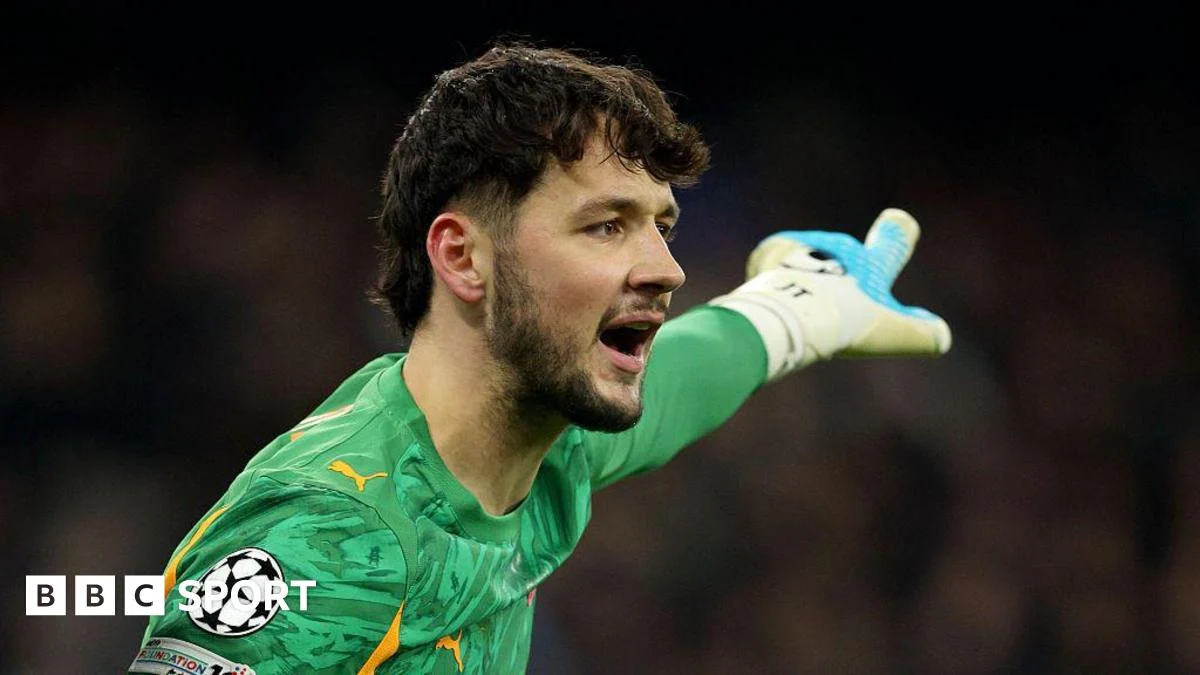
Manchester City manager Pep Guardiola has unequivocally confirmed that young goalkeeper James Trafford will be between the posts for Sunday’s highly anticipated Carabao Cup final at Wembley Stadium, a decision that underscores the club’s commitment to its domestic cup competition strategy. In stark contrast, Arsenal’s boss Mikel Arteta has maintained a veil of secrecy surrounding his own starting goalkeeper selection, leaving the north London club’s supporters and the wider footballing world guessing.
Guardiola’s Cup Strategy: Trusting Trafford in a Big Moment
Pep Guardiola’s announcement regarding James Trafford’s inclusion in the Carabao Cup final starting XI signals a continuation of his established policy to field the club’s emerging talents in domestic cup fixtures. This approach has historically provided valuable experience for younger players and allowed for established stars to be rested ahead of crucial league and European campaigns. While Trafford’s selection for such a significant match is a clear vote of confidence from the Catalan tactician, Guardiola offered no specific assurances regarding the 23-year-old’s long-term future at the Etihad Stadium.
Trafford’s journey back to Manchester City was a significant one. He rejoined the club from Burnley last summer in a transfer deal reportedly worth an initial £27 million, a figure that immediately positioned him as a potential long-term successor to the club’s established first-choice goalkeeper, Ederson. However, his aspirations for immediate first-team involvement were quickly tempered. The subsequent arrival of Gianluigi Donnarumma from Paris Saint-Germain, a high-profile signing with considerable international pedigree, saw Trafford relegated to a secondary role in the pecking order. This shift in circumstances has undoubtedly presented a challenge for the ambitious young keeper.
When questioned about Trafford’s recent public comments, which suggested an expectation of increased playing time, Guardiola offered a philosophical perspective. "Players can be happy, unhappy. It is what it is," he stated. "They have to be here to do the best they can do and after we will see what happens at the end of the season. The important thing is they have to be ready." This response highlights Guardiola’s pragmatic management style, emphasizing performance and readiness over personal sentiments. Despite the competitive landscape within the City squad, Guardiola expressed his satisfaction with Trafford’s attitude, describing it as "beyond happy." He further contextualized the decision to start Trafford in the final as being part of "a big moment for the team," suggesting a collective benefit rather than an individual reward.
Arsenal’s Goalkeeping Conundrum: Arteta’s Tactical Enigma
In stark opposition to Guardiola’s transparency, Mikel Arteta, the Arsenal manager, deliberately evaded any definitive statements regarding his starting goalkeeper for the Carabao Cup final. Speaking to journalists, Arteta provided no concrete clues, leaving a palpable sense of anticipation and uncertainty surrounding the crucial position.
Arsenal’s goalkeeping situation this season has been characterized by a clear division of responsibilities. Kepa Arrizabalaga, who joined the club on loan from Chelsea, has been the designated custodian for domestic cup competitions, including the Carabao Cup. His performances in these matches have been a key factor in Arsenal’s progression to the final. Conversely, David Raya, a summer acquisition from Brentford, has been the undisputed first-choice goalkeeper in the Premier League and the Champions League. This dual-keeper strategy has been a talking point throughout the season, with each keeper bringing distinct attributes to the team.
Arteta’s reticence to name his starter could be a tactical ploy designed to keep Manchester City guessing, or it could reflect a genuine deliberation over which goalkeeper offers the optimal advantage against a formidable opponent like City. The decision carries significant weight, as the Carabao Cup final represents a prime opportunity for either Arrizabalaga to solidify his claim or for Raya to demonstrate his importance in a high-stakes cup final. The psychological impact of starting either player could also be a factor for Arteta to consider.
Background Context: The Road to Wembley
The Carabao Cup, historically known by various sponsored names including the League Cup, is one of the three major domestic trophies in English football, alongside the Premier League and the FA Cup. This competition, currently in its 64th season, provides a platform for teams to secure silverware relatively early in the calendar year. For both Manchester City and Arsenal, reaching the final represents a significant achievement and a chance to lift a coveted trophy.
Manchester City, under Pep Guardiola, have established a formidable record in the Carabao Cup, having won the competition an unprecedented four consecutive times between 2018 and 2021. Their dominance in this tournament is a testament to Guardiola’s consistent focus on domestic cup success. Their journey to this year’s final has seen them navigate a series of challenging encounters, showcasing their depth and tactical flexibility.
Arsenal, meanwhile, are aiming to end a drought in this particular competition. Their last Carabao Cup triumph came in 1993, and reaching the final represents a crucial step in their ongoing development under Mikel Arteta. The Gunners have shown considerable improvement since Arteta took the helm, and securing a trophy would be a significant milestone in their project. Their path to Wembley has also been fraught with competitive ties, highlighting their resilience and determination. The final itself is a clash between two of England’s most prominent clubs, promising a captivating tactical battle.
Supporting Data and Historical Performance
The decision to start James Trafford in a cup final for Manchester City, while unusual for a player not yet fully established in the senior setup, is not entirely without precedent for Guardiola. The manager has a well-documented history of entrusting younger players with significant responsibility in cup competitions. For instance, in previous Carabao Cup campaigns, players like Phil Foden and Cole Palmer were given opportunities to shine on the big stage, eventually becoming integral members of the first team.
James Trafford’s statistics this season, though limited in senior appearances for City, paint a picture of a promising young goalkeeper. He has been a regular feature in training sessions and has gained valuable experience through loan spells, notably at Bolton Wanderers where he was a standout performer. His inclusion in the matchday squad for numerous City fixtures, even when not starting, indicates his standing within the club’s development pathway.
For Arsenal, the choice between Kepa Arrizabalaga and David Raya is a reflection of their respective strengths. Arrizabalaga, despite a challenging period at Chelsea, has shown flashes of excellent form in cup competitions, demonstrating good reflexes and command of his area. His experience in big matches, having played for Chelsea in multiple finals, is also a significant asset. David Raya, on the other hand, has impressed with his distribution, shot-stopping, and commanding presence in the Premier League. His ability to play out from the back is a key component of Arsenal’s build-up play, a style that is increasingly crucial in modern football. The statistical analysis of saves per 90 minutes, save percentages, and distribution accuracy for both keepers could be a factor in Arteta’s decision-making process.
Broader Impact and Implications
The goalkeeping decision for both clubs carries significant implications beyond the immediate outcome of the final. For Manchester City, entrusting Trafford with the responsibility of a Wembley final could be a pivotal moment in his development. A strong performance could cement his place in Guardiola’s future plans and accelerate his transition into a more prominent role, potentially even challenging for the number one spot in the seasons to come. Conversely, a less assured display might lead to further questions about his readiness for top-level competition and could influence the club’s transfer strategy in the goalkeeping department.
For Arsenal, the choice of goalkeeper could shape the narrative of their season. If Arteta opts for Arrizabalaga and he delivers a match-winning performance, it would bolster his reputation and potentially influence future transfer decisions. If he chooses Raya, it would underscore his faith in the summer signing and reinforce his tactical vision for the team. The pressure on the chosen keeper will be immense, and their performance could have a lasting impact on their confidence and standing within the squad.
Furthermore, the contrast in managerial transparency highlights different leadership styles. Guardiola’s open communication, while potentially offering tactical information to opponents, fosters a sense of clarity and trust within his squad. Arteta’s strategic ambiguity, while keeping opponents guessing, can sometimes create anxiety among supporters. Ultimately, the focus for both managers will be on securing victory and lifting the Carabao Cup trophy. The goalkeeping decisions, while crucial, are just one element in the complex tapestry of a major final. The tactical battles, individual brilliance, and sheer determination of both teams will ultimately decide who will be crowned champions at Wembley. The anticipation for this fixture is palpable, a testament to the enduring appeal of English cup football and the rivalry between two of the league’s most prominent clubs.