

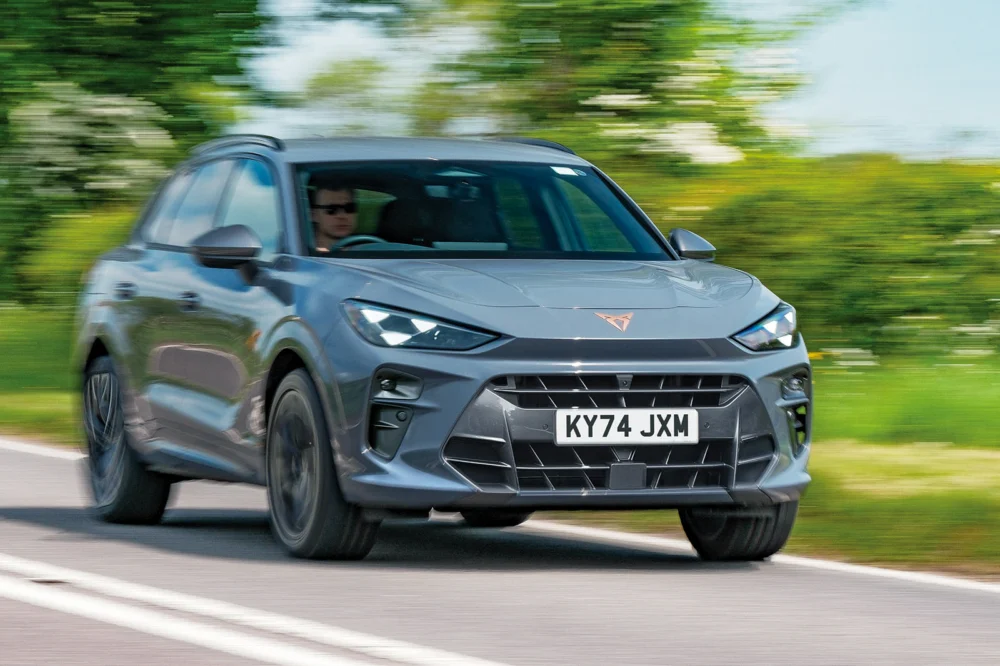
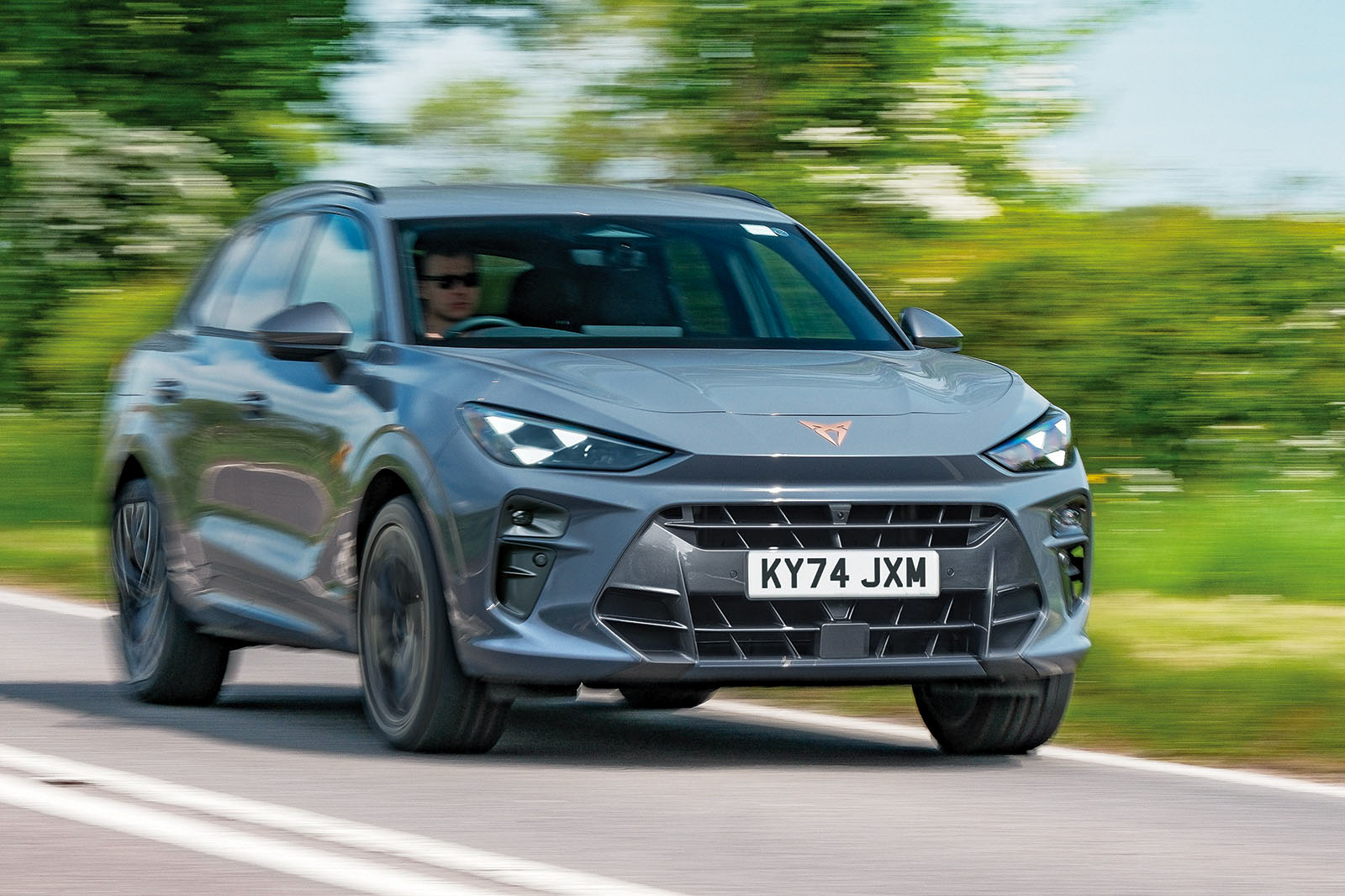
The introduction of the Cupra Terramar marks a significant milestone for the Spanish performance brand as it seeks to solidify its position within the highly competitive C-SUV segment. Positioned as a more driver-focused alternative to traditional family crossovers, the Terramar arrives with a diverse range of powertrains designed to appeal to both traditional internal combustion enthusiasts and the growing market for plug-in hybrid electric vehicles (PHEVs). Among the current lineup, the 2.0-litre TSI variant, featuring the ubiquitous EA888 engine architecture, has emerged as the most cohesive expression of the brand’s performance-oriented DNA. This model, delivering 261bhp, represents the "VZ" (Veloz) performance tier, offering a level of mechanical engagement that distinguishes it from its more efficiency-focused siblings.
Technical Performance and Engine Dynamics of the 2.0 TSI
The 2.0-litre TSI engine utilized in the Terramar is the latest iteration of the Volkswagen Group’s EA888 unit, a powertrain celebrated for its versatility and reliability across various performance applications. In this specific configuration, the engine prioritizes a consistent and accessible torque delivery over a peaky or dramatic power curve. This "flat" delivery ensures that the Terramar remains responsive across a broad range of engine speeds, making it particularly effective for real-world overtaking and spirited driving.
Independent testing has revealed that the Terramar 2.0 TSI exceeds the manufacturer’s own performance estimates. While Cupra officially claims a 0-62mph (0-100km/h) time of 5.9 seconds, real-world data indicates the vehicle can achieve 60mph in 5.6 seconds and 62mph in 5.8 seconds when utilizing the integrated launch control system. This performance is bolstered by the inclusion of a 4Drive all-wheel-drive system, which ensures optimal traction even in adverse weather conditions. The drivetrain’s ability to manage 261bhp without significant wheelspin highlights the effectiveness of the MQB Evo platform’s electronic differentials and traction management systems.
Despite these impressive figures, some industry analysts note that the Terramar occupies a unique middle ground in the Volkswagen Group hierarchy. While it is undeniably quick by class standards, it sits below the 329bhp output found in the high-performance Cupra Formentor. Estimates suggest that had the Terramar been equipped with the more potent 329bhp unit, 0-62mph times would likely drop into the sub-5-second territory. However, the current 261bhp output appears strategically chosen to balance performance with the practical requirements of a mid-sized SUV.
Transmission and Cabin Integration
The performance of the 2.0 TSI is managed by a seven-speed dual-clutch (DSG) automatic gearbox. The transmission is tuned for seamless operation, shifting through gears with minimal disruption to power delivery. While the gearbox is technically proficient, its execution is characterized by a "strait-laced" efficiency. This stands in contrast to the cabin’s design language, which features the bold, flamboyant aesthetics typical of the Cupra brand, including copper accents and aggressive geometric shapes.
One point of contention for driving enthusiasts is the manual override system. Although the Terramar features steering-wheel-mounted shift paddles, the vehicle’s electronic control unit (ECU) maintains a high degree of oversight. The transmission will automatically upshift at the 6,500rpm redline regardless of whether manual mode is engaged, a common trait in MQB-based vehicles intended to protect the powertrain from over-revving. Furthermore, the shift paddles themselves have been described as somewhat understated in their tactile feedback, lacking the dramatic flair found in the car’s exterior and interior styling.
To enhance the sensory experience, Cupra has implemented a synthetic engine and exhaust sound system that pipes audio into the cabin. While "piped-in" sound is often criticized in dedicated sports cars, it is increasingly accepted in the "pseudo-sporty" crossover segment. In the Terramar, this sonic enhancement is notably aggressive, providing a "rorty" soundtrack that aligns with the vehicle’s "Cupra Mode." This mode, exclusive to the VZ variants, sharpens throttle response and adjusts the weighting of the steering, providing a more engaged driving experience.
The e-Hybrid Spectrum: Efficiency and Urban Mobility
At the opposite end of the Terramar’s mechanical spectrum lies the 1.5-litre e-Hybrid powertrain. This plug-in hybrid system is offered in two states of tune: a standard 201bhp version and a more powerful 268bhp variant. The 201bhp entry-level hybrid delivers a 0-62mph time of 8.3 seconds, a figure that places it firmly within the realm of conventional family transport rather than performance machinery.
The e-Hybrid system utilizes a 19.7kWh (net) battery pack, allowing for significant electric-only range, often exceeding 70 miles on the WLTP cycle. In EV mode, the Terramar offers a smooth and silent driving experience, making it ideal for urban environments and low-speed commuting. The electric motor provides immediate torque, which aids in "nipping" into gaps in traffic, though the overall sensation is one of briskness rather than outright speed.
However, the hybrid powertrain faces challenges regarding refinement when the battery is depleted. In hybrid mode, the interaction between the internal combustion engine and the electric motor can occasionally lack the polish found in the pure petrol 2.0 TSI. The automatic transmission has a noted tendency to hold onto gears longer than necessary under heavy acceleration, leading to increased engine noise within the cabin. Additionally, while the regenerative braking system is adjustable, some drivers have noted a "mushy" feel to the brake pedal, a common characteristic in vehicles that must blend friction and regenerative braking forces.
Chronology and Brand Context
The development of the Cupra Terramar is a key component of Cupra’s "Vision 2030" strategy. Since spinning off from SEAT as a standalone brand in 2018, Cupra has experienced rapid growth, largely driven by the success of the Formentor. The Terramar, named after the historic Autòdrom de Sitges-Terramar racing circuit near Barcelona, represents the brand’s final new model to be launched with internal combustion engine options before transitioning toward a fully electric lineup.
The timeline of the Terramar’s development highlights its shared lineage with other Volkswagen Group products. It is produced at the Audi plant in Győr, Hungary, alongside the Audi Q3, with which it shares its underlying MQB Evo architecture. This production arrangement ensures high manufacturing standards and allows Cupra to leverage the engineering economies of scale provided by the larger group.
- 2018: Cupra established as an independent brand.
- 2022: The Terramar is first teased during the "Unstoppable Impulse" event in Terramar, Sitges.
- 2024: Global launch and first drive events for the 2.0 TSI and e-Hybrid variants.
- 2025: Expected expansion of the lineup and full market availability across European and international territories.
Market Positioning and Competitive Landscape
The Cupra Terramar enters a crowded C-SUV segment, where it must compete with both mainstream and premium rivals. Its primary competitors include the BMW X1, Mercedes-AMG GLA 35, and the Mini Countryman JCW. While the Terramar 2.0 TSI may appear underpowered on a spec-sheet comparison—trailing the 300bhp+ outputs of its German rivals—Cupra’s pricing strategy and "lifestyle" positioning are intended to bridge the gap.
Market analysts suggest that the Terramar is positioned to capture buyers who find the SEAT Ateca too conservative and the Audi Q3 too traditional. By offering a "Spanish flair" combined with proven German engineering, Cupra aims to maintain its status as the fastest-growing automotive brand in Europe. The inclusion of the e-Hybrid models is particularly crucial for the UK and European fleet markets, where Benefit-in-Kind (BiK) tax rates and CO2 regulations heavily favor vehicles with significant electric-only ranges.
Broader Implications for the Automotive Industry
The Terramar serves as a case study for the current state of the automotive industry’s transition. It demonstrates the "dual-track" approach many manufacturers are taking: refining internal combustion engines (ICE) to their peak efficiency and performance while simultaneously scaling up plug-in hybrid and battery-electric (BEV) technologies.
For Cupra, the Terramar is a volume-driver that provides the necessary revenue to fund the brand’s electric future, including models like the Tavascan and the Raval. The performance of the 2.0 TSI EA888 engine proves that there is still significant life in traditional ICE platforms, offering a level of "drivability" and mechanical simplicity that some consumers still prefer over the complexities of hybrid systems.
In conclusion, the Cupra Terramar 2.0 TSI stands as the most "convincing" iteration of the model for those prioritizing driving dynamics. While the e-Hybrid variants offer clear fiscal and environmental advantages for urban commuters, the 2.0 TSI remains the truer expression of the Cupra brand’s sporting pretensions. As the automotive landscape continues to shift toward electrification, the Terramar represents one of the final opportunities for enthusiasts to acquire a performance-oriented, petrol-powered SUV that balances modern technology with traditional mechanical engagement.