


The global travel ecosystem is currently facing a unprecedented convergence of geopolitical instability, domestic legislative deadlock in the United States, and the functional limitations of post-pandemic technological investments. As the conflict in Iran continues to destabilize the Middle East, its effects have transcended regional borders, exposing significant vulnerabilities in airline networks and the automated customer service systems designed to manage them. Simultaneously, a partial United States government shutdown has begun to degrade domestic aviation infrastructure, while new research suggests that the industry’s next major growth cycle and technological proving ground may be shifting toward Latin America.
The Iran Conflict and Global Aviation Disruptions
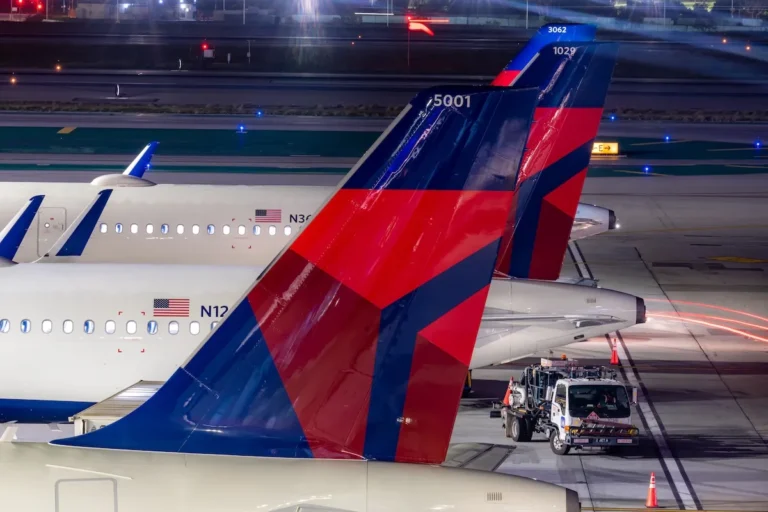
The escalation of hostilities in Iran has moved beyond a localized skirmish, effectively "breaking" the Middle East’s role as a global transit hub. Since the onset of the conflict in early 2026, major carriers have been forced to reroute flight paths to avoid Iranian and surrounding airspace, leading to significantly increased flight times and operational costs. These disruptions are not confined to regional players; the Europe-to-Asia corridor, which relies heavily on Middle Eastern transit points, has seen a dramatic reduction in efficiency.
The financial toll on the aviation sector is becoming increasingly evident. Industry analysts point to a potential 40% hike in jet fuel prices driven by regional uncertainty and the strain on global supply chains. For airlines already operating on thin margins, these costs represent a systemic threat. Scott Kirby, CEO of United Airlines, recently suggested that the industry is entering a phase where only the most resilient carriers will survive the "best of a bad bunch" scenario. The conflict has also forced a reevaluation of the "hub-and-spoke" model that has defined international travel for decades, as traditional transit points like Dubai and Doha face the logistical challenges of managing displaced passengers and volatile security environments.
The Failure of Artificial Intelligence in Crisis Management
One of the most significant revelations of the current crisis is the spectacular failure of generative artificial intelligence (AI) and automated customer support tools. In the years following the COVID-19 pandemic, travel brands invested billions of dollars into AI-powered chatbots and automated rebooking systems, promising a "frictionless" experience. However, as drone strikes and airport closures created high-stakes emergencies, these systems proved inadequate.
While AI has seen successful adoption in the retail sector for simple transactions like purchasing apparel or electronics, the travel industry presents a more complex set of variables, including physical safety, multi-stakeholder coordination, and real-time logistical shifts. During the peak of the Iranian conflict, travelers seeking urgent assistance for life-threatening situations or complex evacuations found themselves trapped in automated "loops."
The industry is now facing a "Schadenfreude moment" regarding its over-reliance on automation. The prevailing use case for AI—diverting low-touch queries to bots to free up human agents—collapsed under the sheer volume of high-touch emergencies. Travelers reported extreme frustration when met with "canned" responses from chatbots while airports were under literal fire. This failure underscores a critical lesson: while AI can manage routine itinerary changes, it cannot yet navigate the nuances of a geopolitical catastrophe.

The Impact of the United States Government Shutdown
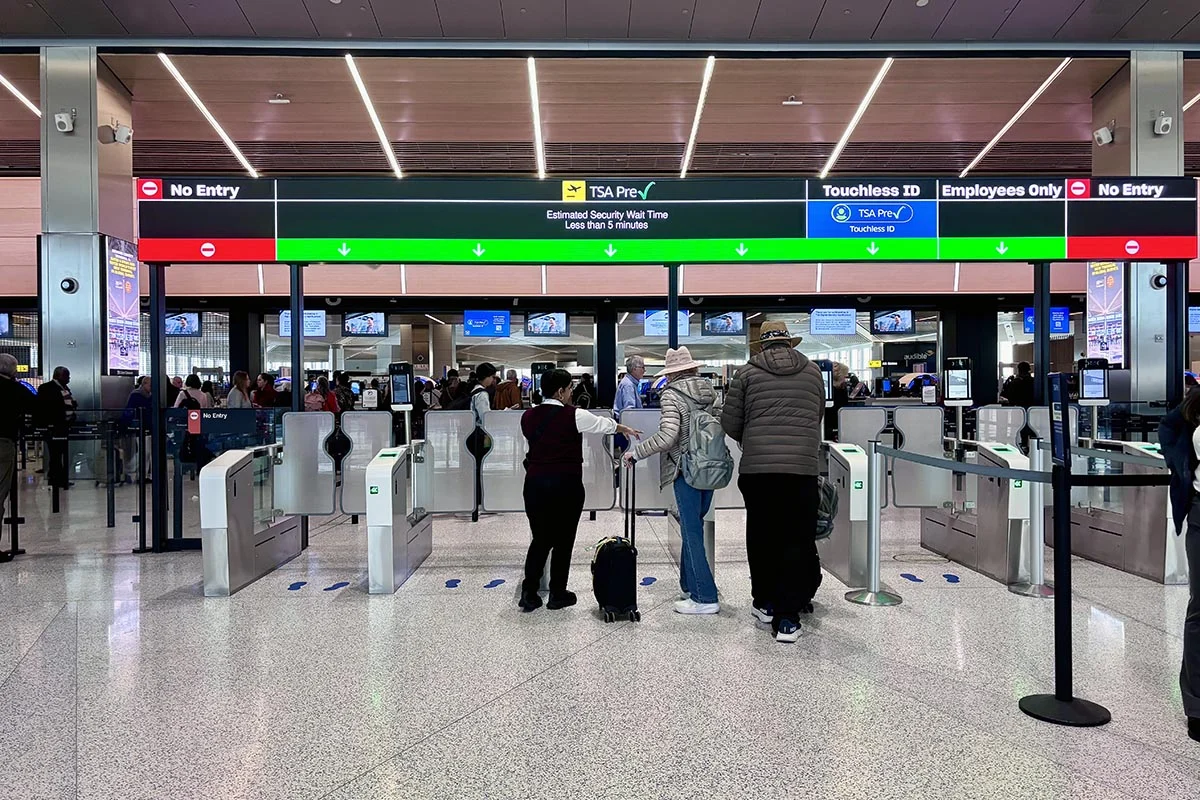
Compounding the international crisis is a domestic legislative impasse in the United States. A partial government shutdown, now entering its second month, has left thousands of Transportation Security Administration (TSA) agents and Customs and Border Protection (CBP) officers working without pay. Although these employees are deemed "essential" and are guaranteed back pay once the shutdown concludes, the immediate financial strain is beginning to impact airport operations.
In a move that highlights the desperation of the situation, Denver International Airport recently utilized social media to solicit donations for TSA staff, requesting $10 and $20 grocery and gas gift cards. This has sparked a broader debate regarding the ethics and legality of "tipping" or subsidizing government employees, with some critics questioning whether such actions violate anti-corruption protocols.
Historically, government shutdowns in the U.S. have ended only when "pain at the airport"—manifested as massive security lines and flight cancellations—reaches a level that triggers public outrage. However, current reports suggest a sense of "outrage fatigue" among the American public. With major hubs like Newark and JFK facing potential closures due to staffing shortages, the aviation industry remains a hostage to political maneuvering in Washington D.C., specifically regarding disagreements over the Department of Homeland Security’s budget and immigration policies.
Latin America: A New Frontier for Growth and Innovation
Amidst the turmoil in the Northern Hemisphere and the Middle East, Latin America is emerging as a surprisingly resilient and vital market. New data from Skift Research indicates that despite regional challenges, including currency volatility and internal political shifts, the desire for travel among South and Central Americans remains at historic highs.
A survey of travelers in Brazil, Mexico, and Argentina reveals several key trends:
- Budget Increases: Travelers in these regions plan to increase their travel spending by an average of 8% in the coming year, prioritizing travel as their top discretionary expense.
- U.S. Demand: Despite complex visa policies and political tensions at the border, the United States remains the top international destination for travelers from Mexico and Brazil, and the second-most preferred for Argentinians (following Brazil).
- Affordability vs. Policy: Interestingly, the research shows that affordability and exchange rates are greater deterrents to travel than border policies. Approximately 40% of respondents stated that U.S. visa policies had no influence on their decision to travel, whereas the rising cost of American tourism—including Broadway shows and metropolitan dining—was cited as a primary concern.
Search Engines vs. Brand Loyalty in Latin America
Latin America is also positioned to be the primary testing ground for how AI will disrupt the travel booking process. Unlike travelers in North America and Europe, who are "well-trained" to book directly through brand websites like Marriott.com or Delta.com, Latin American consumers rely heavily on third-party intermediaries and search engines.
The data shows a stark contrast in booking behavior:

- Direct Booking: In North America and the Middle East, over 75% of travelers use official brand platforms. In Latin America, that number drops to just 30%.
- Search Engine Reliance: Nearly 60% of Latin American travelers utilize Google or other search engines as their primary planning tool, compared to just 30% in Europe.
Because AI is more likely to disrupt search engine algorithms before it disrupts proprietary brand ecosystems, the ripple effects of AI-integrated search will be felt in Latin America first. This makes the region a critical "early indicator" market for global travel brands looking to understand the future of digital acquisition.
Economic Resilience and the "Buy Now, Pay Later" Model
The Latin American market’s resilience is also tied to its early adoption of innovative financial tools. Faced with chronic inflation—particularly in Argentina—and fluctuating exchange rates, the region became a pioneer in the "Buy Now, Pay Later" (BNPL) and installment-based payment models. By locking in exchange rates at the time of purchase and spreading payments over several months, travelers have been able to hedge against currency devaluation.
This financial sophistication has also led to a higher-than-average interest in cryptocurrency as a means of preserving travel savings. As the global industry grapples with a 40% fuel hike and broader inflationary pressures, the "LatAm model" of flexible financing and currency hedging may provide a blueprint for travelers in more stable economies who are now facing their first major taste of hyper-inflationary travel costs.
Conclusion: A System Under Pressure
The state of global travel in March 2026 is one of profound transition. The industry is currently caught between the "old world" problems of kinetic warfare and legislative gridlock and the "new world" promises of AI and emerging market dominance. The failure of automated systems during the Iran crisis has served as a necessary correction to the narrative of total technological replacement, reaffirming the necessity of human intervention in customer service.
As the industry looks toward the remainder of the year, the focus will likely shift from the disrupted corridors of the Middle East to the high-growth potential of the North-South corridor between Latin America and North America. Whether the U.S. government can resolve its internal disputes in time to facilitate this growth remains to be seen. For now, the global traveler remains resilient, even as the systems designed to support them face their most rigorous test since the 2020 pandemic.