


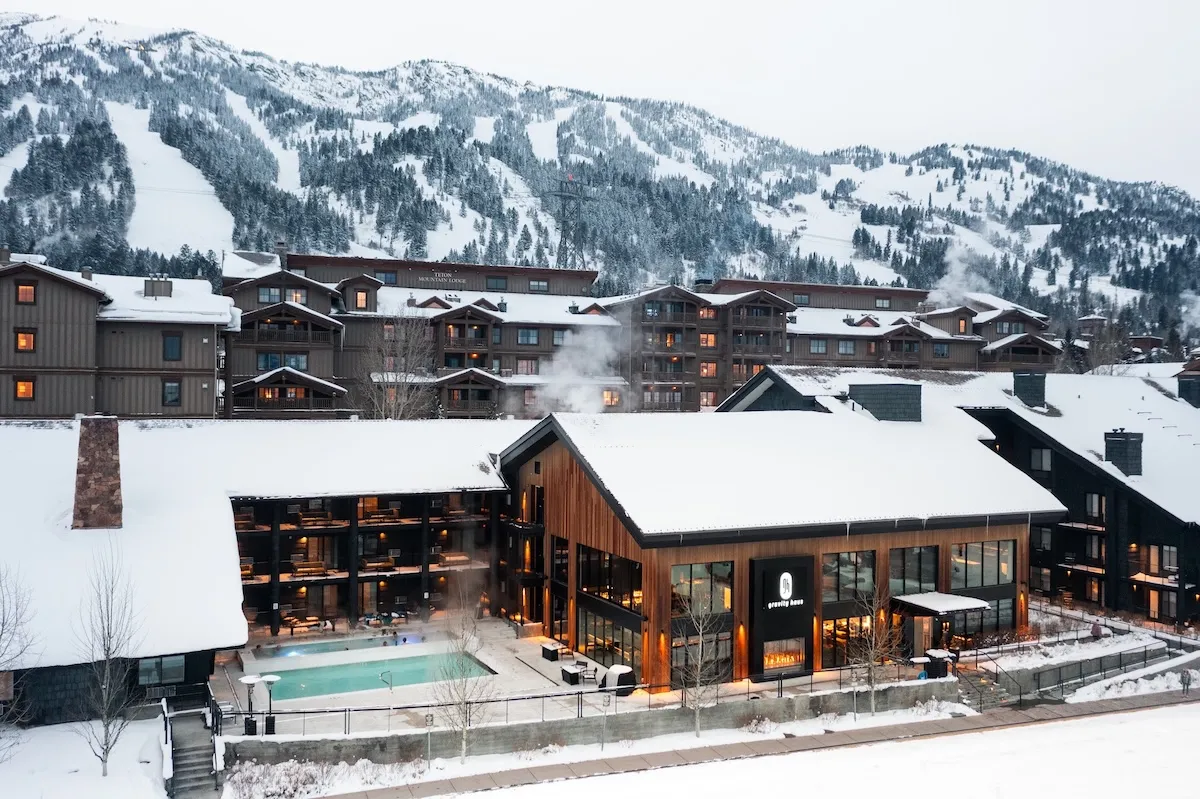
The traditional hospitality model in mountain destinations has long relied on a "heads-in-beds" strategy, prioritizing overnight occupancy as the primary driver of revenue. However, Gravity Haus, led by founder and CEO Jim Deters, is successfully dismantling this convention by creating a multi-functional ecosystem that caters to a demographic often overlooked by luxury resorts: the high-performance professional who views the mountains not just as a vacation spot, but as a lifestyle. By integrating co-working spaces, high-end fitness facilities, and social hubs into its hotel properties, Gravity Haus has cultivated a membership-based community that generates consistent value regardless of whether a guest spends the night. This shift reflects a broader transformation in the outdoor recreation industry, where the lines between work, play, and residency have become increasingly blurred in the post-pandemic era.
One of the most revealing illustrations of this model’s success is the way local and semi-local members interact with the properties. Deters frequently highlights the example of a parent commuting from the Denver metropolitan area to the mountains for a single day. In this scenario, the parent drops their children at a local ski school and, instead of retreating to a crowded base lodge or sitting in a car, utilizes their Gravity Haus membership to turn the property into a high-functioning basecamp. Throughout the day, the property serves as a professional office with high-speed internet, a fitness center for a midday workout, a restaurant for nutritious meals, and a recovery spa to wait out the notorious "I-70 traffic" before heading home. This "day-use" revenue stream allows the company to monetize its square footage far more efficiently than a standard hotel, creating a stable financial floor that complements traditional room bookings.
The Genesis and Growth of an Adventure Brand
Founded in 2019, Gravity Haus began as a response to the friction inherent in mountain travel. For many outdoor enthusiasts living in urban hubs like Denver, Boulder, or Salt Lake City, the logistics of skiing, mountain biking, or hiking often involve grueling commutes, expensive gear storage, and a lack of reliable workspace. Jim Deters, a tech entrepreneur with a background in building community-focused platforms, recognized that the modern "mountain athlete" required a different set of amenities than the traditional luxury traveler.
The company’s growth trajectory has been calculated and swift. Starting with its flagship location in Breckenridge, Colorado, Gravity Haus quickly expanded to other key markets, including Vail, Steamboat Springs, and Winter Park. As of late 2026, the company boasts a portfolio of 13 properties across the Western United States and British Columbia. This expansion includes high-profile acquisitions in Jackson Hole, Wyoming, and Truckee-Tahoe, California, as well as international moves into the Canadian Rockies. Each location is chosen based on its proximity to world-class outdoor recreation and its accessibility to the "weekend warrior" demographic that forms the core of the Gravity Haus membership base.
Strategic Integration of Amenities
The Gravity Haus value proposition is built on four primary pillars: sleep, work, play, and recovery. By providing a seamless transition between these activities, the company has effectively created a "Third Place"—a social environment separate from the two usual social environments of home and the workplace—tailored specifically for the outdoor community.
- Workspace and Productivity: Unlike the makeshift "business centers" found in legacy hotels, Gravity Haus properties feature dedicated co-working spaces designed for deep focus. These areas include private phone booths, conference rooms, and ergonomic seating, acknowledging that many of its members are remote executives or entrepreneurs who need to remain connected even while on the mountain.
- Dryland Fitness and Recovery: The "Dryland" fitness centers within the properties are modeled after elite athletic training facilities. They offer functional movement classes, strength training, and specialized equipment for mountain sports. Furthermore, the inclusion of recovery amenities—such as saunas, cold plunges, and salt rooms—addresses the growing consumer interest in biohacking and physical longevity.
- Unravel Coffee and Culinary Programs: The brand’s in-house coffee concept, Unravel Coffee, emphasizes a direct-trade model and sustainable roasting practices. This serves as a vital touchpoint for members and the local community, driving foot traffic and daily engagement.
- Gear Access and Logistics: One of the most significant pain points for mountain travelers is the transport and maintenance of gear. Gravity Haus partners with premium brands to provide members with access to high-end skis, snowboards, and bikes, reducing the need for guests to haul their own equipment across state lines.
Economic Impact and Market Context
The success of Gravity Haus is situated within a larger economic boom in the outdoor recreation sector. According to data from the U.S. Bureau of Economic Analysis, the outdoor recreation economy accounted for over $1.1 trillion in gross output in recent years, representing a significant portion of the national GDP. Within this context, the "mountain west" has seen a surge in property values and a shift in demographics, as remote work allows professionals to relocate closer to the trails.

However, this "Zoom Town" phenomenon has also created challenges, particularly regarding housing affordability and infrastructure strain. Gravity Haus addresses part of this tension by offering a membership model that allows people to enjoy the mountains without necessarily owning a second home. This "fractional lifestyle" approach is more sustainable than the traditional model of building massive, underutilized vacation estates. By densifying the utility of existing hotel footprints, Gravity Haus provides a more efficient way for the growing population of mountain enthusiasts to engage with these sensitive environments.
Industry Reactions and Competitive Landscape
The hospitality industry has taken notice of Deters’ success. Traditional hotel groups like Marriott and Hilton have experimented with "work-from-hotel" packages, but few have managed to integrate the community and lifestyle aspects as holistically as Gravity Haus. Industry analysts suggest that the membership model provides a level of brand loyalty and recurring revenue that is the envy of the sector.
"Gravity Haus isn’t just selling a room; they are selling an identity," says Sarah Thompson, a senior hospitality analyst. "In the 2020s, travelers are moving away from anonymous luxury and toward curated experiences that align with their personal values—whether that’s fitness, sustainability, or professional networking. Gravity Haus has managed to bottle that ‘local’ feel and make it accessible to the frequent visitor."
Internal data from Gravity Haus indicates that members are significantly more likely to return to multiple properties within the network compared to standard hotel guests. This "network effect" is a key driver of their expansion strategy. When a member in Denver joins, they aren’t just joining a club in Breckenridge; they are gaining a basecamp in Jackson Hole, Aspen, and Revelstoke.
Chronology of Expansion
- 2019: Launch of the first Gravity Haus in Breckenridge, CO, replacing the former Village Hotel.
- 2020-2021: Expansion into Vail and Winter Park during the height of the pandemic, capitalizing on the surge in domestic outdoor travel.
- 2022: Acquisition of the Cedar House Sport Hotel in Truckee, CA, marking the brand’s first major move into the Sierra Nevada market.
- 2023-2024: Launch of Gravity Haus Jackson Hole and Steamboat Springs. The company also introduces the "Haus Partners" program, allowing members access to boutique partner hotels worldwide.
- 2025: Expansion into British Columbia with the opening of a flagship location in Revelstoke, catering to the heli-skiing and backcountry community.
- 2026: Reaching the 13-property milestone and refining the digital membership platform to include AI-driven trip planning and community matching.
Future Implications and Sustainability
Looking ahead, the Gravity Haus model faces the challenge of maintaining its "scrappy," community-focused culture as it scales into a larger corporate entity. Jim Deters has remained adamant that the brand’s soul lies in its commitment to the environment and the local communities it inhabits. The company has pursued B Corp certification and has implemented rigorous sustainability standards across its supply chain, particularly in its culinary and coffee operations.
The broader implication for the travel industry is a move toward "utility-based hospitality." As the distinction between "business travel" and "leisure travel" continues to dissolve into "bleisure," properties that can cater to both the professional needs and the personal passions of their guests will likely outperform those that offer only a bed. Gravity Haus has proven that a hotel can be a gym, an office, a social club, and a gear locker all at once. For the "hardcore" enthusiast who refuses to choose between a career and the mountains, Gravity Haus has become an indispensable part of the modern adventure toolkit. As the company looks toward its next phase of growth, the focus will likely remain on deepening the membership experience and ensuring that the mountain lifestyle remains accessible, efficient, and community-driven.