



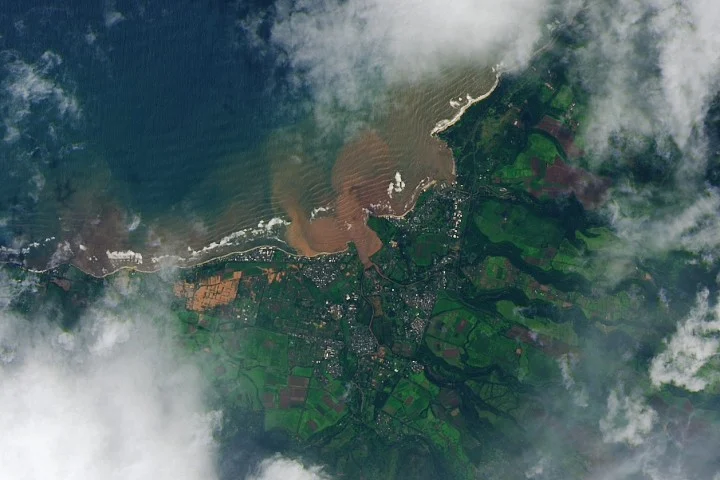
Back-to-back subtropical cyclones in March fueled destructive flash flooding on several of the Hawaiian Islands, plunging the archipelago into a state of emergency and leaving a trail of extensive damage. The unprecedented meteorological event, spanning over two weeks, delivered some of the most severe rainfall and wind impacts the state has experienced in decades, highlighting Hawaii’s inherent vulnerability to extreme weather phenomena.
The Unprecedented Deluge: March 2026 Kona Lows
March 2026 witnessed a relentless assault on the Hawaiian Islands by two distinct, yet equally potent, low-pressure systems. These weather phenomena, locally known as "kona lows," are a specific type of subtropical cyclone that typically form north or northwest of Hawaii and drift southward. Unlike tropical cyclones, which draw energy from warm ocean waters through latent heat release, subtropical cyclones derive their power from both tropical and extratropical characteristics, exhibiting a broader wind field and often generating significant rainfall far from their centers. Near Hawaii, these kona lows are particularly dangerous due to their capacity to siphon vast amounts of moisture from the warm tropical Pacific, subsequently fueling slow-moving, intense thunderstorms that unleash torrential rains over the islands.
The unique topography of the Hawaiian Islands significantly exacerbates the impact of such systems. As moist air masses are pushed against the steep volcanic slopes, they are forced to rise, cool, and condense, leading to orographic enhancement of rainfall. This process can concentrate rainfall into extremely localized areas, resulting in flash floods that surge down valleys and over urban landscapes with devastating speed and force. The March 2026 events epitomized this danger, as the two successive kona lows created conditions ripe for widespread inundation and destruction.
A Chronology of Catastrophe: March 11-24, 2026
The first and more destructive of the two systems began to impact the islands around March 11, 2026. Forecasters at the National Weather Service (NWS) Honolulu office issued early warnings, alerting residents to the potential for heavy rainfall and hazardous winds. By March 12, the system had intensified, bringing sustained downpours and powerful gusts across Maui, Molokai, and especially O’ahu. The peak intensity for the first system occurred between March 13 and 15, with O’ahu bearing the brunt of the storm’s fury. Satellite imagery from March 14 vividly captured the aftermath on O’ahu, showing vast stretches of submerged neighborhoods and agricultural lands, particularly between Mokuleia and Waialua. Plumes of reddish-brown suspended sediment, characteristic of Hawaii’s iron-rich volcanic Hilo soils, visibly discolored the waters of Kaiaka Bay and surrounding coastal areas, a stark indicator of the massive runoff and erosion.
Even as the first system began to recede, offering a brief respite, a second kona low rapidly developed and approached the islands. This second system, though slightly less intense in its rainfall totals, prolonged the period of unsettled weather, hindering initial recovery efforts and keeping emergency services on high alert. The ongoing threat of flash floods persisted, with the NWS Honolulu continuing to monitor atmospheric conditions closely through March 24, underscoring the prolonged nature of this weather crisis. The back-to-back nature of these storms left little time for drainage systems to clear or saturated grounds to dry, significantly increasing the risk and severity of subsequent flooding.
Record-Breaking Rainfall and Destructive Winds
The rainfall totals reported during the March 2026 events were staggering, setting new records across multiple locations. The National Weather Service confirmed that between March 11 and 15, many areas across the state received between 5 to 10 inches (13 to 26 centimeters) of rain. However, isolated pockets, particularly on the windward slopes, reported extreme accumulations exceeding 30 inches (76 centimeters) over the multi-day period. This extraordinary precipitation led to the breaking of daily rainfall records in major population centers including Honolulu on O’ahu, Hilo on Hawai’i Island, Līhuʻe on Kauaʻi, and Kahului on Maui, signifying the widespread nature of the deluge. For instance, Honolulu International Airport, a key weather station, reported its highest single-day rainfall for March in decades, far surpassing historical averages.
Beyond the deluge, the kona lows generated powerful and destructive winds. Widespread wind gusts between 60 and 75 miles per hour (97 and 121 kilometers per hour) were common across the islands. In some exposed coastal and elevated areas, gusts reached alarming speeds of up to 100 miles per hour (161 kilometers per hour), equivalent to a Category 2 hurricane. These hurricane-force winds contributed significantly to the destruction, downing trees, damaging power lines, and tearing roofs from structures, adding another layer of complexity to the disaster response.
Widespread Damage Across the Islands
The combined force of torrential rain and violent winds left a trail of extensive damage across the Hawaiian archipelago. O’ahu, being the most populous island, bore a disproportionate share of the impact. Preliminary assessments indicated that hundreds of homes across the island sustained significant damage, ranging from minor flooding to complete structural compromise. Residents recounted harrowing tales of water rapidly invading their homes, destroying personal belongings and forcing swift evacuations. The financial toll on homeowners is expected to be substantial, with many facing prolonged periods of displacement and costly repairs.
The agricultural sector, a vital component of Hawaii’s economy and food security, suffered immensely. Farmers across O’ahu and other affected islands reported millions of dollars in crop losses, infrastructure damage, and livestock disruption. News reports highlighted estimates of agricultural damage reaching upwards of $11 million, a figure that could climb higher as comprehensive assessments are completed. Critical crops such as taro, diversified vegetables, and tropical fruits were submerged or washed away, threatening the livelihoods of farming families and raising concerns about local food supply chains. Many farmers, already operating on thin margins, now face the daunting task of recovery without adequate safety nets, prompting calls for increased governmental and community support.
Infrastructure throughout the state also sustained significant damage. Roads were inundated, bridges compromised, and landslides blocked key arteries, particularly in rural and mountainous regions. Power outages were widespread; at the peak of the storms, as many as 115,000 residents on O’ahu alone were plunged into darkness, underscoring the fragility of the power grid in the face of such extreme events. Utility crews worked tirelessly to restore electricity, often hampered by ongoing hazardous conditions and damaged access routes. The economic disruption extended beyond direct physical damage, affecting tourism, local businesses, and daily life across the islands.
Environmental Impact: Sedimentation and Soil Erosion
The visual evidence from satellite imagery, particularly the comparison between January 25, 2026, and March 14, 2026, underscored the severe environmental consequences of the flooding. The dramatic discoloration of coastal waters around Kaiaka Bay on O’ahu by plumes of suspended sediment was a clear indicator of massive soil erosion. Hawaii’s distinctive Hilo soils, known for their rich red hue due to high levels of iron and aluminum oxide accumulated through weathering, are particularly susceptible to erosion when saturated. The intense rainfall mobilized vast quantities of this topsoil, washing it into streams and rivers, and ultimately depositing it into nearshore marine environments.
This significant influx of sediment into coastal waters can have detrimental effects on delicate marine ecosystems, including coral reefs and seagrass beds. Increased turbidity reduces light penetration, stressing photosynthetic organisms, while sediment deposition can smother corals and other benthic life. The long-term ecological impacts of such events on Hawaii’s unique and biodiverse marine environments are a major concern for environmental agencies and conservationists.
Emergency Response and Recovery Efforts
In the immediate aftermath of the storms, emergency response efforts were swiftly mobilized. The Hawaii Emergency Management Agency (HI-EMA) played a central role in coordinating statewide efforts, including search and rescue operations, damage assessments, and the provision of aid to affected communities. Governor’s declarations of emergency facilitated the rapid deployment of resources and personnel.
Crucially, NASA’s Disasters Response Coordination System was activated to support HI-EMA’s efforts. This system provides critical satellite data and analysis to disaster management agencies, offering invaluable insights into the extent of flooding, damage assessment, and changes in the landscape. NASA’s team began posting maps and data products on its open-access mapping portal, providing real-time information to responders on the ground. This scientific support is vital for effective resource allocation and strategic planning during and after such widespread natural disasters. The collaboration between federal scientific agencies and state emergency management highlights the increasingly integrated approach to disaster preparedness and response in the face of climate change and extreme weather events.
Hawaii’s Vulnerability and Future Preparedness
The March 2026 floods serve as a stark reminder of Hawaii’s inherent vulnerability to extreme weather events. While kona lows are not new to the islands, their intensity and the back-to-back nature of these systems underscore a growing concern for climate resilience. The archipelago’s unique geographical features, including its isolated location in the Pacific and its mountainous terrain, make it particularly susceptible to the impacts of a changing climate, which is projected to increase the frequency and intensity of heavy rainfall events globally.
The disaster has prompted renewed discussions about strengthening infrastructure, enhancing early warning systems, and improving community preparedness. Investments in resilient drainage systems, erosion control measures, and diversified agricultural insurance programs are becoming increasingly critical. Furthermore, public awareness campaigns about flash flood safety and emergency preparedness are essential to ensure residents are equipped to respond effectively to future events. The reliance on advanced meteorological forecasting and satellite monitoring, as demonstrated by the NWS and NASA’s contributions, will be paramount in mitigating the risks associated with Hawaii’s dynamic weather patterns.
Economic Repercussions and Agricultural Strain
The economic repercussions of the March 2026 floods are far-reaching. Beyond the immediate costs of property damage and emergency response, there will be significant long-term expenses associated with rebuilding infrastructure, supporting displaced families, and restoring agricultural productivity. The tourism industry, a cornerstone of Hawaii’s economy, also faced disruptions, with travel advisories and infrastructure damage potentially impacting visitor numbers in the short to medium term.
The strain on the agricultural sector, in particular, is a grave concern. The estimated $11 million in farm damages without a comprehensive safety net highlights a critical gap in disaster preparedness for this vital industry. Many small and medium-sized farms lack the resources to recover quickly from such extensive losses, threatening their existence and the broader goal of increasing local food production. Policymakers are now facing pressure to develop robust support mechanisms, including financial aid, technical assistance, and improved insurance options, to safeguard Hawaii’s farmers against future climate-related disasters.
The Role of Advanced Weather Monitoring
The accuracy and timeliness of weather forecasts played a crucial role in providing residents with advance warning, undoubtedly saving lives and allowing for some preparatory measures. The National Weather Service’s continuous monitoring and detailed advisories, coupled with the insights provided by satellite data from agencies like NASA, exemplify the critical importance of advanced meteorological science in disaster mitigation. These tools not only track the progression of storms but also assist in post-event assessment, mapping the extent of damage and aiding recovery operations. As Hawaii continues to grapple with the impacts of climate change, the investment in and utilization of sophisticated weather monitoring and prediction technologies will remain an indispensable component of its resilience strategy.
The March 2026 floods will undoubtedly serve as a watershed moment for Hawaii, prompting a comprehensive re-evaluation of its preparedness and adaptation strategies in the face of an increasingly volatile climate. While the immediate focus remains on recovery and rebuilding, the longer-term imperative is to foster a more resilient state, capable of withstanding the inevitable challenges posed by extreme weather in the years to come.