

The 65th edition of the Cannes Critics’ Week, a prestigious parallel section of the Cannes Film Festival dedicated to discovering emerging directorial talent, will commence with the highly anticipated animated feature In Waves. This marks a significant moment for the sidebar, as it is the first animated film to ever hold the opening night slot, underscoring a growing recognition of animation as a powerful storytelling medium. The festival is scheduled to run from May 13 to May 21, presenting a curated selection of eleven feature films that reflect a diverse range of voices and cinematic approaches from around the globe.
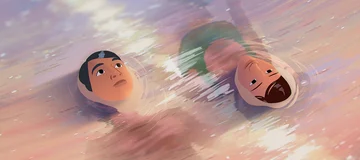
The selection, announced on Monday, features a compelling lineup of films that tackle complex themes, personal narratives, and societal issues. In Waves, directed by Phuong Mai Nguyen, is an adaptation of AJ Dungo’s acclaimed graphic novel and promises to captivate audiences with its unique visual style and emotionally resonant story.
A Heartfelt Opening Night: The Story of "In Waves"
In Waves draws inspiration from Dungo’s own lived experience, translating a deeply personal love story into a compelling animated narrative. Set against the backdrop of California, the film follows the evolving relationship between two friends from school, a skateboarder and a surfer, who eventually become lovers. Their bond is then put to the ultimate test by the specter of illness, exploring themes of love, resilience, and the profound impact of health challenges on relationships.
The English-language version of In Waves boasts an impressive voice cast, led by Will Sharpe and Stephanie Hsu, both recognized for their impactful performances in recent acclaimed projects. Critics’ Week will also screen the French version of the film, featuring the vocal talents of Lyna Khoudri, Rio Vega, Paul Kirscher, and Biran Ba, offering audiences a dual linguistic experience of Nguyen’s directorial vision.
This cinematic endeavor is a collaborative effort, produced by the French group Silex Films in partnership with Charades and Anonymous Content. Phuong Mai Nguyen’s previous work has already garnered critical attention, with her short film My Home earning an Oscar shortlist nomination, signaling her growing prowess as a filmmaker. The selection of In Waves as the opening film is a testament to its artistic merit and its potential to set a high standard for the festival’s program.
A Competitive Field: Exploring Global Narratives
Beyond its opening night selection, the Cannes Critics’ Week competition is set to showcase a robust and thought-provoking array of feature films. Seven films are vying for prestigious awards, including the Louis Roederer Foundation Rising Star Award and the Le Grand Prix AMI Paris, highlighting emerging talents in the international film scene.
Among the competitive entries is Dua, the latest work from Kosovan director Blerta Basholli. Basholli previously achieved significant acclaim by winning the Sundance Grand Jury Prize for her 2021 film Hive. Dua delves into the enduring repercussions of the Kosovo War of the 1990s, centering on the story of Dua, a thirteen-year-old girl whose family life continues to be profoundly shaped by the lingering effects of the conflict. This narrative promises to offer a poignant exploration of post-war trauma and generational impact.
Another compelling entry in the competition is Chinese director Zou Jing’s A Girl Unknown (original La deuxième fille). This film confronts the complex and often painful legacy of China’s decades-long one-child policy, a policy that regrettably led to the abandonment of thousands of baby girls across the country. The drama follows the journey of a young girl who navigates her early life and adolescence through a series of three different adoptive families, shedding light on the societal structures and personal challenges that arose from this historical policy.
Diverse Perspectives from Around the World
The festival also shines a spotlight on stories from regions often underrepresented in mainstream cinema. Scottish Yemeni director Sara Ishaq’s The Station has also secured a place in the Critics’ Week lineup. This drama is set in a women-only gas station in a gender-segregated, war-torn village in Yemen. The station serves as a vital communal space for the women, with the only tolerated male presence being Layal’s twelve-year-old brother, a fact that underscores Layal’s fierce determination to shield him from the ongoing conflict. This film offers a unique perspective on resilience and female solidarity in a challenging environment.
The competition roster further includes:
- Seis meses en el edificio rosa con azul (Six Months in the Pink and Blue Building), directed by Mexican filmmaker Bruno Santamaria Razo. This film is a 1990s-set family drama that unfolds against the backdrop of the AIDS crisis, a period that profoundly impacted communities worldwide.
- La Gradiva, the debut feature from French director Marine Atlan, marking her significant entry into the feature film landscape.
- Viva, from Spanish actress-turned-director Aina Clotet, which is expected to bring a fresh and personal perspective to the screen.
- Tin Castle, a documentary by French-Irish director Alexander Murphy. This film offers an intimate look into the life of an Irish Traveller family. It serves as Murphy’s follow-up to his 2025 film Goodbye Sisters, suggesting a continued exploration of nuanced cultural narratives.
Beyond Competition: Special Screenings and Closing Night
In addition to the competitive films, Cannes Critics’ Week will feature several special screenings, offering a broader spectrum of cinematic experiences. These include French directors Julien Gaspar-Oliveri’s Stonewall (original La Frappe) and Pierre Le Gall’s Flesh and Fuel (original Du Fioul dans les artères). These selections highlight the continued innovation and storytelling from French cinema.
The festival will conclude with the screening of Adieu monde cruel (Farewell Cruel World), directed by Félix de Givry. This French film features Milo Machado-Graner, who gained significant attention for his role in the Palme d’Or-winning Anatomy of a Fall. In Adieu monde cruel, Machado-Graner portrays a teenager who attempts suicide but survives, leading to a profound exploration of his journey and the aftermath of such a critical event.
Historical Context and Significance of Cannes Critics’ Week
Established in 1962, Cannes Critics’ Week stands as the oldest parallel section of the Cannes Film Festival. Its primary mission is to champion and discover first and second films by directors from across the globe, acting as a crucial launchpad for new cinematic voices. Over its decades of operation, Critics’ Week has been instrumental in introducing the world to filmmakers who have gone on to achieve international acclaim. The selection process is highly competitive, with submissions from hundreds of films reviewed by a dedicated jury. The focus on emerging talent and independent cinema makes it a vital platform for artistic innovation and diverse storytelling.
The announcement of the lineup typically generates significant buzz within the film industry, as distributors, critics, and cinephiles alike anticipate the discovery of the next generation of cinematic stars. The sidebar’s commitment to showcasing films that are often daring, experimental, or deeply personal, sets it apart from more commercially driven festival sections.
Analysis of the 2026 Lineup
The 2026 lineup for Cannes Critics’ Week reflects several key trends in contemporary filmmaking. The inclusion of In Waves as the opening film underscores the increasing acceptance and artistic recognition of animation as a legitimate and powerful cinematic art form, capable of conveying complex emotional narratives and sophisticated visual storytelling. This move challenges traditional perceptions of animation as solely a genre for children.
The competition section, in particular, highlights a commitment to addressing pressing social and political issues. Films like Dua and A Girl Unknown demonstrate a focus on narratives that explore the lasting impacts of conflict, historical policies, and societal structures on individual lives and communities. This suggests a growing desire within the festival circuit for films that engage with the world’s most urgent challenges and offer new perspectives on historical and ongoing events.
Furthermore, the geographical diversity of the selected films—spanning Europe, Asia, the Middle East, and North and Latin America—reinforces Critics’ Week’s role as a global cinema showcase. This broad representation ensures that a wide array of cultural experiences and storytelling traditions are brought to the forefront, enriching the festival’s overall offering and providing audiences with a more comprehensive understanding of the global cinematic landscape. The inclusion of documentaries like Tin Castle also signifies a continued appreciation for non-fiction storytelling and its capacity to illuminate often-overlooked communities and experiences.
The jury, tasked with awarding the coveted prizes, will undoubtedly face the challenging but rewarding task of selecting from a program rich in artistic ambition and thematic depth. The recognition from Cannes Critics’ Week can significantly impact a film’s trajectory, leading to wider distribution deals, critical acclaim, and ultimately, a broader audience for these emerging talents. The festival’s commitment to nurturing new directors ensures that its influence on the future of cinema remains profound and enduring.