


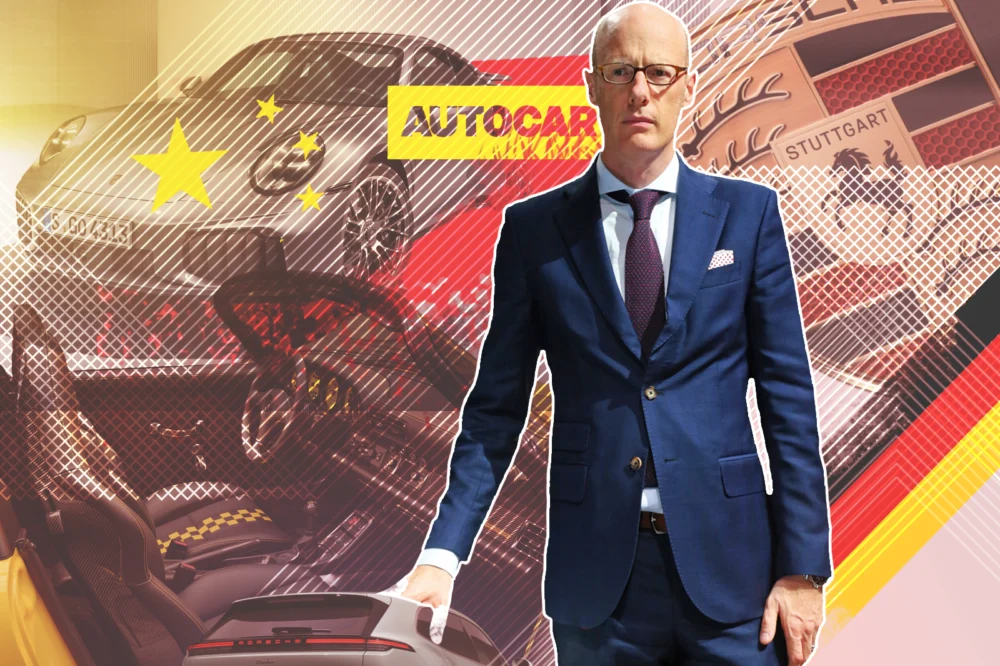
The foundational pillars that supported Porsche AG’s rise to the summit of the global automotive industry are undergoing a period of unprecedented volatility. For decades, the Stuttgart-based manufacturer operated within a predictable geopolitical and economic framework: global trade was expanding, environmental regulations were moving in a synchronized direction toward electrification, and German engineering was considered an unassailable benchmark that justified premium pricing across every continent. However, the contemporary landscape has shifted into a "different world" where these certainties no longer apply. Porsche now faces a complex matrix of challenges, including escalating trade tariffs, a cooling global market for electric vehicles (EVs), and a burgeoning threat from high-end Chinese brands that are no longer content with the budget segment.
The End of the Globalization Gold Rush
Present-day Porsche was built for a world that no longer exists—a world in which trade was largely free and regulations were converging toward a unified electric future. This era allowed Porsche to centralize its technological development in Germany while reaping the rewards of high-margin exports to the United States and China. That stability has been replaced by a fragmented global economy characterized by protectionism.
The financial impact of this shift is already visible on the balance sheet. Tariffs imposed during the administration of U.S. President Donald Trump, and the lingering trade tensions that followed, cost Porsche an estimated €700 million in the last fiscal year alone. Furthermore, the political landscape in the United States remains a source of significant uncertainty. With shifts in the American executive branch potentially leading to a wholesale reset of environmental regulations, the country is no longer on a guaranteed path toward total electrification. This creates a strategic dilemma for Porsche, which had committed to an aggressive transition to battery-electric vehicles (BEVs) to meet both European and American standards.
The EV Transition and Softening Demand
Porsche’s strategy was previously anchored in the "Road to 20" program, an ambitious plan to achieve a long-term return on sales of more than 20%. A critical component of this was the transition of its high-volume models, such as the Macan and the 718 Boxster/Cayman, to fully electric powertrains. However, the global market’s appetite for luxury EVs has shown signs of plateauing.
While the Taycan was an initial success, proving that Porsche could translate its performance DNA into the electric era, the broader adoption of EVs among luxury buyers has faced headwinds. High interest rates, the withdrawal of government incentives in key markets like Germany, and persistent concerns regarding charging infrastructure have slowed the momentum. For Porsche, this means the massive capital expenditures required to develop the Premium Platform Electric (PPE) must now be recouped in a market that is significantly more hesitant than it was three years ago.
The Chinese Challenge: A Two-Pronged Threat
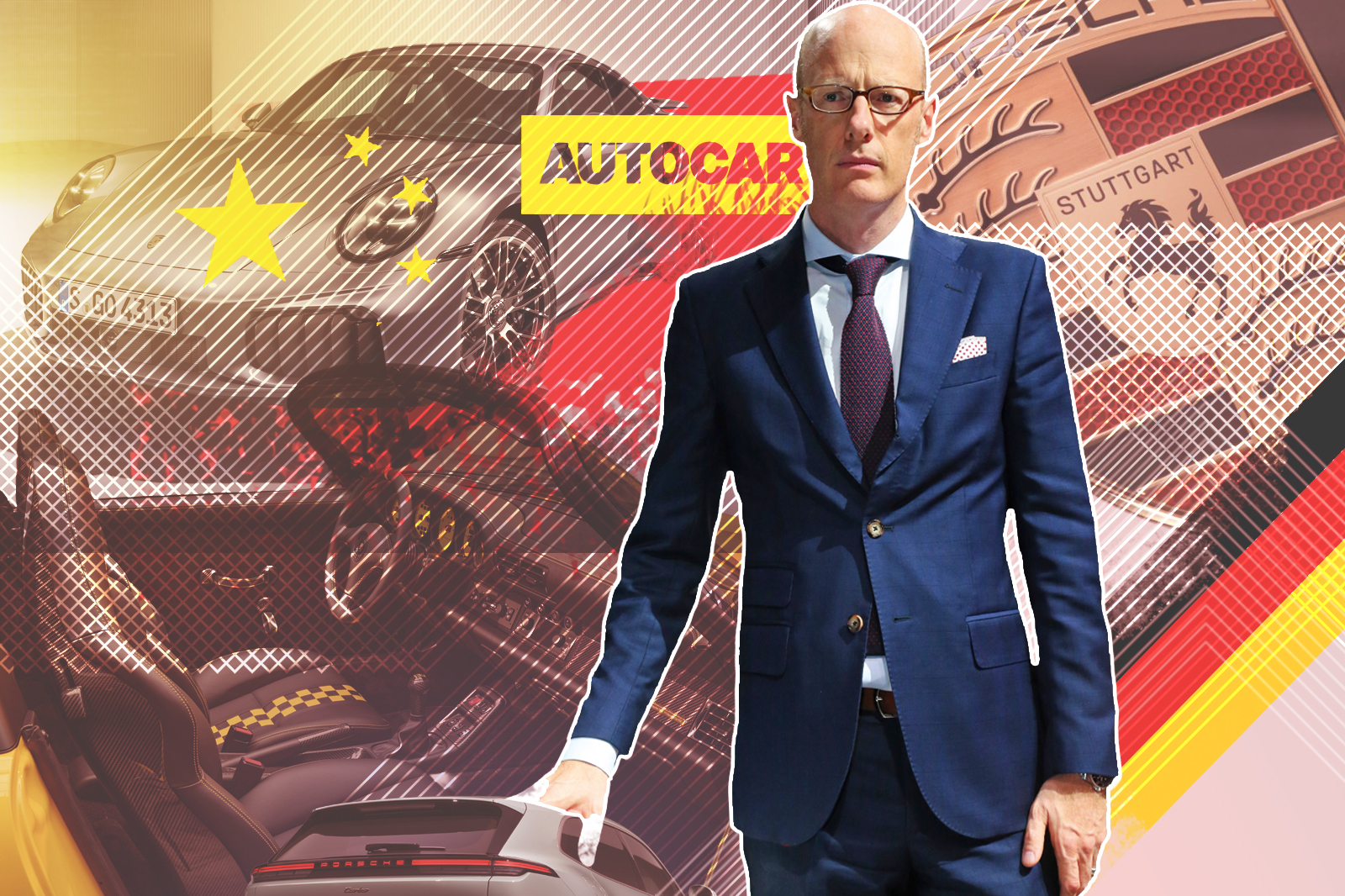
For the past decade, China was Porsche’s largest and most profitable market. The rise of the Chinese middle and upper classes fueled a seemingly insatiable demand for the Cayenne and Panamera. Today, that relationship has become fraught with risk. Porsche’s sales in China fell by 15% in 2023, a trend that has continued into 2024.
The challenge in China is twofold. First, there is a patriotic shift in consumer behavior, with wealthy Chinese buyers increasingly opting for domestic brands that offer superior in-car technology and software integration. Brands like Yangwang (BYD’s luxury arm), NIO, and Li Auto are producing vehicles that compete directly with Porsche on performance while offering digital ecosystems that German manufacturers are struggling to match.
Second, the threat of a trade war between the European Union and China looms large. As the EU considers imposing tariffs on Chinese-made EVs to protect its domestic industry, Beijing has hinted at retaliatory measures targeting large-engine European imports. Given that Porsche’s most profitable models are manufactured in Europe and exported to China, the brand is uniquely vulnerable to these geopolitical maneuvers.
Chronology of a Changing Strategy
To understand the scale of the challenge currently facing Porsche’s leadership, it is necessary to examine the timeline of the brand’s strategic evolution over the last decade:
- 2015: Porsche announces "Mission E," the concept that would eventually become the Taycan, signaling a definitive shift toward electrification following the "Dieselgate" scandal within the Volkswagen Group.
- 2019: The launch of the Taycan sets a new benchmark for electric performance, and Porsche announces that 80% of its lineup will be electrified by 2030.
- 2022: Porsche AG completes its Initial Public Offering (IPO), becoming one of Europe’s most valuable companies. The IPO was predicated on the brand’s ability to maintain luxury margins during the EV transition.
- 2023: Macroeconomic pressures begin to mount. Sales in China soften, and the company reports a €700 million hit from U.S. trade policies.
- 2024: The launch of the all-electric Macan arrives at a time of cooling EV demand. Porsche leadership begins to emphasize "flexibility," suggesting that internal combustion engine (ICE) versions of certain models may remain in production longer than previously planned to satisfy diverse global markets.
Supporting Data: Financial and Operational Metrics
The current state of Porsche can be quantified through several key performance indicators. In the 2023 fiscal year, Porsche delivered 320,221 vehicles, a 3% increase over the previous year. However, the regional distribution of these sales tells a more complex story. While deliveries in North America grew by 9% and in Europe (excluding Germany) by 10%, the 15% decline in China serves as a significant drag on overall growth.
Financial analysts have noted that Porsche’s operating profit margin, while still industry-leading at approximately 18%, is under pressure from rising R&D costs and supply chain disruptions. The company has invested billions into the PPE platform and the upcoming SSP Sport architecture, which will underpin a new flagship seven-seater SUV (codenamed K1). The success of these investments is contingent on a market recovery that has yet to materialize fully.
Official Responses and Strategic Pivots
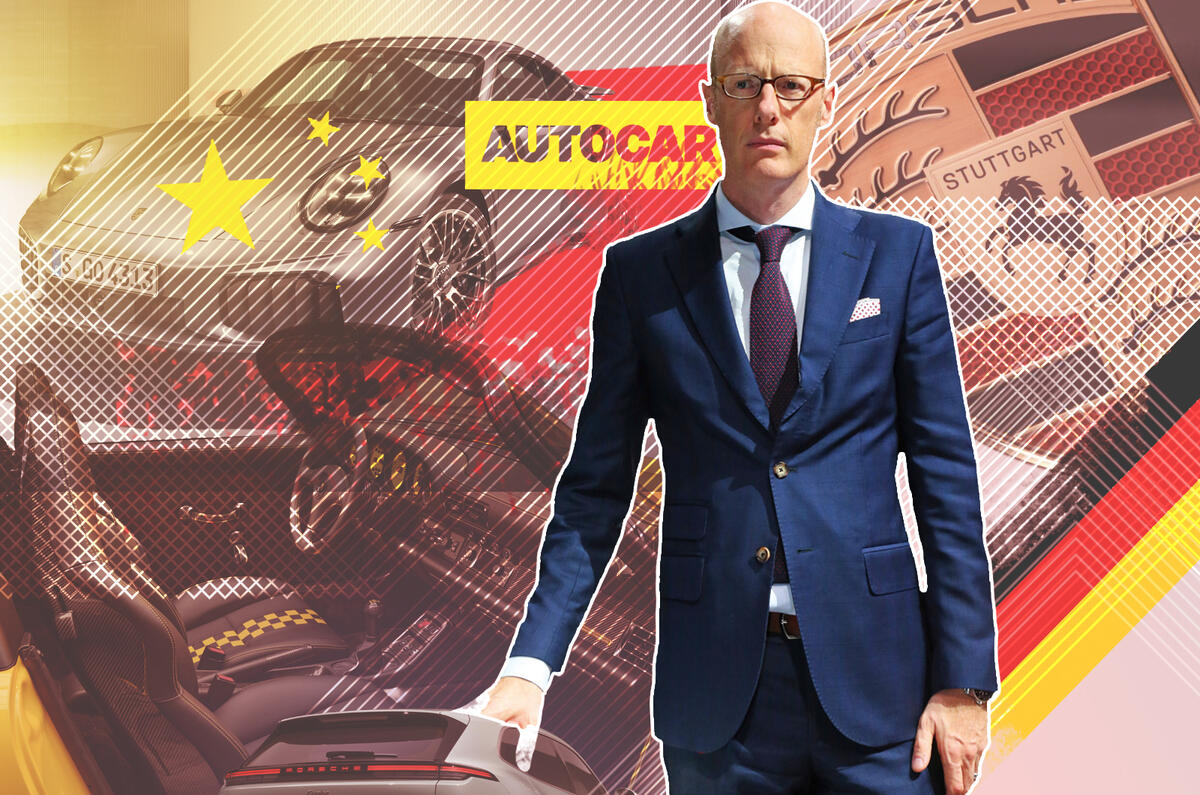
Porsche’s executive board, led by CEO Oliver Blume and CFO Lutz Meschke, has remained steadfast in the brand’s long-term vision while acknowledging the need for tactical agility. In recent earnings calls, Meschke has highlighted the "Road to 20" as the North Star for the company’s financial health, but he has also been vocal about the "unfair" nature of global trade barriers.
The company’s official stance has shifted from a rigid "EV-only" timeline to a more nuanced "balanced" approach. "Our strategy is characterized by high flexibility," Blume recently stated, noting that Porsche is prepared to offer a mix of high-efficiency internal combustion engines, performance hybrids, and all-electric vehicles well into the next decade. This is best exemplified by the recent refresh of the Porsche 911, which introduced a performance-focused hybrid system rather than a full battery-electric powertrain, preserving the model’s iconic character while meeting tighter emissions standards.
Broader Impact and Industry Implications
The challenges facing Porsche are symptomatic of a broader crisis within the European automotive sector. As a "lighthouse" brand, Porsche’s ability to navigate these waters will serve as a bellwether for the rest of the industry. If a brand with Porsche’s pricing power and emotional resonance struggles to maintain its margins amidst the EV transition and trade wars, the implications for mass-market manufacturers like Volkswagen, Renault, or Stellantis are even more dire.
The "different world" Porsche now inhabits is one where hardware excellence—the traditional strength of German carmaking—is no longer enough. The new battlegrounds are software, battery chemistry, and geopolitical lobbying. To remain successful, Porsche must transform from a traditional manufacturer into a technology-driven luxury house that can operate profitably in a de-globalized economy.
Future Outlook: The Path Forward
As Porsche moves toward the middle of the decade, its success will depend on three critical factors. First, the market reception of the Macan EV will determine if the brand can successfully transition its high-volume customers to electric power. Second, the company must find a way to stabilize its position in China, perhaps through deeper local partnerships or localized R&D that caters specifically to Chinese digital preferences. Finally, Porsche must continue to leverage its "heritage" status to maintain high transaction prices even as the cost of EV technology remains elevated.
The "Leiters’ challenge"—a reference to the engineering and strategic leadership required to reshape the brand—is not merely about building faster cars. It is about reinventing the logic of a luxury automotive company for an era defined by volatility. Porsche has survived existential threats before, most notably in the early 1990s before the launch of the Boxster and Cayenne. The current era requires a similar level of reinvention, moving away from the "Germany-centred" model toward a truly globalized, yet locally resilient, operational structure. The world has changed, and Porsche is now in the midst of a total rethink to ensure it is not left behind by the very future it helped to envision.