



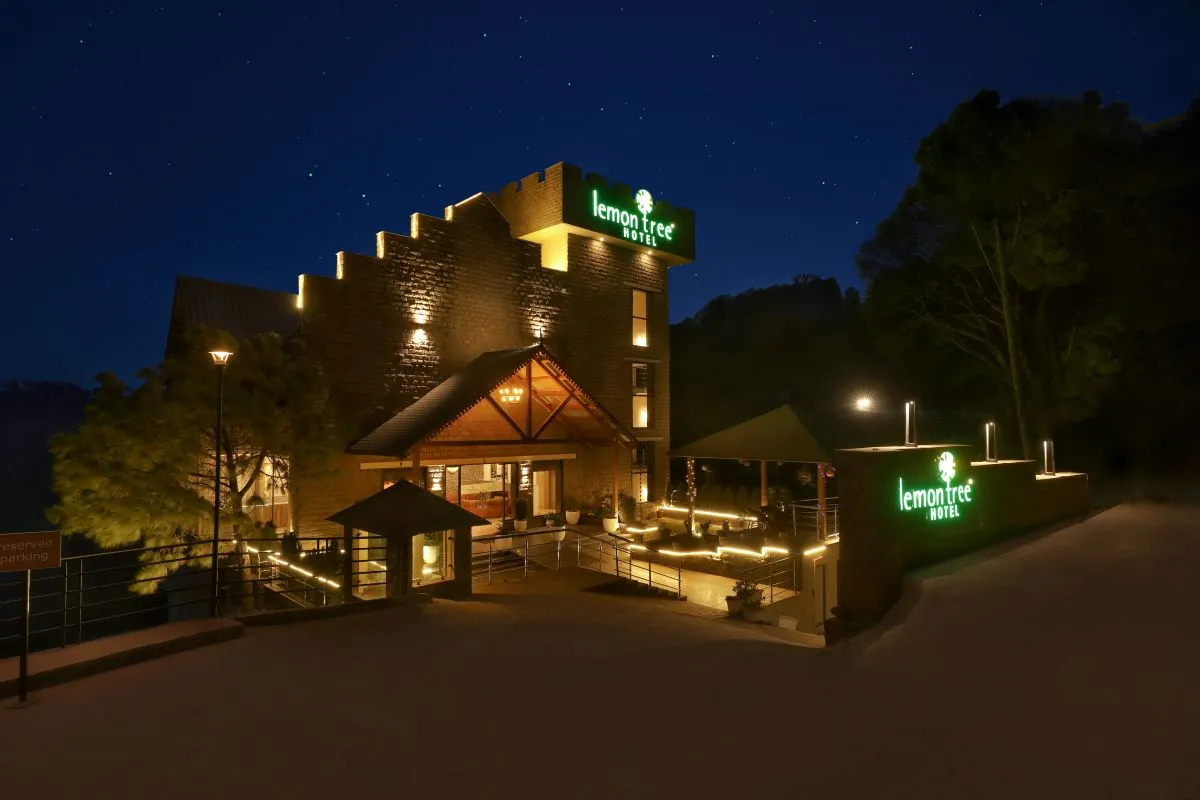
Lemon Tree Hotels, one of India’s most prominent hospitality groups, has reported a landmark fiscal year ending March 31, 2026, characterized by an unprecedented rate of expansion and a fundamental shift in its operational philosophy. In an official statement released on Monday, the company confirmed it had signed 56 new properties and successfully opened 20 hotels during the 2025–2026 fiscal period, marking what management described as a "record year" for the brand. This surge in activity brings the company’s total operational footprint to 131 hotels, encompassing over 11,000 rooms across various segments, while simultaneously securing a massive pipeline of 138 upcoming properties.
The record-breaking performance comes on the heels of a transformative corporate restructuring announced in January 2026. Under this new strategic framework, the group has effectively bifurcated its operations into two distinct entities to optimize capital efficiency and accelerate market penetration. Lemon Tree Hotels will henceforth operate as an asset-light management platform, focusing exclusively on brand expansion, hotel management, and franchising through partnerships with third-party owners. Parallelly, a separate entity titled Fleur Hotels has been designated to manage the asset-heavy side of the business, focusing on the ownership, development, and long-term investment of hotel real estate.
The Strategic Shift to an Asset-Light Management Model
The decision to split the company’s core functions represents a significant evolution in the Lemon Tree business model, which was historically known for a mix of owned and leased properties. By pivoting toward an asset-light strategy, Lemon Tree Hotels aims to mirror the growth trajectories of global hospitality giants like Marriott International and Hilton. This model allows the company to scale its brand presence rapidly without the heavy financial burden of land acquisition and construction costs.
The primary objective of this restructuring is to increase the Return on Capital Employed (ROCE) and reduce the debt associated with large-scale real estate development. By partnering with third-party developers who provide the capital and the physical assets, Lemon Tree can focus its resources on technology, loyalty programs, marketing, and operational excellence. This shift is particularly timely as the Indian hospitality market experiences a surge in demand for branded midscale and upscale accommodations in Tier 2 and Tier 3 cities, where local developers often seek professional management expertise to maximize their property’s value.
Fleur Hotels, the dedicated investment arm, will continue to hold the group’s existing owned assets and handle future high-value developments. This separation provides investors with a clearer choice: they can invest in the high-growth, high-margin management business of Lemon Tree or the stable, asset-backed real estate portfolio of Fleur Hotels.
Analyzing the 2026 Expansion Data and Portfolio Growth
The signing of 56 properties in a single fiscal year is a milestone that underscores the market’s confidence in the Lemon Tree brand. To put this in perspective, the company signed more than one property per week on average throughout the year. The 20 new hotel openings in the same period indicate a robust execution capability, ensuring that signings are translated into operational inventory with minimal lag.
As of the close of fiscal 2026, Lemon Tree’s portfolio consists of:
- Operational Hotels: 131
- Total Room Count: 11,000+
- Pipeline Properties: 138
- Active Brands: Aurika (Upscale/Luxury), Lemon Tree Premier (Upper Midscale), Lemon Tree Hotels (Midscale), Red Fox Hotels (Economy), and Keys (Focused Service).
The diversification across these brands has allowed the group to capture a wide demographic of travelers. The "Aurika" brand, in particular, has seen significant traction in the upscale segment, providing a luxury experience that caters to high-net-worth domestic travelers and international tourists. Meanwhile, the core "Lemon Tree" and "Red Fox" brands continue to dominate the business travel and budget segments, providing consistent revenue streams.
Historical Context and Chronology of Growth
The journey to this record-breaking year began in 2002, when Patanjali Keswani founded Lemon Tree Hotels with a single property in Gurgaon. Over the last two decades, the company has navigated various economic cycles, consistently expanding its footprint through a combination of organic growth and strategic acquisitions.
- 2002–2010: Foundational years focused on establishing the midscale segment in major Indian metros.
- 2012: Formation of the Fleur Hotels joint venture with the Netherlands-based APG, one of the world’s largest pension funds, providing the capital necessary for large-scale asset ownership.
- 2018: Successful Initial Public Offering (IPO), which elevated the company’s profile and provided liquidity for further expansion.
- 2019: Acquisition of the Keys Hotels brand from Berggruen Hotels, adding significantly to the room count and geographical reach.
- 2023–2025: Post-pandemic recovery period where the company began aggressively signing management contracts, testing the feasibility of an asset-light future.
- January 2026: Formal announcement of the corporate split into Lemon Tree (Asset-Light) and Fleur Hotels (Asset-Heavy).
- March 2026: Conclusion of the record fiscal year with 56 signings and 20 openings.
Market Drivers and Industry Implications
Several external factors have contributed to Lemon Tree’s rapid expansion. The Indian government’s focus on infrastructure development—specifically the expansion of regional airports and high-speed rail networks—has opened up new tourism and business hubs. The "Viksit Bharat" vision and the rise of the domestic middle class have created a sustainable demand for branded, reliable, and standardized hotel stays.
Industry analysts suggest that Lemon Tree’s aggressive move into management contracts is a response to the changing landscape of Indian real estate. Developers in smaller cities are increasingly looking to move away from unorganized hospitality and are seeking the "trust factor" associated with national brands. By offering a range of brands from economy to upscale, Lemon Tree provides a versatile solution for these developers.
Furthermore, the "Aurika" brand’s success in markets like Mumbai and Udaipur has proven that Lemon Tree can compete in the upscale segment, which typically offers higher Average Daily Rates (ADR) and better margins. The upcoming pipeline of 138 properties is expected to include a significant percentage of these higher-tier rooms, which will likely improve the group’s overall Revenue Per Available Room (RevPAR) metrics in the coming years.
Management Perspective and Stakeholder Reaction
While official quotes from the Monday statement were concise, industry observers and stakeholders have reacted positively to the group’s performance. Sources close to the company indicate that the management team is focused on achieving a target of 20,000 rooms by the end of the next three-year cycle. The split into two platforms is seen as a way to streamline operations and make the company more attractive to institutional investors who prefer specific business models.
"The bifurcation allows for a more focused management approach," noted a senior hospitality consultant. "Lemon Tree can now act as a pure-play service provider, which is generally valued at higher multiples in the stock market, while Fleur Hotels can manage the long-term appreciation of the real estate assets. This is a win-win for shareholders."
Third-party hotel owners have also expressed satisfaction with the partnership model. By joining the Lemon Tree network, independent hotels gain access to a centralized reservation system, a loyalty program with millions of members, and standardized procurement processes that significantly reduce operating costs.
Future Outlook: The Road to 200 Hotels
With 131 operational hotels and a pipeline of 138, Lemon Tree Hotels is on a clear trajectory to becoming one of the largest hospitality players in the Asian market. The immediate focus for the remainder of 2026 and into 2027 will be the conversion of the pipeline into operational inventory.
Key areas of growth include:
- Leisure Destinations: Increasing presence in "bleisure" (business + leisure) locations such as Goa, Rishikesh, and Shimla.
- International Forays: While primarily focused on India, the group has already established a presence in Dubai and Bhutan, with further international management contracts rumored to be in the works.
- Sustainability Initiatives: As part of its growth, Lemon Tree has committed to Environmental, Social, and Governance (ESG) goals, including increasing the percentage of employees from marginalized backgrounds and implementing green building standards across new properties.
The company’s ability to sustain this momentum will depend on its capacity to maintain service standards across a rapidly growing network and its success in navigating the competitive pressures of the Indian market, where international brands are also aggressively expanding. However, with the structural changes implemented this year and a record-breaking signings tally, Lemon Tree Hotels appears well-positioned to capitalize on the "Golden Age" of Indian hospitality.
The fiscal year 2026 will likely be remembered as the turning point when Lemon Tree transitioned from a regional owner-operator to a national management powerhouse. As the 138 pipeline properties begin to come online, the company’s influence on the Indian travel landscape is set to reach unprecedented levels, redefining the mid-market hospitality experience for millions of travelers.