


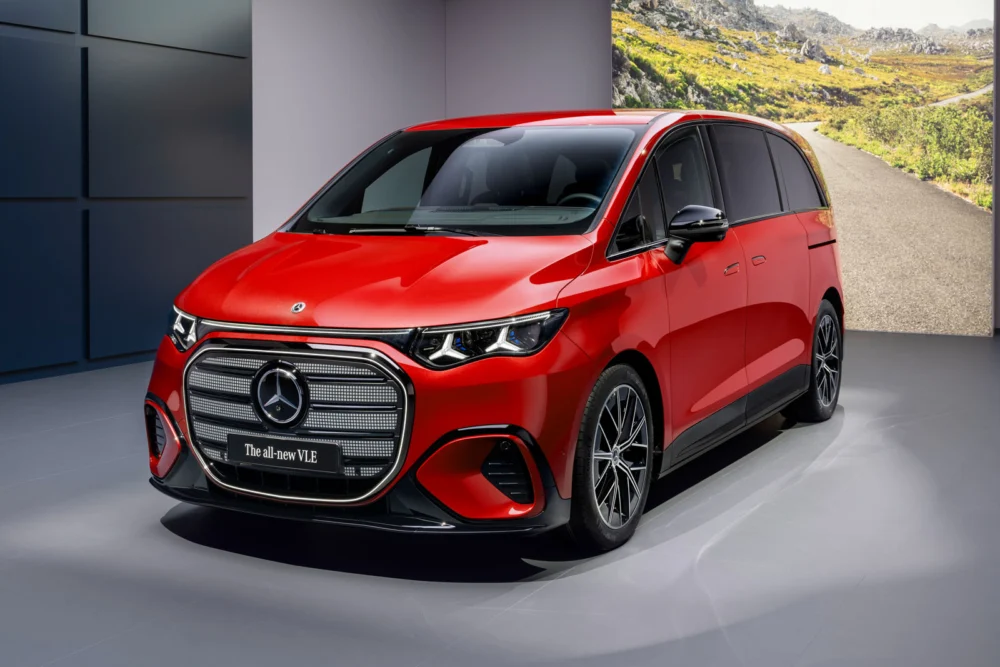
The global automotive landscape is witnessing a significant shift in the premium multi-purpose vehicle (MPV) segment as Mercedes-Benz unveils the VLE, a dedicated electric people carrier designed to supersede the outgoing EQV. This transition represents more than a mere model update; it signifies a fundamental pivot in how the Stuttgart-based manufacturer approaches luxury transport. By moving away from internal combustion engine (ICE) platforms adapted for electric drivetrains, Mercedes-Benz is introducing a bespoke electric architecture that prioritizes range, technological integration, and a level of refinement previously reserved for its flagship sedans.
The VLE arrives as the vanguard of a broader strategic overhaul within the Mercedes-Benz Vans division. As the first model to utilize the innovative VAN.EA (Mercedes-Benz Van Electric Architecture) platform, the VLE serves as a blueprint for the brand’s future lineup of electric-first transport solutions. This modular framework allows for greater flexibility in design and battery placement, enabling the VLE to push the boundaries of what is expected from a van-shaped vehicle. The introduction of the VLE is not merely an attempt to retain existing MPV customers but is a calculated move to attract a new demographic of buyers who require the utility of a larger vehicle without compromising on the prestige and comfort associated with the E-Class or S-Class.
Engineering Excellence and Powertrain Dynamics
At the heart of the VLE’s performance is a sophisticated powertrain designed to alleviate the range anxiety often associated with large electric vehicles. The initial market offering, designated as the VLE 300, features a robust 268bhp electric motor. This variant is equipped with a high-capacity 115kWh nickel-manganese-cobalt (NMC) battery pack, which facilitates a driving range exceeding 435 miles (700 kilometers) on a single charge. Such a figure places the VLE at the top of its class, making it a viable option for long-distance luxury travel and high-end shuttle services.
To support this substantial battery capacity, Mercedes-Benz has implemented an 800V electrical architecture. This high-voltage system is a critical differentiator in the premium EV market, allowing for ultra-fast charging capabilities. When connected to a compatible high-powered DC charger, the VLE can recoup 199 miles of range in approximately 15 minutes. Furthermore, the vehicle supports bidirectional charging, allowing it to function as a mobile power source for external devices or even contribute energy back to a home grid, enhancing its utility in both professional and private settings.
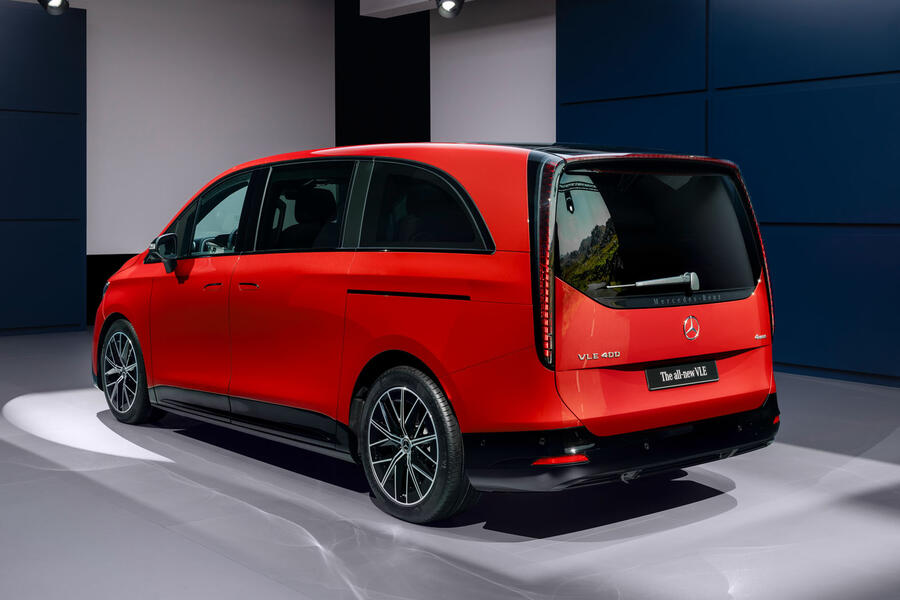
For those seeking higher performance, the VLE 400 will provide a dual-motor, four-wheel-drive configuration. This model produces 409bhp and is capable of accelerating from 0 to 62mph in just 6.5 seconds—a remarkable feat for a vehicle of its dimensions. Looking ahead to the next calendar year, Mercedes-Benz plans to broaden the lineup with entry-level variants featuring 80kWh lithium-iron-phosphate (LFP) batteries. These models will offer a more accessible price point while maintaining the core technological advantages of the VAN.EA platform.
Aerodynamic Innovation and Exterior Design
The design of the VLE represents a departure from the traditional, boxy silhouettes of the V-Class lineage. Measuring 5309mm in length, the VLE adopts a lower, more streamlined profile that emphasizes aerodynamic efficiency. Through extensive wind-tunnel testing and the integration of flush surfaces, engineers have achieved a drag coefficient (Cd) of just 0.25. This figure is exceptionally low for a van and matches the aerodynamic performance of the Mercedes-Benz EQE SUV, directly contributing to the vehicle’s impressive range and reduced cabin noise at highway speeds.
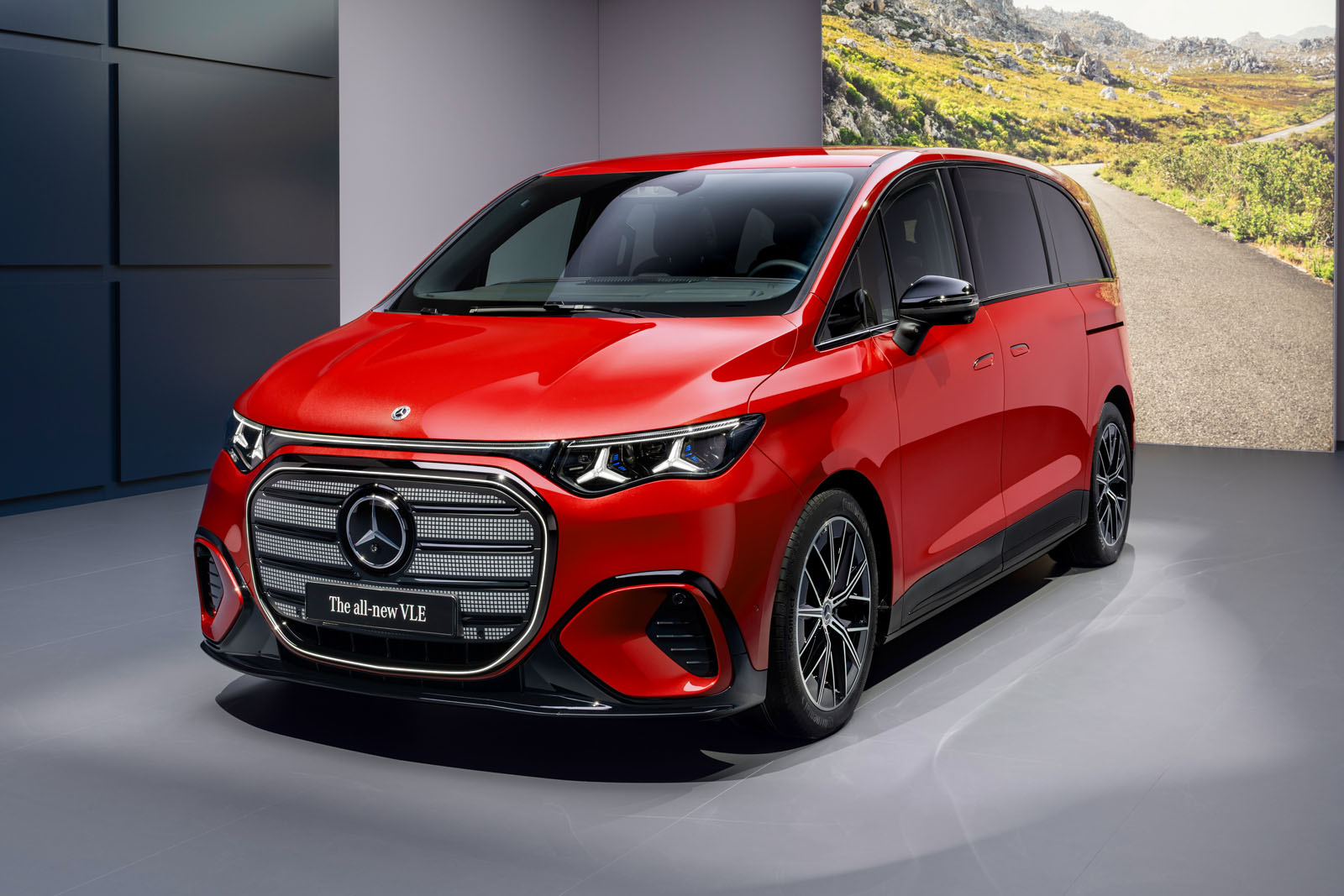
Manoeuvrability, often a challenge for vehicles of this size, has been addressed through the inclusion of active rear-wheel steering. The system allows the rear wheels to turn at angles of up to 7 degrees. At low speeds, the rear wheels turn in the opposite direction to the front wheels, effectively shortening the turning circle to 10.9 meters. This makes the VLE significantly easier to navigate through tight urban environments and parking structures, a key requirement for private owners and professional chauffeurs alike.
A Sanctuary of Technology and Connectivity
The interior of the VLE is where the transition from a traditional van to a "luxury lounge" is most apparent. The vehicle marks the debut of the Mercedes-Benz Operating System (MB.OS), a proprietary software architecture that integrates the vehicle’s infotainment, navigation, and automated driving functions. Central to this experience is an AI-powered voice assistant capable of natural language processing and personalized user interactions. The system is designed to evolve over time through over-the-air (OTA) software updates, ensuring that the vehicle’s tech remains current throughout its lifecycle.
The dashboard can be specified with the Mercedes-Benz Superscreen, a massive glass panel that spans the entire width of the cockpit, housing multiple high-definition displays for both the driver and the front passenger. In the rear cabin, the focus shifts to passenger "wellbeing" and entertainment. A 31.3-inch, 8K-resolution cinema screen can be deployed from the headliner, transforming the rear seating area into a mobile theater or a high-end office suite.
Versatility remains a cornerstone of the VLE’s appeal. The interior can be configured to accommodate between five and eight occupants. A standout feature is the design of the removable seats; unlike traditional heavy seats that require significant physical effort to extract, the VLE’s seats are equipped with integrated rollers. This allows them to be easily wheeled out of the vehicle and moved across flat surfaces. When the rear seats are removed, the VLE offers a cavernous 4078 litres of load space, rivaling the capacity of dedicated commercial vans. Alternatively, customers can opt for electronically adjustable "captain’s chairs" that can be moved through various preset configurations for maximum comfort.
Strategic Market Positioning and Executive Vision
The launch of the VLE is a calculated response to the changing demands of the global luxury market. Benjamin Kaehler, Chief Engineer for the project, noted that the goal is to capture a segment of the market that previously overlooked the V-Class. "We hope that we can address customers who aren’t even looking at a V-Class today," Kaehler explained in a statement to Autocar. He highlighted the "E-Class buyer" who occasionally requires more volume for hobbies—such as transporting a bicycle—or additional seating for family outings, but who refuses to compromise on the luxury experience.
This strategy reflects a broader trend in the automotive industry where the boundaries between vehicle segments are blurring. In markets such as China and parts of Southeast Asia, ultra-luxury MPVs have already surpassed traditional limousines in popularity among corporate executives and high-net-worth individuals. By positioning the VLE as a high-tech, long-range electric alternative, Mercedes-Benz is positioning itself to lead this trend in Europe and North America.
The VLE is also the precursor to an even more exclusive model: the VLS. While the VLE targets the premium family and shuttle market, the upcoming VLS is expected to be an "S-Class van," featuring even higher levels of material quality and exclusive amenities. This tiered approach allows Mercedes-Benz to cover a wide spectrum of the luxury market using a single, highly efficient platform.
Timeline, Production, and Future Outlook
The introduction of the VLE follows a structured roadmap for Mercedes-Benz’s electrification journey. Following the initial launch of the VLE 300 and VLE 400, the 2025 rollout of LFP-equipped models will cater to urban-centric fleets and price-sensitive private buyers. Furthermore, recognizing that the transition to full electrification varies by region, Mercedes-Benz has confirmed that combustion-engined variants will follow at a later date. These will be based on the related VAN.CA platform, ensuring that the brand maintains its global market share in regions where charging infrastructure is still developing.
The production of the VLE and subsequent VAN.EA models represents a significant investment in Mercedes-Benz’s manufacturing facilities, particularly in Vitoria, Spain, which has historically been the hub for V-Class production. The shift to a dedicated EV platform requires a complete retooling of assembly lines and a new supply chain for high-voltage components.
Broader Implications for the Automotive Industry
The arrival of the Mercedes-Benz VLE is likely to trigger a competitive response from other premium manufacturers. Currently, the VLE competes with the likes of the Volkswagen Multivan and ID. Buzz, as well as emerging luxury electric MPVs from Chinese brands like Zeekr and Li Auto. By offering a range of over 435 miles and 800V charging, Mercedes-Benz has set a new benchmark for the segment.
The VLE’s success will be a litmus test for the viability of high-end electric vans in the private sector. If Mercedes-Benz can successfully convince traditional sedan and SUV buyers to switch to a luxury MPV, it could signal a permanent shift in consumer preferences toward more versatile, space-efficient luxury vehicles. Moreover, the integration of MB.OS and bidirectional charging suggests that the vehicle of the future will be as much a digital hub and a mobile energy asset as it is a mode of transportation.
In conclusion, the Mercedes-Benz VLE is a bold statement of intent. It combines the utilitarian strengths of a van with the technological sophistication of a flagship electric sedan. As the first of many models to emerge from the VAN.EA platform, it establishes a high standard for range, charging speed, and interior luxury, ensuring that Mercedes-Benz remains at the forefront of the evolving electric mobility landscape.