



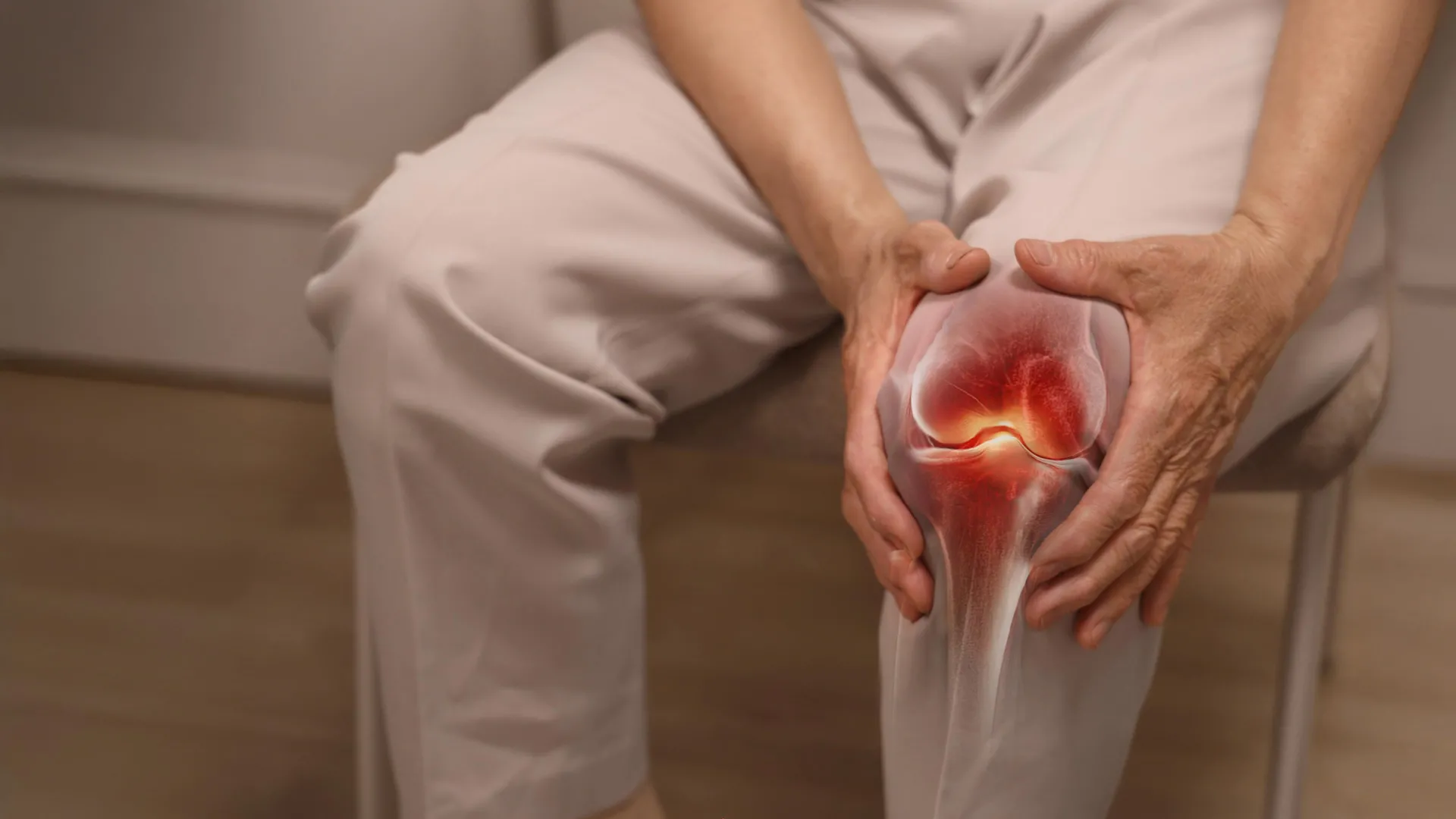
Stiff knees, sore hips, and persistent joint pain are frequently dismissed as inevitable consequences of aging. However, osteoarthritis, the most prevalent joint disease globally, is not being managed in accordance with current scientific understanding. Experts highlight that the primary obstacle is not a scarcity of treatment options, but rather a failure to implement the most effective one. This underutilization of a fundamental therapy is leaving millions grappling with preventable pain and functional decline.
The Overlooked Power of Exercise in Osteoarthritis Management
Contrary to common perception, the most potent therapeutic intervention for osteoarthritis is not found within a prescription bottle or the sterile environment of an operating room. It is, in fact, movement. Despite overwhelming evidence, a significant disconnect persists within many healthcare systems and national policies, where patients are infrequently directed towards exercise, the one therapy unequivocally proven to alleviate pain and safeguard joint integrity.
Exercise is widely recognized by the medical community as a cornerstone treatment for chronic joint conditions like osteoarthritis. Its long-term benefits in managing symptoms and slowing disease progression are well-documented. Nevertheless, a striking minority of patients diagnosed with this debilitating condition are formally prescribed exercise programs or referred to physical therapy by their primary care providers. This oversight is compounded by the fact that a substantial proportion of patients receive treatments that are not supported by current clinical guidelines. Furthermore, a concerning number of individuals are referred for surgical consultation before non-surgical avenues, particularly exercise, have been thoroughly explored and exhausted.
The Science Behind Exercise’s Protective Effects on Joints
To fully appreciate the critical role of movement in managing osteoarthritis, it is essential to understand the intricate biomechanics of a healthy joint. Osteoarthritis, the most common form of arthritis, currently affects over 595 million individuals worldwide. Projections from a significant analysis published in The Lancet forecast that this figure could escalate to approach one billion by 2050. This alarming rise is attributed to a confluence of factors, including increasing lifespans, a growing prevalence of sedentary lifestyles, and escalating rates of overweight and obesity.
Regular physical activity transcends mere symptom relief; it possesses the capacity to biologically and physically mitigate the risk of developing osteoarthritis and to diminish its severity. The smooth tissue that cushions the ends of bones, known as cartilage, lacks its own direct blood supply. Instead, it relies on the mechanical forces generated by movement to maintain its health and vitality. When a joint bears weight, such as during walking, the cartilage is gently compressed, expelling fluid. Upon release of this pressure, the cartilage imbibes fluid, drawing in essential nutrients and natural lubricants. Each step, therefore, contributes to the nourishment and preservation of the joint’s structural integrity.
This understanding refutes the simplistic and misleading notion of osteoarthritis as mere "wear and tear." Joints are not analogous to mechanical components that inevitably degrade over time. Rather, osteoarthritis is better conceptualized as a complex, long-term process involving both breakdown and repair mechanisms. Within this dynamic, regular movement plays an indispensable role in facilitating healing and sustaining the overall health of the entire joint structure.
Osteoarthritis: A Holistic Joint Disease Demanding Comprehensive Care
It is a common misconception that osteoarthritis solely impacts cartilage. In reality, it is a multifaceted disease that affects the entire joint complex. This includes the synovial fluid, the underlying bone, the ligaments providing stability, the surrounding musculature responsible for movement and support, and even the neural pathways that govern motor control.
Targeted exercise interventions are uniquely positioned to address these interconnected components simultaneously. Muscle weakness is one of the earliest indicators of osteoarthritis, and resistance training has demonstrated significant efficacy in reversing this decline. Robust evidence substantiates that weakened muscles heighten the risk of both developing osteoarthritis and experiencing accelerated disease progression.
Specialized neuromuscular exercise programs, such as GLA:D® (Good Life with osteoArthritis: Denmark), have been specifically designed for individuals suffering from hip and knee osteoarthritis. These programs, typically delivered in supervised group settings under the guidance of physical therapists, prioritize the enhancement of movement quality, balance, and muscular strength. The overarching objective is to bolster joint stability and restore patient confidence in their ability to move freely and effectively. Clinical outcomes from participants in these programs have consistently shown meaningful reductions in pain, improved joint function, and enhanced quality of life, with benefits often persisting for up to 12 months post-completion.
The systemic benefits of exercise extend far beyond the affected joints. It has proven advantageous across a spectrum of more than 26 chronic diseases. In the context of osteoarthritis, its impact is not limited to muscle strengthening and cartilage support. Exercise also plays a crucial role in modulating inflammation, addressing metabolic dysregulation, and influencing hormonal shifts that contribute to the disease’s pathogenesis.
The Interplay of Inflammation, Obesity, and Joint Damage
Obesity stands as a significant risk factor for the development and exacerbation of osteoarthritis. The detrimental effects of excess body weight are not solely attributable to increased mechanical stress on the joints. Adipose tissue is metabolically active and releases inflammatory molecules into the bloodstream and joint tissues. These inflammatory mediators can directly damage cartilage and accelerate the degenerative process.
Regular physical activity offers a powerful countermeasure to these inflammatory processes at a molecular level. It has been shown to reduce circulating inflammatory markers, mitigate cellular damage, and even influence gene expression in ways that promote joint health. This molecular impact underscores the profound systemic benefits of exercise in combating osteoarthritis.
Prioritizing Exercise Before Surgical Intervention
Currently, there are no pharmaceutical interventions capable of altering the fundamental trajectory of osteoarthritis. While joint replacement surgery can offer transformative relief for select individuals, it is a major surgical undertaking with inherent risks and does not guarantee uniformly positive outcomes for all patients.
Consequently, exercise should be considered the foundational treatment and remain an integral component of care at every stage of osteoarthritis progression. Its risk profile is considerably lower than that of surgery, and it offers a broad array of health benefits that extend well beyond joint health. Osteoarthritis is not merely a consequence of "worn-out" joints; it is a complex condition influenced by a multitude of factors, including muscular strength, systemic inflammation, metabolic status, and lifestyle choices.
Structured and consistent exercise programs address many of these contributing drivers concurrently, thereby protecting cartilage, supporting the entire joint structure, and promoting overall well-being. Before considering surgical options, embracing movement remains one of the most potent and accessible treatments available for managing osteoarthritis effectively. The consistent underutilization of this evidence-based therapy represents a critical failure in public health and clinical practice, one that demands urgent attention and systemic reform to improve the lives of millions affected by this common and often debilitating condition.