



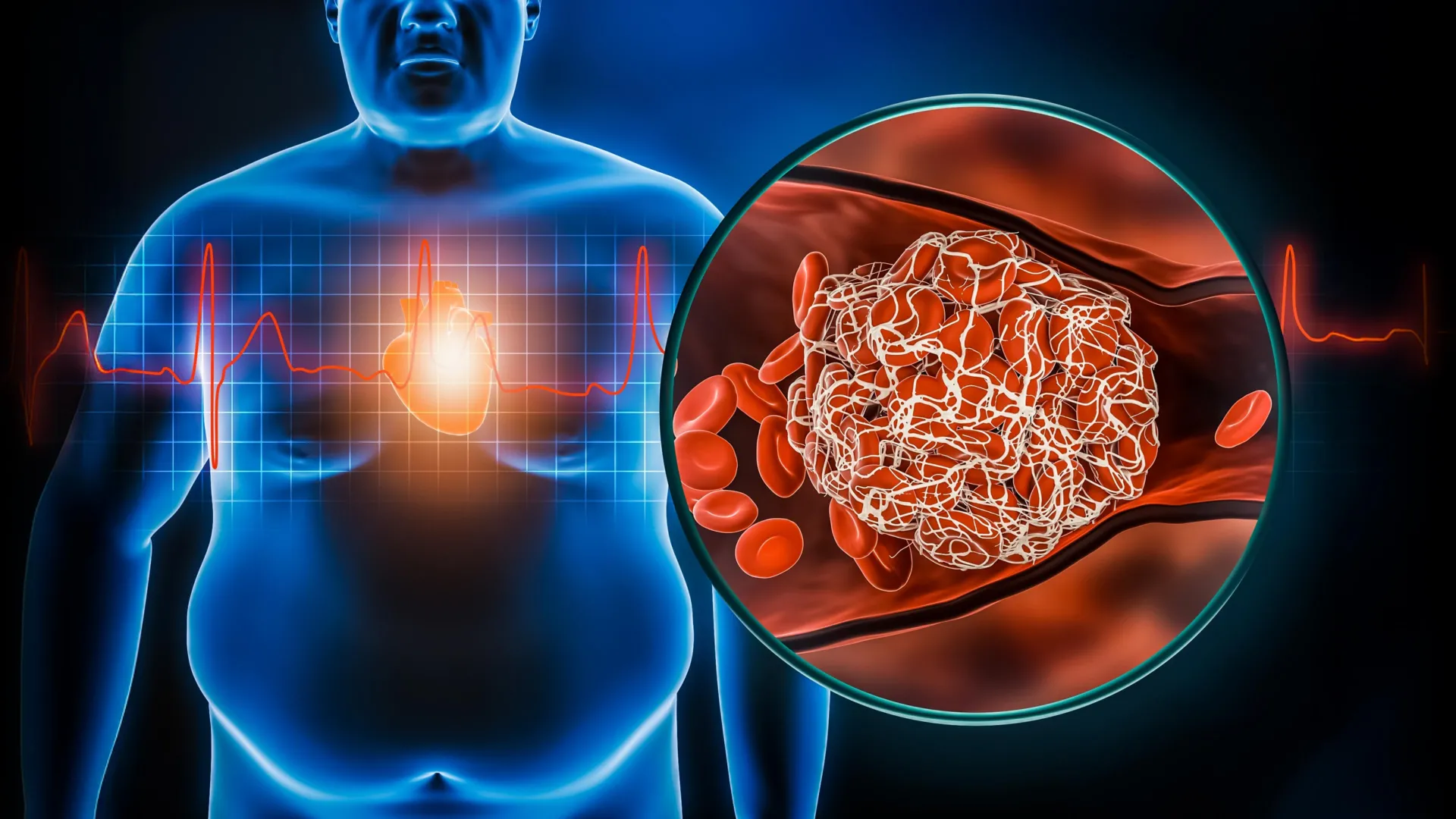
Istanbul, Turkey – New research presented at the prestigious European Congress on Obesity (ECO) in Istanbul, Turkey, held from May 12-15, 2024, has illuminated significant and previously underappreciated sex-based differences in how obesity impacts cardiovascular health, metabolic function, and inflammatory processes. This groundbreaking study, conducted by a team from Dokuz Eylul University in Turkey, suggests that the biological and physiological responses to excess weight diverge considerably between men and women, paving the way for more tailored and effective clinical management strategies.
Understanding the Global Burden of Obesity and Metabolic Syndrome
The findings emerge against a backdrop of a global health crisis. In 2023, an estimated 1.54 billion adults worldwide were living with metabolic syndrome, a cluster of conditions that significantly elevate the risk of heart disease, stroke, and type 2 diabetes. This translates to roughly one in three women and one in four men globally. Metabolic syndrome is characterized by a constellation of risk factors, including abdominal obesity, elevated blood pressure, high blood sugar levels, and abnormal cholesterol or triglyceride levels. Obesity itself is a complex, chronic disease that profoundly affects the body’s intricate systems, including metabolism and inflammation. While biological sex is known to influence fat distribution, nutrient processing by the liver, and immune system responses, comprehensive comparative analyses of these impacts in individuals with obesity have been notably scarce until now.
Dokuz Eylul University Study Uncovers Key Sex-Based Divergences
The research team from Dokuz Eylul University, led by Dr. Zeynep Pekel, embarked on a detailed investigation to dissect these sex-specific patterns. Their study, which analyzed data from 886 women and 248 men treated at the Obesity Clinic within the university’s Faculty of Medicine between 2024 and 2025, provided compelling evidence of distinct physiological profiles associated with obesity in each sex.
Participants underwent a comprehensive battery of evaluations. Standard physical measurements, including height, weight, body mass index (BMI), and blood pressure, were recorded. Crucially, extensive blood analyses were performed to assess cardiovascular risk factors, liver and kidney function, and inflammatory markers. Lipid profiles, encompassing total cholesterol, low-density lipoprotein (LDL) – often termed "bad" cholesterol – high-density lipoprotein (HDL) – the "good" cholesterol – and triglycerides, were meticulously examined. Furthermore, liver enzymes such as alanine aminotransferase (ALT) and gamma-glutamyl transferase (GGT) were measured to gauge potential liver damage. Kidney function was assessed via creatinine levels, and a panel of inflammatory indicators, including C-reactive protein (CRP), erythrocyte sedimentation rate (ESR), white blood cell count, and platelet count, provided insights into the body’s inflammatory state.
Distinct Fat Distribution and Biomarker Profiles
The study’s results revealed several critical differences. While men in the study exhibited a slightly higher average BMI (37.5 kg/m²) compared to women (36 kg/m²), their waist circumferences were considerably larger (120 cm vs. 108 cm). This larger waist circumference in men, coupled with higher systolic blood pressure (128 mmHg vs. 122 mmHg), are well-established indicators of increased risk for cardiovascular disease and type 2 diabetes.
Perhaps more significantly, men with obesity demonstrated substantially elevated levels of liver enzymes (ALT and GGT) and triglycerides, along with higher creatinine levels. These findings strongly suggest a greater predisposition to liver-related complications and metabolic disturbances in obese men. The accumulation of abdominal, or visceral, fat, which surrounds internal organs, is a hallmark of metabolic dysfunction and is strongly implicated in heart disease and metabolic syndrome, and the study’s data suggests men are more prone to this dangerous fat deposition.
Conversely, women in the study presented with higher total cholesterol (215 mg/dL vs. 203 mg/dL) and LDL cholesterol (130 mg/dL vs. 123 mg/dL). Furthermore, they exhibited elevated levels of key inflammatory markers, including ESR, CRP, and platelet count. These patterns indicate a more pronounced systemic inflammatory response in women with obesity, which is a known contributor to the development of cardiovascular disease and type 2 diabetes.
Hormonal and Biological Underpinnings of Sex Differences
Dr. Pekel elaborated on the potential biological mechanisms driving these observed differences. "Our findings reveal intriguing differences in the way men and women respond to obesity," she stated. "They show just how important gender-specific research is. Not only are sex differences a powerful player in the pathology and course of obesity, but our results indicate that such differences could be a stepping stone toward finding targeted, sex-based therapies to help in the management of people living with obesity."
She highlighted the influential roles of hormones, immune system activity, and fat distribution patterns. Estrogen, a primary female sex hormone, plays a significant role in regulating fat storage and modulating the body’s inflammatory response. Women tend to accumulate subcutaneous fat (fat beneath the skin), which is generally considered less metabolically harmful than visceral fat. However, they also tend to exhibit higher levels of inflammatory markers, potentially linked to their generally more robust immune responses, which can be partly influenced by genetic factors like the X chromosome.
In contrast, men are more likely to store fat viscerally. This abdominal fat is metabolically active and releases inflammatory substances and fatty acids directly into the bloodstream, leading to insulin resistance, dyslipidemia, and increased cardiovascular risk. The elevated liver enzymes observed in men in this study further underscore the direct impact of visceral fat accumulation on liver health.
Implications for Personalized Medicine and Future Research
The implications of these findings for clinical practice are substantial. Recognizing that obesity affects men and women through distinct physiological pathways suggests that current one-size-fits-all treatment approaches may not be optimally effective. A deeper understanding of these sex-specific risks could empower clinicians to develop personalized treatment plans that address the unique metabolic, cardiovascular, and inflammatory challenges faced by individuals based on their biological sex.
For example, interventions targeting visceral fat reduction might be prioritized for men, while strategies aimed at managing inflammation and cholesterol levels could be more crucial for women. This shift towards sex-specific precision medicine in obesity management could lead to improved patient outcomes, reduced complications, and a more efficient allocation of healthcare resources.
Study Limitations and the Path Forward
Despite the significant insights gained, the researchers acknowledge certain limitations. The study’s cross-sectional design means it cannot definitively establish cause-and-effect relationships; it identifies associations rather than proving causality. Confounding factors and the possibility of reverse causation, where a health condition might influence a measured variable rather than vice versa, are also considerations. Furthermore, the study population was predominantly of Turkish ethnicity, which may limit the generalizability of the findings to other racial and ethnic groups.
"It’s still early days and these findings need to be confirmed in other patient groups, but they offer important insight into how obesity may affect men and women differently," Dr. Pekel commented. "Our next steps are to validate these findings in larger populations, better understand the biological processes behind these differences, and explore how these patterns relate to clinical risk." Future research should aim to include more diverse populations and employ longitudinal study designs to track the progression of obesity-related health issues over time in both sexes. Investigating the precise hormonal and immunological mechanisms driving these differences will be crucial for developing targeted therapeutic interventions.
Broader Context: The European Congress on Obesity
The European Congress on Obesity (ECO) is a leading international forum for scientists, clinicians, and public health professionals dedicated to understanding and combating obesity. Held annually, ECO serves as a critical platform for the dissemination of cutting-edge research, the exchange of best practices, and the fostering of collaborations aimed at addressing this complex global health challenge. The 2024 congress in Istanbul convened thousands of experts, showcasing a wide array of research spanning basic science, clinical interventions, public health strategies, and policy development related to obesity. The presentation of findings like those from Dokuz Eylul University underscores ECO’s commitment to advancing knowledge and driving progress in the field. The inclusion of abstract 1854, focusing on sex-based differences in obesity’s impact, highlights the evolving understanding of obesity as a multifaceted disease influenced by fundamental biological factors.