


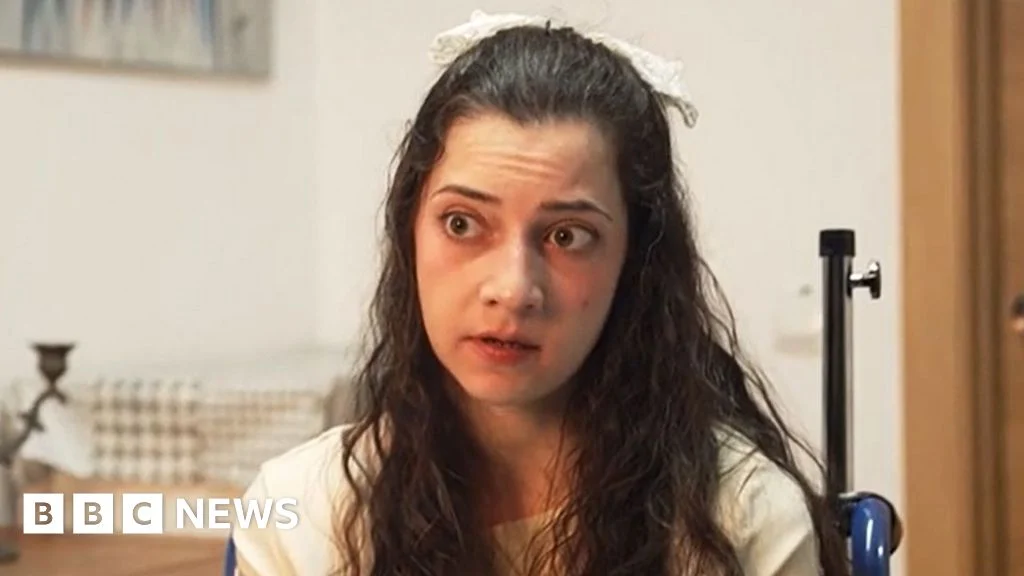
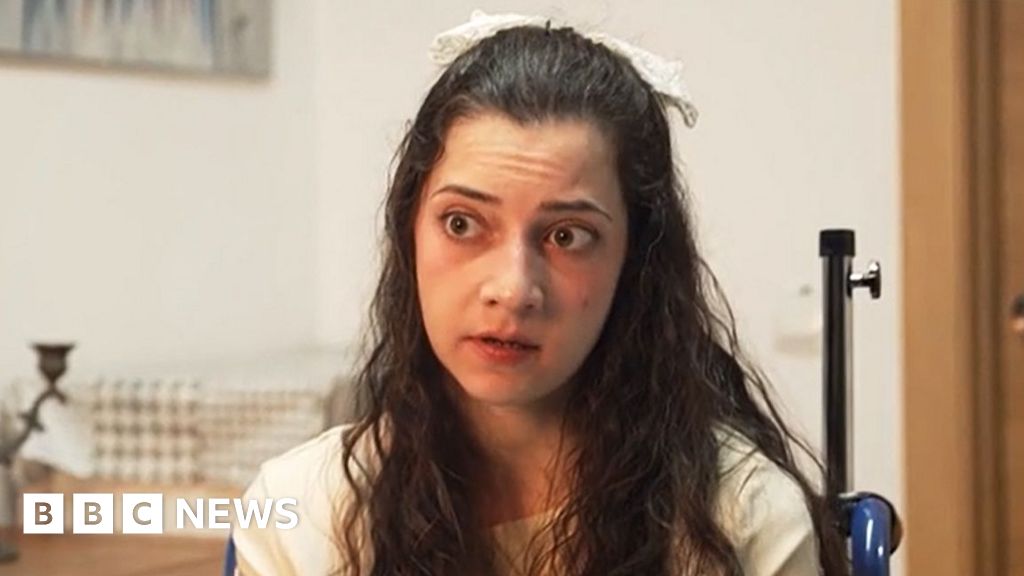
Barcelona, Spain – Noelia Castillo, a 25-year-old Spanish woman whose profound struggle for the right to end her life ignited a national and international legal and ethical debate, died by euthanasia on Thursday. Her death marks the culmination of an arduous 18-month legal battle, which saw her individual autonomy pitted against the deeply held objections of her father and conservative advocacy groups. Castillo, rendered paraplegic following a suicide attempt in 2022, had consistently expressed an unwavering desire to end her suffering, a wish finally upheld by the European Court of Human Rights (ECHR).
A Life Marked by Trauma and the Pursuit of Peace
Noelia Castillo’s journey to this final decision was characterized by profound personal adversity and a relentless pursuit of control over her own destiny. In 2022, a tragic suicide attempt left her with devastating injuries, confining her to a state of paraplegia and an existence she deemed unbearable. This physical suffering compounded a lifetime of emotional pain, as she candidly shared in recent interviews with Spanish television. Castillo recounted a difficult childhood largely spent in care homes, a period that left her feeling isolated and perpetually "alone." Her personal narrative also included traumatic experiences of sexual assault, first by an ex-boyfriend after she had taken sleeping pills, and later by multiple men in a nightclub. These experiences, coupled with her physical condition, contributed to a chronic and pervasive sense of suffering that she felt could only be alleviated by ending her life with dignity.
Throughout her public statements, Castillo articulated a clear and consistent rationale for her decision: to escape pain and find peace. "Nobody in my family is in favour," she acknowledged, "I am leaving and you are staying here with all the pain, but what about all the suffering I have endured over the years? I just want to leave in peace and stop the pain." Her words underscored a fundamental belief in individual sovereignty, stating, "The happiness of a father or a mother or a sister shouldn’t precede the happiness of a daughter." This sentiment highlighted the profound personal cost of her protracted struggle and her ultimate desire for a peaceful, solitary departure, requesting to be alone with her doctor during the final procedure. While her mother, Yolanda, expressed disagreement with the decision, she ultimately conveyed respect for her daughter’s choice, a stance that contrasted sharply with her father’s vigorous opposition.
The Legal Labyrinth: Father’s Opposition and Judicial Escalation
The path to euthanasia for Noelia Castillo was far from straightforward, evolving into a complex legal and ethical challenge that tested the boundaries of Spain’s recently enacted euthanasia law. Her initial request for assisted dying was granted by the Catalan government in the summer of 2024. However, this approval was immediately suspended following a legal challenge mounted by her father. His objections were multifaceted, rooted in both personal conviction and specific legal arguments. He contended that his daughter suffered from a personality disorder, which, in his view, impaired her judgment and rendered her incapable of making such a profound life-ending decision. Furthermore, he invoked "the obligation of the state to protect the lives of people, especially the most vulnerable, as is the case with a young person with mental health problems," thereby framing the issue as one of state responsibility rather than individual autonomy.
This appeal marked the beginning of an arduous 18-month legal battle. Her father found backing from Christian Lawyers (Abogados Cristianos), a conservative campaign group known for its strong opposition to euthanasia and its advocacy for traditional Christian values in Spanish law. The group actively supported his legal efforts, amplifying the moral and ethical dimensions of the case and transforming it into a national debate on the interpretation and application of Spain’s euthanasia legislation. The legal challenge progressed through various judicial instances within Spain, with lower courts often deliberating on the validity of the father’s claims regarding his daughter’s mental capacity and the state’s protective duties. The case’s unprecedented nature meant that it was the first instance where a euthanasia request was subject to such extensive judicial review, requiring a judge to make a final determination in a contested application.
Spain’s Euthanasia Law: A Framework of Strict Conditions
Noelia Castillo’s case unfolded against the backdrop of Spain’s progressive but rigorously regulated euthanasia law, the Ley Orgánica de Regulación de la Eutanasia (LORE), which came into force in June 2021. Spain was the sixth country globally, and the fourth in Europe, to legalize assisted dying, joining nations like the Netherlands, Belgium, Luxembourg, Canada, and New Zealand. The law was designed to provide a legal framework for individuals suffering from "a serious and incurable disease or a serious, chronic and disabling condition" that causes "intolerable suffering" with no possibility of improvement.
The LORE establishes a series of stringent conditions and safeguards to ensure that requests for assisted dying are made voluntarily, thoughtfully, and without undue pressure. Key requirements include:
- Spanish residency or legal residence in Spain.
- Being of legal age (18 years or older) and fully capable of making autonomous decisions.
- Suffering from a serious and incurable disease or a serious, chronic, and disabling condition certified by two doctors.
- Experiencing constant and unbearable physical or psychological suffering caused by the condition, with no prospect of improvement.
- Making two separate requests for euthanasia, at least 15 days apart, expressing a clear, free, informed, and unambiguous desire to die.
- Having the request evaluated by a medical team, including the treating physician and a second independent consulting physician, followed by a review by an Evaluation and Guarantee Commission composed of legal and medical experts.
These strict criteria are intended to safeguard against abuse and ensure that euthanasia is only granted in circumstances of profound and irreversible suffering where the individual’s autonomy is paramount. According to government data, 426 requests for assisted dying were granted in Spain in 2024, the most recent year for which statistics are available, indicating a growing acceptance and application of the law within its carefully defined parameters. However, the law continues to be a focal point of intense debate, particularly concerning cases involving mental health components or significant family opposition, as exemplified by Castillo’s situation.
The European Court of Human Rights Intervention
The protracted legal battle ultimately transcended national borders, escalating to the European Court of Human Rights (ECHR) in Strasbourg. This appeal represented a critical juncture, placing Noelia Castillo’s fundamental right to self-determination and dignity at the forefront of European jurisprudence. The ECHR’s decision to rule in her favour was a landmark moment, affirming the primacy of individual autonomy in end-of-life decisions, even when contested by family members and religious organizations. While the specific details of the ECHR’s reasoning in Castillo’s case are yet to be fully disseminated, such rulings typically emphasize Article 8 of the European Convention on Human Rights, which protects the right to respect for private and family life. This right has been interpreted by the ECHR in previous cases to encompass an individual’s right to decide how and when to end their life, provided certain conditions are met, particularly regarding the person’s capacity to make such a decision and the existence of severe, untreatable suffering.
The ECHR’s intervention effectively overrode the objections that had stalled the process for 18 months, paving the way for Castillo to finally exercise her right to assisted dying. This ruling not only brought an end to her personal legal struggle but also set a significant precedent, potentially influencing future cases in Spain and other European nations grappling with similar ethical and legal dilemmas surrounding euthanasia and individual autonomy.
Reactions and Deepening Societal Divisions
Noelia Castillo’s death and the preceding legal battle have elicited strong and diverse reactions across Spanish society, underscoring the deep ideological fissures that persist regarding end-of-life care and personal liberty. Abogados Cristianos, the conservative group that supported her father, promptly announced Castillo’s death on X (formerly Twitter) on Thursday evening. In their statement, they reiterated their condemnation of the process, asserting that her case "highlights the serious flaws" in Spain’s euthanasia law. This reaction is consistent with their long-standing opposition to the legislation, which they view as an affront to the sanctity of life and a failure of the state to protect vulnerable individuals. Their stance reflects a broader segment of Spanish society, particularly within religious and conservative circles, that maintains profound moral and ethical objections to assisted dying.
Conversely, organizations advocating for the right to die with dignity, while not directly quoted in this instance, would likely view the ECHR’s ruling and Castillo’s ability to finally access euthanasia as a victory for individual autonomy and human rights. They would emphasize the importance of respecting a person’s informed choice in the face of intolerable suffering, particularly when all other avenues for relief have been exhausted. The case also brought into sharp focus the agonizing complexities faced by families. While Noelia’s mother, Yolanda, expressed her respect for her daughter’s decision despite her personal disagreement, her father’s unwavering opposition highlights the profound emotional and moral conflicts that can arise within families when confronted with such choices. His arguments, rooted in concerns about mental health and the state’s duty to protect life, resonate with many who believe that the state has an obligation to prevent self-harm, even when a person is experiencing extreme suffering.
Implications for Future Cases and End-of-Life Debates
Noelia Castillo’s case will undoubtedly serve as a critical reference point in the ongoing evolution of Spain’s euthanasia law and the broader global debate on end-of-life decisions. The ECHR’s ruling, in particular, establishes a powerful precedent for upholding patient autonomy against familial or state intervention, especially in cases where a patient’s capacity to decide has been rigorously assessed and confirmed through legal channels. This could strengthen the position of individuals seeking assisted dying in similar circumstances, potentially streamlining future applications and reducing the likelihood of prolonged legal challenges.
Furthermore, the case compels a deeper examination of the intersection between mental health and euthanasia. While Spain’s law requires an assessment of mental capacity, the father’s argument regarding a "personality disorder" reignited discussions about the diagnostic complexities and ethical considerations involved in determining a person’s full capacity to consent to euthanasia when mental health conditions are present. This will likely lead to increased scrutiny and potentially further refinement of protocols for evaluating mental health in euthanasia requests, ensuring that the process remains robust and ethically sound.
The significant publicity surrounding Castillo’s struggle has also served to raise public awareness and understanding of the euthanasia law in Spain, inviting both empathy and continued critical reflection. It reinforces the notion that while legal frameworks can provide a structure for end-of-life decisions, the human stories behind these laws are invariably complex, emotionally charged, and deeply personal. As societies continue to grapple with advancements in medical care and evolving understandings of human rights, cases like Noelia Castillo’s remind us of the profound challenges and responsibilities inherent in balancing individual autonomy with societal values and ethical considerations in the pursuit of a dignified end.
Warning: This story contains references to sexual assault and suicide. If you’ve been affected by the issues in this story, help and support is available via the BBC Action Line.