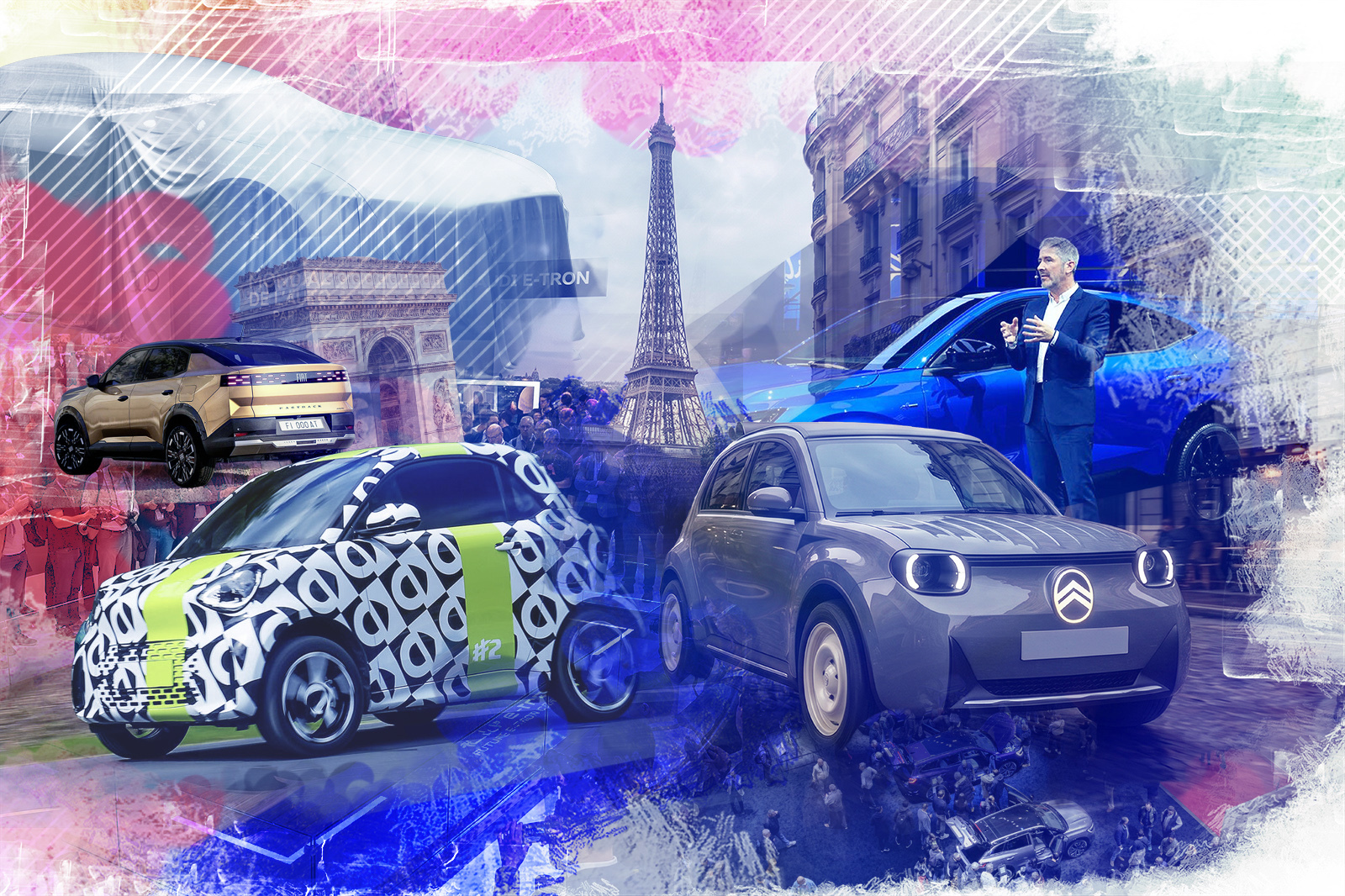
The 2024 Mondial de l’Auto, better known as the Paris Motor Show, marks a pivotal moment for the European automotive landscape. As the industry gathers in the French capital, the atmosphere is defined by a sense of urgency and strategic realignment. This year’s exhibition is not merely a showcase of new sheet metal; it represents a concerted effort by legacy European manufacturers to reclaim territory lost to a surge of Chinese competitors. With the European Union’s 2035 ban on internal combustion engines looming, the focus has shifted from high-end, luxury electric vehicles (EVs) toward the "bottom end" of the market—the affordable, compact cars that have traditionally formed the backbone of European mobility.
The 90th edition of this biennial event finds brands like Citroën, Dacia, Peugeot, and Renault pivoting their strategies. The narrative has moved beyond the technical feasibility of electric drivetrains to the economic reality of mass adoption. To convince the skeptical majority of buyers to abandon petrol-powered vehicles, European firms are doubling down on heritage-inspired designs, simplified manufacturing processes, and localized supply chains. This "return to basics" approach is designed to counter the cost advantages held by Chinese giants such as BYD, MG, and Geely, who have utilized state subsidies and vertical integration to undercut European pricing.
A Strategic Shift Toward the Mass Market
For the past several years, the transition to electric mobility in Europe was led by premium models with high price tags, often exceeding €50,000. However, market data from the first half of 2024 suggests that this segment is reaching saturation. To maintain growth and meet fleet emission targets, manufacturers must now target the sub-€25,000 bracket. The Paris Motor Show serves as the primary stage for this new battleground.
Industry analysts note that the influx of Chinese EVs into the European market—which saw a 23% increase in registrations year-over-year in certain regions—has forced European CEOs to accelerate their development cycles. Renault CEO Luca de Meo has frequently called for a "Team Europe" approach, akin to the aerospace industry’s Airbus, to consolidate resources and lower production costs. The cars debuting in Paris this year are the first tangible results of this defensive-offensive strategy.
Citroën and the Revival of the 2CV Philosophy
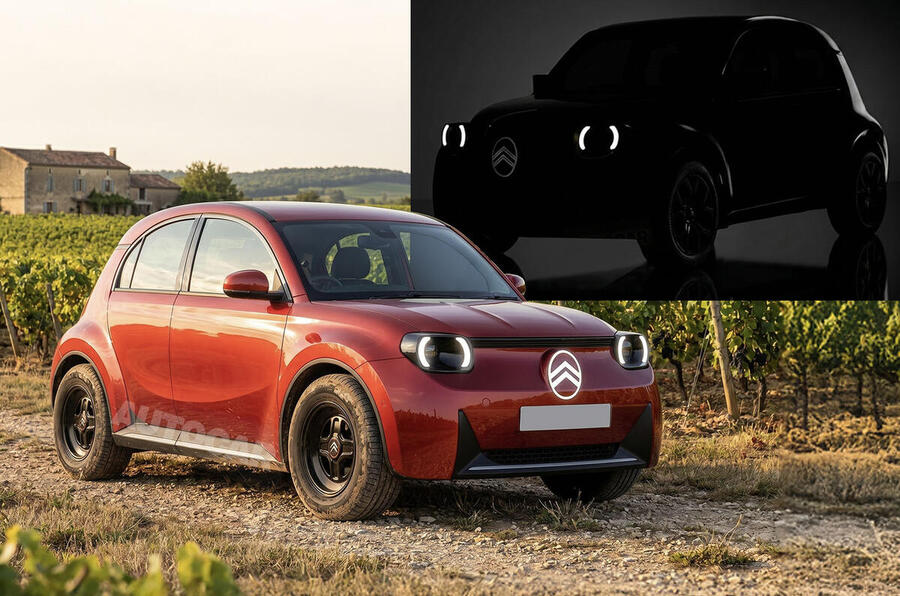
One of the most anticipated reveals of the show is the reimagining of the Citroën 2CV. While the original "Tin Snail" was designed in the 1940s to motorize rural France, the 2024 concept aims to do the same for the urban, electric era. Citroën CEO Xavier Chardon has emphasized that the new model will adhere to the core tenets of the 2CV: simplicity, utility, and, most importantly, affordability.
The concept car, which previews a production model slated for 2028, is expected to sit on the Stellantis "Smart Car" platform. This architecture, already seen in the new Citroën e-C3, is designed to accommodate both electric and combustion powertrains at a significantly lower cost than the more complex e-CMP platform. By utilizing Lithium Iron Phosphate (LFP) batteries, which are cheaper and more durable than traditional Nickel Manganese Cobalt (NMC) chemistries, Citroën aims to bring the entry price of the 2CV-inspired EV close to the €15,000 mark.
Dacia Spring Mk2: The Benchmark for Budget Mobility
Dacia, the Romanian subsidiary of the Renault Group, continues to play a vital role in the group’s market share defense. The Dacia Spring has already proven that there is a significant appetite for low-cost EVs, having sold over 140,000 units since its launch. However, as competition intensifies, the second-generation Spring—dubbed the "New Spring"—is set to debut in Paris with substantial upgrades.
The Mk2 Spring moves from its previous architecture to the more modern AmpR Small platform, which it will share with the upcoming Renault Twingo. This shift allows for improved safety features, better driving dynamics, and a more robust digital interface. Crucially, the New Spring will adopt the rugged, "outdoor" design language established by the new Dacia Duster, moving away from its budget-city-car aesthetic toward a more aspirational mini-SUV look. This move is a direct response to the MG4 and BYD Seagull, which have set new standards for what consumers expect from an affordable vehicle.
Audi’s Nostalgic Efficiency: The Reborn A2
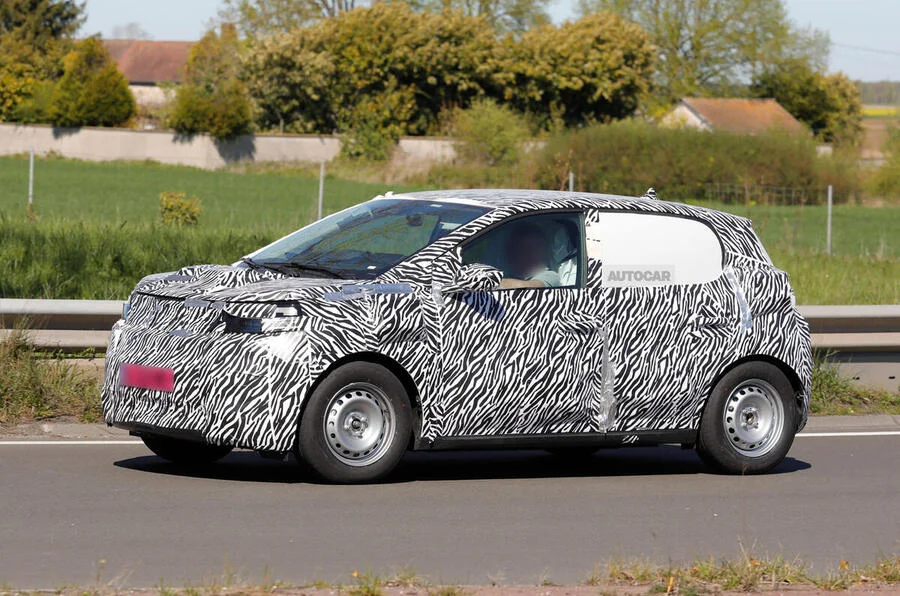
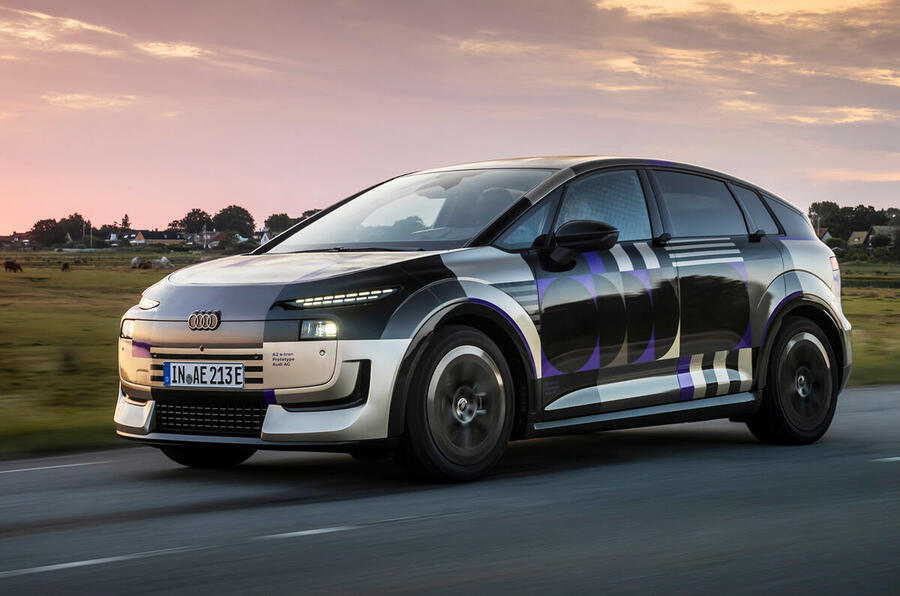
Audi’s presence at the show signals that even premium manufacturers are recognizing the need for smaller, more efficient footprints. The Audi A2, originally launched in 1999 as an aluminum-bodied marvel of aerodynamics, is being reborn as a pure EV. While Audi has maintained a degree of secrecy regarding the final production specifications, the prototype seen in testing suggests a design that pays heavy homage to the original’s teardrop silhouette.
The reborn A2 is expected to serve as an upmarket sibling to the Volkswagen ID.3, but with a focus on "efficiency through design" rather than raw battery size. By achieving a low drag coefficient and utilizing lightweight materials, Audi aims to offer competitive range with a smaller, lighter battery pack. This approach not only reduces the vehicle’s environmental impact during manufacturing but also helps lower the retail price, making the brand accessible to a younger, more urban demographic.
Alpine and the Evolution of Performance
While the mass market dominates the headlines, the enthusiast segment is not being ignored. Alpine, Renault’s performance sub-brand, is using the Paris stage to detail the future of the A110. The transition of a dedicated sports car brand to electric power is a high-stakes gamble. The "new elements" promised by Alpine in Paris are expected to focus on battery packaging and weight distribution—the two biggest hurdles in maintaining the A110’s legendary agility.
The electric A110 will likely utilize a bespoke version of the Alpine Performance Platform (APP). Recent statements from Alpine engineers suggest a focus on "active sound enhancement" and simulated gearshifts to retain the visceral engagement of the internal combustion predecessor. This move is critical as Alpine looks to expand its footprint in international markets, including a potential entry into the United States later this decade.
Stellantis Synergy: The Fiat Concept
Fiat’s contribution to the show is an "exclusive concept car" that many industry insiders believe will be the Italian brand’s answer to the Citroën 2CV. Under the Stellantis umbrella, Fiat has the opportunity to leverage shared platforms to revive iconic nameplates like the Panda or the 127 in electric form.
The strategy for Fiat in Paris is expected to revolve around "democratic mobility." Following the success of the 500e, Fiat needs a high-volume, lower-cost EV to compete in Southern European markets where purchasing power is lower than in the North. A concept car that blends Italian style with the cost-effective "Smart Car" platform would provide a formidable rival to the wave of budget Chinese hatchbacks entering the Mediterranean markets.
Chronology and Historical Context
The Paris Motor Show, or Mondial de l’Auto, is the world’s oldest auto show, first held in 1898 at the Tuileries Garden. Over the decades, it has been the site of some of the most significant debuts in history, from the Citroën DS in 1955 to the Ferrari F40 in 1987.
However, the 2024 event occurs in a drastically different landscape. The 2020 show was canceled due to the pandemic, and the 2022 event saw a reduced presence from many major manufacturers. The 2024 show marks a return to scale, with the Parc des Expositions at Porte de Versailles hosting a full roster of exhibitors. The timeline for this year’s event includes two dedicated press and industry days, followed by six days of public access, during which over 400,000 visitors are expected.
Data Analysis: The High Stakes of the European Market
The urgency displayed in Paris is backed by sobering data. According to JATO Dynamics, the average price of an electric car in China is approximately €32,000, whereas in Europe, it remains above €55,000. This price gap has allowed Chinese manufacturers to capture nearly 8% of the European EV market in a short span.
Furthermore, the European Automobile Manufacturers’ Association (ACEA) recently reported that while EV sales continue to grow, the rate of growth has slowed in key markets like Germany following the expiration of government incentives. This makes the introduction of affordable models like the Citroën 2CV and Dacia Spring not just a marketing choice, but a financial necessity for the survival of the European manufacturing base.
Broader Implications and Industry Outlook
The 2024 Paris Motor Show will likely be remembered as the moment the European car industry stopped reacting and started leading the narrative on affordable electrification. By leaning into heritage—using names like the 2CV and A2—manufacturers are tapping into brand loyalty that Chinese newcomers cannot yet replicate.
However, the success of this strategy depends on more than just design. It requires a stabilization of the European energy grid, the continued expansion of charging infrastructure, and a consistent regulatory environment. As the curtains rise in Paris, the message from the European industry is clear: the "invasion" of foreign competitors will be met with a sophisticated, heritage-driven, and price-conscious counter-offensive. The next four years, leading to the production versions of the concepts seen this week, will determine the long-term sovereignty of the European automotive sector.