


The political landscape of New York’s 12th Congressional District has intensified as a high-spending political action committee, Think Big PAC, launched a targeted offensive against State Assemblymember Alex Bores. The group, which maintains strong ties to major technology and cryptocurrency donors, is leveraging the controversial legacy of disgraced FTX founder Sam Bankman-Fried to undermine Bores’ bid for the U.S. House of Representatives. As the 2026 primary season approaches, the emergence of these attack mailers highlights a deepening rift within the Democratic Party regarding the regulation of emerging technologies, specifically artificial intelligence and digital assets.
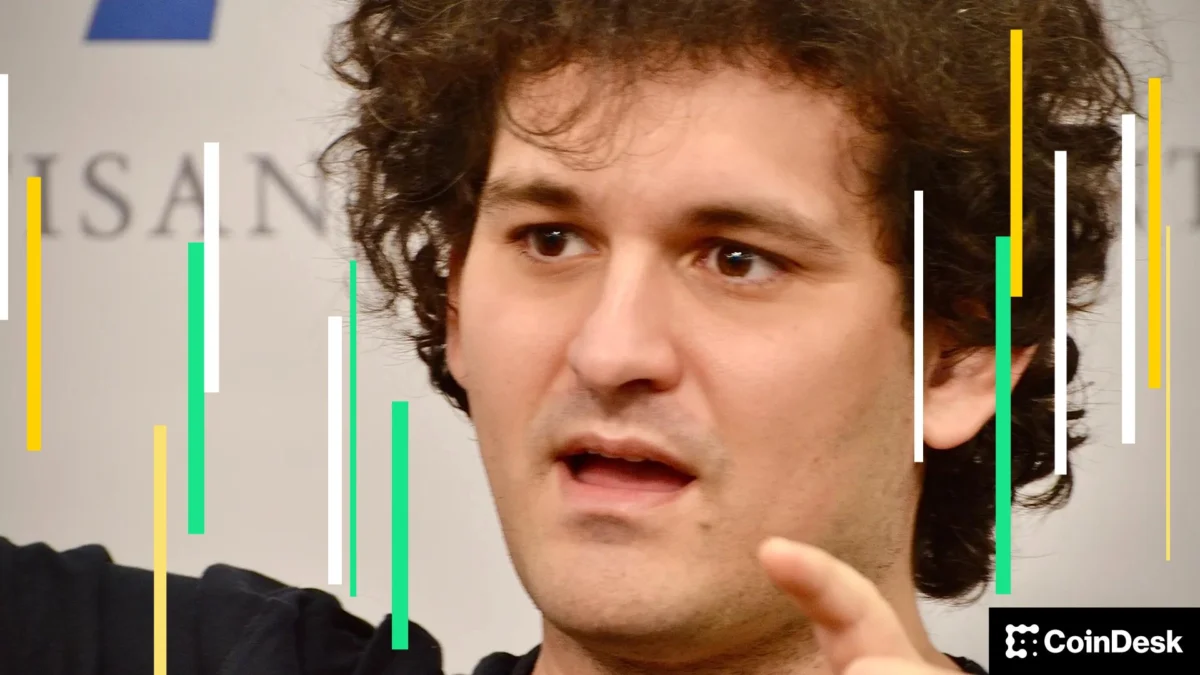
The mailer, which has been widely distributed to households across Manhattan’s Upper East and Upper West Sides, features a sharply worded indictment of Bores’ past campaign financing. It explicitly informs voters that the candidate once received more than $100,000 in support from Sam Bankman-Fried, the former CEO of the collapsed crypto exchange FTX, who was convicted on multiple counts of fraud and conspiracy. The literature alleges that "Bankman-Fried’s buddies are bankrolling Bores for Congress" and positions the Assemblymember as a candidate whose interests are aligned with "sordid political networks" rather than the constituents of the 12th District.
The Battle for New York’s 12th District
The race for New York’s 12th Congressional District is one of the most prestigious and competitive contests in the 2026 election cycle. Currently represented by longtime Democratic powerhouse Jerry Nadler, the district is a bastion of liberal politics and significant wealth, encompassing some of the most influential neighborhoods in the United States. With Nadler’s impending departure, the primary has attracted a crowded field of high-profile contenders.
Among the notable candidates is Jack Schlossberg, the grandson of President John F. Kennedy, whose entry into the race has brought national media attention and a significant fundraising apparatus. Also in the mix is George Conway, a prominent legal scholar and vocal critic of the former Trump administration, who commands a substantial following among the party’s donor class. In such a talent-heavy field, small shifts in public perception can determine the outcome, making the Think Big PAC’s aggressive campaign against Bores a potentially decisive factor.
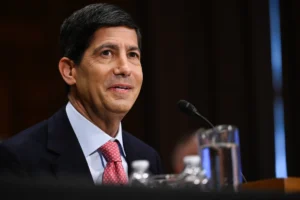
Bores, a first-term assemblymember, has built his political identity on being a "tech-savvy" legislator. However, that very background has now become a point of contention. Before entering public office, Bores worked for Palantir, a data analytics firm that has faced scrutiny over its government contracts and surveillance capabilities. Think Big PAC has previously targeted this aspect of his resume, spending hundreds of thousands of dollars on digital and television advertisements that characterized his work at Palantir as antithetical to Democratic values.
The Catalyst: AI Legislation and Regulatory Friction
The sudden escalation of attacks by Think Big PAC appears to be rooted in Bores’ recent legislative activity in Albany. As a state legislator, Bores has been at the forefront of introducing comprehensive legislation focused on artificial intelligence safety and accountability. His proposed bill seeks to impose stringent guardrails on advanced AI systems, requiring developers to undergo rigorous testing for bias, transparency, and potential risks to public safety before deployment.
While Bores frames these measures as necessary consumer protections and ethical standards, groups like Think Big PAC view them as "hostile to innovation." Think Big PAC explicitly states that its mission is to support candidates who embrace pro-technology policies and to oppose those who advocate for restrictive regulations that could stifle the growth of the AI sector. The group has a history of intervening in Democratic primaries to purge candidates who favor heavy-handed oversight of the tech industry, having previously deployed similar tactics in Ohio.
A spokesperson for Think Big PAC provided a statement to CoinDesk, emphasizing their stance: "For someone who’s railed against deep fake AI, candidate Bores doesn’t seem to have trouble creating his own reality. He raked in over $100,000 from Sam Bankman-Fried’s sordid political network but refuses to acknowledge the connection. Bores is entitled to his own opinion but not his own set of facts on the role SBF has played in bankrolling his political career."
The Shadow of Sam Bankman-Fried
The invocation of Sam Bankman-Fried (SBF) is a potent political weapon. Before the collapse of FTX in late 2022, Bankman-Fried was one of the most prolific political donors in the United States, pouring tens of millions of dollars into various campaigns and PACs. While much of this spending was directed toward national figures—a CoinDesk analysis found that one in three members of Congress received contributions from FTX executives—Bores was a rare recipient at the state level.
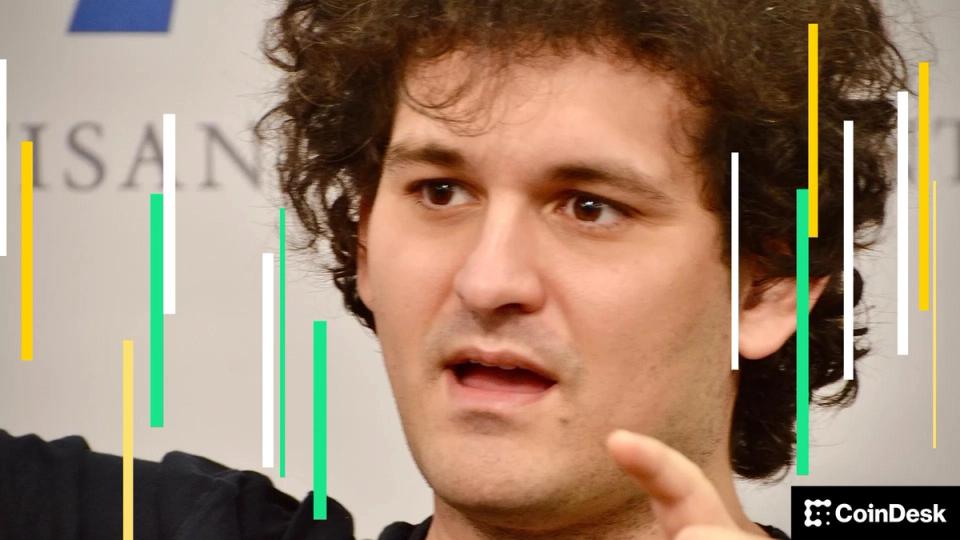
In the 2022 cycle, Bores was one of only two New York state-level candidates to receive significant financial backing from the SBF-affiliated "Protect Our Future" PAC. The other recipient was Lieutenant Governor Antonio Delgado. The $100,000 in support mentioned in the Think Big PAC mailers refers to this period, where independent expenditures and direct support were funneled into Bores’ initial run for the State Assembly.
State election filings confirm the financial ties, though Bores has consistently maintained that he had no personal relationship with Bankman-Fried and that the funds were distributed by a PAC focused on pandemic preparedness—a core pillar of SBF’s "effective altruism" philosophy at the time. However, in the wake of Bankman-Fried’s conviction and the revelation that much of the donated money originated from customer deposits at FTX, the association has become a political liability.
Chronology of the Conflict
The friction between Bores and Think Big PAC has been building for several months, reflecting a broader national debate over how the Democratic Party should approach the Silicon Valley donor class.
- Late 2022: Alex Bores wins his seat in the New York State Assembly with the support of the SBF-affiliated Protect Our Future PAC.
- November 2022: FTX collapses; Sam Bankman-Fried is arrested and subsequently convicted of massive financial fraud.
- Early 2025: Bores announces his candidacy for NY-12. Shortly after, he introduces landmark AI safety legislation in the New York State Assembly.
- January 2026: Think Big PAC begins a six-figure ad buy targeting Bores’ history at Palantir. Bores’ campaign responds by issuing a cease-and-desist letter, calling the ads "false and defamatory."
- March 2026: Bores’ AI bill gains traction in Albany, receiving endorsements from consumer advocacy groups but drawing fire from tech lobbyists.
- March 20, 2026: Think Big PAC hits mailboxes across the 12th District with the SBF-themed attack, marking a shift from attacking his professional history to attacking his personal integrity and financial backers.
Broader Implications for the 2026 Cycle
The attack on Bores is a microcosm of a larger struggle for the soul of the Democratic Party’s economic policy. On one side are the "New Progressives" like Bores, who believe that the rapid advancement of AI and crypto requires immediate and robust government intervention to prevent systemic fraud and societal harm. On the other side are "Pro-Innovation Democrats" and their allied PACs, who argue that over-regulation will cede technological leadership to foreign adversaries and stifle economic growth.
Think Big PAC’s strategy of using SBF’s name to attack a candidate who is actually pushing for more regulation of the tech sector is a sophisticated, if controversial, rhetorical move. By linking Bores to the most famous "bad actor" in the crypto space, the PAC seeks to neutralize his credibility as a regulator.
The financial scale of this primary is also setting new records. With candidates like Schlossberg and Conway capable of raising millions in individual contributions, the entry of Super PACs like Think Big adds a layer of "dark money" influence that can overwhelm traditional grassroots campaigning. For Bores, the challenge will be to convince voters that his legislative record on AI safety is a sincere effort to protect the public, rather than a distraction from his past financial associations.
Official Responses and Campaign Fallout
The Bores campaign has faced a difficult task in responding to the mailer. While they were quick to issue a cease-and-desist regarding the Palantir ads—which they argued misrepresented the nature of Bores’ data work—the SBF allegations are harder to litigate because the $100,000 figure is rooted in public election filings.
To date, Bores’ campaign has not issued a formal rebuttal to the specific mailer distributed on March 20. In previous statements regarding the SBF funds, Bores has noted that he was one of hundreds of candidates who were beneficiaries of a broad spending spree by FTX-linked entities and that he has since advocated for stricter campaign finance laws to prevent such influence in the future.
Political analysts suggest that the "SBF-buddy" narrative could be particularly damaging in a district like NY-12, where many residents are highly attuned to financial news and were personally impacted by the volatility of the crypto markets. As the primary draws closer, the effectiveness of these mailers will be tested in internal polling. If Bores’ numbers dip, it may signal a successful blueprint for tech-aligned PACs to use against other "regulatory-heavy" candidates nationwide.
The outcome of the NY-12 primary will likely serve as a bellwether for how the Democratic Party handles its relationship with the technology sector moving forward. If a candidate like Bores can survive a concentrated assault from tech-funded PACs, it may embolden other legislators to pursue aggressive AI and crypto regulations. Conversely, if Think Big PAC succeeds in "doing better than Bores," it will send a clear message to the 2026 field: crossing the tech industry comes with a heavy political price.