

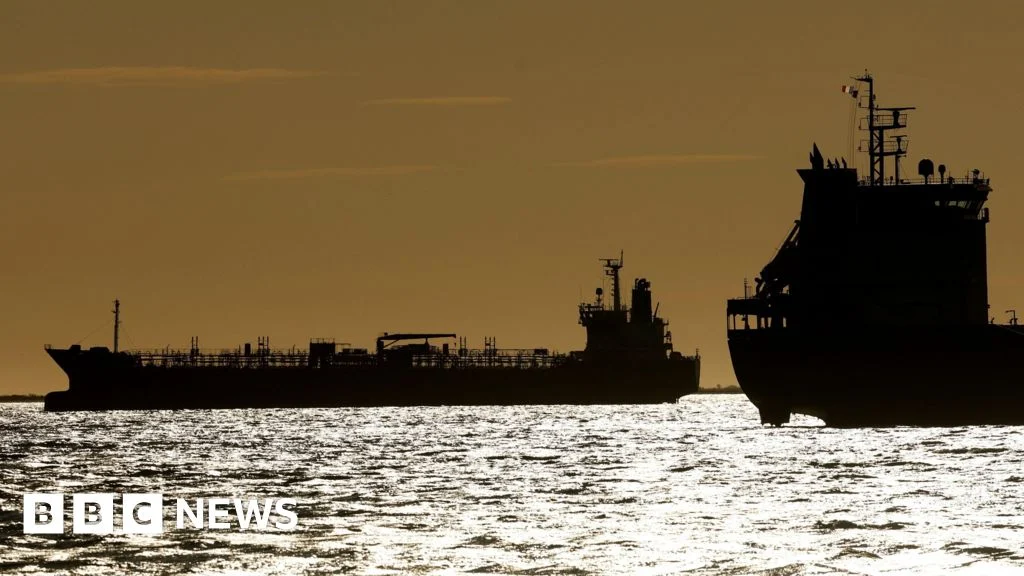
In a significant and widely unexpected policy reversal, the United States has announced the temporary lifting of sanctions on a specific tranche of Iranian crude oil and petroleum products. The move, articulated by Treasury Secretary Scott Bessent, aims to inject approximately 140 million barrels of oil into the global market, an urgent measure to combat soaring energy prices exacerbated by an ongoing conflict impacting Iran and critical shipping lanes. This authorization, described as narrowly tailored and short-term, signals Washington’s acute concern over the stability of global energy supplies, even as it navigates a complex geopolitical landscape where it is simultaneously engaged in actions against the Iranian regime.
A Stark Policy Reversal
The announcement, made on Friday, permits the sale of Iranian oil currently loaded on vessels, with the authorization set to expire on April 19th. This decision represents a dramatic departure from years of stringent American sanctions policy, which has sought to isolate Iran economically and restrict its oil exports. For over half a decade, Washington has pursued a "maximum pressure" campaign designed to choke off the Iranian government’s revenue streams, particularly from its vital energy sector. The abrupt pivot underscores the severity of the current energy crisis, driven by a regional conflict that has disrupted production and shipping, pushing global oil prices to unprecedented levels.
Treasury Secretary Bessent, in an interview with Fox Business on Thursday, framed the waiver as a strategic maneuver to alleviate immediate supply shortages. He indicated that while China has historically been the primary purchaser of Iranian oil—often at steep discounts due to the existing sanctions—this temporary lifting could divert supplies to other nations in urgent need, such as India, Japan, and Malaysia. Bessent suggested this could compel China to pay "market price" for its energy needs, implicitly aiming to rebalance global demand and pricing dynamics. However, the Secretary did not elaborate on specific mechanisms to ensure that the proceeds from these sales would not flow back to the Iranian government, raising immediate concerns among analysts and observers.
The Genesis of the Crisis: War in Iran and Global Energy Markets
The impetus for this extraordinary policy shift lies squarely in the escalating conflict described as a "war in Iran," which has profoundly destabilized global energy markets. Since the conflict commenced at the end of February, maritime activity in the crucial Strait of Hormuz has largely ground to a halt. This strait, a narrow choke point along Iran’s coast, is one of the world’s most vital oil transit points, through which approximately one-fifth of the 100 million barrels of oil consumed globally each day typically passes. The cessation of shipping through this strategic waterway has created an immediate and substantial supply shock.
While some oil shipments have been successfully re-routed through alternative, often longer and more expensive, pathways, experts estimate that the conflict has effectively removed about a tenth of the world’s daily oil supply from the market. This drastic reduction in available crude has sent energy prices spiraling upwards, impacting consumers and industries worldwide. Compounding these fears are reports of tit-for-tat attacks on a key gas field, jointly operated by Iran and Qatar. Such attacks raise the specter of long-term damage to critical energy infrastructure, threatening to constrain global fossil fuel production capacity for years to come, irrespective of the conflict’s eventual resolution. The US government, facing immense pressure to stabilize energy costs and mitigate inflationary pressures, finds itself in an "every-barrel-counts situation," as noted by experts.
Details of the Temporary Authorization
The authorization issued by the US Treasury Department is notably specific and time-bound. It applies solely to crude oil and petroleum products of Iranian origin that are "currently loaded on vessels." This stipulation suggests a focus on existing inventory rather than enabling new production or broader trade. The short duration of the waiver, lasting only until April 19th, further underscores its emergency nature, positioning it as an immediate tactical response rather than a fundamental recalibration of US-Iran policy.
The estimated 140 million barrels that could be released onto the market represent a significant, though not overwhelming, volume in the context of global daily consumption. At 100 million barrels per day, this quantity could theoretically cover approximately 1.4 days of global demand. While not a "game changer" in terms of fundamentally altering long-term supply dynamics, its immediate availability could offer a crucial, albeit temporary, reprieve to an overheated market. The strategic aim, as articulated by Secretary Bessent, is to leverage this supply to cool prices and diversify the buyer base away from exclusive reliance on China, thereby reintroducing some competitive pressure into the market.
Expert Scrutiny and Geopolitical Paradox
The decision has been met with a mixture of skepticism and alarm from experts. David Tannenbaum, director of Blackstone Compliance Services, a consultancy specializing in maritime sanctions, described the policy as "bananas." He voiced significant concern that "essentially we’re allowing Iran to sell oil, which could then be used to fund the war effort." This sentiment highlights the inherent paradox of the US government simultaneously engaging in actions against Iran while potentially facilitating its access to critical revenue streams. The original article’s phrasing "the US is attacking" Iran, implies a direct military conflict, which further amplifies the ethical and strategic complexities of this policy. If the US is indeed involved in direct hostilities, then enabling Iran to profit from its natural resources presents a profound contradiction.
Rachel Ziemba, an adjunct senior fellow at the Center for a New American Security, a prominent think tank, echoed these concerns, stating, "I don’t think it’s a game changer and it raises a whole lot of questions." Ziemba specifically questioned the feasibility of preventing funds from these oil sales from reaching the Iranian government, especially given the opaque nature of illicit oil trade and the regime’s established methods for circumventing sanctions. She acknowledged the US government’s desperate need for additional oil supply, stating, "They’re looking to find additional oil wherever they can," but emphasized the potential for unintended consequences.
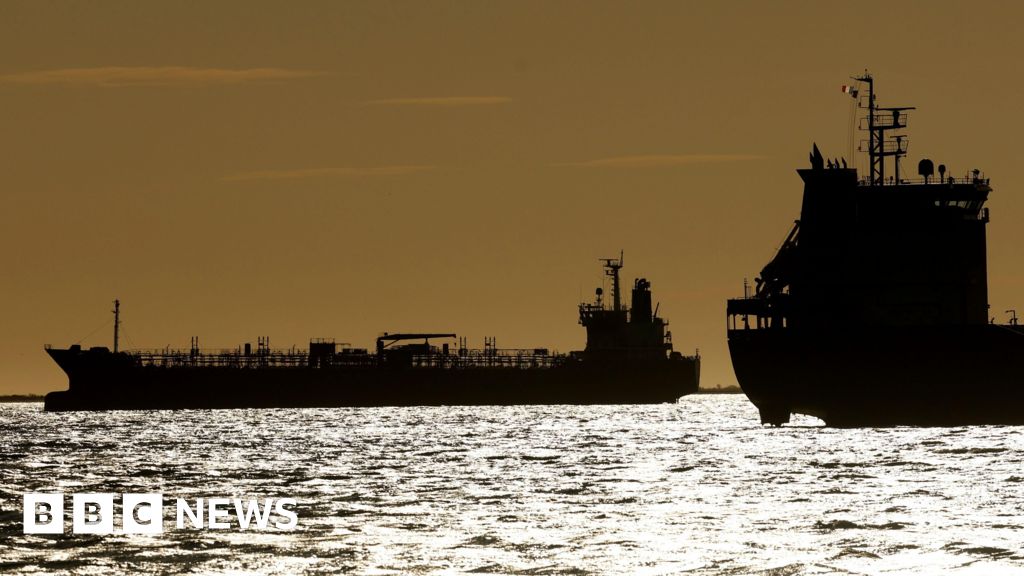
The US has previously undertaken other measures to boost global supply, including the release of millions of barrels from its strategic oil reserves. More recently, Washington also suspended some sanctions on Russian oil, a decision that sparked considerable blowback from European leaders. Critics argued that lifting sanctions on Russian oil would strengthen Vladimir Putin’s regime and inadvertently prolong the war in Ukraine. The current decision regarding Iranian oil carries similar geopolitical risks, potentially undermining the broader sanctions architecture against states deemed hostile by the US and its allies.
A History of Sanctions and the "Maximum Pressure" Campaign
To fully grasp the magnitude of this policy shift, it is essential to revisit the history of US sanctions against Iran. For decades, the US has imposed various forms of sanctions on Iran, primarily in response to its nuclear program, support for regional proxy groups, and human rights abuses. A landmark moment came with the 2015 Joint Comprehensive Plan of Action (JCPOA), or Iran nuclear deal, which saw significant sanctions relief in exchange for verifiable curbs on Iran’s nuclear activities.
However, in 2018, under the Trump administration, the US unilaterally withdrew from the JCPOA, reinstating and significantly expanding sanctions as part of a "maximum pressure" campaign. This campaign aimed to cripple Iran’s economy, particularly its oil exports, to force the regime back to the negotiating table for a more comprehensive deal addressing its ballistic missile program and regional behavior. The sanctions severely impacted Iran’s ability to sell oil legally on international markets, forcing it to resort to covert sales, primarily to China, often at steep discounts. The estimated 140 million barrels now stranded at sea are a direct consequence of these prior sanction regimes, highlighting the long-term effectiveness of the "maximum pressure" strategy in limiting Iran’s legitimate oil trade. The sudden decision to temporarily lift these restrictions, even partially, signals a prioritization of immediate global energy stability over the long-term goals of the "maximum pressure" campaign.
Broader Implications for Global Energy and Diplomacy
The implications of this temporary sanctions relief are multifaceted, extending beyond immediate oil prices. Economically, any injection of supply, even if limited, could offer a momentary respite from inflationary pressures driven by high energy costs. However, if the impact on prices is minimal, as experts predict, the primary effect might be psychological, signaling to markets that major powers are actively seeking solutions.
Geopolitically, the move sends a mixed message to allies and adversaries alike. For allies, particularly those in Europe who voiced strong opposition to the Russian oil sanctions waiver, it could further strain credibility and create confusion regarding US foreign policy consistency. If the US is perceived as willing to compromise its long-standing sanctions architecture in times of crisis, it could weaken the deterrent effect of future sanctions. For Iran, while potentially providing a much-needed financial boost, it also underscores the regime’s vulnerability to external pressures and the effectiveness of sanctions in creating stranded assets. The paradoxical situation of the US "attacking" Iran while simultaneously allowing it to sell oil creates an unprecedented and complex diplomatic challenge.
The decision also raises questions about the long-term US strategy for energy security. Is this a one-off emergency measure, or does it signal a broader willingness to revisit energy-related sanctions in the face of global supply shocks? The current crisis, exacerbated by the conflict’s impact on a major energy producer and transit hub, highlights the fragility of the global energy supply chain and the interconnectedness of geopolitical events with economic stability.
Navigating the Strait of Hormuz: A Critical Bottleneck
The role of the Strait of Hormuz cannot be overstated in this unfolding crisis. As a gateway for a fifth of the world’s daily oil consumption, its disruption has immediate and far-reaching consequences. The conflict’s halt to shipping in this channel has created a bottleneck that cannot be easily circumvented. The "tit-for-tat attacks on a key gas field" further underscore the vulnerability of energy infrastructure in conflict zones. This not only affects immediate supply but also raises concerns about long-term investment in the region, insurance costs for shipping, and the overall reliability of Middle Eastern energy supplies. Even if the conflict were to resolve quickly, the damage to infrastructure and the lingering security risks could constrain fossil fuel capacity for years, necessitating a re-evaluation of global energy supply routes and strategic reserves. The temporary lifting of sanctions on stranded Iranian oil can be seen as an attempt to mitigate the immediate effects of this bottleneck, by releasing oil that is already outside the immediate conflict zone.
The Path Forward: Uncertainties and Strategic Shifts
The coming weeks will be crucial in assessing the true impact of this policy reversal. The immediate challenge for the US Treasury will be to monitor the sales process and attempt to mitigate the flow of funds to the Iranian government, a task that experts deem exceedingly difficult. The efficacy of diverting oil to India, Japan, and Malaysia, and compelling China to pay market prices, will also be closely watched.
Beyond the immediate market effects, the decision forces a re-evaluation of US foreign policy priorities. The tension between maintaining a robust sanctions regime against an adversary and ensuring global energy stability has been brought into sharp relief. This extraordinary measure, undertaken amidst a complex "war in Iran" where the US is actively involved, highlights the profound challenges facing policymakers as they navigate a volatile geopolitical landscape and strive to balance competing national interests. The temporary lifting of sanctions on Iranian oil, therefore, is not merely an economic adjustment but a significant strategic maneuver with uncertain long-term consequences for global energy markets, international diplomacy, and the future of US foreign policy.