



The definition of the family car has undergone a radical transformation over the past decade, moving away from the rigid categorizations of the past to a more fluid, multi-segment landscape. Where once the market was dominated by the utilitarian Multi-Purpose Vehicle (MPV) and the traditional three-box saloon, the modern family vehicle in 2026 encompasses everything from silent, long-range electric SUVs to highly efficient plug-in hybrid estates. This evolution reflects a broader shift in consumer priorities, where versatility, digital integration, and powertrain flexibility now stand alongside traditional requirements like safety and interior volume. As the automotive industry navigates the transition toward electrification and software-defined vehicles, the competition to provide the ultimate family transport has never been more intense.
The Evolution of the Family Segment: A Chronological Perspective
The journey to the current market state began in the late 1990s and early 2000s, an era defined by the "people carrier" boom. Vehicles like the Renault Espace and the Ford Galaxy set the standard for interior flexibility. However, by the mid-2010s, the rise of the Crossover and SUV began to erode the MPV’s dominance. Consumers gravitated toward the "command" driving position and the perceived ruggedness of SUVs. By 2020, the focus shifted again, this time toward electrification. The introduction of the UK’s Zero Emission Vehicle (ZEV) mandate and similar global regulations forced manufacturers to reimagine family cars as high-tech, battery-electric platforms. Today, in 2026, the market is a sophisticated blend of these influences, offering families a choice between the aerodynamic efficiency of an estate, the high-riding practicality of an SUV, or the space-maximization of a modern electric hatchback.
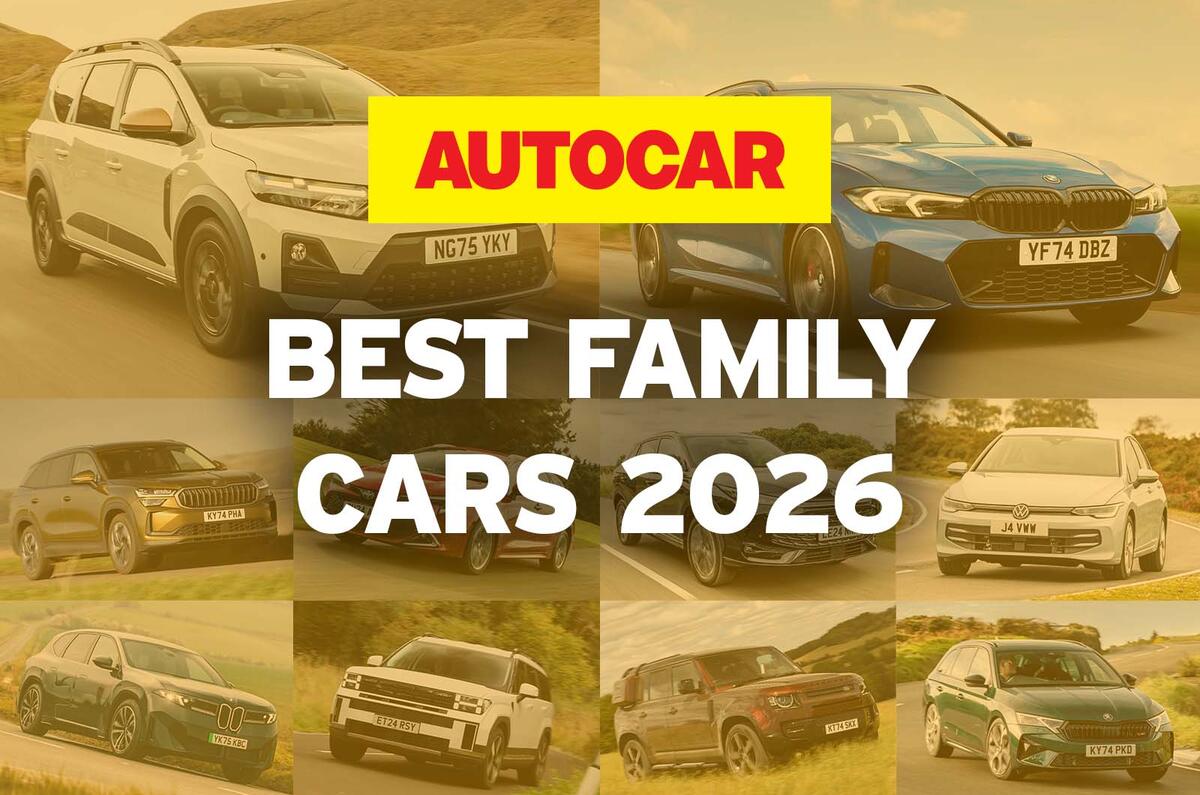
The Definitive Choice: BMW 3 Series Touring
The BMW 3 Series Touring remains the benchmark for the segment, successfully bridging the gap between enthusiast-grade driving dynamics and everyday domestic utility. While many manufacturers have abandoned the estate format in favor of SUVs, BMW has refined the Touring to a point of near-perfection. The 3 Series serves as a reminder that a lower center of gravity and a well-sorted chassis are not just for sports cars; they provide a sense of stability and confidence that is vital for long-distance family travel.
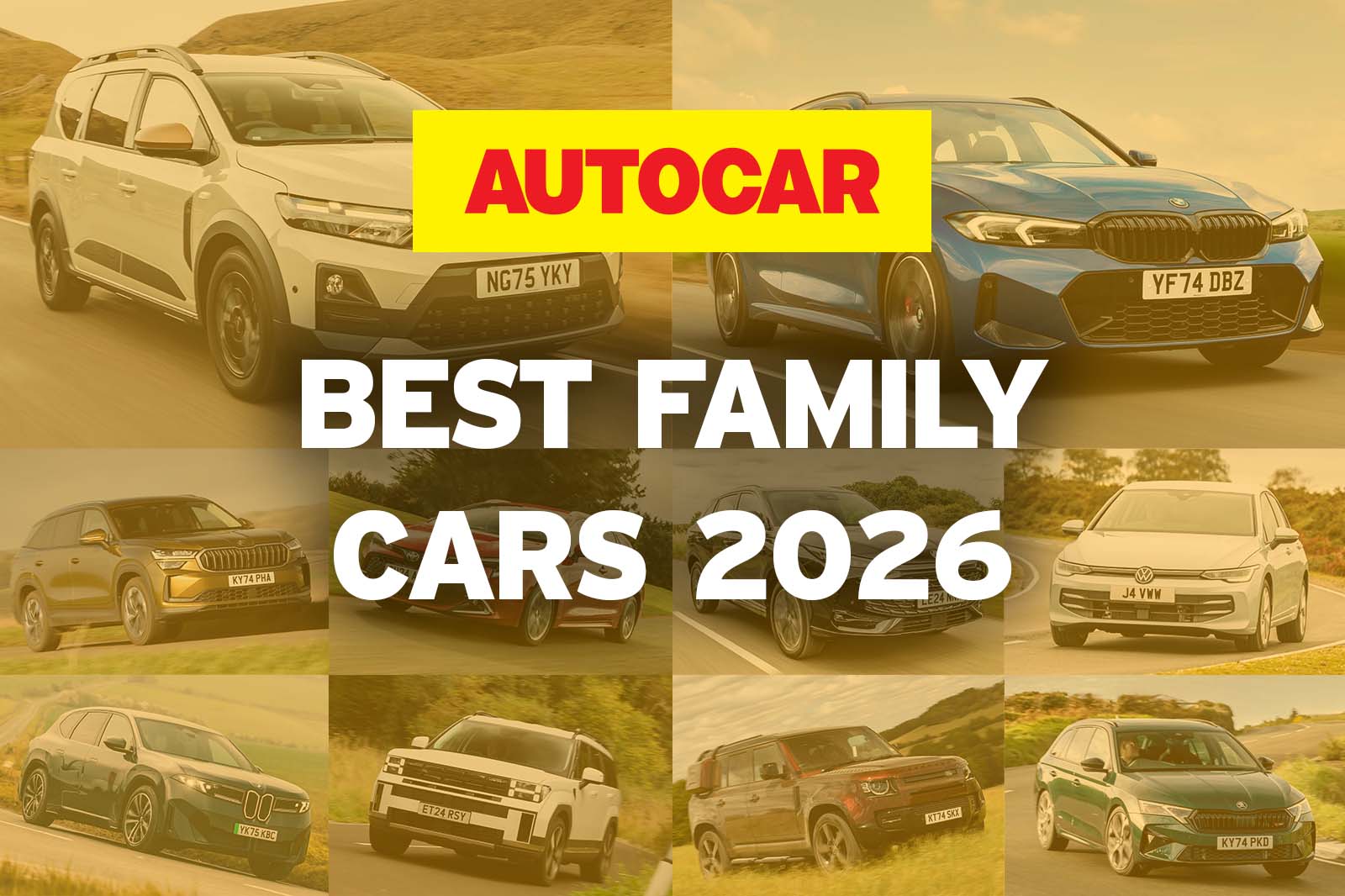
The current lineup is anchored by the 330e plug-in hybrid, which offers a compelling blend of tax efficiency and performance. With an electric-only range that covers the average daily commute, it addresses the needs of the modern "hybrid" lifestyle. Despite a boot capacity of 500 litres—which is slightly smaller than some rivals due to its sleeker roofline—the 3 Series Touring compensates with a high-quality cabin and an infotainment system that remains the industry standard for ergonomics. For those requiring more visceral performance without sacrificing the dog-leg boot, the M340i and the flagship M3 Touring provide options that were once unthinkable in the family segment.
The Value Revolution: Dacia Jogger
At the opposite end of the pricing spectrum, the Dacia Jogger has disrupted the market by proving that family-sized transport does not require a premium price tag. The Jogger represents a masterclass in "essential" engineering. Following a recent facelift, the model now incorporates the Hybrid 155 powertrain, shared with the Duster and Bigster SUVs. This system pairs a 1.8-litre engine with an electric motor to deliver up to 70mpg in urban environments, a critical metric for budget-conscious households.
The Jogger’s success lies in its packaging. By blending the attributes of an estate, an MPV, and a crossover, Dacia has created a seven-seater that is lightweight and efficient. While it lacks some of the more advanced semi-autonomous driver aids found in premium rivals, its robust, "hose-down" interior appeal speaks directly to families with young children and pets. The Jogger’s presence in the top rankings is a testament to the fact that for many, practicality and low total cost of ownership are the ultimate luxuries.
The Traditionalist’s Modernity: Volkswagen Golf Mk8.5
The Volkswagen Golf continues to occupy the "goldilocks" position in the automotive world. Now in its Mk8.5 iteration, the Golf has addressed previous criticisms regarding its digital interface, reintroducing tactile elements and improving software stability. The Golf’s enduring appeal is its packaging; at just over 4.2 meters long, it offers interior space that rivals larger vehicles, making it ideal for urban families where parking space is at a premium.
While the rise of the T-Roc and Tiguan SUVs has challenged the Golf’s internal supremacy, the hatchback remains a more aerodynamic and often more cost-effective choice. For families requiring more than the standard 380-litre boot, the Golf Estate provides a cavernous alternative without the bulk of an SUV. Volkswagen’s strategy with the Golf remains one of incremental refinement, ensuring it stays relevant in an era of rapid technological change.
Rugged Versatility: Land Rover Defender 110
The Land Rover Defender 110 represents the premium end of the family utility scale. Since its rebirth, the Defender has transitioned from a agricultural workhorse to a status-symbol family hauler that is genuinely capable of traversing any terrain. Its interior design—a blend of luxury materials and exposed structural elements—offers a "fit-for-purpose" aesthetic that resonates with active families.
However, the Defender is not without its compromises. Its sheer size and weight make it a challenge in tight urban environments, and the optional third row of seats comes at a significant premium. Despite these factors, the Defender’s ability to tow up to 3,500kg and its peerless off-road hardware make it the default choice for families whose domestic life involves equestrian activities, boating, or remote adventures.
The "Simply Clever" Approach: Skoda Kodiaq and Octavia
Skoda has arguably mastered the family car brief better than any other brand under the Volkswagen Group umbrella. The Kodiaq SUV and Octavia Estate represent two different answers to the same question: how to maximize value and space. The Kodiaq, starting under £40,000, offers a 910-litre load space in five-seat configuration, a figure that shames many vehicles in the class above.

The Octavia Estate, meanwhile, remains the quintessential commuter car. By utilizing the same platform as the Golf but extending the wheelbase and rear overhang, Skoda provides a vehicle that is "patently enormous" inside while remaining easy to drive and park. Skoda’s "Simply Clever" features—such as integrated umbrellas in the doors and ice scrapers in the fuel filler cap—reflect an understanding of the small frustrations of daily family life.
The Electric Frontier: BMW iX3
As the industry moves toward 2030, the BMW iX3 serves as a vanguard for the electric family SUV. The latest version, built on the Neue Klasse architecture, addresses the primary concern of EV buyers: range anxiety. With a 500-mile range and 400kW charging capabilities, the iX3 brings the convenience of internal combustion refueling to the electric segment. A 10-80% charge in approximately 20 minutes ensures that long-distance family holidays are no longer dictated by lengthy charging stops.
The iX3 also introduces a new design language that prioritizes interior volume. The absence of a traditional transmission tunnel allows for a flat floor, increasing legroom for rear passengers. With a 520-litre rear boot and a 58-litre "frunk" for charging cables, the iX3 demonstrates how electric packaging can superiorly serve a family’s needs.
Dependability and Efficiency: Toyota Corolla and Hyundai Santa Fe
The Toyota Corolla Touring Sports remains a bastion of reliability. Its hybrid powertrain is optimized for efficiency, and Toyota’s "Relax" warranty—which can extend up to 10 years—provides a level of long-term security that is highly valued in the used and new markets alike. It is a car that prioritizes function over flair, offering a seamless ownership experience.

In contrast, the Hyundai Santa Fe leans into bold design and maximum interior flexibility. Available in six or seven-seat configurations, the Santa Fe uses its boxy proportions to ensure that even the third row is usable for adults. It represents the rapid ascent of Korean manufacturers, offering a level of interior technology and material quality that now rivals established European premium brands.
Market Disruption: MG HS
The MG HS, particularly in its second-generation form, represents the significant impact of Chinese-backed manufacturing on the European market. By offering a 295bhp plug-in hybrid with a 75-mile electric range for under £32,000, MG has created a value proposition that is difficult to ignore. While it may lack the handling finesse of a BMW or the brand prestige of a Land Rover, its 5% Benefit-in-Kind (BIK) tax rating makes it an incredibly attractive option for company car drivers with families.
Technical Analysis: Key Metrics for Decision Making
When selecting a family vehicle, three primary data points dictate the long-term satisfaction of the user:
- Aperture and Ingress: The width of the rear door opening is often more important than the total cabin volume. Vehicles like the Skoda Kodiaq and Land Rover Defender excel here, allowing parents to install bulky ISOFIX child seats without straining.
- Powertrain Suitability: For families covering fewer than 30 miles a day with access to home charging, a PHEV like the MG HS or BMW 330e offers the lowest running costs. For high-mileage users, the 2.0-litre diesel units in the Skoda and BMW ranges remain the most efficient for motorway cruising.
- Residual Values: Depreciation is the single largest cost of car ownership. Premium models like the BMW 3 Series and Land Rover Defender typically hold their value better than budget-focused rivals, often resulting in lower monthly finance payments despite a higher list price.
Future Implications and Industry Outlook
The family car market is currently at a crossroads. As we move closer to the end of the decade, the distinction between "segments" will continue to blur. We are seeing the emergence of "active" estates that sit higher off the ground and SUVs that are becoming lower and more aerodynamic to preserve electric range.

Furthermore, the "software-defined vehicle" will change how families interact with their cars. Features such as rear-seat entertainment, over-the-air updates for safety systems, and AI-integrated navigation that plans charging stops around family-friendly amenities are becoming standard. The best family cars of 2026 are no longer just transport; they are mobile hubs designed to integrate seamlessly into a digital, fast-paced domestic life. Whether through the sheer value of a Dacia or the technological prowess of a BMW, the goal remains the same: to make the journey as effortless as the destination.