


CUPRA has officially expanded its electrified portfolio, positioning the e-HYBRID range as a cornerstone of its strategy to bridge the gap between traditional internal combustion engines and a fully electric future. By integrating high-performance plug-in hybrid (PHEV) powertrains across its most popular models—the Leon, Leon Estate, Formentor, and the newly introduced Terramar—the brand aims to satisfy the dual demands of environmental efficiency and the "spirited driving" ethos that has defined the marque since its inception as a standalone brand in 2018. The latest technical specifications and interior refinements indicate a significant move toward the premium segment, utilizing Volkswagen Group’s advanced MQB Evo platform to deliver a sophisticated blend of power, digital integration, and daily usability.
The Evolution of the CUPRA Performance Identity
The transition of CUPRA from SEAT’s high-performance division to an independent entity represented one of the most significant shifts in the European automotive landscape over the last decade. Originally established in 1985 as SEAT Sport, the "CUPRA" nameplate—a portmanteau of "Cup" and "Racing"—was reserved for the firm’s most aggressive hatchbacks. However, the 2018 relaunch as a distinct brand signaled a broader ambition: to create a "tribal" lifestyle brand that focused on design-led performance.
The introduction of the e-HYBRID range marks the third phase of this evolution. Following the initial success of high-output petrol models, CUPRA moved toward electrification not merely as a regulatory necessity to meet tightening Euro 6e and upcoming Euro 7 emissions standards, but as a performance enhancer. The e-HYBRID system uses the instantaneous torque of electric motors to complement the high-end power of turbocharged petrol engines, effectively eliminating turbo lag and providing a more linear power delivery.
Engineering Excellence: The e-HYBRID Powertrain Dynamics
At the heart of the CUPRA e-HYBRID lineup is a sophisticated powertrain that pairs a 1.5-liter or 1.4-liter TSI petrol engine with a high-torque electric motor and a lithium-ion battery pack. This configuration allows for two distinct driving personalities. In everyday urban environments, the vehicles default to an all-electric mode, providing a near-silent, zero-emission experience that is particularly advantageous in low-emission zones or during congested city commutes.
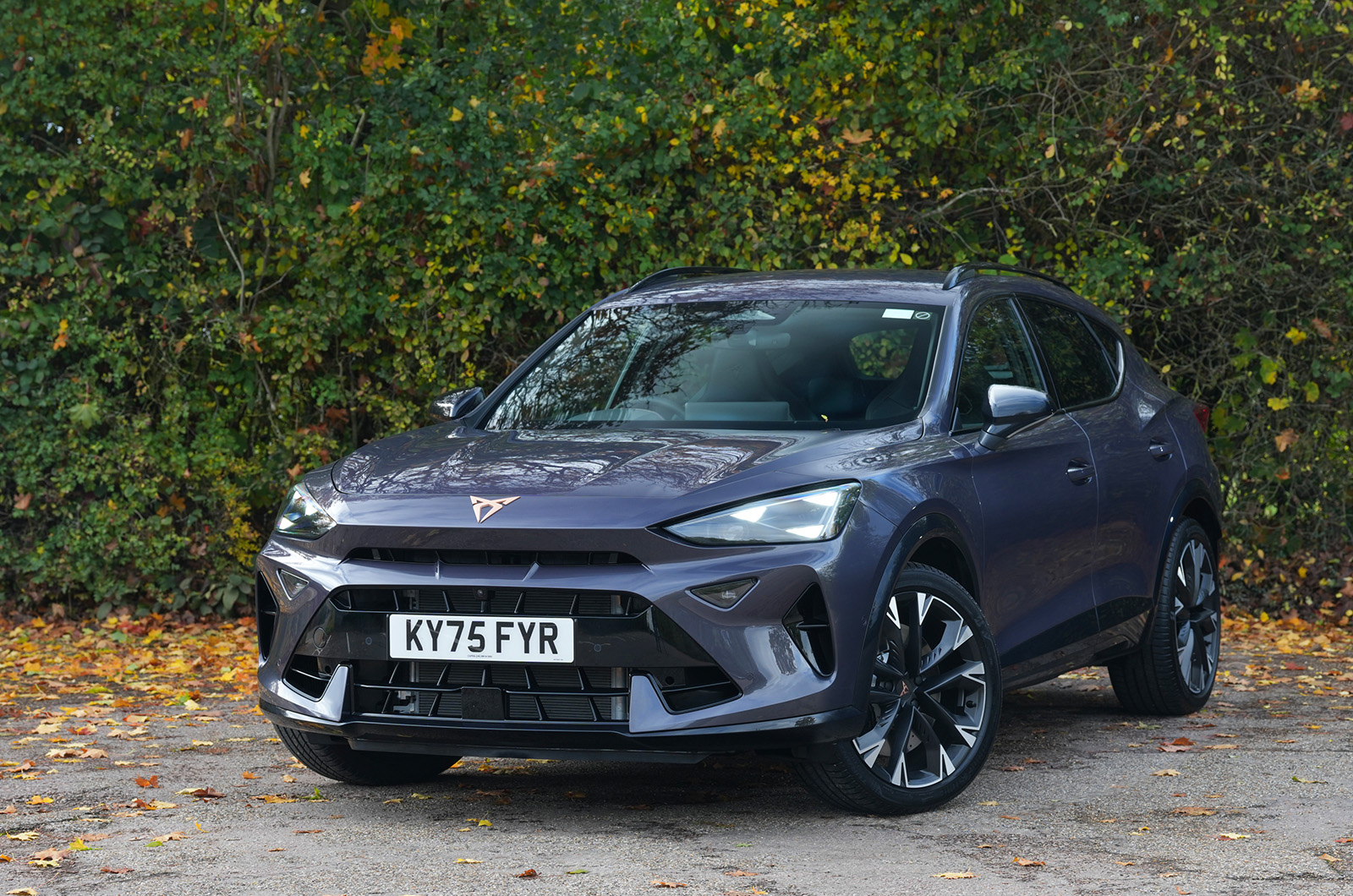
For drivers navigating motorways or seeking engagement on winding rural roads, the system operates in a hybrid configuration where the petrol engine and electric motor work in tandem. This synergy is engineered to provide "low-end thrust," a technical characteristic where the electric motor fills in the torque curve while the turbocharger builds pressure. This results in instant acceleration when the driver "pokes the accelerator pedal," a feature that CUPRA engineers have calibrated to ensure the cars maintain their "hot hatch" and "performance SUV" DNA despite the added weight of the battery system.
Furthermore, the electric motor serves as a support system during long-distance "economy runs." By taking the strain off the combustion engine during steady-state cruising, the system optimizes fuel consumption, significantly extending the total range of a single tank of fuel. This versatility addresses "range anxiety," a common hurdle for pure electric vehicle adoption, by offering the efficiency of an EV for short trips and the long-range reliability of a petrol engine for cross-country travel.
Chassis Control and Top-End Refinement
A critical aspect of the e-HYBRID’s appeal is the focus on NVH (Noise, Vibration, and Harshness) levels. CUPRA has implemented extensive sound-deadening measures to ensure that road and wind noise are minimized across the cabin. This refinement is particularly noticeable when the vehicle transitions between electric and petrol power; the handover is designed to be seamless and "far from obtrusive," only becoming audible if the driver deliberately pushes the engine toward the redline in a performance setting.
To manage the unique weight distribution of a hybrid—where the battery is typically positioned low and toward the rear to improve the center of gravity—CUPRA offers an advanced Adaptive Suspension system, known as Dynamic Chassis Control (DCC). This system allows drivers to toggle between several distinct modes:
- Comfort Mode: Calibrates the dampers to their most compliant setting, smoothing out road imperfections even when the vehicle is equipped with larger, low-profile optional alloy wheels.
- Sport Mode: Firms up the steering and suspension response, providing the "fix" sought by driving enthusiasts who prioritize body control and feedback.
- CUPRA Mode: The most aggressive setting, which stiffens the suspension to its maximum and optimizes the powertrain for peak output, intended for "energized" driving sessions.
- Individual Mode: Provides a granular level of customization, allowing the driver to mix and match settings—such as pairing the softest suspension with the most aggressive engine mapping.
Interior Opulence and the Digital Cockpit
The interior of the e-HYBRID range reflects CUPRA’s "sophisticated sportiness" design language. Moving away from the utilitarian interiors often found in mass-market hatchbacks, CUPRA utilizes high-quality plastics and soft-touch materials that rival prestige German manufacturers. The aesthetic is anchored by signature bronze/copper highlights and ambient lighting that wraps around the cabin, creating an atmosphere that aligns with the refined nature of the powertrain.
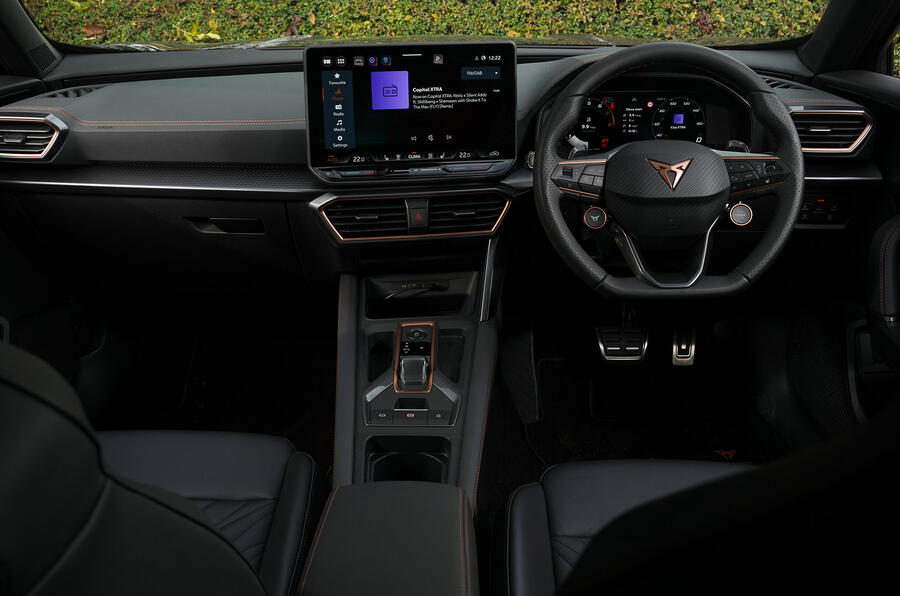
The centerpiece of the dashboard is a new 12.9-inch infotainment screen. This unit runs an intuitive operating system designed to minimize driver distraction while offering deep customization of vehicle settings, climate control, and navigation. The ergonomics are focused on the driver, featuring a "wraparound" dash and center console that creates a cockpit-like feel. This is complemented by a sporty seating position, which remains a priority across all body styles, from the low-slung Leon to the more elevated Terramar SUV.
A Model for Every Demographic: The Four Pillars of the Range
CUPRA’s e-HYBRID strategy involves providing a specific solution for different lifestyle requirements, ensuring that the benefits of hybridization are accessible regardless of space needs.
The Formentor e-HYBRID
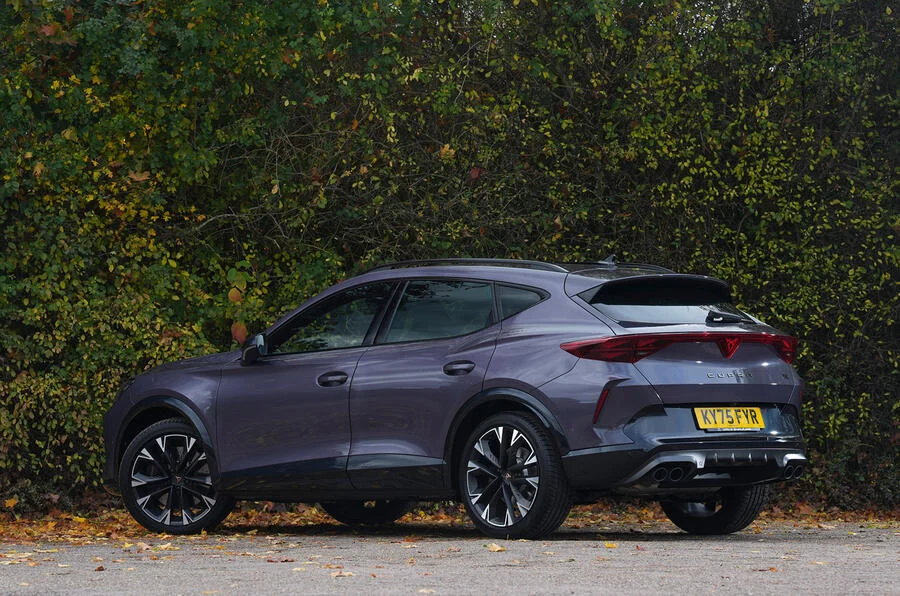
As the brand’s first bespoke model, the Formentor remains its most iconic. Its rakish coupé-SUV silhouette provides a high-style alternative to traditional crossovers. Despite its sloping roofline, it maintains practical rear-seat headroom for most passengers and includes a "ski-hatch" for transporting long items without sacrificing all rear passenger space. It remains the top choice for buyers who prioritize aesthetics and a commanding driving position.
The Terramar e-HYBRID
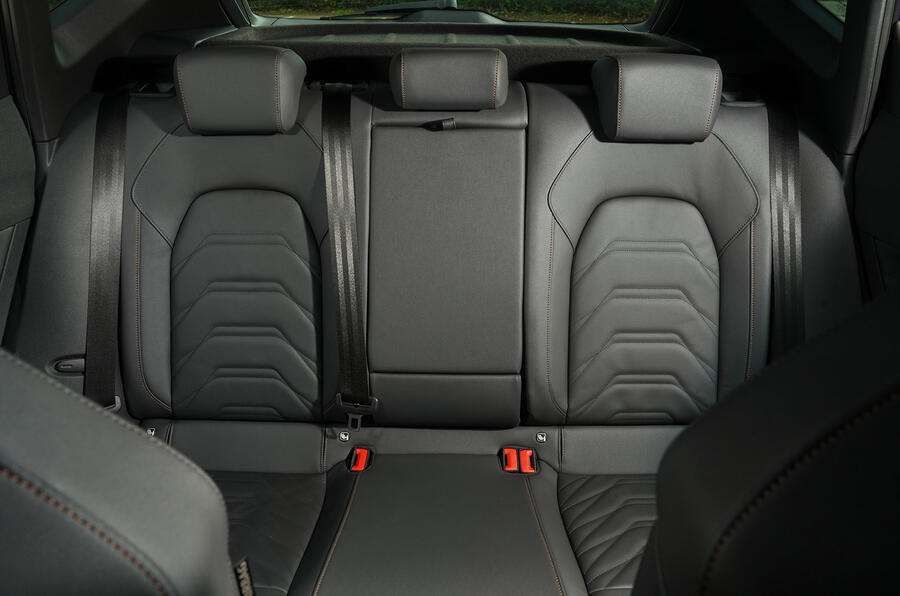
The newest addition to the lineup, the Terramar, is designed for maximum utility and family-centric luxury. It features a 40/20/40 split-folding rear seat and a sliding rear bench that can adjust the balance between legroom and cargo capacity. The 400-liter boot can be expanded by an additional 90 liters simply by sliding the seats forward, making it the most versatile option for those with high luggage requirements.
The Leon e-HYBRID
The Leon hatchback continues to serve the traditional "hot hatch" market. While it is the most compact of the four, it is engineered to handle the "hectic demands of family life" with a 270-liter boot and a cabin spacious enough for four adults. Its shorter wheelbase makes it the most agile of the e-HYBRID range, appealing to urban dwellers who require a maneuverable yet potent vehicle.
The Leon Estate e-HYBRID
For those who require the driving dynamics of a hatchback but the volume of an SUV, the Leon Estate offers a 470-liter boot. The 60/40 split-folding seats allow for the transport of bulky items like furniture or sports equipment, while the extended roofline ensures that the cargo area is highly usable for weekly grocery hauls and strollers.
Market Analysis and Strategic Implications
The expansion of the e-HYBRID range comes at a pivotal moment for the European automotive industry. While the long-term goal for many manufacturers remains 100% battery electric vehicles (BEVs), the current market has seen a resurgence in PHEV popularity. According to recent industry data, many consumers are turning to plug-in hybrids as a "transitional technology" that offers the financial benefits of low company car tax (Benefit-in-Kind) and reduced fuel costs without the infrastructure hurdles sometimes associated with pure EVs.
CUPRA’s decision to offer high-performance hybrids across its entire core lineup suggests a calculated move to capture this growing market segment. By maintaining a focus on "on-road thrills" and premium interior materials, the brand is successfully differentiating itself from its parent company, SEAT, and competing directly with premium marques like BMW and Audi.
Conclusion: The Path Forward for CUPRA
As CUPRA continues its trajectory toward becoming a fully electrified brand by 2030, the e-HYBRID range serves as a vital proof of concept. It demonstrates that efficiency does not have to come at the expense of character or performance. With a diverse lineup ranging from the agile Leon to the spacious Terramar, the brand has positioned itself to meet a wide variety of consumer needs while maintaining a consistent identity of "top-end refinement" and "spirited driving." For the modern driver, these models represent a pragmatic yet emotional choice in an increasingly regulated automotive world.