


The inception of the Chevrolet Volt was rooted in a pragmatic observation of American driving habits: approximately 80% of daily commutes in the United States cover fewer than 40 miles. This statistic formed the foundation of a vehicle concept that sought to bridge the gap between internal combustion engines and pure electric propulsion. The proposed drivetrain was designed to operate as an electric vehicle for the majority of daily travel, yet remain capable of long-distance journeys without the "range anxiety" that plagued early battery-electric offerings. On a 60-mile trip, the Volt’s drivetrain was engineered to achieve a fuel economy equivalent to 150 mpg, a figure that appeared revolutionary during a period when the United States was grappling with record-high oil prices and increasing dependence on foreign energy imports.
The appeal of the Volt lay in its compromise. By utilizing a smaller, more cost-effective battery pack than a dedicated electric vehicle, General Motors (GM) aimed to keep the purchase price accessible while providing a total driving range of approximately 300 miles. This range could be replenished at any standard petrol station, offering a level of versatility that contemporary battery-electric vehicles (BEVs) could not match. However, the path from concept to production was fraught with internal skepticism and significant technical hurdles that threatened to derail the project before it ever reached the assembly line.
Internal Resistance and the Tesla Catalyst
Robert "Bob" Lutz, then the Vice Chairman of Global Product Development at General Motors, was the primary champion of the Volt project. Despite his reputation as a "petrolhead," Lutz recognized the shifting geopolitical and environmental landscape. Nevertheless, his proposal faced stiff opposition within the halls of GM. Skeptics frequently cited the limitations and dangers of lithium-ion battery technology as a primary reason to abandon the project. At the time, the technology was largely associated with consumer electronics, and occasional reports of laptop batteries spontaneously combusting provided ammunition for those who believed the technology was not yet mature enough for automotive applications.
The turning point for Lutz and the Volt project came not from within Detroit, but from a small, fledgling startup in Silicon Valley. In 2006, Tesla Motors unveiled the Roadster, a high-performance sports car based on the Lotus Elise chassis. The Roadster boasted a top speed of 140 mph and a range of 200 miles, powered by a massive array of 6,835 lithium-ion laptop batteries. Lutz used Tesla’s success as a strategic lever, challenging GM’s engineering team by pointing out that if a tiny startup could harness lithium-ion technology to create a functional car, a global giant like General Motors had no excuse for failure.
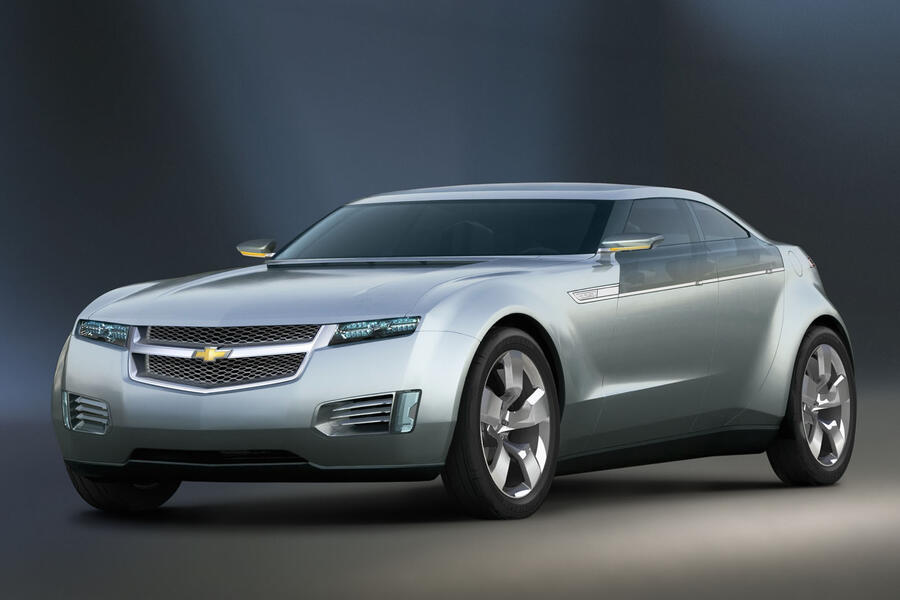
This internal pressure culminated in the development of the Chevrolet Volt concept car, which made its debut on January 7, 2007, at the North American International Auto Show in Detroit. The vehicle caused an immediate sensation, drawing both praise and intense scrutiny. Competitive pressure was immediate; Toyota’s public relations department openly questioned the viability of the Volt’s technology, while internal critics at GM suggested the company lacked the financial means and technical expertise to bring such a complex machine to market.
Engineering the Impossible: The Path to Production
Despite the skepticism, GM moved forward with an aggressive development schedule. The task of turning the concept into a production reality fell to a team of dedicated engineers. Frank Weber, an inspirational leader from GM’s European subsidiary, Opel, was appointed to lead the production team. His task was to harmonize the complex interplay between the electric motors, the internal combustion range-extender, and the sophisticated software required to manage the energy flow.
Simultaneously, the responsibility for sourcing and validating a reliable battery pack fell to Denise Gray, GM’s Director of Global Battery Systems Engineering. The stakes were extraordinarily high. During early press briefings, Gray was remarkably candid about the "jeopardy" surrounding the project, admitting that the company did not yet know if it was possible to engineer a battery pack that met the necessary safety, durability, and performance standards. This level of transparency was rare in the automotive industry, reflecting the "moonshot" nature of the Volt’s development.
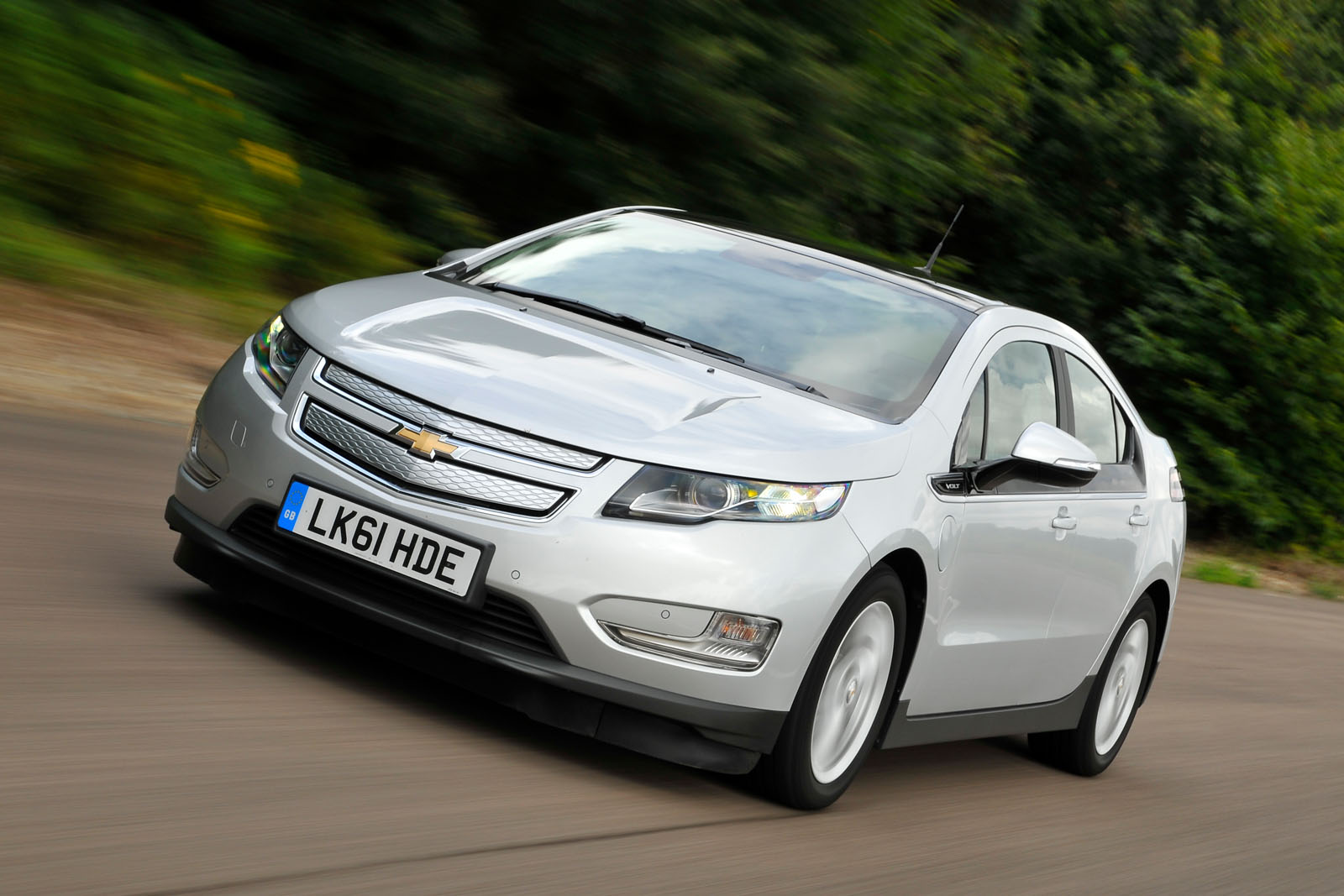
The engineering team eventually settled on a T-shaped, 16 kWh lithium-ion battery pack, which utilized manganese-spinel chemistry designed for longevity and thermal stability. To ensure the battery would last the life of the vehicle, GM implemented a sophisticated liquid thermal management system—a first for a mass-produced electrified vehicle. By late 2010, less than four years after the concept’s debut, the first production Chevrolet Volts began rolling off the assembly line at the Detroit-Hamtramck Assembly plant.
Technical Specifications and Real-World Performance
The production Chevrolet Volt arrived with a unique "Voltec" propulsion system. Unlike traditional hybrids like the Toyota Prius, which often used the gasoline engine to drive the wheels directly, the Volt was designed to operate as a series hybrid. In most driving conditions, the wheels were turned by an 111 kW (149 hp) electric motor. When the battery reached a predetermined state of depletion, a 1.4-liter four-cylinder gasoline engine would engage to turn a generator, providing electricity to the motor and maintaining a minimum charge in the battery.
The performance metrics were competitive for the era:
- Electric Range: Officially EPA-rated at 35 miles (Gen 1) and later 53 miles (Gen 2).
- Total Range: Approximately 380 miles with a full tank of fuel and a full charge.
- Acceleration: 0-60 mph in approximately 8.8 to 9.2 seconds.
- Top Speed: Electronically limited to 100 mph.
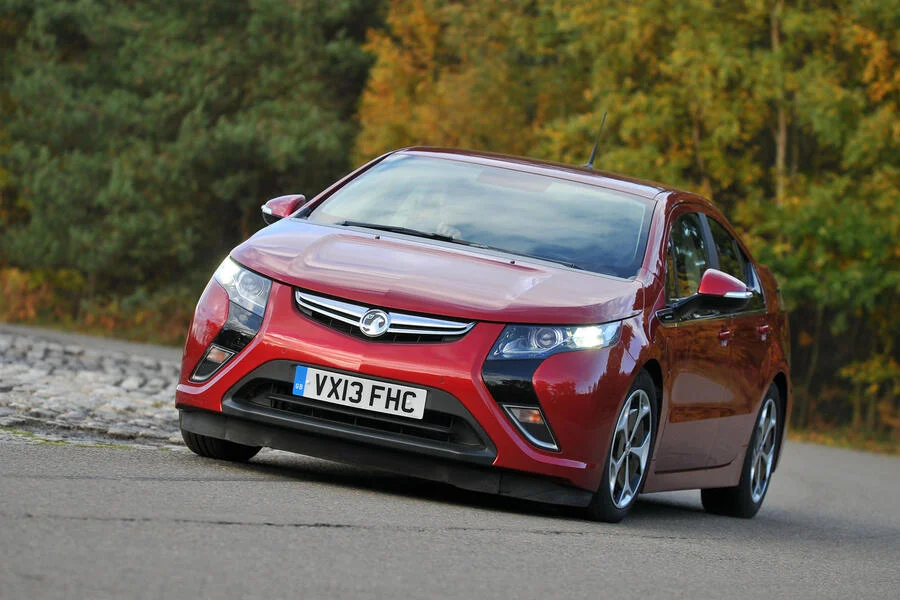
In Europe, the vehicle was marketed as the Vauxhall Ampera in the United Kingdom and the Opel Ampera in continental Europe. While the underlying technology remained identical to the Volt, the Ampera featured distinct styling, including a more aggressive front fascia with "boomerang" headlamp housings. Independent testing by automotive publications, including Autocar, confirmed the vehicle’s real-world utility. Testers frequently achieved over 30 miles of pure electric range, noting that the car was quiet, comfortable, and easy to drive, even if its handling characteristics were hampered by the significant weight of the battery pack.
The European Market and the Challenge of Adoption
While the Volt saw moderate success in the United States, its European counterparts, the Ampera and Volt, struggled to find a foothold. General Motors engaged in an extensive marketing campaign, providing frequent technical briefings to journalists and industry analysts. The ratio of press coverage to units sold was perhaps the highest in automotive history. Despite being named the 2012 European Car of the Year, the Ampera faced several insurmountable barriers.
The primary obstacle was price. In the UK, the Vauxhall Ampera launched with a price tag of nearly £30,000 even after government incentives, placing it in direct competition with established luxury marques and highly efficient diesel-powered executive cars. Additionally, the European charging infrastructure in the early 2010s was in its infancy. While the Ampera did not require a charger to function, its value proposition relied heavily on the owner’s ability to charge at home or work to minimize fuel costs.
Consumer confusion also played a role. The "range-extended electric vehicle" (REEV) category was a difficult concept to market. Consumers often struggled to differentiate the Ampera from "plug-in hybrids" (PHEVs), and the premium price was difficult to justify for a vehicle that lacked the badge prestige of BMW or Mercedes-Benz. Consequently, sales in Europe remained sluggish, and the Ampera was eventually withdrawn from the market as GM began to shift its focus toward pure battery-electric vehicles like the Chevrolet Bolt (marketed in Europe as the Opel Ampera-e).
Financial Turmoil and the Context of the Great Recession
The development of the Volt cannot be viewed in isolation from the broader economic climate of the late 2000s. As GM was pouring billions into the Voltec platform, the global financial crisis was pushing the company toward the brink of collapse. In 2009, General Motors filed for Chapter 11 bankruptcy protection.
During the subsequent government-led restructuring, the Volt project became a political lightning rod. Critics labeled it the "Obamamobile," arguing that it was a symbol of government overreach and an example of the "old GM" wasting money on a niche product that the public didn’t want. However, the Obama administration and the "New GM" leadership defended the project as a vital investment in the future of American manufacturing and energy security. The fact that the Volt survived the bankruptcy process is a testament to the company’s belief that the technology was essential to its long-term survival in a carbon-constrained world.
Broader Impact and the Legacy of the Voltec System
Although the Chevrolet Volt was discontinued in 2019, its impact on the automotive industry remains profound. It served as a laboratory for large-scale lithium-ion battery integration, proving that the technology could be made safe and durable for automotive use. The thermal management systems and power electronics developed for the Volt paved the way for GM’s subsequent electric vehicles, including the Bolt EV and the current Ultium platform.
The Volt also shifted the conversation around vehicle electrification. It demonstrated that an electric car could be a household’s primary vehicle, capable of cross-country trips while still providing emission-free daily commuting. Today, the plug-in hybrid market is thriving, with manufacturers like BMW, Volvo, and Toyota offering vehicles that follow the same basic philosophy pioneered by the Volt: a meaningful electric range paired with a gasoline backup.
In retrospect, the Chevrolet Volt was a vehicle ahead of its time. It arrived during a period of transition, serving as a bridge between the internal combustion past and the electric future. While it may not have achieved the massive sales volumes GM originally envisioned, it successfully changed the internal culture of one of the world’s largest automakers and proved to a skeptical public that the electric revolution was not just possible, but inevitable. The engineering lessons learned from Denise Gray’s "jeopardy" and Bob Lutz’s "lever" continue to resonate in every electric vehicle that rolls off the assembly line today.