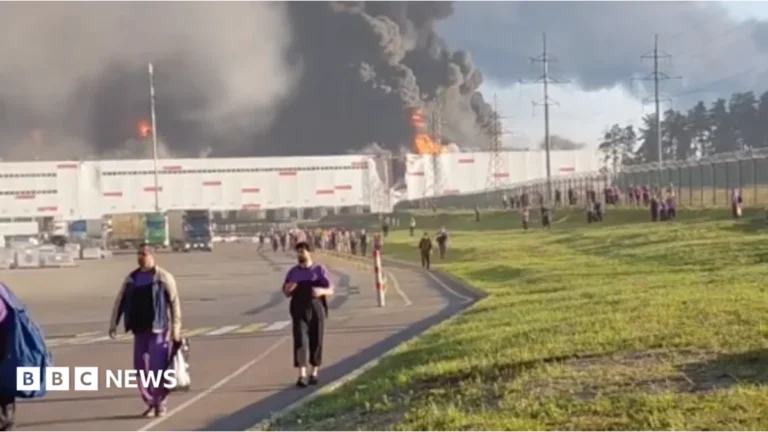




A month after the United States and Israel initiated a coordinated aerial campaign against Iran, the Middle East finds itself plunged into an unprecedented regional conflict, defying initial expectations of a swift resolution and posing President Donald Trump with a stark choice: declare a victory that convinces no one, or escalate a war whose consequences could be catastrophic for global stability and the international economic order. What began on February 28 as a targeted strike, ostensibly aimed at crippling the Iranian regime and its nuclear ambitions, has quickly exposed the limitations of conventional military might against a resilient and strategically adaptive adversary.
A Month of Unforeseen Resistance: The War’s Unfolding Chronology
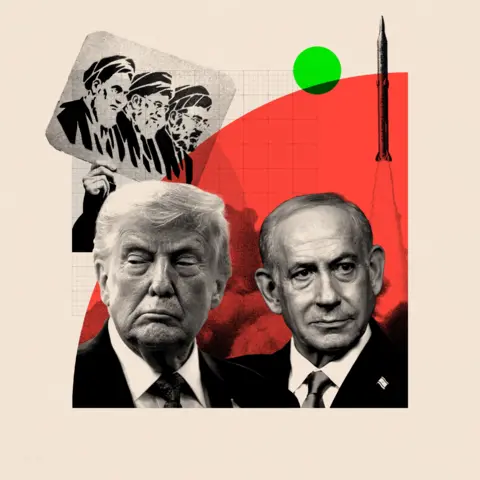
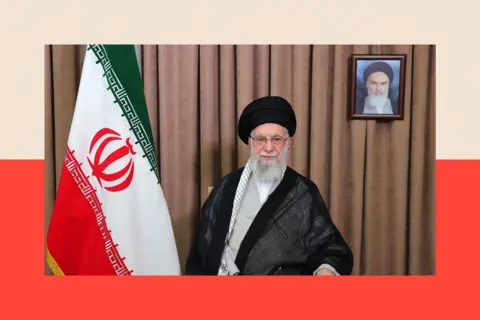
The conflict ignited on February 28 with a series of ferocious air strikes launched by US and Israeli warplanes. The initial assault was designed for maximum impact, targeting key military installations, command centers, and, most notably, resulting in the death of Iran’s then-Supreme Leader, Ayatollah Ali Khamenei, and several of his closest advisors. This audacious move, unprecedented in its direct assault on Iran’s highest spiritual and political authority, was reportedly intended to decapitate the regime and trigger a popular uprising. However, the anticipated collapse did not materialize. Instead, the Islamic Republic, swiftly moving to consolidate power, announced Ayatollah Mojtaba Khamenei as the new Supreme Leader, signaling a clear intent to continue the fight.
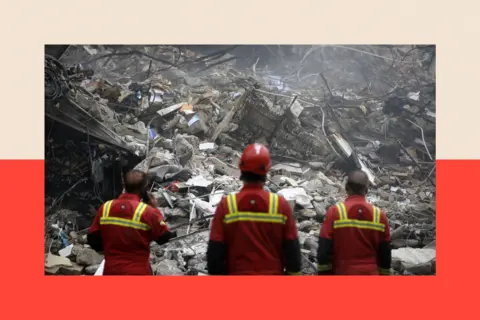
In the four weeks since, the humanitarian cost has been significant. According to HRANA, a US-based human rights monitoring group, 1,464 Iranian civilians have been killed in the relentless bombing campaign. Images from Tehran depict buildings reduced to rubble, stark reminders of the conflict’s devastating impact on urban centers. Far from capitulating, Iran has demonstrated remarkable resilience, engaging in what strategists term "asymmetric warfare." The regime, instead of crumbling, has broadened the scope of the conflict, launching counter-attacks against its Gulf Arab neighbors, American military bases in the region, and Israel itself, spreading the pain and raising the stakes for all involved parties.
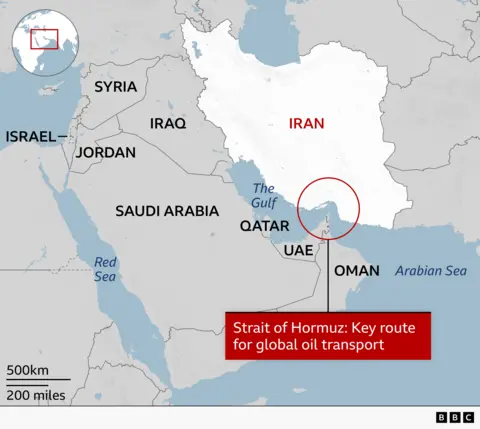
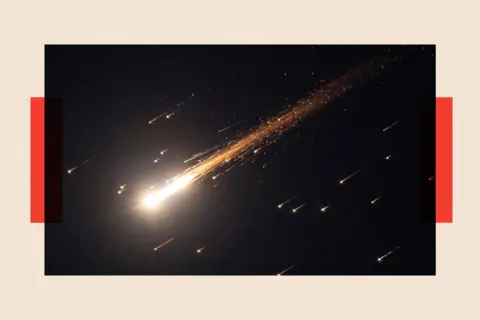
A pivotal development occurred with Iran’s effective closure of the Strait of Hormuz. This narrow waterway, a critical choke point for global oil supplies, saw roughly 20% of the world’s crude oil transit abruptly halted. The immediate consequence was a seismic shock to global financial markets, sending oil prices soaring and triggering widespread concern about a looming global economic crisis. The closure was enforced through the deployment of cheap, yet effective, drones, launched from hundreds of kilometers away in Iran’s mountainous interior, demonstrating the regime’s capacity to leverage geographical advantages and low-cost weaponry against technologically superior forces.

Further complicating the regional security landscape, the Houthis in Yemen, a key component of Iran’s "axis of resistance," launched a barrage of missiles at Israel on Friday, marking their first direct strike since the war’s inception. This action raised fears of a renewed campaign against shipping in the Red Sea, particularly in the Bab al Mandab strait, another vital choke point for global trade. Should the Houthis escalate their attacks, as they did during the Gaza war following October 7, 2023, the Suez Canal route from Asia to Europe could be effectively severed, exacerbating the global economic emergency initiated by the Hormuz closure.
Echoes of Military Doctrine: The Peril of Unplanned Warfare
The unfolding conflict in Iran has starkly highlighted enduring truths about warfare, echoing wisdom from military strategists across centuries. Helmuth von Moltke the Elder, the Prussian military architect, famously stated in 1871 that "no plan survives first contact with the enemy." This maxim underscores the inherent unpredictability of armed conflict. More colloquially, boxer Mike Tyson offered a modern equivalent: "everyone has a plan until they get hit." Both statements resonate with the current situation, where the US-Israeli plan for a swift, decisive victory has clearly encountered unexpected resistance.
Even more pertinent for President Trump is the perspective of one of his predecessors, Dwight D. Eisenhower. The American general who commanded the D-Day landings in 1944 and served two terms as president in the 1950s, articulated that "plans are worthless, but planning is everything." Eisenhower emphasized that the rigorous process of planning for war, even if the specific plans are later discarded, builds the discipline and intellectual framework necessary to adapt when the unforeseen occurs. He elaborated in a 1957 speech that in an emergency, one might "take all the plans off the top shelf and throw them out the window and start once more. But if you haven’t been planning you can’t start to work, intelligently at least."
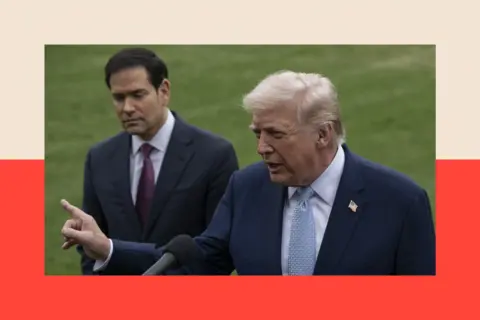
President Trump’s approach, as observed by many analysts, appears to diverge significantly from this philosophy. His reliance on "gut instincts" rather than meticulously prepared intelligence briefings and strategic advice has created an impression of improvisation. The expectation for a swift victory, reportedly influenced by the "lightning-fast kidnap" of Venezuelan President Nicolás Maduro and his wife in January – who are now imprisoned in New York – suggests a profound miscalculation of Iran’s complexity and resilience compared to Venezuela. This perceived lack of comprehensive pre-war planning, and an inner circle seemingly disinclined to challenge the President’s decisions, has, according to critics, blunted the effectiveness of the formidable US armed forces by denying them clear political direction.
The Enduring Islamic Republic: Why Iran Defies Expectations
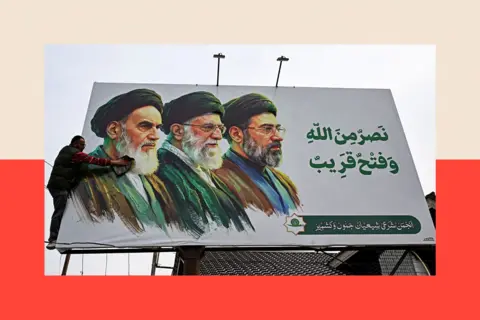
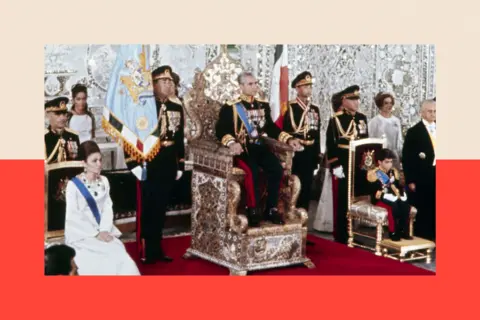
The core of Trump’s miscalculation lies in underestimating the enduring strength of the Iranian regime. Unlike the Venezuelan government, which proved vulnerable to external pressure and internal fracturing, the Islamic Republic is an obdurate, ruthless, and exceptionally well-organized adversary. Born from the crucible of the 1979 revolution that overthrew the US-backed Shah Mohammad Reza Pahlavi, and subsequently forged in the brutal eight-year war with Iraq, the regime’s foundations are deeply institutional, rather than reliant on individual figures. Its structure is reinforced by powerful religious beliefs and an ideology that embraces martyrdom, making it uniquely resistant to external pressures and leadership changes.
The assassination of Supreme Leader Ayatollah Ali Khamenei, while undoubtedly a profound shock and disruptive event, did not prove to be a death blow for the regime. The swift transition to Ayatollah Mojtaba Khamenei underscores the institutional depth and succession planning within Iran’s clerical establishment. The failure of popular uprisings, which Washington and Jerusalem had seemingly hoped for, is largely attributed to the regime’s demonstrated willingness to employ brutal force against dissent. In January, government forces killed thousands of protesters, and subsequent official warnings have made it clear that any attempts to revive protests would be met with severe state repression. For the Iranian leadership, the deaths of many more citizens, whether at the hands of their own forces or through US-Israeli bombardments, are tragically considered an acceptable price for survival and the preservation of the Islamic system.
Economic Fallout: The Strait of Hormuz and Global Stability
The closure of the Strait of Hormuz represents a strategic masterstroke by Iran, leveraging a geographical reality that poses an existential threat to the global economy. This narrow passage, connecting the Persian Gulf to the Arabian Sea, handles approximately one-fifth of the world’s total petroleum consumption. The immediate cessation of this flow has sent shockwaves through international markets, triggering a sharp increase in oil prices and unsettling investor confidence worldwide. Energy analysts have warned that prolonged closure could lead to a global recession, impacting supply chains, manufacturing, and consumer prices across continents.
The economic implications extend beyond oil. Shipping routes for other critical goods, including liquefied natural gas (LNG), are also affected, further disrupting global trade. Major economies in Europe and Asia, heavily reliant on Middle Eastern energy supplies, face immediate challenges to their energy security. The cost of diverting shipping around Africa, a much longer and more expensive route, would be astronomical, leading to inflationary pressures globally. Financial institutions have expressed deep concern, with the International Monetary Fund (IMF) and the World Bank issuing warnings about the severe economic downturn that could ensue if the crisis is not resolved swiftly. The economic weapon wielded by Iran through Hormuz has proven to be a far more potent deterrent and bargaining chip than its conventional military alliances, demonstrating how a weaker power can inflict disproportionate damage on a global scale.
Netanyahu’s Decades-Long Vision and the US Alliance
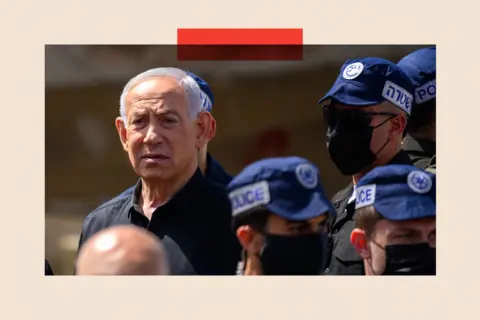
In stark contrast to President Trump’s seemingly improvisational approach, Israeli Prime Minister Benjamin Netanyahu has pursued a clear, long-standing objective regarding Iran. Since the inception of his political career, Netanyahu has consistently viewed the Islamic Republic as Israel’s most dangerous existential enemy. His conviction is that Israel’s future security hinges on inflicting maximum damage on the Iranian regime. On the first full day of the war, speaking from the Kirya, Israel’s military headquarters in Tel Aviv, Netanyahu articulated his war aims with unwavering clarity: "to ensure our existence and our future." He went on to express that the coalition with the US allowed him "to do what I have yearned to do for 40 years: smite the terror regime hip and thigh. This is what I promised – and this is what we shall do."
For decades, Israeli military establishments and political leaders, including Netanyahu himself, explored various scenarios for war with Iran, focusing on destroying its nuclear facilities, ballistic missile capabilities, and its network of proxies. The consistent conclusion, however, was that while Israel could inflict significant damage, such actions would only set back the regime temporarily. The prevailing wisdom held that only a concerted effort in alliance with the United States could deliver a decisive blow capable of crippling Iran’s military capacity for a generation or more. Previous US presidents, despite the close US-Israel relationship and Israel’s dependence on American military and diplomatic support, had always refrained from joining Israel in a "war of choice" against Iran. Their calculus was that containing Iran was the safer approach, and military intervention would only be justified by an imminent threat, particularly credible evidence of Iran nearing a nuclear weapon.
It was only in the second term of Donald J. Trump that Netanyahu found a US president willing to abandon this long-held containment strategy and launch a direct military confrontation. While Trump included a nuclear threat in his evolving list of justifications for war, there has been no credible evidence to suggest Iran was on the verge of acquiring a nuclear weapon or the means to deliver one. Even a White House statement dated June 25, 2025, claiming "Iran’s Nuclear Facilities Have Been Obliterated – and Suggestions Otherwise are Fake News," appears to be a retrospective justification rather than a pre-emptive casus belli. This historical context underscores the magnitude of the policy shift and the significant risks President Trump has now taken, risks that his predecessors had consistently deemed too great.
The Diplomatic Deadlock: A Path to De-escalation or Further Conflict?
The current military stalemate has, predictably, led to back-channel diplomatic efforts, with Pakistan and other intermediaries attempting to bridge the chasm between Washington and Tehran. However, the substance of these contacts remains highly contentious. President Trump has repeatedly claimed that Iran is desperate for a deal, asserting that the regime has been "hit so hard by the damage and death the US has already inflicted" that it fears further escalation. The Iranians, however, vehemently deny that a "full-blown negotiation" is underway.
Leaked versions of President Trump’s purported 15-point peace plan reveal a document that reads less like a basis for negotiation and more like a set of surrender terms, encapsulating long-standing US and Israeli demands. These include the complete dismantlement of Iran’s nuclear program, cessation of ballistic missile development, termination of support for regional proxies, and adherence to international human rights standards. Iran has countered with its own, equally unacceptable, demands, including international recognition of its control over the Strait of Hormuz, substantial reparations for war damages, and the complete withdrawal of all American military bases from the Middle East.
This wide divergence in demands highlights the profound diplomatic deadlock. Intriguingly, Arab diplomatic sources have indicated that prior to the February 28 air strikes, Iran had been offering a path towards a deal on its nuclear program. One source suggested Iran was "offering everything," implying that significant diplomatic space for compromise existed before the military option was chosen. The US administration, however, denies that meaningful progress was being made, maintaining that diplomacy had been exhausted. This raises critical questions about whether the war could have been averted through continued diplomatic engagement, a path favored by previous administrations.
Asymmetric Warfare and the Limits of Conventional Power
The conflict is rapidly evolving into a classic study of asymmetric warfare, where a smaller, conventionally weaker power effectively counters a larger, technologically superior adversary. While the US and Israel possess overwhelming air superiority, advanced weaponry, and intelligence capabilities, Iran has demonstrated a shrewd understanding of its own strengths and its enemy’s vulnerabilities. The regime’s deep institutional roots, ideological fervor, and experience in protracted conflict have allowed it to absorb initial blows and respond in ways that exploit the economic and geopolitical sensitivities of its opponents.
The closure of the Strait of Hormuz is a prime example of this asymmetric strategy. It avoids direct conventional confrontation, where Iran would be outmatched, and instead leverages geography and low-cost, deniable assets (drones) to inflict severe economic pain on the global community, thereby putting immense pressure on the US and its allies. This strategy forces the stronger power to contend with costs far beyond traditional military metrics, such as body counts or destroyed infrastructure. The ongoing engagement of proxies like the Houthis further extends Iran’s reach without directly exposing its conventional forces to annihilation, draining the resources and attention of the US and Israel across multiple fronts. This type of warfare, characterized by protracted engagements and unconventional tactics, has historically proven challenging for technologically advanced nations, as evidenced by the experiences of the United States in Vietnam, Iraq, and Afghanistan, all of which, despite immense military superiority, ultimately ended in ways that amounted to strategic defeats.
The Escalation Dilemma: Trump’s Stark Choices
At this critical juncture, President Trump faces a perilous decision with very few palatable options. The first path is to declare a hollow victory, asserting that America has successfully destroyed Iran’s military capacity and that the reopening of the Strait of Hormuz is no longer his responsibility. Such a declaration would likely be met with widespread skepticism, melting down world financial markets, and further alienating already disgruntled allies in Europe, Asia, and the Gulf. A wounded, angry Iranian regime, still in control of its territory and with the demonstrated capacity to disrupt global trade, would retain ample scope to exert continued pressure on the world economy and regional stability.
The more likely, and far more dangerous, path is escalation. The US has already deployed more than four thousand Marines on ships heading to the Gulf, with paratroopers from the 82nd Airborne Division on standby and discussions ongoing for further reinforcements. While a full-scale invasion of Iran remains largely outside the scope of current discussions, military strategists are considering scenarios such as the capture of key islands in the Gulf, including Kharg Island, Iran’s main oil terminal. Such an operation would involve a series of challenging and dangerous amphibious landings, potentially drawing the US into precisely the kind of protracted, costly conflict that Iran seeks – a war of attrition where the regime calculates its capacity for pain and endurance exceeds that of the Trump administration.
President Trump has already twice postponed his threat to destroy Iran’s power network, an action that, as described by him, could amount to a war crime. He attributes these postponements to Iran’s supposed desperation for a deal, claiming the regime has been so severely impacted that it fears further US action. However, the Iranians’ continued defiance and their robust counter-demands suggest that they do not perceive themselves as defeated, but rather as having gained significant leverage.
Broader Geopolitical Ramifications: A Turning Point in US Global Hegemony?
The current conflict in Iran carries the potential to be a significant turning point in global geopolitics, akin to the 1956 Suez Crisis for the United Kingdom. In 1956, Britain and France, in alliance with Israel, went to war with Egypt after President Gamal Abdul Nasser nationalized the Suez Canal. Despite achieving their military objectives, they were ultimately forced to withdraw by President Eisenhower of the United States, marking the beginning of the end of British imperial domination in the Middle East and a clear shift in global power dynamics.
Today, America finds itself grappling with the rise of China as a formidable global competitor. Should the war in Iran devolve into a protracted, costly, and ultimately unsuccessful engagement for the United States, historians might view it as a "waystation of decline," mirroring Suez for the British Empire. A US bogged down in the Middle East, expending immense resources and political capital, could inadvertently accelerate its strategic pivot away from global leadership, ceding influence to China and Russia. The prolonged economic disruption, the fracturing of international alliances, and the erosion of US credibility could have profound, long-term implications for the international order, potentially ushering in a more multipolar and unstable world.
The Human Cost and the Uncertain Future
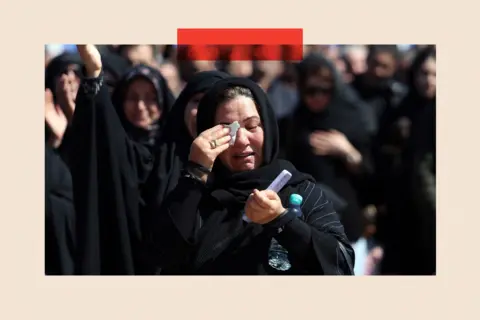
The human cost of this conflict, already significant with nearly 1,500 civilian lives lost, continues to mount. Beyond the immediate casualties, the potential for a wider regional conflagration remains ever-present. Israel continues its offensive against Hezbollah in Lebanon, threatening to escalate hostilities on another front. Ali Vaez of the International Crisis Group warns that the broader consequences could be "catastrophic," encompassing not just further loss of life but also unprecedented regional destabilization, mass displacement, and the further radicalization of various factions.
President Trump and his administration assert that Iran has been militarily defeated and must accept its fate. White House press secretary Karoline Leavitt stated recently that "President Trump does not bluff and he is prepared to unleash hell. Iran should not miscalculate again," adding, "If Iran fails to accept the reality of the current moment, if they fail to understand that they have been defeated militarily, and will continue to be, President Trump will ensure they are hit harder than they have ever been hit before." Yet, the very need for such threats suggests that Iran has not been as comprehensively defeated as claimed. If the regime were truly on the brink of collapse, such strong rhetoric would be unnecessary.
Ultimately, the trajectory of this war hinges on the next set of decisions from Washington and Tehran. Unless a genuine, mutually acceptable compromise can be forged from the current diplomatic deadlock, the path ahead appears fraught with escalating violence and increasingly dire global consequences. The Iranian regime, defining victory as mere survival and now seeking strategic gains through its control of the Strait of Hormuz, is prepared for a long fight. The US and Israel, despite their overwhelming military might, are discovering the limits of their power against an adversary willing to absorb immense pain and leverage asymmetric advantages. The future of the Middle East, and potentially the global order, hangs precariously in the balance.