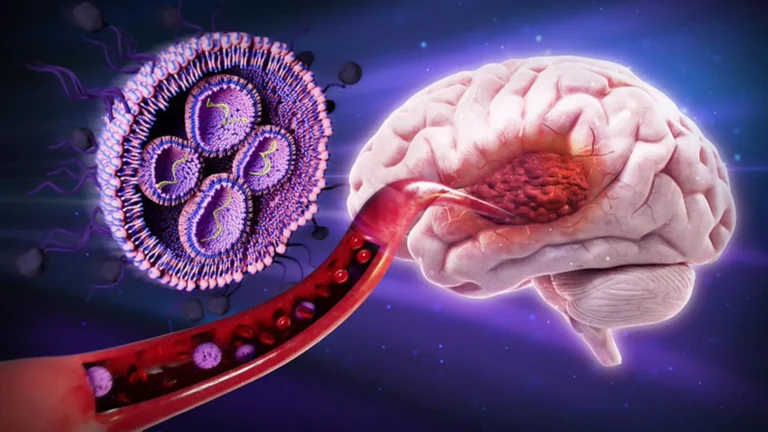




Erythritol, a sugar alcohol that has become a ubiquitous ingredient in a vast array of modern food products, from low-carbohydrate ice creams and keto-friendly protein bars to a wide spectrum of "sugar-free" beverages, is now facing scrutiny due to new research from the University of Colorado Boulder. This extensive body of work suggests that this widely adopted sugar substitute, long perceived as a benign alternative to conventional sugars, may harbor significant and potentially serious health implications, particularly concerning its impact on brain cells and the increased risk of stroke. The groundbreaking findings, recently published in the esteemed Journal of Applied Physiology, are prompting a re-evaluation of the safety profile of this popular additive.
"Our study adds to the growing body of evidence suggesting that non-nutritive sweeteners, which have generally been purported to be safe, may not come without negative health consequences," stated senior author Christopher DeSouza, a distinguished professor of integrative physiology and the director of the Integrative Vascular Biology Lab at the University of Colorado Boulder. His remarks underscore a broader trend in nutritional science where ingredients once deemed innocuous are now subject to rigorous investigation as understanding of their complex biological interactions evolves.
The Ubiquitous Nature of Erythritol and Its Popularity
Erythritol, officially granted approval by the U.S. Food and Drug Administration (FDA) in 2001, is a sugar alcohol primarily derived from the fermentation of corn. Its meteoric rise in the food industry can be attributed to a confluence of highly desirable properties. Nutritionally, it offers virtually zero calories, a significant draw for health-conscious consumers. Furthermore, it provides approximately 80% of the sweetness of regular sucrose (table sugar) without a substantial impact on blood glucose or insulin levels. This unique characteristic makes it an exceptionally appealing option for individuals actively engaged in weight management, seeking to control their blood sugar levels, or adhering to low-carbohydrate or ketogenic dietary regimens. The market for sugar substitutes has experienced exponential growth in recent decades, driven by increasing awareness of the health risks associated with excessive sugar consumption, including obesity, type 2 diabetes, and cardiovascular disease. Erythritol has carved out a substantial niche within this expanding market, appearing in an ever-growing list of processed foods and beverages marketed as "healthier" alternatives.
However, despite its widespread adoption and perceived benefits, a growing corpus of research is beginning to cast a shadow of doubt over erythritol’s long-term safety. This burgeoning scientific inquiry is prompting a critical re-examination of its place in the modern diet.
Landmark Study Links Blood Erythritol Levels to Cardiovascular Events
Prior to the recent cellular-level investigation, a significant epidemiological study provided an early and compelling warning sign. Published in a leading medical journal, this large-scale investigation, encompassing data from approximately 4,000 individuals across the United States and Europe, revealed a concerning correlation. The study found that participants exhibiting higher concentrations of erythritol in their bloodstream were demonstrably more likely to experience a cardiovascular event, specifically a heart attack or a stroke, within a three-year period. This observational data, while not establishing causality, served as a critical impetus for further research into the underlying biological mechanisms that might explain such an association. The study’s findings, which were meticulously collected and analyzed over several years, highlighted a statistical anomaly that could not be easily dismissed. The implications of this study were profound, suggesting that the presence of erythritol in the body, at levels found in some individuals, could be a predictive factor for serious health outcomes.
Unraveling the Cellular Mechanisms: Erythritol’s Impact on Brain Blood Vessels
In an effort to elucidate the potential physiological pathways responsible for the increased stroke risk observed in epidemiological studies, Professor DeSouza and his lead researcher, Auburn Berry, a doctoral candidate in his laboratory, embarked on a focused investigation into how erythritol interacts with cells. Their experimental design centered on examining the effects of erythritol on human cells that form the inner lining of blood vessels in the brain, a critical component of the cerebrovascular system.
The researchers exposed these endothelial cells to an amount of erythritol that closely mirrors the concentration typically found in a single serving of a common sugar-free beverage. This controlled exposure was maintained for a duration of three hours, allowing for observable cellular changes. The results of this in-vitro experiment yielded a series of concerning findings, painting a picture of potential impairment to vascular function.
Specifically, the study observed several detrimental alterations within the treated cells:
- Reduced Nitric Oxide Production: Nitric oxide (NO) is a vital signaling molecule produced by endothelial cells. It plays a crucial role in vasodilation, the process by which blood vessels relax and widen, thereby facilitating healthy blood flow and regulating blood pressure. The research indicated that erythritol exposure led to a significant decrease in the production of nitric oxide by these brain vascular cells. This reduction could lead to impaired blood flow and contribute to hypertension.
- Increased Endothelin-1 Synthesis: Conversely, the study found an elevation in the production of endothelin-1. This peptide is a potent vasoconstrictor, meaning it causes blood vessels to constrict or tighten. An overproduction of endothelin-1, coupled with a deficiency in nitric oxide, creates an environment where blood vessels are more prone to narrowing, potentially restricting blood supply to vital brain tissues.
- Compromised Fibrinolytic Capacity: Blood clotting is a complex process essential for hemostasis, but excessive or inappropriate clotting can lead to blockages in blood vessels, a primary cause of stroke. The researchers assessed the cells’ response to thrombin, a key enzyme involved in blood clot formation. They discovered that erythritol-treated cells exhibited a diminished ability to produce tissue plasminogen activator (t-PA), a naturally occurring compound that plays a critical role in breaking down blood clots (fibrinolysis). This impaired clot-dissolving capability means that once a clot forms, it is less likely to be cleared efficiently, increasing the risk of a persistent blockage.
- Elevated Reactive Oxygen Species (ROS): The study also revealed that the erythritol-exposed cells generated higher levels of reactive oxygen species (ROS), commonly referred to as "free radicals." ROS are unstable molecules that can inflict damage on cellular components, including DNA, proteins, and lipids. This oxidative stress is a well-established contributor to cellular aging, inflammation, and the pathogenesis of various chronic diseases, including cardiovascular and neurodegenerative disorders.
The Direct Link Between Cellular Changes and Stroke Risk
The observed cellular alterations have direct implications for understanding the increased stroke risk associated with erythritol consumption. Auburn Berry elaborated on the broader significance of these findings, stating, "Big picture, if your vessels are more constricted and your ability to break down blood clots is lowered, your risk of stroke goes up. Our research demonstrates not only that, but how erythritol has the potential to increase stroke risk."
The combined effect of vasoconstriction, reduced nitric oxide signaling, and impaired clot lysis creates a perilous environment for cerebrovascular health. Vessels that are chronically constricted are less able to accommodate fluctuations in blood pressure and flow. A reduced capacity to dissolve clots means that any thrombus that forms is more likely to persist, potentially obstructing blood flow to the brain. This scenario is a hallmark of ischemic stroke, the most common type, which occurs when blood supply to a part of the brain is interrupted. Furthermore, the increased oxidative stress induced by erythritol can exacerbate inflammation within the vessel walls, contributing to a pro-thrombotic state and potentially accelerating the development of atherosclerosis, a condition characterized by the buildup of plaque in arteries.
Professor DeSouza emphasized the potential for dose-dependent effects, noting that the study utilized a single serving amount of erythritol. He cautioned that individuals who consume multiple servings of products containing erythritol daily could potentially experience amplified negative effects. This observation is particularly relevant given the pervasive presence of erythritol in numerous food and beverage items, making it easy for consumers to inadvertently exceed what might be considered a single moderate exposure. The cumulative effect of regular, high-level intake is a critical area for future research.
Consumer Awareness and Future Research Directions
The researchers are keen to underscore the limitations of their current findings. They emphasize that their conclusions are derived from laboratory experiments conducted on isolated cells, not from direct studies involving human subjects in real-world conditions. Therefore, while the cellular mechanisms identified are compelling and provide a plausible explanation for observed epidemiological trends, further research is imperative to definitively confirm these risks in human populations. Prospective cohort studies and clinical trials are needed to establish a clear causal link and to determine safe consumption levels, if any.
Despite the need for further investigation, Professor DeSouza offered prudent advice to consumers. He recommended a heightened level of vigilance when reviewing ingredient labels, urging individuals to be aware of the presence of erythritol or other "sugar alcohols." His recommendation is rooted in a precautionary principle: "Given the epidemiological study that inspired our work, and now our cellular findings, we believe it would be prudent for people to monitor their consumption of non-nutrient sweeteners such as this one."
The scientific community is now grappling with the implications of these findings. The food industry, which has heavily invested in erythritol as a key ingredient in its "sugar-free" and "low-calorie" product lines, will likely face increased pressure to provide more transparency and potentially reformulate products. Consumer advocacy groups are calling for stricter regulations and more comprehensive safety testing of food additives. The trajectory of erythritol’s use in the food supply may hinge on the outcomes of future, larger-scale human studies.
The evolving landscape of food science and nutrition continually challenges our understanding of what constitutes a healthy diet. As research progresses, ingredients that were once celebrated for their purported health benefits are being re-examined through a more critical lens. The case of erythritol highlights the importance of ongoing scientific inquiry and the need for consumers to remain informed and discerning about the foods they consume. The pursuit of healthier alternatives should not inadvertently lead to unforeseen health risks, and the scientific community’s commitment to uncovering these truths is paramount. The dialogue initiated by the University of Colorado Boulder’s research is a vital step in ensuring that the pursuit of dietary well-being is guided by robust scientific evidence and a comprehensive understanding of the long-term health implications of our food choices.