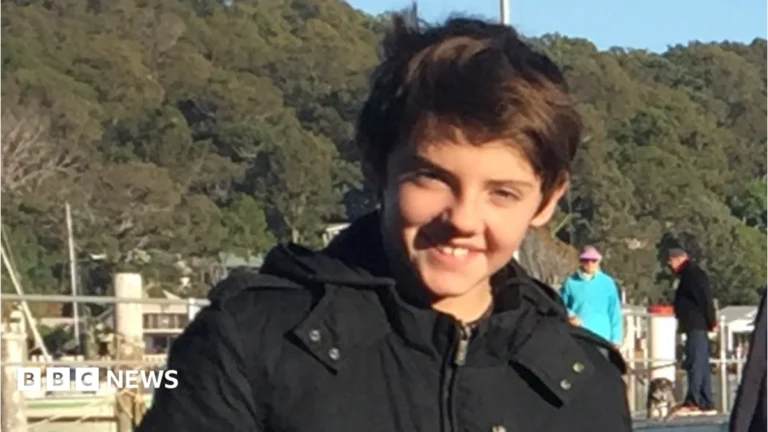



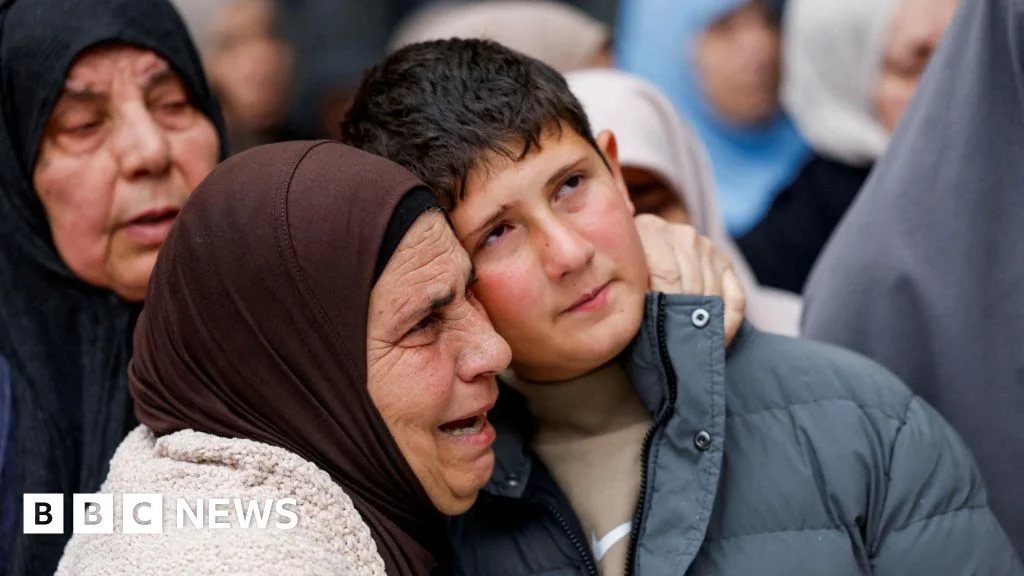
In the quiet moments of terror that followed a hail of gunfire, 12-year-old Khaled Bani Odeh believed he was the sole survivor of his family. His parents, Ali Khaled Bani Odeh, 37, and Waad, 35, along with his two youngest brothers, Mohammed, a kindergartner, and six-year-old Othman, who was blind and disabled, had been shot dead through the windscreen of their family car. The horrific incident unfolded just after midnight on Saturday, March 15, 2026, as the family drove home to the village of Tammun, near Tubas, in the occupied West Bank, following a festive shopping trip ahead of the Eid al-Fitr holiday.
The Horrific Incident: A Family’s Last Journey
The Bani Odeh family’s outing had been a joyful occasion, a rare opportunity for togetherness after Ali’s six-week stint working on a construction site in Israel. The children, eager for the upcoming Eid al-Fitr celebrations, had reportedly pleaded with their father to take them shopping in Nablus. Their return journey, laden with purchases and the innocent chatter of children, was abruptly and violently cut short just minutes from their home.
Khaled recounted the chilling final moments. His mother, Waad, cried out one last time before falling silent. His father, Ali, recited the Shahada, the Islamic declaration of faith, as he succumbed to his injuries. The scene was particularly agonizing as six-year-old Othman, vulnerable due to his blindness and disability, was killed while nestled in his mother’s lap. The youngest, Mohammed, had been sitting between his parents, his kindergarten-aged excitement tragically extinguished.
Following the initial volley of shots, Israeli forces approached the vehicle. Khaled described attempting to intervene when soldiers tried to pull his only surviving brother, eight-year-old Mustafa, from the car. Instead, Khaled himself was dragged out. "They pulled me out instead and began jumping on my back," he testified. "Then they took me to a corner and questioned me about who had been in the car. I told them it was my mother and father. They accused me of lying and started beating me." This traumatic experience left both Khaled and Mustafa as the sole surviving members of their immediate family, orphaned and deeply scarred.
Conflicting Accounts and Eyewitness Testimony
The circumstances surrounding the shooting are subject to conflicting narratives. The Israeli army stated that its soldiers and Border Police were operating in Tammun to apprehend individuals suspected of terrorist activity against Israeli security forces. According to their account, the Bani Odeh family’s car "accelerated towards the forces, who sensed danger and responded by shooting." This version of events implies a perceived threat that necessitated the use of lethal force.
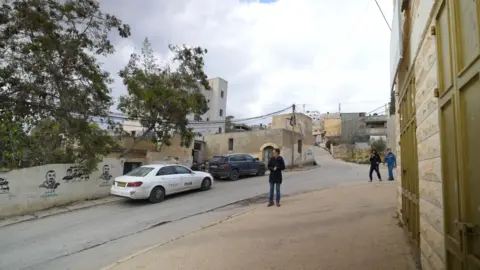
However, this official statement is starkly contradicted by local accounts. A resident, who lives above the road where the incident occurred and requested anonymity for safety, provided a different testimony. He claimed to have been looking out of his window after hearing sporadic gunfire in the distance. He explicitly stated that the family car had just turned left into his street, which faced uphill, and had come to a complete halt before any shots were fired. When questioned if he heard any warnings or warning shots from the Israeli forces, he replied unequivocally, "No, nothing. The firing directly targeted the car. I just heard the woman in the car screaming. The little kids were crying before they were killed."
Further corroborating details emerged from an account in The New York Times, which suggested that Waad had asked her husband to pull over so she could search for something in her bag, indicating the car was indeed stationary.
Physical evidence and professional observations also challenge the military’s narrative. Hassan Fuqoha, a Palestinian Red Crescent ambulance crew member called to the scene, described a level of violence he found unprecedented. "I saw a lot of bullet casings, everywhere around the car," he said. "It was very heavy fire, directly at the car, it’s not normal." Residents later reported finding more than 50 bullet casings from assault rifles, consistent with those used by Israeli armed forces, which they handed over to authorities. One casing remained visible, trapped under rubble by the roadside, near where bloodstains marked the ground. Fuqoha also noted the severe nature of the injuries, stating that both parents and one of the children had sustained injuries where "part of their heads blown off," indicating concentrated and devastating fire.
The Israeli army confirmed that the incident was under investigation by "the relevant authorities." When pressed for a response to reports that the car was stationary and fired upon without warning, they directed inquiries to the police, whose response was pending.
The Survivors’ Plight and the Weight of Grief
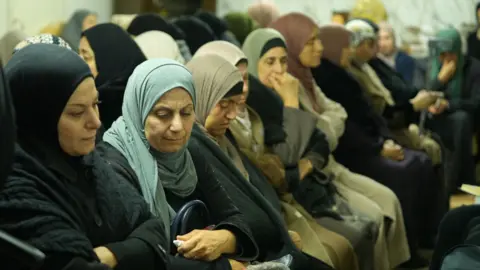
In the aftermath, the weight of the tragedy settled heavily upon the surviving children, Khaled and Mustafa, and their extended family. At the family home, a gathering of mourners surrounded Najah Bani Odeh, the grandmother of Khaled and Mustafa. Dressed in tightly wrapped woollen shawls and headscarves, the women offered comfort in their shared grief.
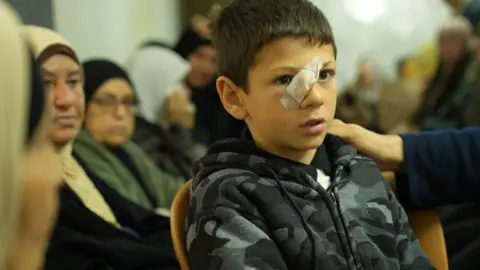
Beside Najah sat eight-year-old Mustafa, his expression fragile, marked by the trauma. His grandmother pointed to a bandage across his face, explaining, "It’s shrapnel – glass from the car window when they fired. He needs an operation to remove it." The physical wound served as a stark reminder of the night’s violence, a visible scar on a child who had lost his entire immediate family.
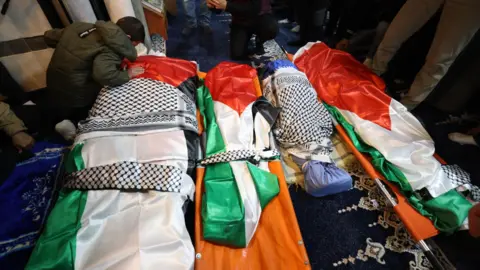
Najah Bani Odeh firmly stated that the family had been unaware of any military operation in the village as they drove home. She painted a picture of innocent family life, with the "kids singing and having fun" as they passed through the school area where the special forces were reportedly hiding. She described Mohammed, the youngest, falling into Mustafa’s lap when the shooting began, covering his clothes with blood—a haunting image for the young survivor.
Broader Context: Escalating Tensions in the West Bank
The tragic killing of the Bani Odeh family is not an isolated incident but occurs within a deeply volatile and increasingly violent context in the Israeli-occupied West Bank. Since the devastating Hamas attacks on Israel on October 7, 2023, the region has witnessed a significant escalation in military operations, settler violence, and Palestinian casualties.
The West Bank, under Israeli occupation since 1967, has long been a flashpoint, but the period following October 7, 2023, has seen a dramatic increase in incursions, arrests, and confrontations. The Israeli military frequently conducts raids into Palestinian towns and villages, often citing the need to apprehend individuals suspected of militant activities. These operations, while framed as security necessities by Israel, are perceived by Palestinians as acts of aggression and collective punishment, contributing to a pervasive sense of insecurity and oppression.
Moreover, settler violence has become a growing concern. Palestinian residents frequently report harassment, intimidation, and physical assaults by Israeli settlers, often with little intervention from Israeli security forces. Najah Bani Odeh articulated this sentiment, stating, "A settler over there goes on rampage hurting men, women and children, and we only defend ourselves by hurling stones. They want to strip us out of our lands. They are now building walls around the lands they have seized and firing at will at anyone approaching." This perception of unchecked settler aggression and military backing further erodes trust and fuels resentment among the Palestinian population.
Humanitarian Impact and Rising Casualties
The human cost of this escalating violence is starkly reflected in casualty figures. According to the UN’s humanitarian affairs office (OCHA), between October 7, 2023, and March 15, 2026, a staggering 1,071 Palestinians were killed in the West Bank. This figure includes at least 233 children, highlighting the disproportionate impact on the youngest and most vulnerable members of society. In comparison, OCHA reported that 19 Israeli civilians and 23 Israeli security forces were killed in the West Bank from October 2023 until mid-October 2025. These statistics underscore the heavy toll on Palestinian lives, particularly children, in a conflict that shows no signs of abating. The death of Othman, a six-year-old with special needs, further exemplifies the indiscriminate nature of some of these tragic events.
Reactions and Calls for Accountability
The incident drew immediate condemnation and calls for accountability. Yair Lapid, the head of Israel’s opposition party Yesh Atid, publicly criticized the Israeli government for its failure to apologize for the deaths of children. His statement, "A seven-year-old boy with special needs should not die in the wars of adults," resonated with many who questioned the proportionality and necessity of the force used.
Palestinian authorities, while not specifically quoted in the original report regarding this incident, routinely condemn such killings as extrajudicial executions and violations of international law. They consistently call for independent international investigations into incidents involving civilian deaths, emphasizing the need for justice and an end to impunity. Human rights organizations, both local (such as B’Tselem) and international (like Human Rights Watch and Amnesty International), are expected to echo these calls, demanding transparency and a thorough examination of the rules of engagement and their application. Such groups frequently highlight concerns about the use of live ammunition against civilians, the lack of effective accountability mechanisms within the Israeli military justice system, and the broader context of occupation under which these incidents occur.
The international community, including the United Nations and various diplomatic missions, often expresses deep concern over civilian casualties in the West Bank. While specific statements on the Bani Odeh case were not detailed, such incidents typically prompt calls for restraint, adherence to international humanitarian law, and impartial investigations to determine responsibility and prevent future occurrences. The deaths of children, especially those with disabilities, tend to garner particular international attention and concern.
Legal and Ethical Questions
The use of lethal force against a civilian car carrying four young children, especially when eyewitnesses suggest it was stationary and no warnings were given, raises serious legal and ethical questions. Under international humanitarian law, particularly the Fourth Geneva Convention, an occupying power has obligations to protect the civilian population. The principles of distinction, proportionality, and necessity are central to the conduct of military operations. Forces are required to distinguish between combatants and civilians, ensure that the harm to civilians is not excessive in relation to the military advantage gained, and use force only when strictly necessary.
The conflicting accounts surrounding the Bani Odeh incident directly challenge whether these principles were upheld. If the car was indeed stationary and posed no immediate threat, the use of heavy fire would constitute a grave violation. The "sense of danger" cited by the Israeli army would need to be thoroughly substantiated against independent evidence. The call for an investigation, while standard, must be seen as credible and impartial to address the profound concerns raised by this tragedy.
Implications for Regional Stability
Incidents like the killing of the Bani Odeh family have far-reaching implications for regional stability. They deepen Palestinian resentment, fuel cycles of violence, and further erode any prospects for peace. The perception of impunity, where military actions leading to civilian deaths are rarely met with significant accountability, fosters a sense of injustice and despair. This, in turn, can contribute to radicalization and continued resistance, perpetuating the conflict.
The human cost, particularly the loss of innocent lives and the trauma inflicted upon survivors like Khaled and Mustafa, leaves indelible scars on communities. These personal tragedies become powerful symbols of the broader conflict, impacting societal fabric and future generations. The international community’s response, or lack thereof, to such incidents also shapes perceptions of justice and commitment to international law, influencing global diplomatic efforts toward resolution.
Conclusion
The tragic deaths of Ali, Waad, Mohammed, and Othman Bani Odeh represent a profound human tragedy, leaving two young boys, Khaled and Mustafa, to grapple with an unimaginable loss. Their story, marked by conflicting narratives and calls for accountability, underscores the brutal realities of life in the occupied West Bank. It highlights the urgent need for a thorough, transparent, and impartial investigation into the circumstances of their deaths. Beyond the immediate grief and calls for justice, this incident serves as a grim reminder of the escalating violence, the devastating impact on civilian lives, particularly children, and the critical need for a renewed focus on protecting non-combatants and upholding international law in a region perpetually on the brink. The silence of the night in Tammun was shattered not only by bullets but by the shattering of a family, a stark testament to the ongoing human cost of conflict.