


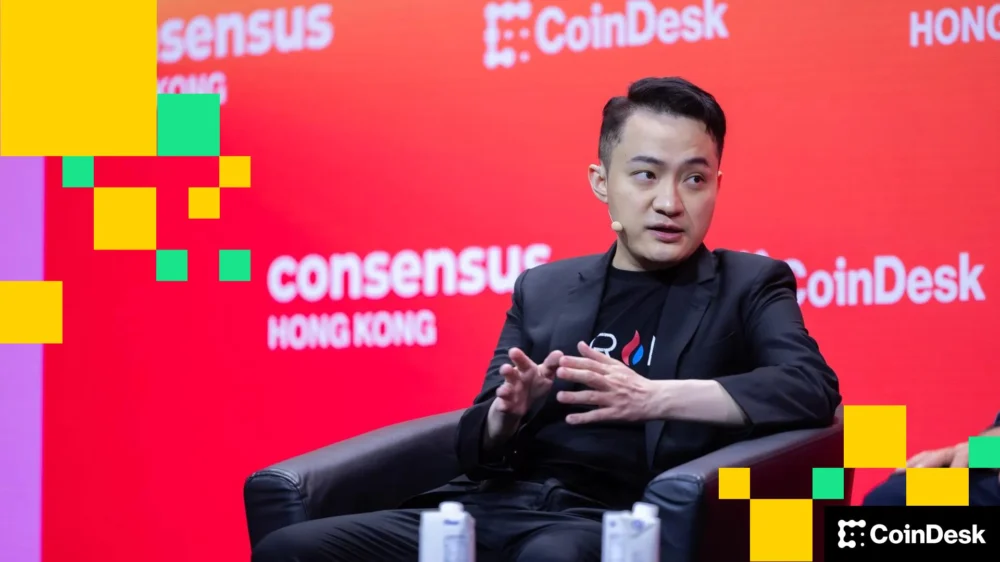
Under the specific terms of the agreement, Rainberry Inc.—the entity formerly known as BitTorrent and a key pillar of the Tron ecosystem—has agreed to pay a $10 million civil penalty. In exchange for this payment and a commitment to avoid future violations of federal securities laws, the SEC has agreed to dismiss all remaining claims against Justin Sun personally, as well as the Tron Foundation and the BitTorrent Foundation. Notably, the dismissal was filed "with prejudice," a legal designation that prevents the SEC from ever re-filing a lawsuit against these specific defendants based on the same underlying conduct or allegations.
Details of the $10 Million Settlement and Dismissal
The settlement represents a significant de-escalation from the SEC’s original stance. While Rainberry Inc. will shoulder the financial burden of the $10 million fine, the personal exoneration of Justin Sun is viewed by legal analysts as a substantial victory for the entrepreneur. The final judgment, which still requires the formal signature of a federal judge to be fully enacted, stipulates that Rainberry, Sun, and the associated foundations have consented to the entry of the judgment without admitting or denying the SEC’s specific findings of fact.
This resolution comes after a period of intense litigation during which the SEC sought to prove that Sun and his companies had violated Sections 5 and 17(a) of the Securities Act of 1933. The $10 million fine, while substantial, is considered by many in the industry to be a manageable cost of doing business for an ecosystem as large as Tron, which consistently ranks among the top blockchain networks by total value locked (TVL) and stablecoin circulation.
Origins of the Dispute: The 2023 Enforcement Action
The legal saga began in March 2023, when the SEC, under the leadership of then-Chair Gary Gensler, filed an expansive complaint against Sun and his companies. The core of the agency’s argument was that the Tron (TRX) and BitTorrent (BTT) tokens were "crypto asset securities" that had been offered and sold to the public without proper registration.
The SEC’s 2023 complaint alleged that Sun and his entities had orchestrated a scheme to distribute billions of TRX and BTT tokens through unregistered offers and sales. Furthermore, the agency accused Sun of directing an "airdrop" program—a common method in the crypto industry for distributing tokens to existing holders—which the SEC categorized as an unregistered distribution of securities. The lawsuit also targeted several high-profile celebrities, including Lindsay Lohan and Jake Paul, for allegedly promoting the tokens without disclosing that they were being compensated, most of whom settled their individual charges shortly after the filing.
Market Manipulation and Wash Trading Allegations
Beyond the registration violations, the most damaging component of the SEC’s original case involved allegations of fraudulent market manipulation. The regulator claimed that between April 2018 and February 2019, Sun directed his employees to engage in more than 600,000 "wash trades" of TRX between two accounts he controlled.
Wash trading is a form of market manipulation where an investor simultaneously buys and sells the same financial instruments to create misleading, artificial activity in the marketplace. The SEC alleged that these trades accounted for between 4.5 million and 7.4 million TRX daily, effectively inflating the perceived demand for the token and allowing Sun to sell TRX into a manipulated market at higher prices. The SEC estimated that Sun gained approximately $31 million in illegal proceeds from these activities. However, with the dismissal of charges against Sun personally in the 2026 settlement, these specific fraud claims will no longer be pursued by the federal government.
The Changing Regulatory Tide: From Gensler to Atkins
The resolution of the Tron case cannot be viewed in isolation from the dramatic shift in U.S. regulatory policy following the 2024 presidential election. During the tenure of Gary Gensler, the SEC maintained a highly aggressive posture toward the cryptocurrency industry, initiating dozens of lawsuits against major players like Coinbase, Binance, and Ripple.
However, following the reelection of Donald Trump, the SEC underwent a leadership transformation. Gary Gensler’s departure paved the way for acting leadership under Commissioner Mark Uyeda, who had long been a vocal critic of the "regulation by enforcement" approach. The eventual appointment of Chairman Paul Atkins signaled a definitive pivot toward a more collaborative and "pro-innovation" regulatory framework.
Under this new leadership, the SEC began a systematic review of its pending litigation against crypto firms. Cases that were built solely on the "unregistered securities" theory—which many in the industry argued was a misapplication of the Howey Test—were prioritized for dismissal or settlement. The Tron case, while containing fraud allegations, was ultimately caught in this broader wave of administrative retrenchment, as the agency sought to clear its docket of legacy cases that did not align with the new administration’s policy goals.
The World Liberty Financial Connection
One of the most discussed subplots in the lead-up to the settlement was Justin Sun’s significant financial involvement with World Liberty Financial (WLFI), a decentralized finance (DeFi) project closely associated with Donald Trump and his family.
Following Trump’s reelection in November 2024, Sun emerged as one of the largest backers of the WLFI project. Reports indicate that Sun initially purchased approximately $75 million worth of WLFI tokens. By mid-2025, Sun’s total ownership, including unvested tokens and strategic positions, was estimated to be worth nearly $700 million.
The optics of a major SEC defendant becoming a primary financial supporter of a project linked to the sitting President’s family sparked intense debate among legal observers. While there is no direct evidence of a "quid pro quo," the timing of the SEC’s decision to pause the fraud case against Sun in early 2025, followed by the final settlement and dismissal in 2026, has been noted by analysts as a reflection of the changing political winds in Washington D.C.
A Narrative Timeline of the SEC v. Tron Litigation
To understand the scope of this resolution, a review of the key milestones in the case is necessary:
- March 22, 2023: The SEC files its initial complaint against Justin Sun, the Tron Foundation, the BitTorrent Foundation, and Rainberry Inc.
- April 2023 – December 2023: Legal maneuvering ensues as Sun’s legal team moves to dismiss the case, arguing that the SEC lacks jurisdiction over foreign entities and that the tokens do not meet the legal definition of securities.
- June 2024: The court denies Sun’s motion to dismiss, allowing the case to proceed to the discovery phase.
- November 2024: Donald Trump is reelected, promising a "crypto-friendly" administration.
- January 2025: Gary Gensler resigns as SEC Chair. Mark Uyeda is named acting chair.
- February 2025: The SEC and Justin Sun’s legal team jointly ask the court to pause the fraud case to discuss a potential "resolution."
- August 2025: Paul Atkins is confirmed as the new SEC Chairman.
- March 5, 2026: The SEC officially files the settlement agreement, dismissing all charges against Sun personally and ending the litigation in exchange for a $10 million fine from Rainberry Inc.
Industry Reactions and the Future of the Tron Ecosystem
Following the announcement, Justin Sun took to the social media platform X (formerly Twitter) to express his relief and his vision for the future. "Today’s resolution brings closure, but I never stopped building," Sun posted. "I will continue to focus on accelerating innovation in the United States and around the world and look forward to working with the SEC to develop guidance and regulations for crypto going forward."
The reaction from the broader cryptocurrency community has been largely positive, with many seeing the settlement as a sign that the "war on crypto" is officially over. Market data showed a modest 4% increase in the price of TRX in the hours following the news, as the removal of legal uncertainty provided a "relief rally" for the token.
Spokespeople for the SEC declined to provide further commentary on the settlement, adhering to the agency’s standard practice regarding concluded litigation. Tron representatives also did not respond to requests for additional comments by press time, letting Sun’s social media statement stand as the official response.
Broader Legal and Regulatory Implications for Digital Assets
The settlement in the Tron case sets a significant precedent for how the SEC may handle other "legacy" enforcement actions from the 2021-2024 era. By dismissing charges "with prejudice" and settling for a fine that represents a fraction of the alleged illegal proceeds, the SEC is signaling a desire to move past adversarial litigation and toward a "notice-and-comment" rulemaking process.
Legal experts suggest that this settlement could have ripple effects for other pending cases:
- Jurisdictional Limits: The case highlighted the challenges the SEC faces in pursuing foreign-based foundations and individuals, a factor that likely contributed to the agency’s willingness to settle.
- Definition of Securities: While the settlement does not legally redefine TRX as a non-security, the dismissal of the case prevents a court ruling that could have solidified the SEC’s authority over secondary market sales.
- Administrative Consistency: The move aligns the SEC’s actions with the broader executive branch’s goal of making the United States a "global hub" for digital asset technology.
As the Tron network continues to expand its footprint in the stablecoin and DeFi sectors, the removal of this legal cloud allows the organization to pursue institutional partnerships and U.S.-based expansions that were previously hindered by the pending litigation. While the $10 million fine serves as a reminder of the agency’s past grievances, the dismissal of charges against Justin Sun himself marks the end of one of the most contentious chapters in the history of U.S. crypto regulation.