



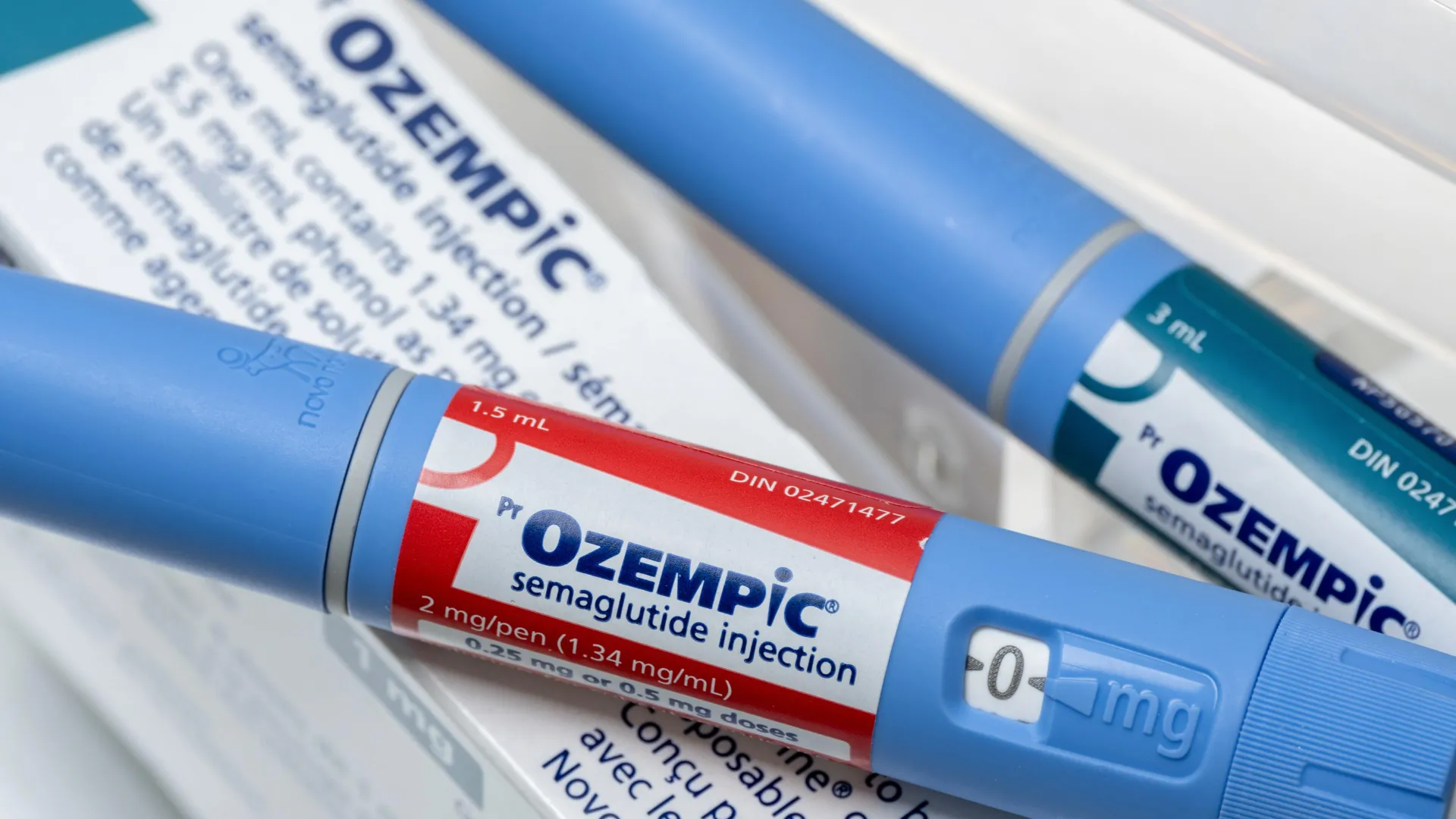
A groundbreaking new study has unveiled a significant potential benefit for individuals recovering from heart attacks: medications designed for weight loss by mimicking the hormone GLP-1 may also play a crucial role in mitigating further cardiac damage. Researchers from the University of Bristol and University College London (UCL) have discovered that these widely recognized drugs could substantially reduce the risk of serious complications, which affect a considerable portion of heart attack survivors. The findings, published in the esteemed journal Nature Communications, suggest a novel therapeutic avenue for enhancing recovery trajectories in the aftermath of a myocardial infarction.
This latest research builds upon a growing body of evidence that has already established the cardiovascular benefits of GLP-1 receptor agonists. Prior studies have indicated that these medications can lower the incidence of major cardiac events, a benefit that appears to be independent of a patient’s pre-existing health conditions or the extent of weight loss achieved during treatment. This suggests a direct pharmacological effect on cardiovascular health, extending beyond their primary metabolic functions.
Unraveling the Mechanism: How GLP-1 Drugs Shield the Heart
The scientific community has been keen to understand the precise biological mechanisms underlying these cardioprotective effects. The research team, led by Dr. Svetlana Mastitskaya, Senior Lecturer in Cardiovascular Regenerative Medicine at Bristol Medical School, delved deeper into the intricate processes occurring within the heart following an ischemic event. Their prior investigations had identified a critical role for pericytes – small contractile cells that surround and support capillaries – in exacerbating damage during the initial stages of ischemia. Ischemia, a state of oxygen deprivation to the heart muscle, is the hallmark of a heart attack. During ischemia, these pericytes constrict the coronary capillaries, effectively hindering blood flow to already compromised heart tissue.
The central question driving the new study was whether GLP-1 drugs could intervene in this detrimental process and, crucially, help to reopen these vital, albeit tiny, blood vessels that become blocked or narrowed.
Dr. Mastitskaya elaborated on the clinical significance of this phenomenon: "In nearly half of all heart attack patients, the minuscule blood vessels within the heart muscle remain constricted, even after emergency medical procedures like angioplasty have successfully cleared the main coronary artery. This persistent narrowing leads to a devastating complication known as ‘no-reflow,’ where blood is unable to adequately perfuse certain areas of the heart muscle. This lack of blood flow means that oxygen and essential nutrients cannot reach these tissues, leading to further cell death and functional impairment."
She further emphasized the gravity of this complication: "Our previous research had already demonstrated that this persistent narrowing of small blood vessels contributes significantly to the ‘no-reflow’ phenomenon. This, in turn, dramatically increases the risk of mortality or hospital readmission due to heart failure within a year of experiencing a heart attack. However, our latest findings have revealed something truly remarkable: GLP-1 drugs appear to have the capacity to prevent this critical problem from occurring."
Enhancing Blood Flow: The Impact of GLP-1 Drugs on Cardiac Perfusion
To rigorously test this hypothesis, the researchers conducted a series of experiments utilizing animal models. These preclinical studies provided compelling evidence that GLP-1 drugs can indeed improve blood flow to the heart in the post-heart attack period. The underlying mechanism, as elucidated by the study, involves the activation of specific potassium channels within the pericytes. This activation leads to a relaxation of these contractile cells, allowing the previously constricted blood vessels to dilate and widen. The consequence of this vasodilation is a more efficient restoration of blood supply to the affected heart tissue, thereby mitigating the extent of secondary damage.
Professor David Attwell, Jodrell Professor of Physiology at UCL and a co-lead author on the study, highlighted the immediate clinical relevance of these findings: "Given the burgeoning use of GLP-1 receptor agonist drugs in current medical practice for a spectrum of conditions – including type 2 diabetes, obesity, and even kidney disease – our discoveries carry immense potential. They strongly suggest that these existing and well-tolerated medications could be repurposed to directly address the risk of ‘no-reflow’ in heart attack patients. This represents a potentially life-saving therapeutic strategy that leverages drugs already familiar to clinicians and patients."
Supporting Data and Clinical Context
The implications of this research are particularly significant when considering the prevalence and impact of heart attacks. In the United States alone, approximately 805,000 people experience a heart attack each year, with a substantial proportion suffering long-term consequences. The "no-reflow" phenomenon is a recognized complication that contributes to poorer outcomes, including a higher risk of developing heart failure and increased mortality rates. The American Heart Association has consistently reported that cardiovascular diseases remain the leading cause of death globally, underscoring the urgent need for novel and effective interventions.
Historically, the management of heart attacks has focused on restoring blood flow to the blocked coronary artery as quickly as possible, primarily through percutaneous coronary intervention (PCI) or thrombolytic therapy. While these interventions are life-saving, the "no-reflow" phenomenon represents a significant limitation, leaving a substantial subset of patients with residual damage. The current study offers a potential pharmacological solution to address this unmet clinical need.
The GLP-1 receptor agonists, such as liraglutide and semaglutide, have gained widespread recognition for their efficacy in managing type 2 diabetes and obesity. Their mechanism involves stimulating insulin secretion, suppressing glucagon release, slowing gastric emptying, and promoting satiety, all of which contribute to improved glycemic control and weight loss. However, their cardiovascular benefits have also become increasingly apparent. Large-scale clinical trials, such as the LEADER trial for liraglutide and the SUSTAIN-6 trial for semaglutide, have demonstrated significant reductions in major adverse cardiovascular events (MACE) in patients with type 2 diabetes and established cardiovascular disease. This new research provides a deeper mechanistic understanding of how these drugs might be contributing to these observed cardiovascular protections, specifically in the context of acute myocardial infarction.
Timeline of Discovery and Future Directions
The journey leading to these findings can be traced back to earlier research efforts that laid the groundwork for understanding pericyte function in ischemic injury. The initial observations of pericyte constriction during ischemia provided the crucial insight that motivated the subsequent investigation into potential interventions. The current study represents the culmination of this investigative path, demonstrating the direct impact of GLP-1 drugs on these pericytes and their role in restoring microvascular blood flow.
The research team, including Dr. Mastitskaya, who is supported by the British Heart Foundation, plans to further explore these findings. Future research will likely focus on translating these preclinical results into human clinical trials. Investigating the optimal dosage, timing of administration, and specific patient populations who might benefit most from this intervention will be critical next steps. The possibility of combining GLP-1 therapy with existing reperfusion strategies to maximize cardioprotection will also be a key area of inquiry.
Broader Impact and Implications
The implications of this research extend far beyond the immediate context of heart attack recovery. The potential repurposing of existing, widely available medications offers a cost-effective and accessible approach to improving patient outcomes. This is particularly relevant in healthcare systems facing resource constraints. Furthermore, the study underscores the growing understanding of the complex interplay between metabolic health and cardiovascular disease, highlighting how interventions targeting one area can have profound effects on another.
The findings also have broader implications for drug development. By identifying specific cellular targets and mechanisms, such as the activation of potassium channels in pericytes, researchers can potentially develop even more targeted therapies for cardiovascular conditions. This approach, known as mechanism-based drug discovery, holds significant promise for advancing the field of cardiovascular medicine.
The scientific community’s reaction, though not explicitly detailed in the provided text, is likely to be one of considerable interest and optimism. Cardiologists and researchers specializing in cardiovascular regeneration will be keen to see these findings validated in human trials. The prospect of a new therapeutic tool to combat a debilitating complication like "no-reflow" is a significant development that could reshape post-heart attack care.
In conclusion, the study by the University of Bristol and UCL offers a beacon of hope for heart attack survivors. By elucidating the mechanism through which GLP-1 mimicking medications can improve blood flow and limit cardiac damage, researchers have opened a new frontier in cardiovascular therapeutics. The potential to repurpose existing drugs for this critical application underscores the power of scientific inquiry to uncover novel solutions and improve patient lives. As this research progresses towards clinical application, it promises to offer a vital new strategy in the ongoing battle against heart disease.