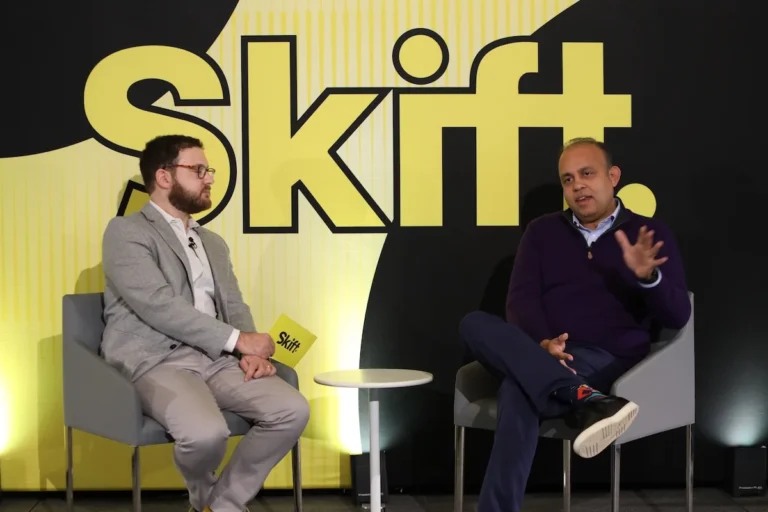


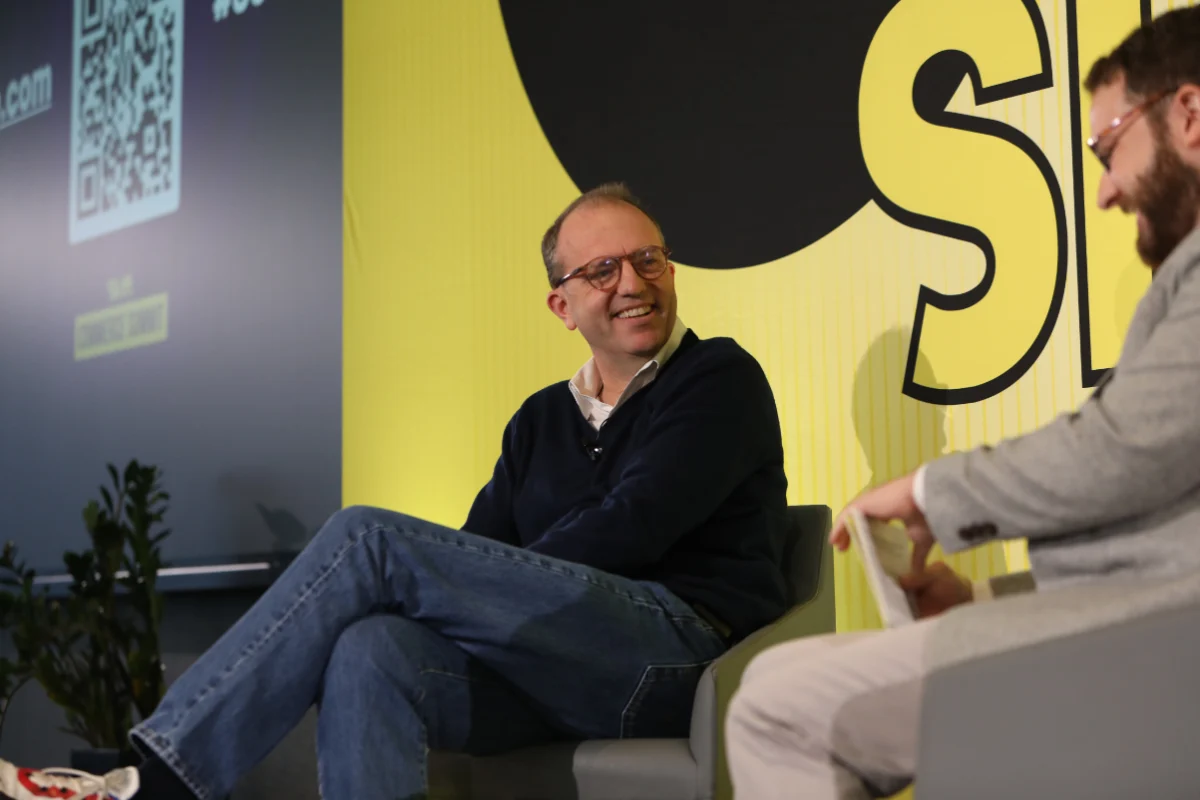
Tyler Morse, the Chairman and CEO of MCR Hotels, issued a provocative call for the travel industry to block personal artificial intelligence agents from accessing booking systems, arguing that these automated tools represent a fundamental threat to the psychological triggers that drive hospitality revenue. Speaking at the Skift Commerce Summit in New York City on November 11, 2026, Morse suggested that the industry is rapidly moving toward a future where "human-only" booking portals will be the norm. His rationale, however, diverges sharply from typical corporate concerns regarding data security or privacy; instead, Morse focuses on the commercial necessity of the "impulse buy," a human behavior he believes AI agents are programmed to eliminate.
According to Morse, the sophisticated algorithms governing personal AI assistants—tools designed to find the most efficient, cost-effective, or logically sound travel options—are immune to the visual and psychological merchandising strategies that hotels use to increase their average daily rates (ADR) and ancillary income. "Everyone is going to ban the agents because it’s in their interest to do so," Morse told Seth Borko, Skift’s Head of Research, during a fireside chat. This stance highlights a growing tension between the efficiency of the burgeoning AI economy and the traditional sales tactics of the $1.2 trillion global hospitality market.
The Core Conflict: Algorithmic Logic vs. Human Impulse
The hospitality industry has spent decades refining the digital guest experience to maximize revenue per available room (RevPAR). This involves a complex interplay of high-resolution photography, limited-time offers, "scarcity" notifications, and strategic upselling during the checkout process. For a human traveler, the sight of a suite with a panoramic view of Central Park for an additional $50 might trigger an emotional "splurge" decision.
Morse argues that an AI agent, tasked with booking a room within specific parameters, will never succumb to such temptations. "The software can’t be talked into a splurge," Morse explained. "Travel merchandising is built to trigger impulse purchases, with sites and apps full of strategic visual cues and psychological nudges. An AI bot ignores the beautiful sunset photo; it ignores the ‘only two rooms left’ warning; it simply looks for the data point that matches its programmed instructions."
From a hotelier’s perspective, the "loss of the upsell" represents a significant erosion of profit margins. Ancillary services—ranging from room upgrades and late checkouts to spa packages and breakfast bundles—often carry higher margins than the base room rate itself. If a significant portion of bookings transitions to AI agents, the industry could see a flattening of revenue growth as consumers are shielded from the very marketing tactics designed to increase their spending.
A Divergent Path: MCR Hotels vs. United Airlines
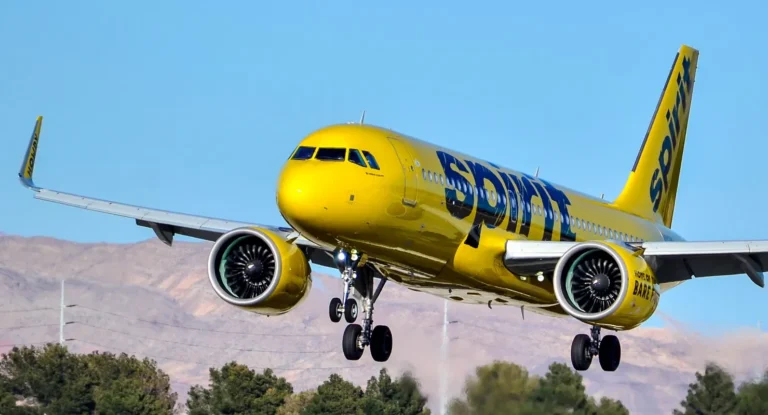
Morse’s comments came on the same day that United Airlines announced its own restrictions on AI booking bots. However, the two companies are motivated by very different concerns, illustrating the multi-faceted challenge AI poses to the travel sector. While United Airlines cited data privacy risks and regulatory uncertainties as the primary drivers for their ban, Morse’s objections are purely transactional and commercial.
United’s stance reflects a defensive posture against "scraping" and the potential for AI to misinterpret complex fare rules, which could lead to customer service nightmares or regulatory fines. In contrast, Morse’s position is offensive, aimed at preserving the effectiveness of the hotel’s digital storefront as a sales tool. This divergence suggests that the travel industry is not unified in its "why," even if it is increasingly unified in its "how"—the systematic blocking of non-human traffic.
The Economic Context of MCR Hotels
To understand the weight of Morse’s statements, one must consider the scale of MCR Hotels. As the third-largest hotel owner-operator in the United States, MCR’s portfolio includes high-profile properties such as the TWA Hotel at JFK Airport, the High Line Hotel in Manhattan, and over 150 other hotels across 37 states. With a portfolio valued at billions of dollars and encompassing brands like Marriott, Hilton, and independent luxury boutiques, MCR’s operational decisions often signal broader shifts in the industry.
In 2025 and 2026, the hospitality sector saw a significant push toward direct-to-consumer booking to avoid the high commission fees charged by Online Travel Agencies (OTAs) like Expedia and Booking.com. Morse’s proposal to ban AI agents adds a new layer to this distribution war. If hotels successfully block personal AI agents, they essentially force the consumer back into the controlled environment of the hotel’s own website or app, where the "merchandising" Morse values can take full effect.
Data and the Rise of the Personal AI Agent
The timeline of this conflict is rooted in the rapid evolution of "Action-Oriented AI." In 2024, AI was primarily used for information retrieval. By 2026, the year of Morse’s speech, "Personal AI Agents" from companies like OpenAI, Google, and Apple had become capable of executing complex tasks, including navigating websites to book flights and hotels on behalf of users.
Market data from 2025 indicated that nearly 12% of business travel searches were initiated via AI interfaces. Industry analysts predicted that if left unchecked, AI agents could mediate up to 30% of all travel transactions by 2028. For hoteliers, this represents a "black box" distribution channel where they lose all ability to influence the customer at the point of sale.
Supporting data suggests that:
- Ancillary Revenue Impact: On average, upselling during the digital booking process accounts for 7% to 15% of a hotel’s total digital revenue.
- Conversion Rates: Human users are 22% more likely to select a premium room type when presented with high-quality video content compared to text-only descriptions.
- Cost of Distribution: Direct bookings through AI agents might bypass OTA commissions, but if they also bypass the upsell, the net gain for the hotel may be zero or negative.
The Technical Challenge of Blocking the Bots
Implementing a ban on AI agents is technically complex. Modern AI agents are designed to mimic human browsing behavior, using "headless browsers" and rotating IP addresses to evade standard bot detection software. Morse acknowledged that this would lead to a "technological arms race" between hotel IT departments and AI developers.
"We are moving toward a more sophisticated version of CAPTCHA," noted one cybersecurity expert attending the summit. "Hotels will likely implement ‘proof of humanity’ protocols that require emotional or visual interactions that current AI agents struggle to replicate convincingly. It’s not just about stopping a script; it’s about ensuring there’s a pair of eyes on the screen that can be influenced by a marketing campaign."
Industry and Consumer Reactions
The prospect of banning AI agents has met with a mixed response from the broader travel ecosystem. Tech advocates argue that blocking AI agents is anti-consumer, as it prevents travelers from using tools that save them time and money.
"If a hotel blocks my AI agent, they are essentially saying they don’t want me to find the best deal," said a representative from a leading consumer advocacy group. "They are prioritizing their ability to manipulate the consumer over the consumer’s right to an efficient shopping experience."
Conversely, some industry analysts see Morse’s move as a necessary protection of the brand-guest relationship. If an AI agent handles the booking, the guest’s first interaction with the hotel brand happens at the front desk, rather than during the inspirational phase of travel planning. This, some argue, commoditizes the hotel industry to a dangerous degree, turning unique properties into mere commodities identified only by price and location.
Broader Implications for the Future of Commerce
Morse’s comments at the Skift Commerce Summit may be the opening salvo in a much larger battle over the future of the internet. If hospitality successfully bans AI agents, other industries—such as retail, insurance, and automotive—may follow suit. The result could be a "fragmented internet" where certain sectors remain accessible to AI automation while others require manual, human interaction to protect profit margins.
Furthermore, this stance could accelerate the development of "Authorized AI" channels. Rather than a total ban, some suggest that hotels might eventually allow AI agents to book rooms only if they agree to display certain promotional materials or follow a specific API (Application Programming Interface) that includes upselling logic. However, Morse’s current tone suggests that MCR Hotels, at least, is not yet ready to compromise on the human element of the transaction.
Conclusion: The Human-Centric Hospitality Model
As the Skift Commerce Summit concluded, the takeaway for many attendees was clear: the hospitality industry is at a crossroads. Tyler Morse’s advocacy for a ban on AI agents serves as a reminder that travel is, at its core, an emotional and experiential product. By framing the AI agent as a threat to the "splurge," Morse is defending a business model that relies on the intersection of desire and convenience.
Whether MCR Hotels and the wider industry can successfully hold back the tide of AI automation remains to be seen. However, Morse’s declaration has set the stage for a significant debate over who—or what—will be allowed to navigate the digital marketplaces of the future. For now, the message from one of the world’s leading hotel owners is unequivocal: the "beautiful sunset photo" is not just for show; it is a vital component of the industry’s economic survival, and it requires a human eye to appreciate it.