


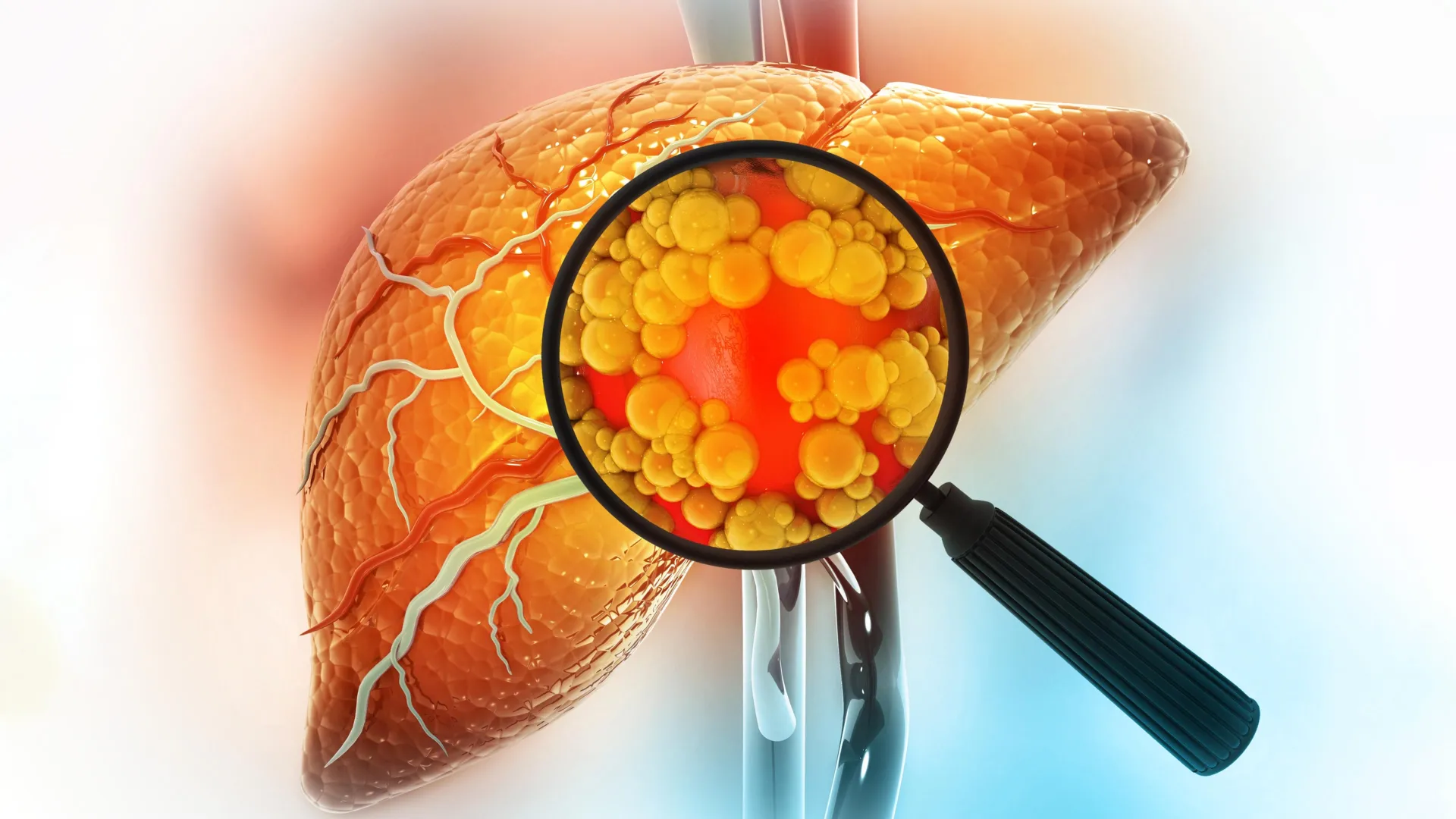
Los Angeles, CA – In a significant breakthrough with profound implications for aging and metabolic diseases, scientists at the University of California, Los Angeles (UCLA) have identified a previously underestimated group of immune cells that silently accumulate in aging tissues and critically contribute to the progression of non-alcoholic fatty liver disease (NAFLD). These cells, identified as senescent macrophages, have been found to actively promote inflammation and tissue damage. Remarkably, when these detrimental cells were cleared in preclinical models, inflammation subsided dramatically, and liver damage was reversed, even in the absence of dietary changes.
The groundbreaking research, published in the esteemed journal Nature Aging, delves into the intricate process of cellular senescence. This phenomenon occurs when cells, stressed beyond their capacity to divide and repair, cease replication but paradoxically remain metabolically active, releasing a potent cocktail of inflammatory molecules. These lingering cells, often colloquially referred to as "zombie cells," are now understood to be far more than passive bystanders; they actively disrupt tissue function and contribute to a chronic inflammatory milieu.
"Senescent cells are relatively rare in healthy, young tissues, but their impact is disproportionately large," explained Dr. Anthony Covarrubias, the study’s senior author and a distinguished member of the Eli and Edythe Broad Center of Regenerative Medicine and Stem Cell Research at UCLA. "Think of them as a traffic jam on a major freeway. Even a single stalled vehicle can cause miles of disruption. When these senescent cells accumulate, even in modest numbers, they create an enormous inflammatory burden on their surrounding environment, akin to multiple stalled cars creating widespread gridlock within a tissue."
Unraveling the Macrophage Enigma
For years, the scientific community grappled with a fundamental question: could macrophages, the body’s frontline immune cells responsible for patrolling tissues and clearing cellular debris, themselves enter a senescent state? A prevailing view was that they could not, or at least not in a way that was readily distinguishable from their normal, active function. Healthy macrophages exhibit certain molecular characteristics that overlap with those of senescent cells, creating a diagnostic challenge and obscuring their true role in aging and disease.
The UCLA team meticulously addressed this diagnostic hurdle by pinpointing a unique molecular signature. Their research revealed that the co-expression of two specific proteins, p21 and TREM2, serves as a reliable marker for macrophages that have transitioned into a senescent, dysfunctional state. These p21-TREM2 positive macrophages, the researchers found, are no longer effectively performing their cleanup duties but continue to actively propagate inflammation within nearby tissues.
Employing this precise marker, the study observed a stark age-related shift in the liver’s macrophage population. In young mice, senescent macrophages constituted a mere 5% of the total liver macrophage population. However, in older mice, this figure escalated dramatically, reaching between 60% and 80%. This dramatic increase in senescent macrophages directly correlated with the heightened levels of chronic liver inflammation commonly observed with advancing age.
Cholesterol: A Potent Catalyst for Senescence
While aging emerged as a significant driver of senescent macrophage accumulation, the UCLA researchers made another crucial discovery: excess cholesterol acts as a potent trigger, pushing otherwise healthy macrophages into senescence. In controlled laboratory experiments, when normal macrophages were exposed to high concentrations of low-density lipoprotein (LDL) cholesterol, they exhibited a marked reduction in cell division, began secreting inflammatory proteins, and consequently displayed the characteristic p21-TREM2 senescent marker.
"Under normal physiological conditions, macrophages are adept at managing cholesterol metabolism," stated Ivan Salladay-Perez, the study’s lead author and a graduate student in Dr. Covarrubias’ lab. "However, when this exposure becomes chronic, it transitions from a normal metabolic process to a pathological one. In conditions like fatty liver disease, which are intrinsically linked to overnutrition and elevated blood cholesterol levels, this excess cholesterol appears to be a primary instigator for the development of senescent macrophage populations."
This finding carries significant broader implications, suggesting that diets rich in fats and cholesterol may accelerate biological aging not only in the liver but potentially across other vital organs, including the brain, heart, and adipose tissue, by promoting macrophage senescence systemically.
Clearing Senescent Cells: A Pathway to Reversal
The pivotal question then became whether targeting and removing these senescent macrophages could lead to tangible health improvements. To investigate this, the research team administered ABT-263, a pharmaceutical agent specifically designed to selectively eliminate senescent cells, to mice maintained on a high-fat, high-cholesterol diet. The results were nothing short of transformative.
In the treated mice, the enlarged, fatty livers, which typically comprised about 7% of body weight, were significantly reduced, normalizing to a healthier range of 4-5%. Concurrently, body weight also decreased by approximately 25%, dropping from around 40 grams to about 30 grams, indicating a substantial reversal of metabolic dysfunction.
Visually, the livers of the treated animals were markedly healthier, appearing smaller and possessing a normal reddish hue, in stark contrast to the enlarged, yellowish livers observed in the untreated control group.
"The most astounding aspect of these findings is that removing senescent macrophages alone was sufficient to induce significant metabolic improvements, even without any alteration in diet," remarked Salladay-Perez. "This demonstrates that the elimination of these cells doesn’t merely slow the progression of fatty liver disease; it actively reverses it."
Evidence from Human Liver Disease
To ascertain the relevance of these findings to human health, the researchers analyzed an extensive public genomic dataset derived from human liver biopsies. Their analysis revealed a consistent pattern: the same senescent macrophage molecular signature (p21-TREM2) was significantly elevated in diseased human livers compared to healthy ones. This strongly suggests that macrophage senescence is not merely an experimental artifact but a contributing factor to chronic liver disease in humans.
The prevalence of NAFLD, particularly in metropolitan areas like Los Angeles, underscores the urgent need for such discoveries. It is estimated that 30-40% of Los Angeles residents are affected by fatty liver disease, with disproportionately higher rates observed within Latino communities. Current treatment options remain limited, and effective early detection tools are still in their nascent stages.
"This represents a burgeoning public health crisis," Dr. Covarrubias emphasized. "We are witnessing an alarming trend of fatty liver disease appearing in younger and younger individuals. Our work provides critical insights into the underlying mechanisms driving this disease and identifies specific cell types that can be targeted for therapeutic intervention."
Towards Novel Therapies and Broader Applications
While ABT-263 proved effective in mice, its inherent toxicity precludes its widespread use in human clinical settings. The UCLA research team is now actively engaged in screening for safer compounds that can selectively target and eliminate senescent macrophages with minimal adverse side effects. This endeavor is crucial for translating these preclinical findings into viable human therapies.
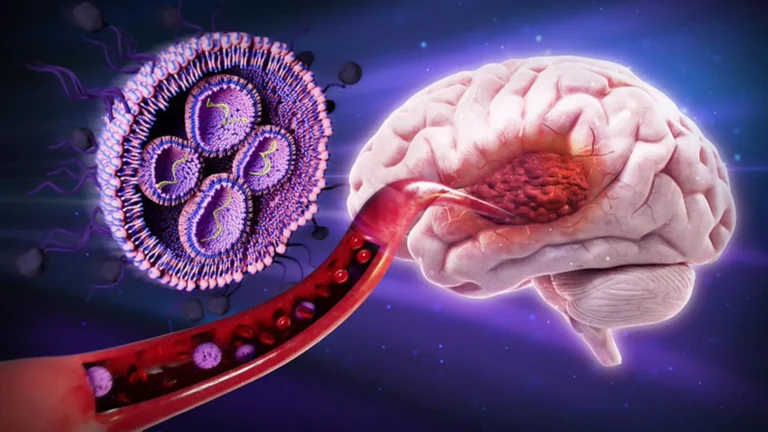
Furthermore, the researchers are expanding their investigation to explore whether similar senescent cell accumulation processes are at play in other age-related diseases. For instance, in the central nervous system, microglia, the resident macrophages of the brain, are suspected of becoming senescent as they encounter accumulating cellular debris in conditions like Alzheimer’s disease, potentially contributing to neuroinflammation and cognitive decline.
A Unified Mechanism for Aging and Disease
The UCLA study provides robust support for the geroscience hypothesis, a prevailing theory in aging research that posits a common underlying aging process drives multiple age-related diseases. In this context, the accumulation of senescent macrophages may serve as a unifying mechanism contributing to a spectrum of conditions, including not only fatty liver disease but also atherosclerosis, neurodegenerative disorders like Alzheimer’s, and certain forms of cancer.
"By understanding the fundamental mechanisms that drive inflammation with aging, we can develop interventions that simultaneously address not just fatty liver disease, but also cardiovascular disease, neurodegenerative conditions, and cancer," concluded Salladay-Perez. "The key lies in unraveling how these senescent cells initially emerge and propagate."
The research was made possible through funding from the National Institutes of Health, the Glenn Foundation for Medical Research, the American Federation for Aging Research, and the UCLA-UCSD Diabetes Research Center. This collaborative effort marks a significant step forward in our understanding of cellular aging and its direct impact on human health, opening promising avenues for the development of novel therapeutic strategies.