


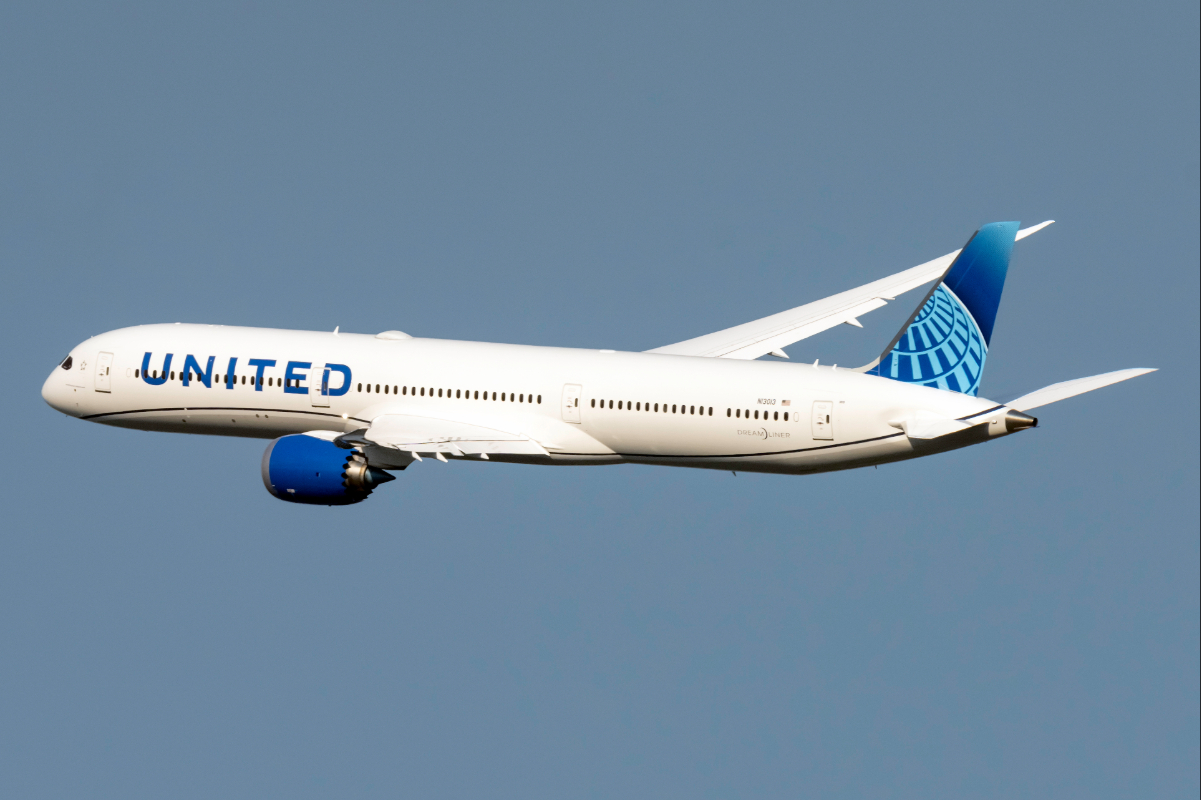
United Airlines CEO Scott Kirby reportedly approached Delta Air Lines CEO Ed Bastian with a proposal for a landmark merger that would have fundamentally reshaped the global aviation landscape. The pitch, which aimed to combine two of the most profitable and influential carriers in the United States, represents a significant, albeit unsuccessful, attempt at consolidation during a period of intense economic volatility for the airline industry. According to reports from the Wall Street Journal citing individuals familiar with the matter, the proposal led to a period of internal due diligence at Delta, where leadership assessed the strategic merits and financial feasibility of such a massive tie-up. However, after initial discussions, the talks failed to gain momentum, and both parties ultimately decided to move on from the proposal without reaching a formal agreement.
The revelation of these high-level discussions comes at a time when the airline industry is grappling with soaring operational costs, geopolitical instability, and a regulatory environment that has become increasingly hostile toward large-scale corporate mergers. While neither United nor Delta has issued a formal public statement regarding the specifics of the private talks, the move by Kirby highlights a strategic desire within United’s leadership to seek out "mega-deals" to secure long-term dominance in a competitive market.
The Strategic Rationale and the Kirby-Bastian Dialogue
The outreach by Scott Kirby to Ed Bastian was not merely a casual inquiry but a calculated move based on the shifting economics of the post-pandemic era. United Airlines has been aggressively seeking ways to expand its footprint and optimize its network. By proposing a merger with Delta, United was looking to create a titan of the skies that would have controlled a vast majority of the premium domestic market and an unparalleled international network.
During the due diligence phase, Delta’s executive team reportedly examined how the two airlines’ networks would overlap. Delta, headquartered in Atlanta, maintains a dominant position in the Southeastern United States and operates key hubs in Minneapolis, Detroit, and Salt Lake City. United, based in Chicago, holds strongholds in Newark, San Francisco, Denver, and Houston. On paper, the combined entity would have possessed a fleet of over 1,600 aircraft and a workforce numbering in the hundreds of thousands.
However, the complexities of such a merger were immediate and apparent. Delta’s corporate culture, often cited as one of the most cohesive in the industry, differs significantly from United’s more decentralized and historically fragmented structure. Furthermore, the financial burden of integrating two massive workforces, aligning pilot seniority lists, and harmonizing disparate IT systems presented a daunting challenge that likely contributed to the cessation of talks.
A History of Consolidation and the Current Economic Climate
To understand why United pursued this deal, one must look at the broader chronology of the U.S. airline industry. Following the Airline Deregulation Act of 1978, the sector underwent decades of boom-and-bust cycles, leading to a wave of "mega-mergers" in the early 21st century. Delta acquired Northwest Airlines in 2008, United merged with Continental in 2010, and American Airlines combined with US Airways in 2013. These moves reduced the "Big Six" carriers to the "Big Four" (including Southwest), creating a period of sustained profitability that had previously eluded the industry.
The current push for further consolidation is driven by new external pressures. Fuel prices have remained a primary concern for airline CFOs, especially following geopolitical escalations in the Middle East. The mention of rising fuel costs in the wake of regional conflicts serves as a reminder of how sensitive airline margins are to global events. When jet fuel prices spike, the "Big Four" often look toward economies of scale to mitigate losses.
Comparative Financial Data: United vs. Delta (Approximate Annual Figures)
| Metric | United Airlines (UAL) | Delta Air Lines (DAL) |
|---|---|---|
| Annual Revenue | ~$53 Billion | ~$58 Billion |
| Net Income | ~$2.6 Billion | ~$4.6 Billion |
| Active Fleet Size | ~940 | ~980 |
| Primary Hub | Chicago O’Hare (ORD) | Atlanta Hartsfield-Jackson (ATL) |
| Employee Count | ~100,000 | ~100,000 |
The data illustrates that a merger would have created a company with over $110 billion in annual revenue, effectively dwarfing American Airlines and Southwest. This sheer scale was likely the primary attraction for United’s leadership, as it would have provided immense bargaining power with aircraft manufacturers like Boeing and Airbus, as well as with labor unions and airport authorities.
The Regulatory Barrier: A Formidable Obstacle
Perhaps the most significant reason the United-Delta talks did not progress is the current stance of the U.S. Department of Justice (DOJ) and the Federal Trade Commission (FTC). Under the Biden administration, antitrust regulators have taken an exceptionally aggressive approach to blocking consolidation in the aviation sector.
The DOJ successfully sued to block the "Northeast Alliance" between American Airlines and JetBlue, and more recently, it successfully intervened to prevent the merger of JetBlue and Spirit Airlines. Regulators argued that such deals reduce competition, lead to higher ticket prices for consumers, and eliminate low-cost options.
If a JetBlue-Spirit merger—which involved much smaller players—was deemed anti-competitive, a merger between United and Delta would have almost certainly faced an insurmountable legal challenge. The combined entity would have held a near-monopoly on several key domestic routes and would have controlled a significant portion of takeoff and landing slots at major international gateways like JFK, Newark, and LAX. Legal experts suggest that the "divestiture" requirements—the forced selling of routes and slots to satisfy regulators—would have been so extensive that the original strategic value of the merger would have been eroded.
Labor and Operational Challenges
Beyond the regulatory hurdles, the operational reality of merging two global giants is fraught with risk. The history of airline mergers is littered with examples of "integration friction." When United and Continental merged in 2010, the process was marred by technical glitches, flight delays, and labor disputes that took years to resolve.
The most contentious issue in any airline merger is the integration of pilot seniority lists. Seniority determines everything in a pilot’s career, from the type of aircraft they fly to their pay and their schedule. Delta pilots, represented by the Air Line Pilots Association (ALPA), and United pilots, also represented by ALPA but under a different contract, would have had to undergo a grueling arbitration process.
Furthermore, the "fleet commonality" issue would have been a logistical nightmare. While both airlines operate a mix of Boeing and Airbus aircraft, their specific configurations, maintenance protocols, and engine types vary. Harmonizing these fleets would require billions of dollars in capital expenditure and years of retraining for maintenance crews.
Broader Implications for the Aviation Industry
The fact that United even attempted to initiate these talks signals a belief among top-tier executives that the current industry model may be reaching its limits. With the "Big Four" already controlling about 80% of the U.S. market, the avenues for organic growth are narrowing. Carriers are now looking at "inorganic growth"—growth through acquisition—as the only way to achieve the next level of scale.
Industry analysts suggest that if United continues to hunt for "mega-deals," it may eventually look toward international partnerships or smaller domestic players that are less likely to trigger a total regulatory shutdown. However, the failed Delta approach may also force United to pivot back to its "United Next" strategy, which focuses on upgrading its existing fleet, enhancing its premium cabin offerings, and expanding its presence in mid-sized domestic markets.
The collapse of these talks also provides a temporary sigh of relief for smaller competitors like Alaska Airlines, Hawaiian Airlines, and JetBlue. A United-Delta behemoth would have had the capacity to engage in aggressive pricing wars that could have pushed smaller carriers out of key markets.
Conclusion and Future Outlook
While the proposed merger between United and Delta did not move past the preliminary stages, the event serves as a milestone in modern aviation history. It underscores the ambition of Scott Kirby and the strategic caution of Ed Bastian, while highlighting the immense economic pressures currently facing the sector.
For now, the U.S. airline industry will remain a competitive field dominated by four major players. However, as fuel costs remain volatile and the demand for global travel continues to evolve, the drive for consolidation is unlikely to disappear entirely. Whether through formal mergers or deepened code-share alliances, the quest for scale remains the defining characteristic of the 21st-century airline business. The United-Delta "near-miss" will likely be studied by industry observers for years as a testament to the complexities of corporate ambition in a highly regulated and economically sensitive environment.