



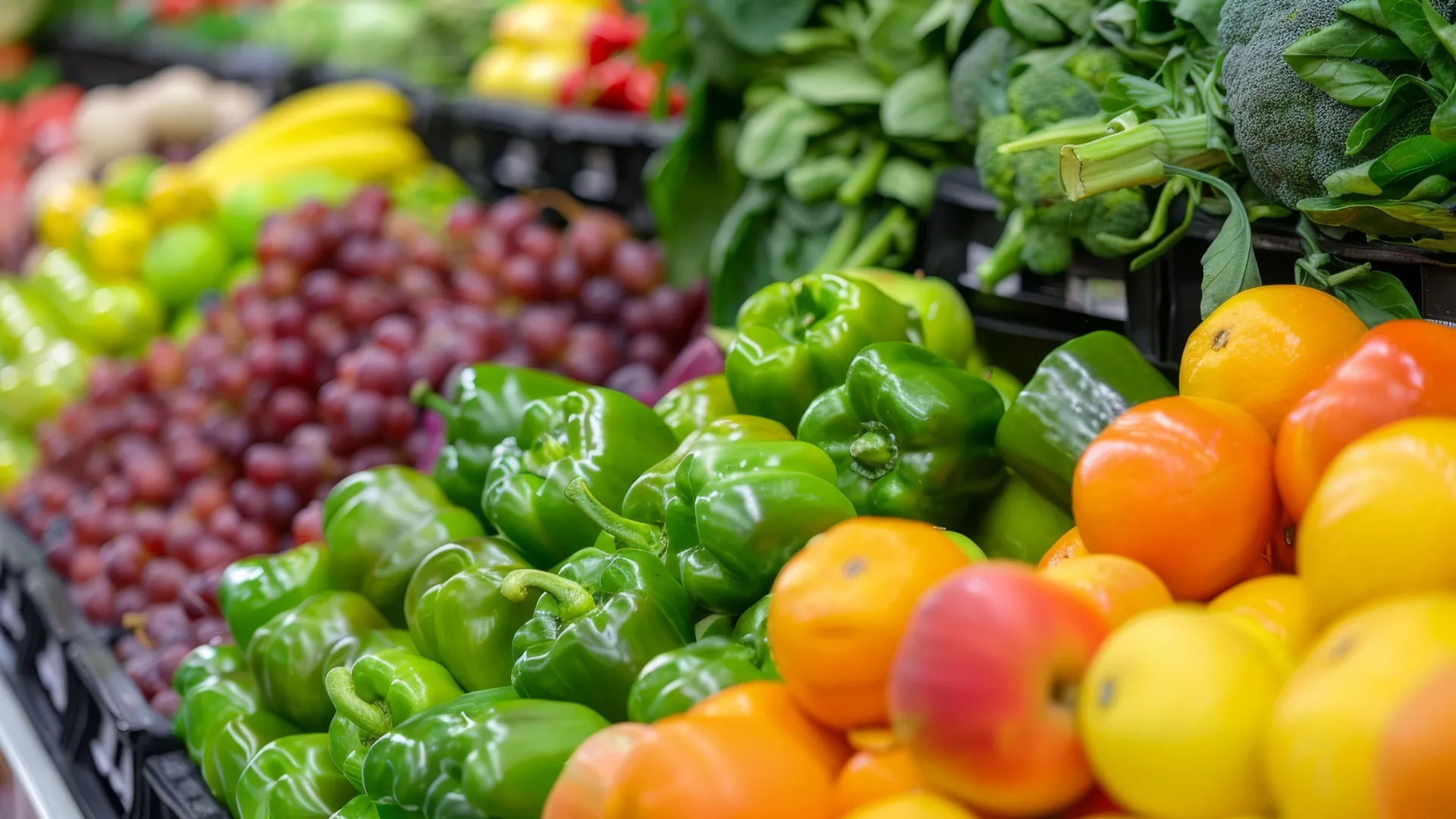
A groundbreaking peer-reviewed study conducted by scientists at the Environmental Working Group (EWG) has established a direct correlation between the consumption of certain fruits and vegetables and elevated levels of pesticide chemicals found within the human body. The research, published in the International Journal of Hygiene and Environmental Health, utilized extensive data to demonstrate how dietary patterns significantly influence an individual’s internal pesticide burden, raising critical questions about the adequacy of current regulatory standards and consumer awareness.
The findings underscore a growing body of evidence that links pesticide exposure to a range of serious health concerns, including increased risks of cancer, reproductive issues, hormonal disruption, and developmental harm to children’s nervous systems. While the consumption of produce is widely recognized as essential for a healthy diet, the study highlights that it can also serve as a primary pathway for exposure to these agricultural chemicals, prompting a closer examination of the produce most commonly found on American tables.
Key Findings: Diet as a Primary Driver of Pesticide Exposure
The EWG study’s most compelling revelation is the strong association between the consumption of fruits and vegetables known to carry higher pesticide residues and increased levels of pesticide biomarkers detected in participants’ urine. Specifically, individuals who reported consuming larger quantities of produce such as strawberries, spinach, and bell peppers exhibited significantly higher concentrations of pesticide metabolites compared to those whose diets were predominantly composed of lower-residue produce. This finding directly implicates dietary choices as a pivotal factor in determining an individual’s overall pesticide exposure.
Dr. Alexis Temkin, Ph.D., vice president for science at EWG and lead author of the study, emphasized the direct impact of food choices. "The findings reinforce that what we eat directly affects the level of pesticides in our bodies," Dr. Temkin stated. "Eating produce is essential to a healthy diet, but it can also increase exposure to pesticides." She further elaborated that the study builds upon prior research by definitively identifying certain fruits and vegetables as a major route of pesticide exposure for millions of Americans, with young children and pregnant individuals being particularly vulnerable to the adverse effects of such exposures.
Methodology: Unraveling the Complex Link Through Data Integration
To arrive at these significant conclusions, EWG researchers embarked on a comprehensive analysis that integrated multiple robust datasets. The study period for pesticide residue data collected by the U.S. Department of Agriculture (USDA) spanned from 2013 to 2018. This produce residue information was then meticulously combined with dietary survey responses and, crucially, urine biomonitoring data. This biomonitoring data was sourced from 1,837 participants of the Centers for Disease Control and Prevention’s (CDC) National Health and Nutrition Examination Survey (NHANES), specifically for the years 2015 to 2016. These years represent the most recent comprehensive data available for extensive pesticide tracking and biomonitoring in the NHANES program, with biomonitoring data currently extending only through 2018.
A novel aspect of the research was the development of a "dietary pesticide exposure score." This innovative scoring system was designed to quantify an individual’s estimated exposure to pesticides based on the specific types of fruits and vegetables they consumed and the documented residue levels found on those foods. The score factored in the frequency with which specific pesticides were detected, the magnitude of those detections, and the inherent toxicity of each chemical compound.
Following the calculation of these dietary exposure scores, researchers conducted a comparative analysis with 15 distinct pesticide biomarkers measured in the urine samples of the NHANES participants. These biomarkers were categorized to represent three major classes of pesticides: organophosphates, pyrethroids, and neonicotinoids, all of which are widely used in agriculture. The comprehensive analysis revealed a robust and statistically significant association between the types of produce individuals consumed and the levels of these pesticide biomarkers present in their urine, unequivocally demonstrating that pesticide exposure is a direct consequence of both dietary choices and the residue levels present on consumed foods.
Deeper Insights: Unpacking Pesticide Mixtures and Consumption Patterns
Beyond confirming the direct link between high-residue produce and elevated internal pesticide levels, the EWG study unearthed several nuanced patterns that warrant further attention. The principle that diet plays a major role was consistently reinforced, with individuals consuming more high-residue produce showing a greater likelihood of having these chemicals detected in their urine.
However, the research also illuminated crucial areas of concern regarding monitoring gaps and the complexity of pesticide exposure. The NHANES program, while invaluable, currently tracks only a subset of the pesticides found on food and examined in this research. Given that individuals are exposed to a multitude of different agricultural chemicals, the study suggests that broader and more comprehensive monitoring may be essential to fully grasp the scope of human exposure.
Furthermore, the concept of "exposure involves mixtures" emerged as a significant finding. USDA testing revealed measurable residues of an astonishing 178 different pesticides on the fruits and vegetables examined. Yet, only 42 of these chemicals corresponded to the specific biomarkers measured in the urine samples. This discrepancy strongly suggests that an individual’s total pesticide exposure may be considerably wider and more complex than what current biomonitoring methods are capable of capturing. This highlights the challenge of assessing the cumulative health impacts of simultaneous exposure to numerous pesticide compounds.
The study also encountered complexities related to the consumption of potatoes. The clear association between produce intake and pesticide levels became evident only after potatoes were excluded from the dataset. This is attributed to the diverse ways potatoes are consumed (e.g., peeled, unpeeled, processed) and the challenges in accurately estimating pesticide exposure from this ubiquitous staple. The researchers noted that additional research is imperative to fully comprehend the influence of potato consumption on overall pesticide exposure profiles.
Regulatory Implications: A Call for Re-evaluation of Safety Standards
The implications of this study extend directly to the realm of public health policy and regulatory oversight. Historically, much of the research concerning pesticide exposure has concentrated on occupational settings, such as farmworkers, or on residential pesticide use. This EWG study, however, firmly places everyday dietary choices at the forefront as a significant contributor to pesticide exposure among the general population.
The widespread exposure observed in this study, corroborated by previous research, inevitably raises critical questions about the efficacy of current safety standards established by regulatory bodies like the U.S. Environmental Protection Agency (EPA). While the EPA sets tolerance levels for individual pesticides, these standards often do not adequately account for the cumulative impact of exposure to multiple pesticide residues, a common scenario given that produce is frequently contaminated with a cocktail of these chemicals. The synergistic or additive effects of these mixtures are not typically addressed by current regulatory frameworks.
The EWG researchers propose that their novel exposure scoring methodology could serve as a valuable tool for regulators and scientists. This method could enable a more accurate evaluation of real-world dietary exposure scenarios, potentially leading to improved protections for vulnerable populations, particularly children and pregnant individuals, who are disproportionately susceptible to the adverse health effects of pesticide exposure.
Varun Subramaniam, an EWG science analyst, underscored the critical role of robust federal data in enabling such research. "This study was only possible thanks to robust federal data, highlighting why strong public health agencies must remain a top priority for policymakers," Subramaniam stated. He further emphasized the irreplaceable contribution of government-provided data, noting, "The pesticide residue tests and CDC biomonitoring data represent the kind of essential research that only the government can provide — at a scale that no private sector or academic effort could match."
Consumer Empowerment: Navigating Produce Choices for Reduced Exposure
In light of these findings, the EWG continues to advocate for a diet rich in fruits and vegetables, irrespective of whether they are conventionally grown or organically produced. The organization stresses that the health benefits of consuming produce generally outweigh the risks associated with pesticide exposure for most individuals.
However, the study reinforces the well-documented benefit of choosing organic options. Research consistently shows that transitioning from conventionally grown produce to organic alternatives, which are cultivated without the use of certain synthetic pesticides, can lead to a significant reduction in pesticide biomarkers in the body within a matter of days.
For consumers seeking to minimize their pesticide intake, the EWG offers practical guidance through its annual "Shopper’s Guide to Pesticides in Produce." This guide features two key lists: the "Dirty Dozen," which identifies the produce items with the highest pesticide residues detected, and the "Clean Fifteen," which highlights produce with the lowest residue levels. The EWG recommends prioritizing organic purchases for items on the "Dirty Dozen" list whenever feasible, as these are the produce most likely to contribute to a higher internal pesticide burden. By making informed choices based on this readily available information, consumers can actively work to reduce their exposure to harmful agricultural chemicals while continuing to reap the nutritional benefits of a produce-rich diet. This study serves as a crucial reminder that dietary habits have a tangible and measurable impact on our internal health, underscoring the importance of both informed consumer choices and robust public health policies.