


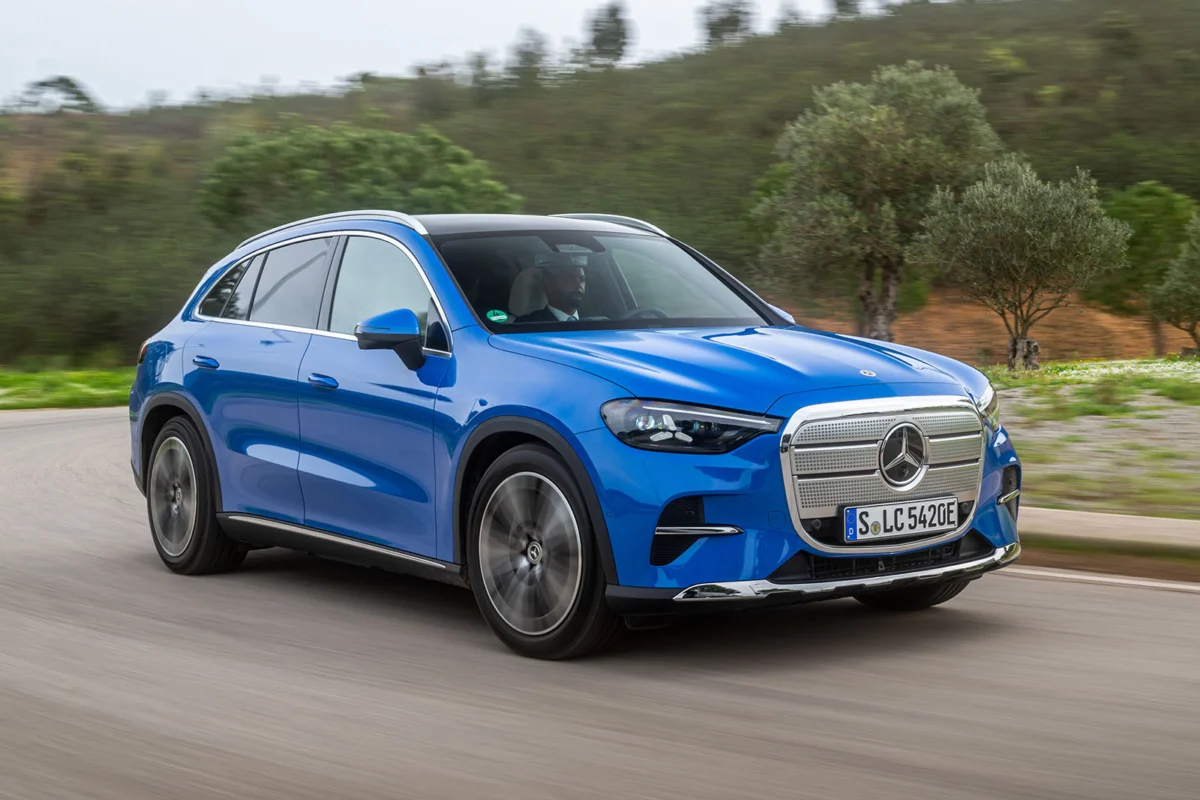
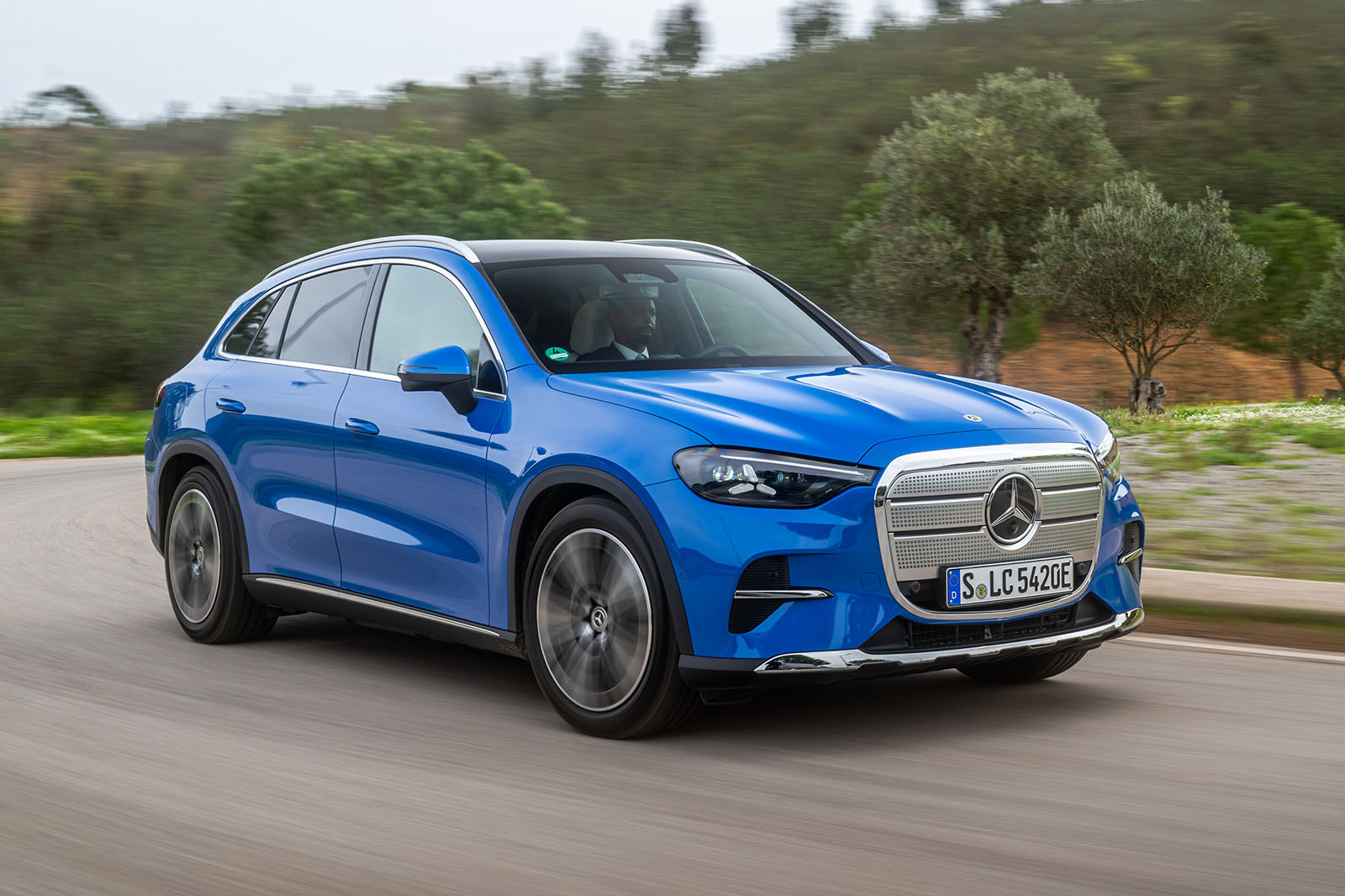
The transition of the Mercedes-Benz GLC into its dedicated electric form marks a pivotal shift in the brand’s engineering philosophy, moving away from the compromises of internal combustion engine (ICE) adaptations toward a purpose-built, EV-native architecture. While the aesthetic silhouette of the new electric GLC maintains a recognizable lineage with its ICE counterpart, the vehicle represents a significant departure in terms of physical dimensions, interior packaging, and computational power. Measuring more than 100mm longer in overall length than the standard GLC, the vehicle utilizes a substantially extended wheelbase—offering an additional 84mm of metal between the axles—to prioritize passenger comfort and cabin utility. This structural expansion translates directly into a tangible increase in legroom for both front and rear occupants, addressing one of the primary criticisms of its predecessor, the EQC.
Architectural Foundations and Spatial Optimization
The shift to a dedicated electric platform has allowed Mercedes-Benz engineers to maximize interior volume in ways that were previously impossible with shared architectures. The original EQC, which served as the brand’s first major foray into the premium electric SUV segment, was built upon a modified version of the GLC’s ICE platform. This required significant packaging sacrifices to accommodate a battery pack within a frame originally designed for a transmission tunnel and exhaust system. In contrast, the new electric GLC utilizes a "skateboard" style chassis where the battery is integrated into the floorpan, resulting in a flat floor and a "bright, airy" cabin atmosphere.
Standard across the range is a panoramic sunroof that enhances the sense of internal scale. While the rear luggage capacity is rated at a competitive 520 liters—slightly smaller than some ICE variants due to the positioning of rear motor components—the vehicle compensates with a 128-liter front trunk, or "frunk." This secondary storage area is specifically designed to house charging cables and outdoor gear, such as muddy boots, effectively separating utility items from the primary passenger and luggage space. This dual-trunk configuration is a hallmark of EV-native design, providing a level of practicality that traditional SUV conversions struggle to match.
The Digital Transformation: MBUX and the AI Superbrain
At the heart of the new GLC’s interior is the latest iteration of the Mercedes-Benz User Experience (MBUX), a system that represents a massive leap in vehicular computing. The infotainment and vehicle management systems are powered by a new internal operating system capable of executing 254 trillion operations per second. This "AI-driven superbrain" is the result of strategic collaborations with global technology leaders, including Microsoft and Google, aimed at creating a seamless transition between a user’s digital life and their driving experience.
The central interface is dominated by a full-width digital display that spans the dashboard. While the BMW iX3 utilizes an 18-inch central display, the Mercedes-Benz implementation goes further, integrating a passenger-side touchscreen and a driver-side digital cluster into a single, cohesive glass unit. This interface manages everything from climate control to advanced "emotional modes" such as "Campfire" and "Aquarium," which utilize the screens and ambient lighting to alter the cabin’s atmosphere.
Furthermore, the system includes high-bandwidth entertainment options. Users can access streaming services such as Disney+ or engage in gaming via apps like Angry Birds while the vehicle is stationary or charging. For professional users, the integration of Microsoft Teams, supported by an inbuilt cabin webcam, allows for virtual meetings and the viewing of presentation slides directly on the central screen. This move toward an "office on wheels" concept reflects a broader industry trend where the vehicle is viewed as a third living space.
Advanced Driver Assistance Systems and User Interface Challenges
Despite the impressive computational power, the shift toward a screen-heavy interface has introduced new ergonomic challenges. Industry analysts and early testers have noted that the sheer scale of the digital interface can be overwhelming. When the system is powered down, the dashboard presents as a large expanse of black plastic that is prone to fingerprints, a stark contrast to the traditional luxury materials like open-pore wood or leather found in less digitally-dependent competitors.
The reliance on touchscreens for nearly all functions—including the panoramic roof’s "motif" mode, which allows for variable transparency—can necessitate more "eyes-off-road" time than traditional physical buttons. However, Mercedes-Benz has mitigated some of these concerns through a highly sophisticated voice control system. The "Hey Mercedes" assistant is now capable of executing complex, multi-stage commands, such as opening specific windows or deactivating speed limit warnings, with high accuracy.
Complementing the digital dashboard is an advanced head-up display (HUD) featuring holographic directional arrows. This augmented reality (AR) overlay projects navigation cues directly into the driver’s line of sight, appearing to float over the road ahead. Additionally, the vehicle’s Advanced Driver Assistance Systems (ADAS) are more tightly integrated than in previous generations. One notable feature is the "Caution: bump" announcement, which uses cloud-based data and vehicle sensors to warn the driver approximately 100 meters before encountering a significant pothole or speed hump, allowing for proactive speed adjustment.
Chronology of the Mercedes-Benz EV Evolution
The development of the electric GLC is a critical milestone in the "Ambition 2039" strategy, Mercedes-Benz’s roadmap to achieving a carbon-neutral fleet.
- 2019: Launch of the EQC, the brand’s first series-production EV, based on an adapted ICE platform.
- 2021: Introduction of the EQS and EQE sedans, debuting the dedicated EVA (Electric Vehicle Architecture).
- 2022-2023: Expansion of the SUV lineup with the EQS SUV and EQE SUV, further refining MBUX Hyperscreen technology.
- 2024: The rollout of the new GLC electric variant, moving the brand’s most popular SUV segment onto a dedicated EV platform.
This timeline illustrates a rapid transition from experimental adaptations to a comprehensive, software-defined vehicle lineup. The new GLC EV is positioned to compete directly with the BMW iX3, the Audi Q6 e-tron, and the Tesla Model Y in a segment that remains the most contested in the luxury automotive market.
Supporting Data and Technical Specifications
The engineering shift is backed by significant performance data that highlights the efficiency gains of the new platform:
| Feature | New GLC Electric | Previous EQC (Ref. Point) |
|---|---|---|
| Wheelbase Increase | +84mm | Base Platform |
| Overall Length | +100mm+ | 4761mm |
| Frunk Capacity | 128 Liters | 0 Liters |
| Computing Power | 254 Trillion Ops/Sec | Approx. 30-50 Trillion |
| Central Display | Full-width Digital Interface | 10.25-inch Dual Screens |
The increase in computing power is particularly relevant for the future of autonomous driving. Mercedes-Benz has indicated that the hardware suite in the new GLC is designed to be "future-proof," capable of receiving over-the-air (OTA) updates that will enhance Level 2+ driving capabilities over the course of a standard four-year lease or PCP contract.
Official Responses and Market Analysis
While Mercedes-Benz executives have praised the new GLC as a "masterpiece of digital integration," some market analysts suggest that the brand must balance its technological ambitions with traditional luxury values. "The challenge for Mercedes is ensuring that the ‘sense of occasion’ isn’t lost in a sea of pixels," noted one industry consultant. "While the AI superbrain is a marvel of engineering, the physical tactile quality of a Mercedes-Benz has always been its calling card. The new GLC attempts to bridge these two worlds."
The inclusion of Microsoft Teams and other productivity tools has also sparked discussion regarding the changing nature of the commute. Mercedes-Benz representatives have stated that these features are designed to provide "maximum flexibility" for the modern professional, though they emphasize that video functions are disabled while the vehicle is in motion to comply with safety regulations.
Broader Impact and Industry Implications
The release of the electric GLC signifies more than just a new model; it represents the maturation of the luxury EV market. No longer are premium manufacturers content with "compliance cars" or hurried ICE conversions. The use of an EV-native platform allows for a superior "packaging-to-footprint" ratio, giving consumers more interior space without making the external dimensions unwieldy for urban environments.
The heavy investment in software and AI also signals a shift in where automotive value lies. In the ICE era, value was derived from engine displacement and transmission smoothness. In the current era, value is increasingly defined by the operating system’s speed, the intelligence of the voice assistant, and the seamlessness of the digital ecosystem. As Mercedes-Benz continues to roll out its MB.OS (Mercedes-Benz Operating System), the GLC will serve as a primary litmus test for whether traditional car buyers are ready to embrace a vehicle that functions as much like a smartphone as it does a mode of transport.
In conclusion, the new electric GLC is a testament to the benefits of dedicated EV engineering. By prioritizing space, processing power, and intelligent driver aids, Mercedes-Benz has created a vehicle that is demonstrably superior to the EQC it replaces. While the "digital-first" interior design may be polarizing for some, the underlying technical achievements suggest that Mercedes-Benz is well-positioned for the next phase of the electric transition.