


Researchers at Duke-NUS Medical School have identified a critical molecular "switch" that dictates whether pancreatic cancer cells succumb to chemotherapy or develop resistance. This groundbreaking discovery offers a promising avenue to re-sensitize notoriously difficult-to-treat tumors, potentially transforming therapeutic strategies for one of the deadliest cancers. The findings, published in the prestigious Journal of Clinical Investigation, illuminate the intricate molecular mechanisms governing this switch and suggest that combining targeted therapies with conventional chemotherapy could significantly improve patient outcomes, particularly for those with treatment-resistant disease.
The Elusive Nature of Pancreatic Cancer
Pancreatic cancer presents a formidable challenge in oncology, consistently ranking among the most lethal cancers globally. In Singapore, it is the ninth most common cancer but alarmingly the fourth leading cause of cancer-related mortality. The insidious nature of this disease often means that symptoms manifest at advanced stages, by which time treatment options are significantly limited. Chemotherapy remains a cornerstone of treatment, yet its efficacy is often modest, providing only a temporary reprieve for many patients.
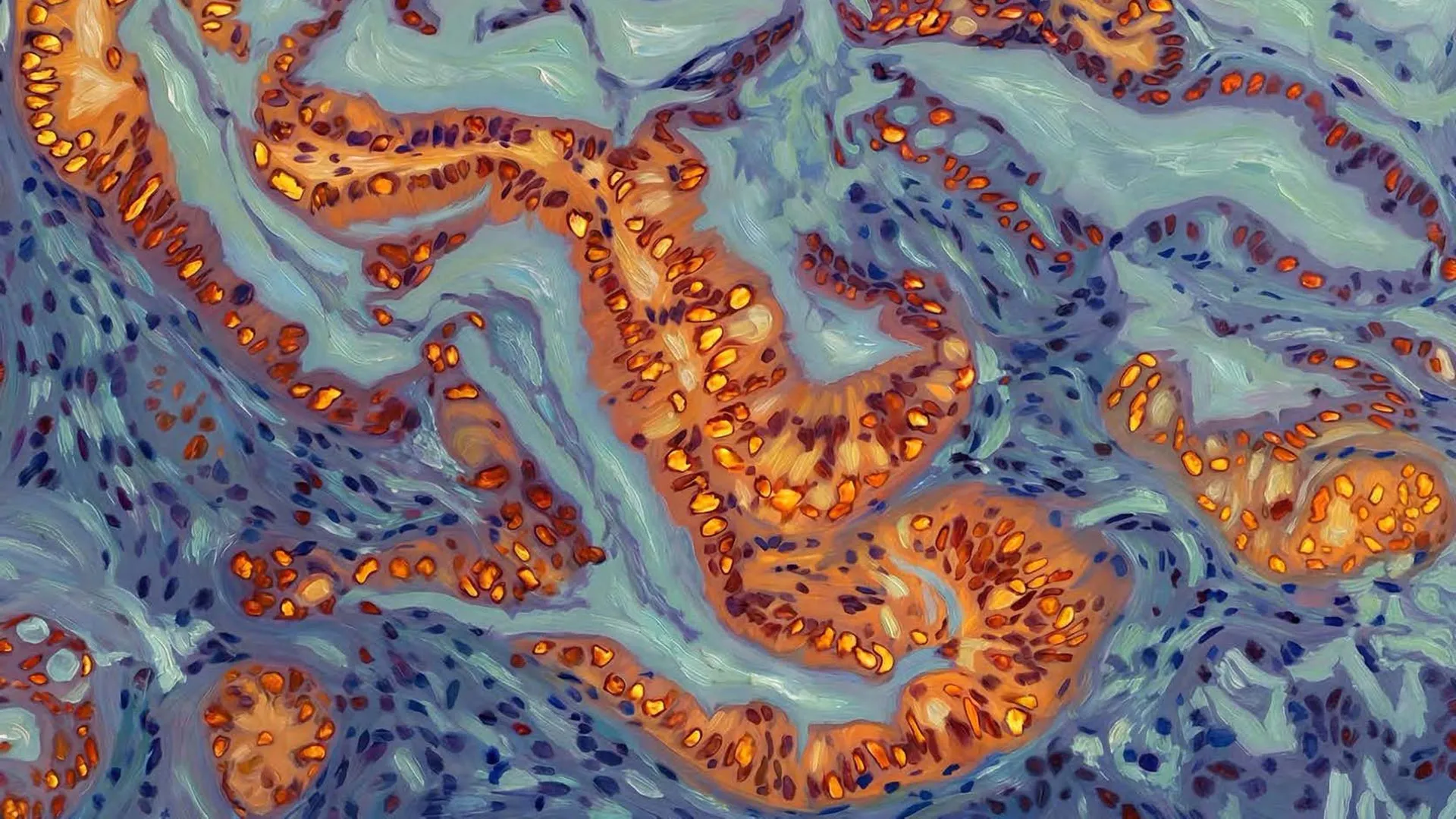
Over the past decade, scientific inquiry has delineated two primary molecular subtypes of pancreatic cancer: the classical and the basal subtypes. Tumors classified as classical tend to exhibit greater cellular organization and a more predictable growth pattern, correlating with a higher likelihood of response to current therapeutic interventions. Conversely, basal subtype tumors are characterized by cellular disorganization and aggressive behavior, frequently displaying intrinsic resistance to chemotherapy.
Crucially, pancreatic cancer cells are not static entities. They possess a remarkable flexibility, known as cancer cell plasticity, allowing them to transition between these subtypes. This ability to shift from a more treatable classical state to a resistant basal state is a significant hurdle in effective treatment, contributing to the high rates of recurrence and treatment failure. Understanding the drivers of this plasticity is therefore paramount to developing more effective therapies.
GATA6: The Master Regulator of Tumor State
The Duke-NUS research team has pinpointed a gene named GATA6 as a key player in maintaining pancreatic cancer cells within the more structured and less aggressive classical state. When GATA6 expression levels are high, tumors exhibit a more organized cellular architecture, which renders them more susceptible to the cytotoxic effects of chemotherapy. Conversely, a decline in GATA6 levels triggers a cascade of events leading to cellular disorganization, increased aggressiveness, and a pronounced resistance to standard treatments.
Professor David Virshup, the study’s lead author and a member of Duke-NUS’s Programme in Cancer & Stem Cell Biology, emphasized the significance of this finding. "We have known that pancreatic cancer cells can switch between these two states," Professor Virshup stated. "What we didn’t understand was the mechanism driving that switch. By identifying the pathway that suppresses GATA6, we now have a clearer picture of how tumors become resistant — and potentially how to reverse that process."
This discovery builds upon years of research into the complex molecular landscape of pancreatic cancer. Early studies in the late 2000s and early 2010s began to characterize the distinct molecular profiles of pancreatic tumors, leading to the classification into subtypes. However, the dynamic interplay between these subtypes and the underlying molecular triggers remained largely elusive until now.
The KRAS-ERK Axis: Orchestrating the Switch
The researchers have meticulously traced the molecular switch to a critical signaling pathway within pancreatic cancer cells, driven by the KRAS and ERK pathways. The KRAS gene, which is mutated in nearly all pancreatic cancers, acts as a constant driver of tumor growth by sending incessant signals. These signals are relayed through a partner protein, ERK, which acts as a crucial intermediary, further propagating the instructions within the cell.
When the ERK pathway becomes hyperactive, it initiates a protective mechanism that shields another protein responsible for inhibiting the production of GATA6. This suppression leads to a precipitous drop in GATA6 levels, prompting cancer cells to abandon their organized structure, adopt the aggressive basal phenotype, and consequently develop profound resistance to chemotherapy.
Through a series of rigorous experiments involving genetic screening, detailed molecular analysis of cancer cells, and targeted drug treatments, the team successfully demonstrated that inhibiting the KRAS-ERK pathway effectively liberates the suppression of GATA6. This intervention allows GATA6 levels to rebound, prompting the cancer cells to revert to their more organized, chemotherapy-sensitive state. This reversal is a pivotal moment, offering a tangible strategy to overcome treatment resistance.
The Promise of Combination Therapies
The study further revealed that elevated GATA6 levels, in isolation, enhance the responsiveness of pancreatic cancer cells to therapeutic agents. When drugs designed to inhibit the KRAS-ERK pathway were administered in conjunction with standard chemotherapy, the combined anti-cancer effects were significantly amplified compared to either treatment alone. This synergistic effect, however, was contingent on the presence of GATA6, underscoring its pivotal role in determining which patients are most likely to benefit from such combination strategies.
These findings provide a robust scientific rationale for the observed clinical responses in patients with higher GATA6 expression, who often exhibit better outcomes with certain chemotherapy regimens. Moreover, this research lays a critical foundation for ongoing and future clinical trials investigating novel therapeutic approaches targeting the KRAS and related pathways.
Professor Lok Sheemei, Duke-NUS’s Interim Vice-Dean for Research, commented on the broader implications of the work. "Pancreatic cancer remains one of the toughest cancers to treat," Professor Lok stated. "These findings provide a mechanistic explanation for why tumors respond poorly to chemotherapy and offers a rational strategy for combining targeted therapies with existing drugs."
The implications of this research extend far beyond pancreatic cancer, holding potential for a wide range of other KRAS-driven malignancies. Many other cancers, including lung and colorectal cancers, are also fueled by KRAS mutations and exhibit similar adaptive behaviors in terms of cell state and treatment response. A deeper understanding of how cancer cells transition between different states could therefore unlock new therapeutic avenues for a multitude of cancer types.
Professor Patrick Tan, Dean and Provost’s Chair in Cancer and Stem Cell Biology at Duke-NUS, highlighted the translational impact of the discovery. "This work demonstrates how basic science can uncover actionable insights into treatment resistance," Professor Tan remarked. "Understanding how cancer cells switch states gives us a more strategic way to design combination treatments."
Duke-NUS Medical School has established a global reputation for its leadership in medical education and cutting-edge biomedical research. By seamlessly integrating fundamental scientific discoveries with practical translational expertise, the institution is committed to advancing human health outcomes both in Singapore and on the international stage. This latest breakthrough exemplifies that commitment, offering a beacon of hope in the ongoing fight against pancreatic cancer.
The journey to this discovery has been a multi-year endeavor, characterized by meticulous laboratory work and collaborative scientific inquiry. Initial hypotheses regarding the plasticity of pancreatic cancer cells emerged from observations in patient samples and preclinical models in the early 2010s. Subsequent research focused on identifying the specific molecular regulators. The identification of GATA6 as a key determinant of tumor subtype and treatment response was a significant milestone achieved in recent years, paving the way for the detailed elucidation of the KRAS-ERK pathway’s role in its regulation. The culmination of this research, as presented in the Journal of Clinical Investigation, represents the latest step in a long and complex scientific progression aimed at unraveling the complexities of pancreatic cancer.
The potential impact on clinical practice is substantial. If validated in larger clinical trials, this research could lead to new diagnostic tools to stratify patients based on their GATA6 levels and tumor subtype, thereby guiding personalized treatment decisions. For patients with tumors that have become resistant to standard chemotherapy, the ability to re-sensitize them through targeted KRAS-ERK pathway inhibition, in combination with existing agents, could represent a significant improvement in their prognosis. Furthermore, this fundamental understanding of cancer cell plasticity may inform the development of novel therapeutic strategies for other KRAS-driven cancers, potentially impacting millions of lives worldwide. The ongoing efforts to translate these findings into tangible clinical benefits underscore the vital importance of continued investment in fundamental cancer research.