



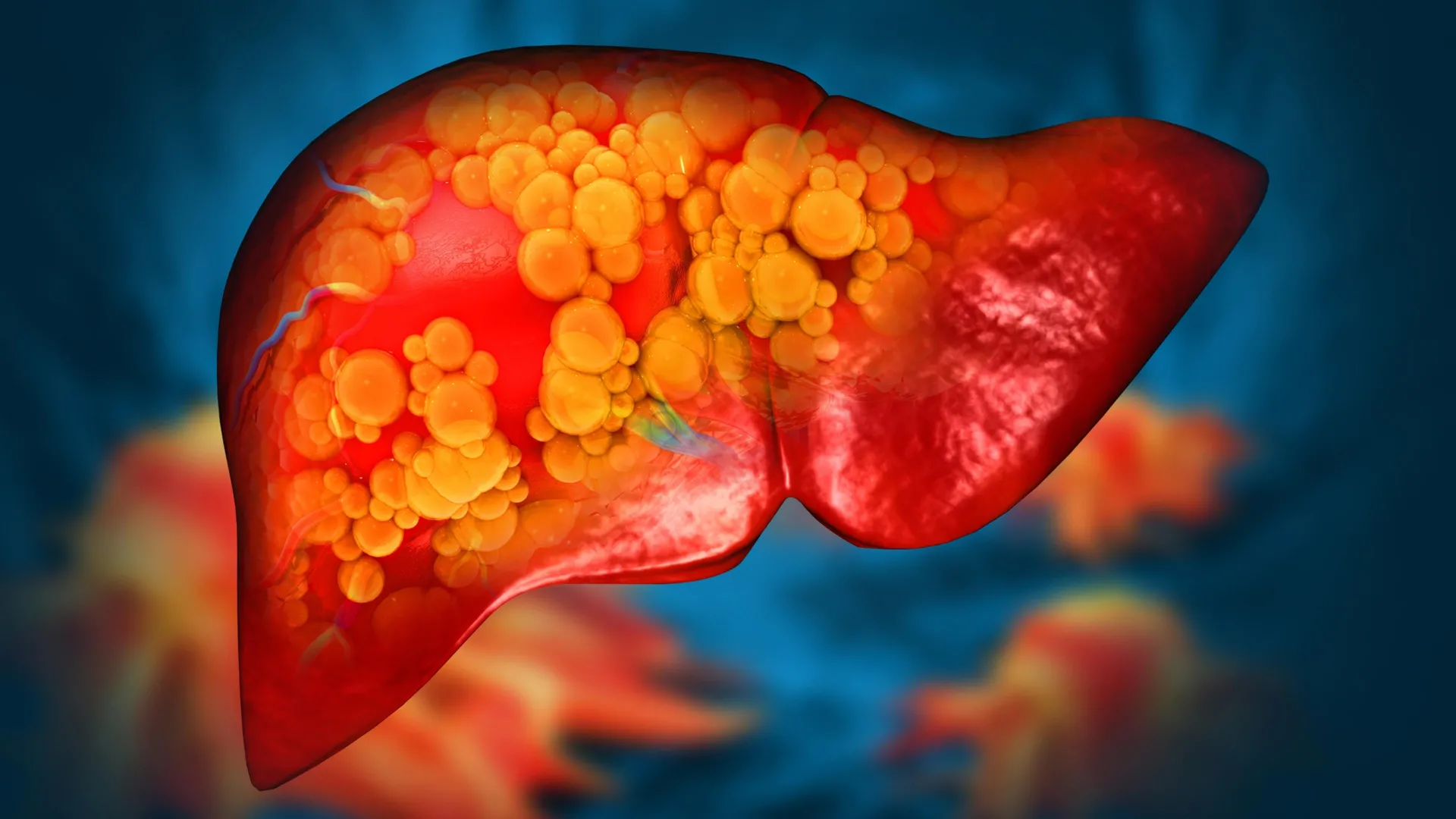
Scientists at Mayo Clinic’s Center for Individualized Medicine have pinpointed a rare genetic variant capable of directly triggering metabolic dysfunction-associated steatotic liver disease (MASLD), a condition previously understood to arise primarily from a confluence of genetic predispositions and lifestyle factors. This groundbreaking discovery, published in the esteemed journal Hepatology, challenges long-held assumptions about the pathogenesis of MASLD, revealing that in select individuals, a singular inherited mutation can be the primary driver of the disease.
Historically, MASLD, formerly known as nonalcoholic fatty liver disease (NAFLD), was widely believed to develop through a complex interplay of genetic susceptibility and external influences such as diet, physical activity, and environmental exposures. However, the recent findings from Mayo Clinic offer a paradigm shift, illuminating a direct genetic pathway to the disease. This suggests that for a subset of patients, the disease’s onset is not a consequence of accumulating risk factors but rather an inherent genetic blueprint that predisposes them to liver fat accumulation.
The MET Gene: A Crucial Player in Liver Health
The research team identified the specific genetic variant within the MET gene, a gene of significant importance in the body’s physiological processes. The MET gene plays a dual role: it is integral to the liver’s capacity for repair and is a key regulator of how the body metabolizes fat. When mutations compromise the normal function of the MET gene, the liver struggles to process and eliminate fats efficiently. This leads to an accumulation of fat within liver cells, a condition known as steatosis.
Over time, this persistent fat buildup can incite inflammation within the liver. This inflammatory response, if left unchecked, can progress to fibrosis, the formation of scar tissue that stiffens the liver. In its more advanced stages, this scarring can lead to cirrhosis, a severe and often irreversible form of liver damage that can culminate in liver failure or hepatocellular carcinoma, the most common type of primary liver cancer.
The Pervasive Reach of MASLD
Metabolic dysfunction-associated steatotic liver disease is a global health concern of significant magnitude. It affects approximately one-third of the adult population worldwide, making it the most prevalent chronic liver disease. Its more aggressive form, metabolic dysfunction-associated steatohepatitis (MASH), characterized by inflammation and liver cell damage, is projected to become the leading cause of cirrhosis and the primary indication for liver transplantation in the coming years. This escalating prevalence underscores the urgent need for a deeper understanding of its underlying mechanisms and the development of effective therapeutic strategies.
Unraveling the Mystery: A Family’s Genetic Clue
The pivotal discovery stemmed from a detailed genomic investigation initiated by a specific family case. Researchers focused on a woman and her father, both of whom presented with metabolic dysfunction-associated steatohepatitis. What made their cases particularly intriguing was the absence of typical risk factors commonly associated with MASLD in both individuals. Neither had a diagnosis of diabetes nor high cholesterol, two well-established contributors to hepatic fat accumulation. This atypical presentation prompted a deeper dive into their genetic makeup, as conventional explanations for their liver disease did not apply.
The Power of Comprehensive Genomic Analysis
Driven by the unusual clinical presentation, the research team embarked on an exhaustive genetic analysis. This process involved examining DNA across more than 20,000 human genes, a comprehensive approach designed to uncover any genetic anomalies that might explain the unusual manifestation of MASLD. During this extensive search, a subtle yet critically important alteration was identified within the MET gene.
Collaborating with scientists from the Medical College of Wisconsin’s John & Linda Mellowes Center for Genomic Sciences and Precision Medicine, led by Dr. Raul Urrutia, the Mayo Clinic team meticulously confirmed the functional impact of this genetic alteration. Genes are essentially instruction manuals written in chemical letters (nucleotides). In this instance, a single swapped letter within the DNA sequence of the MET gene created a significant disruption in the gene’s message. This miscommunication effectively prevented the liver from carrying out its essential function of properly processing and managing fats. Remarkably, this specific genetic variant identified within the family had not been previously documented in any scientific literature or public genetic databases, highlighting its rarity and the novelty of its discovery.
Dr. Raul Urrutia, reflecting on the significance of their findings, stated, "This study demonstrates that rare diseases are not rare but often hidden in the large pool of complex disorders, underscoring the immense power of individualized medicine in identifying them, and enabling the design of advanced diagnostics and targeted therapies." His words emphasize the expanding capabilities of precision medicine to illuminate the genetic underpinnings of conditions that have long eluded clear explanation.
Validating the Finding: A Large-Scale Genomic Study
To ascertain whether the identified MET gene variant was an isolated phenomenon or represented a broader genetic influence on MASLD, the researchers expanded their investigation. They turned to Mayo Clinic’s Tapestry study, a monumental exome sequencing initiative designed to identify genetic factors contributing to various diseases. The Tapestry project has amassed germline DNA data from over 100,000 participants across the United States, creating an unparalleled genomic database. This resource is invaluable for researching both established and emerging health conditions.
Within the Tapestry study cohort, the team analyzed the genetic data of nearly 4,000 adults diagnosed with MASLD. Their analysis revealed that approximately 1% of these individuals carried rare variants in the same MET gene that were suspected of contributing to the development of their liver disease. Further scrutiny showed that nearly 18% of these identified variants were located in the identical critical region of the MET gene that was affected in the original family. This concordance significantly strengthened the evidence implicating the MET gene as a direct contributor to MASLD.
Broader Implications and Future Directions
The implications of this discovery are far-reaching. Dr. Konstantinos Lazaridis, a lead author and the Carlson and Nelson Endowed Executive Director for the Center for Individualized Medicine at Mayo Clinic, commented on the potential impact: "This finding could potentially affect hundreds of thousands, if not millions, of people worldwide with or at risk for metabolic dysfunction-associated steatotic liver disease." This statement underscores the widespread relevance of identifying this genetic pathway.
Dr. Lazaridis further highlighted the indispensable role of the Tapestry study in unveiling hidden genetic factors. "Once a pathogenic variant is discovered, interrogating our Tapestry data repository is giving us a clearer lens into the hidden layers of disease, and this discovery is one of the first to demonstrate its scientific significance," he explained. "This finding highlights the profound value of studying familial diseases and the merit of large-scale genomic datasets, which can reveal rare genetic variations with broader implications for population health." His remarks emphasize the synergistic relationship between studying specific family lineages and leveraging massive genomic datasets for broad scientific advancement.
The Ascendancy of Precision Genomics in Clinical Care
This research serves as a compelling testament to the escalating importance of genomic medicine in contemporary clinical practice. At Mayo Clinic, advanced genetic technologies are increasingly being integrated to unravel the complex etiologies of challenging diseases. The Program for Rare and Undiagnosed Diseases, launched in 2019, has already provided over 3,200 patients with access to comprehensive genomic testing. This program collaborates with nearly 300 clinicians across 14 divisions at Mayo Clinic, facilitating precision diagnostics for patients grappling with conditions that have proven difficult to diagnose, including rare liver diseases.
The scientific community anticipates that this breakthrough will catalyze the development of novel therapeutic interventions. Future research endeavors will focus on how this discovery related to MASLD can inform the creation of targeted treatments, potentially offering new hope for patients. Furthermore, it is expected to refine diagnostic approaches and enhance the overall management strategies for individuals affected by this pervasive liver disease. The identification of a direct genetic cause opens avenues for precision therapies that could address the root genetic defect, rather than solely managing symptoms or mitigating lifestyle-related risk factors. This paradigm shift from generalized treatment to personalized medicine holds the promise of significantly improving patient outcomes and transforming the landscape of liver disease management.