


Breast cancer continues to represent a formidable global health challenge, standing as the most frequently diagnosed cancer among women worldwide. In 2022 alone, the World Health Organization reported approximately 2.3 million new diagnoses and a devastating toll of around 670,000 deaths. Despite significant advancements in treatment methodologies over recent years, certain aggressive subtypes of breast cancer remain exceptionally difficult to manage, posing a persistent obstacle for oncologists. A critical hurdle in effectively combating these fast-growing malignancies is the absence of robust and reliable methods for predicting their progression and response to therapy. Addressing this urgent need, a pioneering research initiative, aptly named Biomarker Research Integrating Data of Glyco-Immune Signatures and Clinical Evidence in Breast Cancer (BRIDGE), has been launched with the explicit aim of identifying critical biological clues that can illuminate the behavior of aggressive breast cancer in individual patients, thereby paving the way for earlier detection and more effective treatment strategies.
The BRIDGE project represents a concerted effort to bridge the existing gap in our understanding and management of aggressive breast cancer. At its core, the initiative is focused on the identification of biomarkers – measurable biological signals present in blood, tissues, or other bodily samples – that can serve as invaluable indicators of disease progression and guide therapeutic decisions. These biomarkers are anticipated to offer physicians critical insights, such as the likelihood of a tumor exhibiting rapid growth or its potential responsiveness to specific therapeutic interventions. By deciphering these subtle biological signals, clinicians can move beyond generalized treatment approaches and toward a more nuanced, patient-specific model of care.
Unraveling the Tumor Microenvironment and Immune Evasion
The collaborative spirit of the BRIDGE project is exemplified by the convergence of expertise from two leading Portuguese institutions: the Instituto de Tecnologia Química e Biológica António Xavier of NOVA University of Lisbon (ITQB NOVA) and the Portuguese Institute of Oncology (IPOFG – Instituto Português de Oncologia de Lisboa Francisco Gentil). Their collective research endeavors are fundamentally centered on elucidating the intricate interplay between cancer cells and their surrounding environment, a complex ecosystem commonly referred to as the tumor microenvironment.
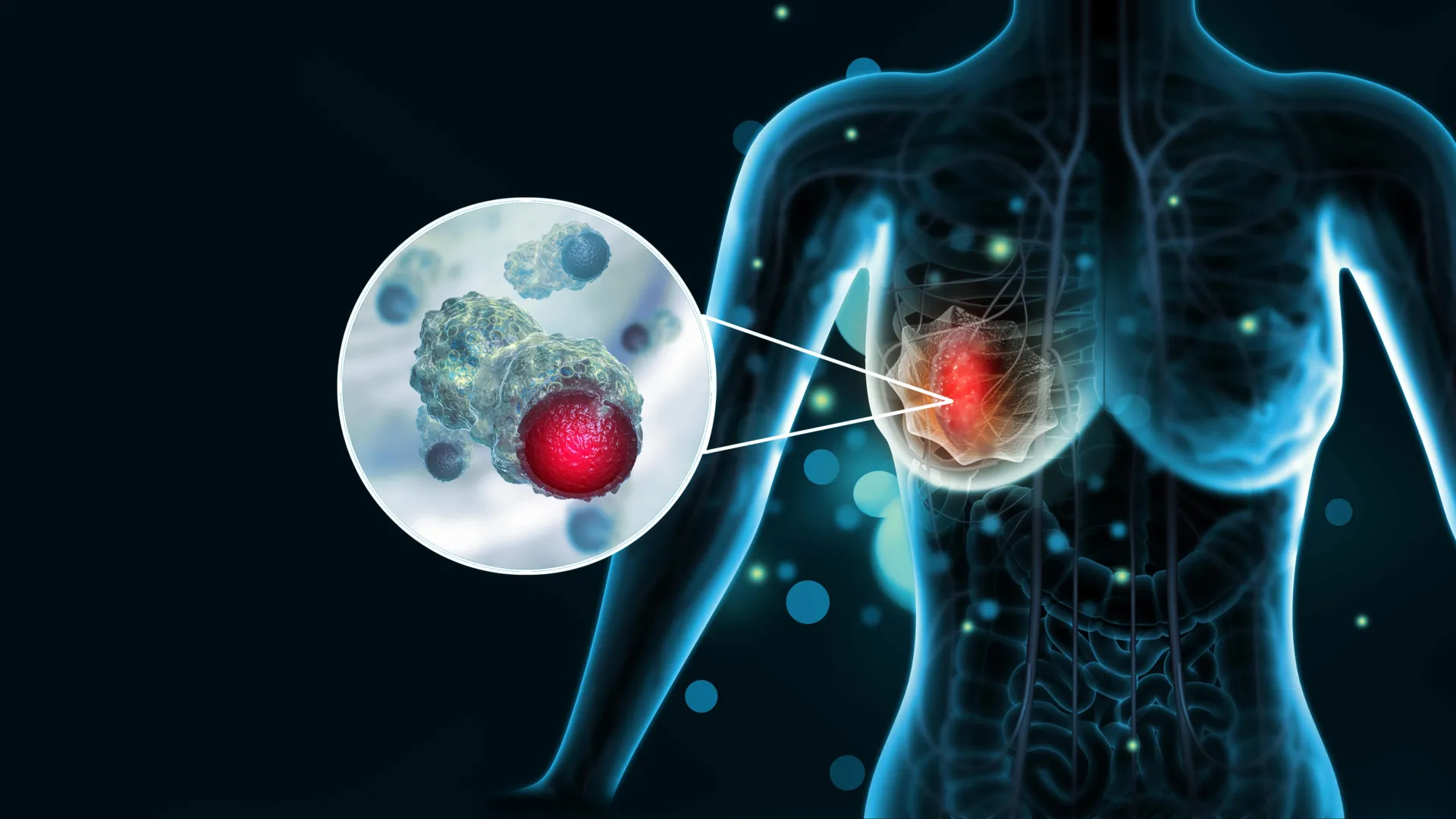
This microenvironment is far more than just a collection of malignant cells; it encompasses a dynamic and interactive network of neighboring immune cells, intricate blood vessel structures, and a host of other supporting biological components. The BRIDGE research team is particularly captivated by the role of small molecules that adorn the surfaces of cells within this environment. The hypothesis is that these molecules may be instrumental in enabling tumors to evade detection and neutralization by the immune system, effectively creating a shield that allows cancerous growth to proceed unchecked. Understanding this sophisticated mechanism of immune evasion is considered a cornerstone in developing strategies to re-engage the body’s natural defenses against cancer.
Decoding the "Language" of Tumor-Immune Cell Communication
Dr. Catarina Brito, a distinguished leader of the Advanced Cell Models laboratory at ITQB NOVA and a key figure in the BRIDGE project, articulated the project’s foundational premise. "We have previously identified how tumors communicate with certain cells of the immune system to protect themselves," she explained. This prior work laid the groundwork for the current initiative, which aims to build upon these discoveries. "With BRIDGE," Dr. Brito continued, "we aim to validate these findings using real patient samples and translate this knowledge into clinical applications." This crucial step of validation using authentic clinical data is paramount, as it bridges the gap between laboratory hypotheses and their practical applicability in patient care.
The involvement of the IPOFG is instrumental in this validation process. The institute will provide vital access to patient samples, a critical resource that allows researchers to confirm whether the molecular signatures and interactions identified in controlled laboratory settings hold true within the complex biological milieu of actual human patients. This phase of the project is indispensable for the successful translation of fundamental scientific discoveries into tangible tools and therapies that can be readily implemented by clinicians.
The ultimate objective, as articulated by Dr. Brito, is clear: "By finding new biomarkers, we hope to contribute to more precise therapies." This statement underscores the project’s commitment to enhancing the specificity and efficacy of breast cancer treatments, moving away from broad-spectrum approaches towards interventions that are finely tuned to the individual characteristics of each patient’s disease.
Charting a Course Toward Personalized Breast Cancer Management
The overarching aspiration of the BRIDGE initiative is to forge new pathways in the diagnosis and treatment of breast cancer by achieving a profound understanding of how tumors successfully subvert immune responses. By identifying novel biomarkers, researchers aim to equip clinicians with the ability to more accurately monitor disease progression and detect recurrence. Furthermore, the project seeks to pinpoint new therapeutic targets that can be leveraged to develop innovative and more potent treatments.
The long-term vision of the BRIDGE project is to catalyze a paradigm shift in breast cancer care, ushering in an era of highly personalized medicine. In this future, treatment strategies will be meticulously tailored to the unique molecular and cellular profile of each patient’s tumor, rather than adhering to a uniform, one-size-fits-all approach. This individualized approach holds the promise of maximizing treatment efficacy, minimizing adverse side effects, and ultimately improving patient outcomes.
Funding and the Future Trajectory of Breast Cancer Research
The BRIDGE project’s pursuit of these ambitious goals is significantly bolstered by its inclusion in the iNOVA4Health Lighthouse Projects (LHP) 2025 program. This prestigious funding initiative is specifically designed to support research with a strong potential for seamless transition from the laboratory bench to clinical practice. By fostering robust collaborations among scientists, clinicians, and technology experts, the LHP program aims to accelerate progress in addressing critical health challenges.
Over the next two years, the BRIDGE project is slated to receive financial support of up to €75,000. This investment is expected to significantly expedite the development of novel strategies that will enhance our ability to understand, monitor, and effectively treat some of the most aggressive and challenging forms of breast cancer. This funding not only validates the scientific merit of the project but also signifies a broader commitment to advancing the frontiers of breast cancer research and patient care.
Supporting Data and Background Context
The global burden of breast cancer is immense and continues to grow. According to GLOBOCAN 2020 estimates, breast cancer accounted for 12.5% of all new cancer cases and 10.9% of all cancer deaths worldwide. This makes it the most common cancer globally and the leading cause of cancer death among women. The incidence rates vary geographically, with higher rates observed in more developed countries, though incidence is increasing in less developed regions as well.
The complexity of breast cancer is further highlighted by its diverse subtypes. These can be broadly categorized based on hormone receptor status (estrogen receptor [ER] and progesterone receptor [PR]) and human epidermal growth factor receptor 2 (HER2) status. Triple-negative breast cancer (TNBC), for example, lacks expression of ER, PR, and HER2, making it inherently more aggressive and lacking targeted therapies, often necessitating chemotherapy as the primary treatment. These subtypes often exhibit different biological behaviors, prognoses, and responses to treatment, underscoring the need for personalized approaches.
The tumor microenvironment (TME) plays a pivotal role in tumor initiation, progression, metastasis, and response to therapy. It is a dynamic ecosystem comprising cancer cells, immune cells (such as tumor-associated macrophages, T cells, and B cells), stromal cells (fibroblasts), endothelial cells forming blood vessels, and extracellular matrix components. The intricate signaling pathways within the TME can either promote or inhibit tumor growth. For instance, immune cells can be co-opted by tumors to suppress anti-tumor immunity, while the formation of new blood vessels (angiogenesis) can fuel tumor growth and provide a route for metastasis.
Glycans, which are complex carbohydrate structures found on cell surfaces and secreted molecules, are increasingly recognized as key players in cell-cell communication and immune modulation within the TME. Aberrant glycosylation patterns are a hallmark of cancer, and these changes can influence cell adhesion, migration, immune recognition, and drug resistance. The BRIDGE project’s focus on "Glyco-Immune Signatures" suggests an investigation into how these glycan structures on cancer cells and associated immune cells influence the tumor’s ability to evade immune surveillance.
Timeline and Chronology of Research
While the specific timeline for the BRIDGE project is ongoing, its genesis can be traced to earlier research conducted by the participating institutions. The initial identification of how tumors communicate with immune cells to protect themselves, as mentioned by Dr. Brito, likely represents a foundational discovery made in previous studies. This foundational work would have informed the proposal and subsequent funding of the BRIDGE initiative.
The BRIDGE project, as a funded research endeavor, will unfold over a defined period, likely encompassing stages of:
- Sample Collection and Characterization: The IPOFG will provide patient samples, which will be meticulously collected, processed, and characterized. This involves ensuring the quality and integrity of the samples for downstream analysis.
- Biomarker Discovery and Validation: Researchers at ITQB NOVA will analyze these samples using advanced techniques to identify potential glyco-immune biomarkers. This phase will involve comparing samples from patients with aggressive breast cancer to those with less aggressive forms or healthy controls.
- Functional Studies: Once potential biomarkers are identified, further studies will be conducted to understand their functional role in tumor-immune interactions and tumor progression.
- Clinical Correlation: The findings from laboratory studies will be rigorously correlated with clinical data from the patient samples, including disease stage, treatment response, and survival outcomes. This step is crucial for confirming the clinical relevance of the identified biomarkers.
- Translation and Application Development: The ultimate goal is to translate these discoveries into practical tools, such as diagnostic assays or therapeutic targets. This phase may involve further preclinical development and potential engagement with industry partners.
The two-year funding period allocated to the BRIDGE project signifies an intensive phase of research and development, aiming to achieve significant milestones within this timeframe.
Broader Impact and Implications for Future Cancer Care
The success of the BRIDGE project has the potential to profoundly impact the landscape of breast cancer management. By providing more accurate predictive biomarkers, clinicians can make more informed decisions about the intensity and type of treatment required for each patient. This could lead to:
- Early Intervention: Identifying aggressive cancers at an earlier stage, when they are more amenable to treatment, can significantly improve survival rates.
- Optimized Treatment Selection: Biomarkers can help predict which patients are most likely to benefit from specific therapies, including targeted drugs and immunotherapies, thereby avoiding ineffective treatments and their associated toxicities.
- Reduced Overtreatment: For patients with less aggressive disease, biomarkers could help de-escalate treatment, reducing the burden of unnecessary chemotherapy or surgery, and improving quality of life.
- Development of Novel Therapies: A deeper understanding of tumor-immune evasion mechanisms can pave the way for the development of entirely new therapeutic strategies, such as immunotherapies that can overcome tumor-induced suppression.
- Enhanced Patient Monitoring: Biomarkers can serve as surrogate markers to monitor treatment response and detect early signs of recurrence, allowing for timely adjustments to therapy.
The collaborative model employed by the BRIDGE project, bringing together academic research institutions and clinical oncology centers, is a blueprint for future translational research. This synergy between basic science discovery and clinical application is essential for rapidly translating scientific advancements into tangible benefits for patients. The investment from the iNOVA4Health Lighthouse Projects underscores the recognition of the critical need for such initiatives in tackling complex diseases like breast cancer. Ultimately, the BRIDGE project represents a crucial step forward in the global effort to combat breast cancer, offering hope for more precise, effective, and personalized care for women worldwide.