



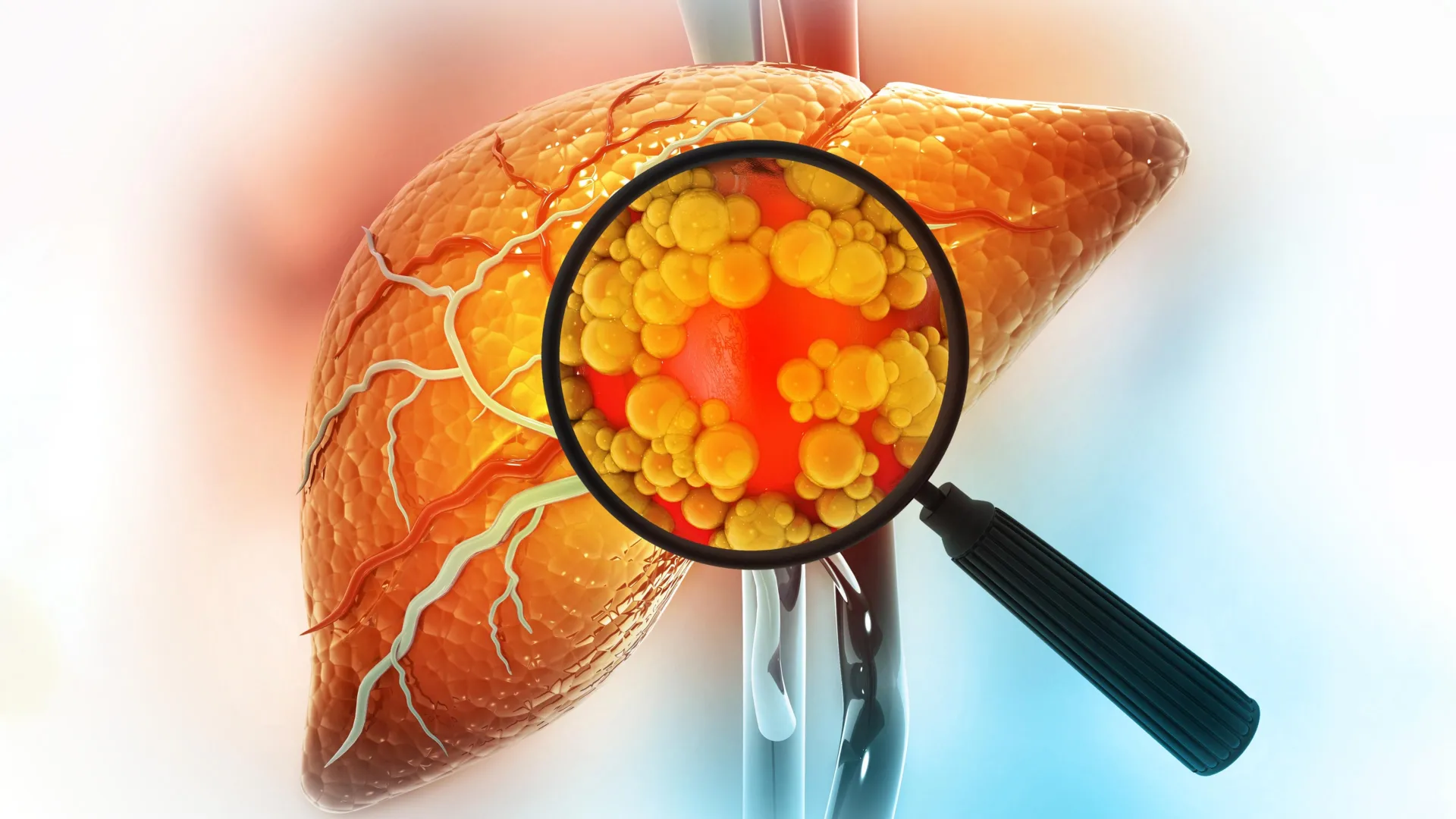
New research from the University of Adelaide is challenging long-held assumptions about the role of a cellular enzyme, Caspase-2, in liver health. Once considered a potential protector against fatty liver disease, new findings suggest that inhibiting this enzyme may paradoxically accelerate chronic liver damage and increase the risk of liver cancer as individuals age. The study, published in the esteemed journal Science Advances, reveals a critical function of Caspase-2 in maintaining the genetic stability of liver cells and highlights the potential for unintended consequences in therapeutic strategies targeting this pathway.
The burgeoning field of fatty liver disease research has seen a surge of interest in Caspase-2 inhibitors, with the enzyme initially believed to play a role in mitigating fat accumulation and associated liver damage. However, this groundbreaking study, conducted by a team of scientists at the University of Adelaide’s Centre for Cancer Biology, paints a starkly different picture. Their investigations have revealed that the absence or dysfunction of Caspase-2 leads to abnormal liver cell growth, a cascade of inflammation and scarring, and a significantly elevated propensity for developing hepatocellular carcinoma (HCC), the most common form of liver cancer. This discovery directly contradicts the therapeutic optimism surrounding the inhibition of Caspase-2 for managing or preventing metabolic liver conditions.
The Crucial Role of Caspase-2 in Liver Cell Integrity
Dr. Loretta Dorstyn, the lead researcher on the study, emphasized the fundamental importance of Caspase-2 in maintaining the genetic integrity of liver cells. Beyond its newly identified role in cell stability, the enzyme also participates in the intricate regulation of fat metabolism within the liver. "Liver cells," Dr. Dorstyn explained, "naturally possess additional copies of genetic material, a condition known as polyploidy. While this feature can be an adaptive mechanism, enabling the liver to withstand stress, our research unequivocally demonstrates that the absence of Caspase-2 leads to excessively high levels of polyploidy, which proves to be detrimental."
To meticulously examine the consequences of Caspase-2 deficiency, the research team employed genetically modified mice. These animal models, either lacking the enzyme entirely or possessing a non-functional variant, exhibited pronounced abnormalities in their liver cells. These cells were not only unusually enlarged but also displayed significant genetic and cellular damage, underscoring the enzyme’s vital role in cellular housekeeping and quality control.
Unveiling the Long-Term Trajectory: Inflammation, Scarring, and Cancer
The study’s longitudinal observations in these genetically modified mice provided a chilling glimpse into the long-term repercussions of Caspase-2 deficiency. Over time, these animals developed chronic liver inflammation, a hallmark of progressive liver disease. This inflammation was accompanied by characteristic features of hepatitis-like liver disease, including the formation of scar tissue (fibrosis), oxidative damage – a consequence of an imbalance between free radicals and antioxidants – and a specific type of cell death intrinsically linked to inflammatory processes.
As these mice aged, their susceptibility to liver cancer escalated dramatically. Older mice that were devoid of functional Caspase-2 were found to develop liver tumors at rates substantially higher than their healthy counterparts. In some instances, the incidence of liver cancer was observed to be as much as four times greater, mirroring the progression to hepatocellular carcinoma seen in human patients. This stark difference in tumor formation directly implicates Caspase-2 in the age-associated increase in liver cancer risk.
Dr. Dorstyn reiterated the study’s pivotal finding: "The notion that inhibiting Caspase-2 is universally beneficial is fundamentally flawed. While short-term inhibition might offer protective effects in younger animals or potentially ameliorate fatty liver disease in the immediate term, our comprehensive study unequivocally demonstrates that its long-term absence is profoundly deleterious." She elaborated on the enzyme’s critical function in the aging process: "Our research illuminates that Caspase-2 is indispensable for the efficient removal of damaged and aberrant liver cells as we age. In its absence, these compromised cells accumulate, acquiring the potential to become cancerous. Furthermore, this accumulation creates a pro-cancerous microenvironment within the liver, predisposing it to tumor development."
Implications for Future Liver Disease Therapies and Drug Development
The implications of these findings are far-reaching, particularly for the pharmaceutical industry and clinicians developing novel treatments for liver diseases. Professor Sharad Kumar, a senior author on the study, issued a cautionary note regarding the trajectory of therapeutic development. "There has been considerable scientific and clinical interest in targeting Caspase-2 with the aim of treating metabolic liver diseases and potentially reducing the incidence of liver cancer," Professor Kumar stated. "However, our data unequivocally indicates that such an approach could lead to severe, unintended consequences in the long run. Specifically, it could significantly heighten an individual’s vulnerability to chronic liver inflammation, fibrosis, and ultimately, cancer."
The global burden of liver disease continues to escalate, driven by a confluence of factors including an aging global population, the pervasive rise in obesity rates, and the increasing prevalence of metabolic disorders. These conditions create a fertile ground for the development and progression of liver pathologies. The World Cancer Research Fund reported that in 2022 alone, liver cancer was responsible for nearly 760,000 deaths worldwide, solidifying its position as the sixth most common cancer globally. This grim statistic underscores the urgent need for effective and safe therapeutic interventions.
The study, meticulously titled ‘Caspase-2 Deficiency Drives Pathogenic Liver Polyploidy and Increases Age-Associated Hepatocellular Carcinoma in Mice,’ provides a critical scientific foundation for re-evaluating the therapeutic potential of Caspase-2 inhibitors. It serves as a vital reminder that biological pathways are often complex and interconnected, and interventions designed to target one aspect of a disease can have unforeseen and detrimental effects on others, particularly over extended periods.
Background and Chronology of the Research
The investigation into Caspase-2’s role in liver health likely emerged from prior research exploring the broader functions of caspases, a family of proteases crucial for apoptosis (programmed cell death) and inflammation. Early hypotheses might have focused on Caspase-2’s potential involvement in initiating inflammatory cascades or clearing damaged cells, leading to the exploration of its inhibitory potential in conditions characterized by excessive inflammation or cell proliferation.
The research process would have involved several key stages. Initially, the scientists would have established the baseline understanding of Caspase-2’s known functions. This would be followed by the design and generation of genetically modified mouse models to specifically investigate the consequences of its absence or malfunction in the liver. The timeline of the study would then encompass periods of observation, allowing the researchers to track the development of liver pathology over time, from initial cellular changes to the manifestation of chronic inflammation, fibrosis, and ultimately, tumor formation in aged animals. This longitudinal approach is critical for understanding age-associated risks.
The publication in Science Advances, a journal known for publishing high-impact research across various scientific disciplines, signifies that the findings have undergone rigorous peer review and are considered to be of significant scientific merit and novelty. This adds substantial credibility to the study’s conclusions.
Broader Impact and Future Directions
The findings have profound implications for how metabolic liver diseases, such as non-alcoholic fatty liver disease (NAFLD) and its more severe form, non-alcoholic steatohepatitis (NASH), are approached therapeutically. These conditions are a growing global health crisis, and the development of effective treatments remains a high priority. The study suggests that current therapeutic strategies that might target Caspase-2 could be counterproductive in the long term, potentially exacerbating the very conditions they aim to treat.
This research necessitates a re-evaluation of existing preclinical drug candidates and a more cautious approach to the development of new therapies that target Caspase-2. Future research will likely focus on understanding the precise molecular mechanisms by which Caspase-2 deficiency leads to pathogenic polyploidy and liver cancer. Identifying these downstream pathways could reveal alternative therapeutic targets that are safer and more effective. Furthermore, understanding the differential effects of Caspase-2 inhibition in younger versus older individuals or in different stages of liver disease will be crucial.
The study also raises important questions about the balance between cell survival and cell death in maintaining liver health. Caspase-2 appears to play a delicate role in ensuring that damaged or abnormal cells are efficiently cleared, thereby preventing their accumulation and subsequent transformation into cancerous lesions. This highlights the importance of maintaining cellular quality control mechanisms throughout life.
The research team’s findings serve as a critical reminder that therapeutic interventions must be carefully considered in the context of long-term outcomes and potential off-target effects. While the pursuit of treatments for liver disease is urgent, it must be guided by a deep understanding of the complex biological processes involved. This study provides invaluable insights that will undoubtedly shape the future of liver disease research and drug development, steering it towards more nuanced and potentially safer therapeutic strategies. The scientific community will be closely watching as further research endeavors to build upon these pivotal findings and translate them into clinical benefits for patients at risk of or suffering from liver disease.