


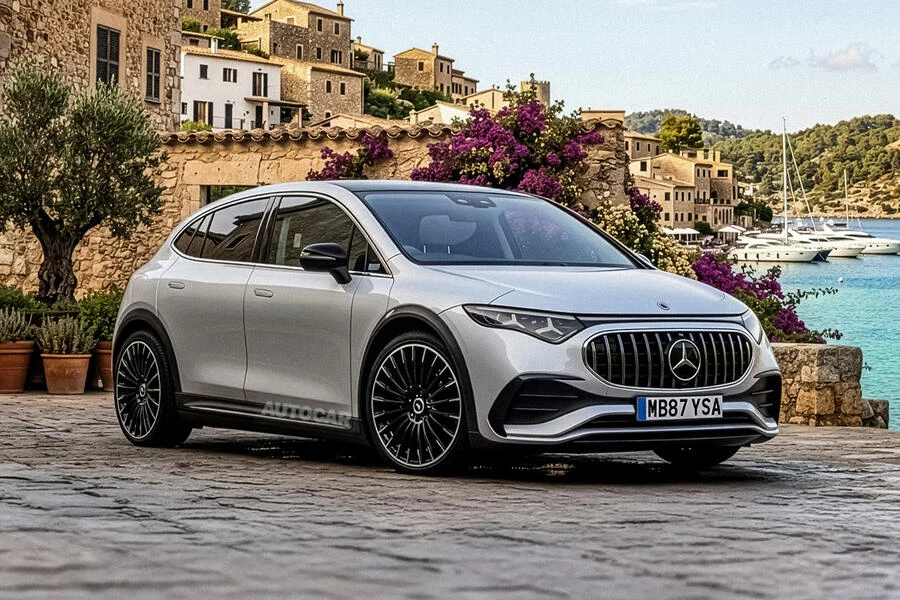
The fifth-generation Mercedes-Benz A-Class is set to undergo a significant architectural and ergonomic transformation as the German automaker seeks to reconcile shifting consumer preferences with its streamlined "Entry Luxury" portfolio strategy. Sources close to the development process indicate that a primary objective for the upcoming model is an increase in ride height, a move intended to address consistent customer feedback regarding ease of ingress and outward visibility. While the vehicle will remain fundamentally a hatchback rather than a crossover, the adjustment marks a pivotal departure from the low-slung profile that has defined the A-Class since its radical redesign in 2012. This evolution is not merely a stylistic choice but a calculated effort to absorb the demographic previously served by the B-Class, which ceased production in 2022, while maintaining the model’s appeal to a younger, tech-focused audience.
Historical Context and the Shift in Compact Strategy
To understand the trajectory of the new A-Class, one must look at the history of the Mercedes-Benz compact range. The original A-Class (W168), launched in 1997, utilized a "sandwich floor" design that resulted in a high-seating, MPV-like silhouette. This was replaced in 2012 by the third-generation (W176), which pivoted toward a traditional, sporty premium hatchback design to compete directly with the BMW 1 Series and Audi A3. While successful in lowering the average age of the Mercedes-Benz customer base, the low-slung nature of the W176 and the subsequent W177 models alienated some traditional buyers who prioritized comfort and ease of access.
In 2022, Mercedes-Benz leadership, under CEO Ola Källenius, announced a major strategic pivot. The company decided to focus on three core categories: Top-End Luxury, Core Luxury, and Entry Luxury. As part of this realignment, the "Entry Luxury" segment—which previously consisted of seven models—is being consolidated into four core products. The upcoming A-Class successor is one of these four pillars, alongside the CLA, CLA Shooting Brake, and GLA/GLB successors. By raising the ride height of the new A-Class, Mercedes-Benz aims to create a "bridge" vehicle that offers the compact dimensions of a hatch with the ergonomic benefits of a taller vehicle, effectively filling the void left by the discontinued B-Class.
Technical Foundations: The Mercedes Modular Architecture (MMA)
The most significant technical shift for the fifth-generation A-Class is the transition from the aging Modular Front Architecture (MFA2), which has underpinned the brand’s compact cars since 2011, to the all-new Mercedes Modular Architecture (MMA). This platform represents a "long-range electric-first" philosophy, though it remains versatile enough to accommodate internal combustion engine (ICE) variants in specific markets.
The MMA platform is engineered to bring high-end technology from the Vision EQXX concept into the compact segment. Key features of the MMA platform include:
- 800V Electrical System: This allows for ultra-fast charging capabilities, potentially enabling the vehicle to add up to 250 miles (400 km) of range in just 15 minutes of charging.
- Silicon Carbide Inverters: These high-efficiency components reduce energy loss in the power electronics, maximizing the range of the battery.
- MB.OS (Mercedes-Benz Operating System): The MMA platform will be the first to feature the company’s proprietary end-to-end software architecture, which powers everything from the infotainment system to the automated driving assistance features.
- Flexible Powertrains: While optimized for electric motors, the MMA can house a new generation of highly efficient four-cylinder petrol engines developed in collaboration with Geely, ensuring the A-Class remains viable in regions where EV infrastructure is still developing.
Design and Ergonomics: Form Following Function
Despite the increase in ride height, Mercedes-Benz designers are reportedly committed to maintaining the "hatchback" identity of the A-Class. The goal is to avoid cannibalizing sales from the GLA, which serves the dedicated sub-compact SUV market. The new model will feature a more upright driving position, but the overall silhouette will remain sleek.
Exterior styling is expected to borrow heavily from the latest Mercedes-Benz design language, characterized by the "shark-nose" front end. This design features a forward-leaning grille and slim LED headlights, creating a more aggressive and aerodynamic profile. Unlike its sibling, the CLA, which utilizes frameless doors to emphasize its coupe-like status, the new A-Class will retain traditional framed doors. This choice is likely driven by both cost considerations and the desire for superior sound insulation and structural rigidity, which are hallmarks of the "Core Luxury" experience Mercedes-Benz wants to bring down to its entry models.
The rear of the vehicle will feature a conventional tailgate with an angled back window, balancing sporty aesthetics with practical cargo access. Inside, the cabin will be designed for maximum spatial efficiency. The inclusion of a sliding or adjustable rear bench is currently under consideration, a feature that would provide the flexibility needed to appeal to small families and older buyers alike.
Market Positioning and Potential Naming Conventions
There is ongoing internal debate within Mercedes-Benz regarding the nomenclature of the new model. Because the vehicle represents such a significant departure from the current A-Class in terms of height, platform, and market positioning, the company is considering a name change to reflect its new identity. One possibility is "CSA," standing for Compact Sports A-Class. This would align the model with the three-letter naming convention used for the CLA (Coupe), GLA (SUV), and GLB (SUV/Crossover).
The rebranding would also signal the model’s elevation in status. Mercedes-Benz has explicitly stated that it is not interested in chasing volume at the expense of margins. Consequently, the new A-Class (or CSA) will likely carry a higher price point than the current model, justified by a significant increase in standard technology, interior material quality, and drivetrain efficiency.
Production and Global Manufacturing Footprint
The production of the new MMA-based models will be centered at the Mercedes-Benz plant in Kecskemét, Hungary. The company has invested over €1 billion into the facility to prepare it for the transition to the MMA platform. This investment includes new body shops and assembly lines capable of producing both electric and internal combustion variants on the same line, allowing the company to adjust production based on fluctuating global demand.
By consolidating production of the CLA, GLA, and the new A-Class successor in Hungary, Mercedes-Benz aims to achieve significant economies of scale. The Kecskemét plant is also part of the company’s "MO360" digital production strategy, which utilizes data-driven manufacturing to increase efficiency and reduce the carbon footprint of the production process.
Strategic Implications and Industry Outlook
The decision to raise the A-Class and move it to the MMA platform is a microcosm of the broader shifts occurring in the automotive industry. As manufacturers face tightening emissions regulations and a transition to electric mobility, the "one-size-fits-all" approach to compact cars is being abandoned in favor of specialized, high-margin products.
For Mercedes-Benz, the new A-Class represents a bridge between two eras. It maintains a link to the brand’s entry-level heritage while preparing the customer base for an electric-first future. By targeting both younger buyers and former B-Class owners, Mercedes-Benz is attempting to consolidate its market share in the compact segment while reducing the total number of models it needs to develop and maintain.
The success of this strategy will depend on whether the market accepts a premium "elevated hatch" at a higher price point. Competitors like Audi and BMW are also re-evaluating their compact strategies, with Audi expected to shift the A3 to an electric-only platform (SSP) later this decade, and BMW moving the 1 Series and 2 Series Gran Coupe to the "Neue Klasse" architecture.
In conclusion, the fifth-generation Mercedes-Benz A-Class is poised to be more than just a replacement for a popular hatchback. It is a strategic tool designed to streamline the brand’s entry-level offerings, introduce cutting-edge electric architecture, and recapture a demographic that values ergonomics as much as prestige. Whether it carries the A-Class nameplate or the rumored CSA designation, the vehicle will be a critical indicator of Mercedes-Benz’s ability to maintain its luxury status in an increasingly competitive and electrified compact market. The official reveal is expected in late 2025, with a market launch following in 2026, marking a new chapter in the evolution of the premium compact car.