


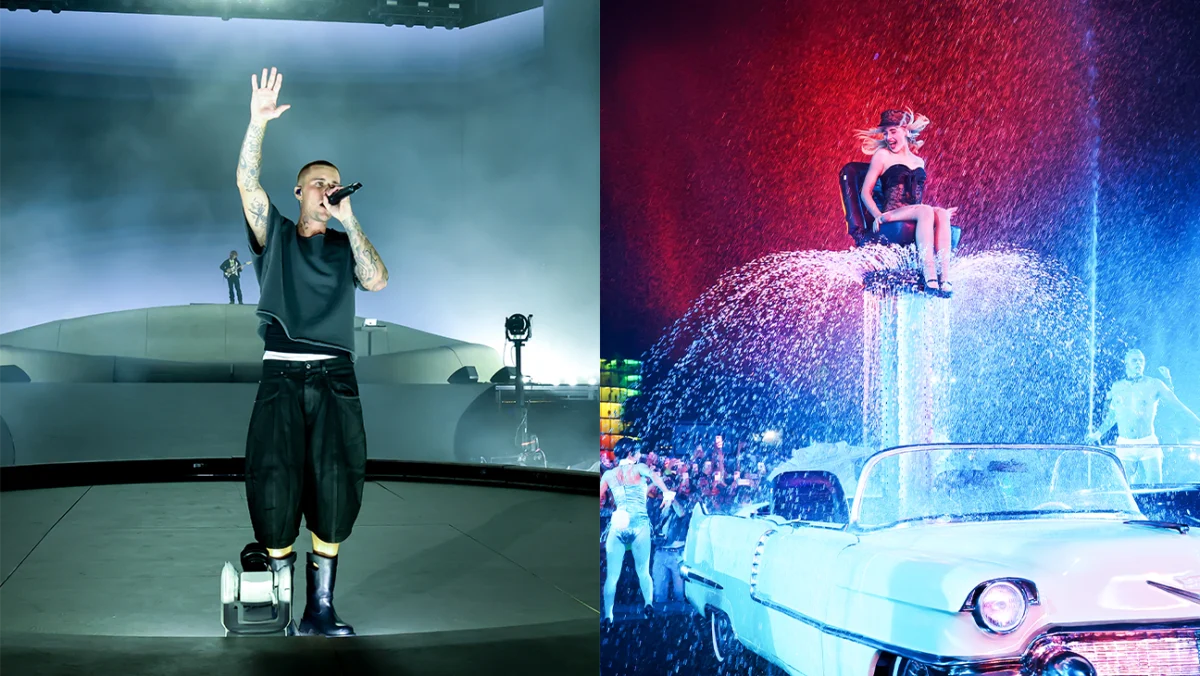
The aftermath of Justin Bieber’s recent headlining performance at Coachella has ignited a fervent online discourse, dissecting not only the artistic merit of his stripped-back set but also raising pointed questions about perceived double standards in how male and female artists are received at major music festivals. While Bieber’s performance has been lauded by a segment of his fanbase as a "healing" and "full-circle" moment, a significant portion of social media commentary has deemed it underwhelming, particularly when contrasted with the elaborate and high-energy production of fellow headliner Sabrina Carpenter. This divergence in reactions has fueled a broader conversation about artistic expectations, the pressures of superstardom, and whether gender plays a role in the critical reception of such high-profile festival appearances.
The Coachella Landscape: A History of Spectacle and Substance
Coachella Valley Music and Arts Festival, held annually in Indio, California, has evolved into one of the world’s most prominent and influential music events. Since its inception in 1999, the festival has been a benchmark for cultural relevance, a platform for emerging artists, and a stage for established titans to deliver unforgettable performances. Historically, headliners have been expected to offer more than just a collection of hit songs; they are tasked with creating a cohesive and often visually spectacular experience that resonates with a diverse audience. This has included elaborate stage designs, intricate choreography, surprise guest appearances, and groundbreaking visual effects.
The festival’s consistent demand for high-production value has set a precedent. Artists like Beyoncé, with her iconic 2018 "Homecoming" set, set a new standard for what a Coachella headliner could achieve, blending musical prowess with powerful cultural commentary and breathtaking visual artistry. Similarly, artists such as Kendrick Lamar and Harry Styles have delivered sets characterized by ambitious staging, compelling narratives, and a palpable connection with the massive festival crowd. These performances often become cultural touchstones, analyzed and celebrated for their artistry and impact.
Bieber’s "Low-Key" Set: A Departure from Festival Norms
Justin Bieber’s Saturday night performance at Coachella marked a notable departure from the grand spectacles often associated with the festival’s main stage headliners. In stark contrast to Sabrina Carpenter’s elaborate Friday night show, which featured multiple costume changes, high-concept stagecraft including a car emerging from a water fountain, and a cavalcade of celebrity cameos such as Sam Elliott, Susan Sarandon, and Will Ferrell, Bieber’s set was decidedly more intimate and understated.
Reports from attendees and social media commentary highlight Bieber’s minimalist approach. He reportedly performed in a simple t-shirt, eschewing extensive choreography and elaborate stage design. A significant portion of his set involved him sitting down for approximately 30 minutes, playing snippets of his older hits like "Baby" and "Never Say Never" directly from his laptop, reportedly sourcing them from YouTube. This decision, while intentional, drew sharp criticism from those who expected a more dynamic and visually engaging performance befitting a Coachella headliner, especially considering his reported substantial paycheck for the appearance. Critics described the performance as "lazy," "underwhelming," and lacking the energy and production value they have come to associate with the festival’s top billing.
The Social Media Firestorm: Accusations of Gendered Double Standards
The stark contrast between Bieber’s performance and Carpenter’s theatrical display quickly ignited a debate on social media platforms, particularly X (formerly Twitter). A prevalent theme emerged: the accusation that female artists face significantly higher expectations for performance extravagance and are subjected to harsher criticism if they fall short.
One widely circulated post articulated this sentiment directly: "Female artists give full effort : flying, high notes, fireworks, outfits. meanwhile justin bieber, the most expensive coachella performer, just sits in a plain tee, plays youtube, no makeup, and still gets a pass? switch the roles and a woman would get dragged immediately." This sentiment resonated with many, who pointed to other female artists who have delivered high-octane performances at Coachella and other major festivals.
Another user drew a comparison to Lady Gaga’s energetic 2025 headlining performance, stating, "Fans defending justin bieber’s mediocre Coachella performance, saying he’s 32 and it’s normal not to have the same energy anymore. meanwhile lady gaga at 36," accompanied by a clip showcasing Gaga’s dynamic stage presence. These comparisons fueled the argument that a male artist’s perceived "laid-back" approach is often excused or even celebrated, while a similar approach from a female artist would be met with significant backlash and accusations of not trying hard enough. This perceived disparity has led to a broader examination of the pressures and expectations placed upon female artists in the music industry, particularly at the highest levels of live performance.
A Different Perspective: The "Healing" Narrative and Fan Appreciation
However, the narrative surrounding Bieber’s performance is not monolithic. A significant contingent of his long-time fans embraced his understated approach, interpreting it as a deliberate choice towards personal growth and artistic authenticity. For this segment of his audience, the performance was not about spectacle but about a profound moment of self-reflection and emotional catharsis.
These fans lauded Bieber for opting for a more intimate and personal set, viewing it as a sign of maturity and a rejection of the burnout often associated with the relentless demands of superstardom. They argued that his decision to sit, share nostalgic moments, and engage with his past in a relatively unadorned manner demonstrated a healthy approach to his career and well-being. One X user expressed this sentiment: "A lot of people are calling it low energy or underwhelming. But for me it felt like the healthiest kind of comeback for Justino. He did not force a high-production machine that could burn him out again. Instead he sat with his past, scrolling through old YouTube videos, dueting with his younger self, and mixing nostalgia with new chapters." This perspective emphasizes courage and vulnerability, suggesting that true healing is not always loud or flashy but can be found in choosing peace, family, and honest storytelling over meeting external expectations.
Another fan echoed this sentiment, stating, "Justin’s performance at Coachella was so much more than just music it was a full circle moment of healing. Watching him embrace his past and acknowledge that he finally has everything he ever wished for moved me to tears. I am so incredibly proud of his journey and the person." This interpretation reframes the performance not as a failure to meet festival standards but as a deeply personal artistic statement about reconciliation with his past and appreciation for his present.
Analyzing the Implications: Expectations, Gender, and Artist Reception
The contrasting reactions to Justin Bieber’s Coachella set highlight a complex interplay of factors influencing how artists are perceived and evaluated. The festival’s history of delivering elaborate, high-production performances has undoubtedly shaped audience expectations. When an artist deviates significantly from this established norm, it inevitably invites scrutiny.
The gendered aspect of the debate, however, adds another layer of critical analysis. The widespread sentiment that female artists are held to a higher standard of energetic performance and visual extravagance, while male artists are afforded more leeway for understated or unconventional approaches, warrants careful consideration. This perception is often rooted in historical and ongoing societal biases that can influence how gender roles are applied to public figures and performers.
The implications of this discourse extend beyond a single festival performance. It raises questions about:
- Artistic Freedom vs. Commercial Expectations: To what extent should artists feel beholden to pre-established festival formats, and how much freedom do they have to express their current artistic and personal state?
- The Evolution of Live Performance: Is there a growing appetite for more authentic and less manufactured live experiences, or does the spectacle of large-scale festivals remain paramount?
- Media and Social Media Influence: How do online platforms amplify and shape public opinion, potentially creating echo chambers that reinforce existing biases?
- Gendered Double Standards in the Music Industry: Are the criticisms leveled against Bieber’s performance, and the defense of it, reflective of broader patterns of gendered expectations in the entertainment world?
Precedent and Future Speculation
While the debate surrounding Bieber’s performance is the most recent flashpoint, the idea of headliners facing backlash is not new to Coachella. Frank Ocean’s notoriously truncated and delayed performance during Weekend One of Coachella 2023 serves as a stark reminder that even highly anticipated sets from established male artists can fall critically short and generate widespread disappointment. Ocean’s set was marred by technical issues and a significantly altered setlist, leading to considerable fan frustration and negative press.
Ultimately, predicting how a future top-tier female headliner would be received if they opted for a similarly understated performance remains speculative. Without a direct precedent where a female artist booked as a Coachella headliner delivers a widely perceived lackluster show, it is difficult to definitively gauge the critical response. However, the current online discourse strongly suggests that the bar for perceived effort and spectacle might indeed be higher for women in the public eye.
Regardless of the specific artist or their gender, major festival headliners are always subject to intense scrutiny. The success of a performance is a multifaceted equation, involving artistic execution, audience connection, technical delivery, and the often-intangible element of cultural resonance. The conversation sparked by Justin Bieber’s Coachella appearance has, at the very least, provided a platform for a crucial examination of these elements, particularly through the lens of evolving gender dynamics in the music industry. The festival circuit will undoubtedly continue to be a crucible for these discussions, as artists navigate the complex landscape of audience expectations, artistic expression, and the ever-present gaze of public opinion.