


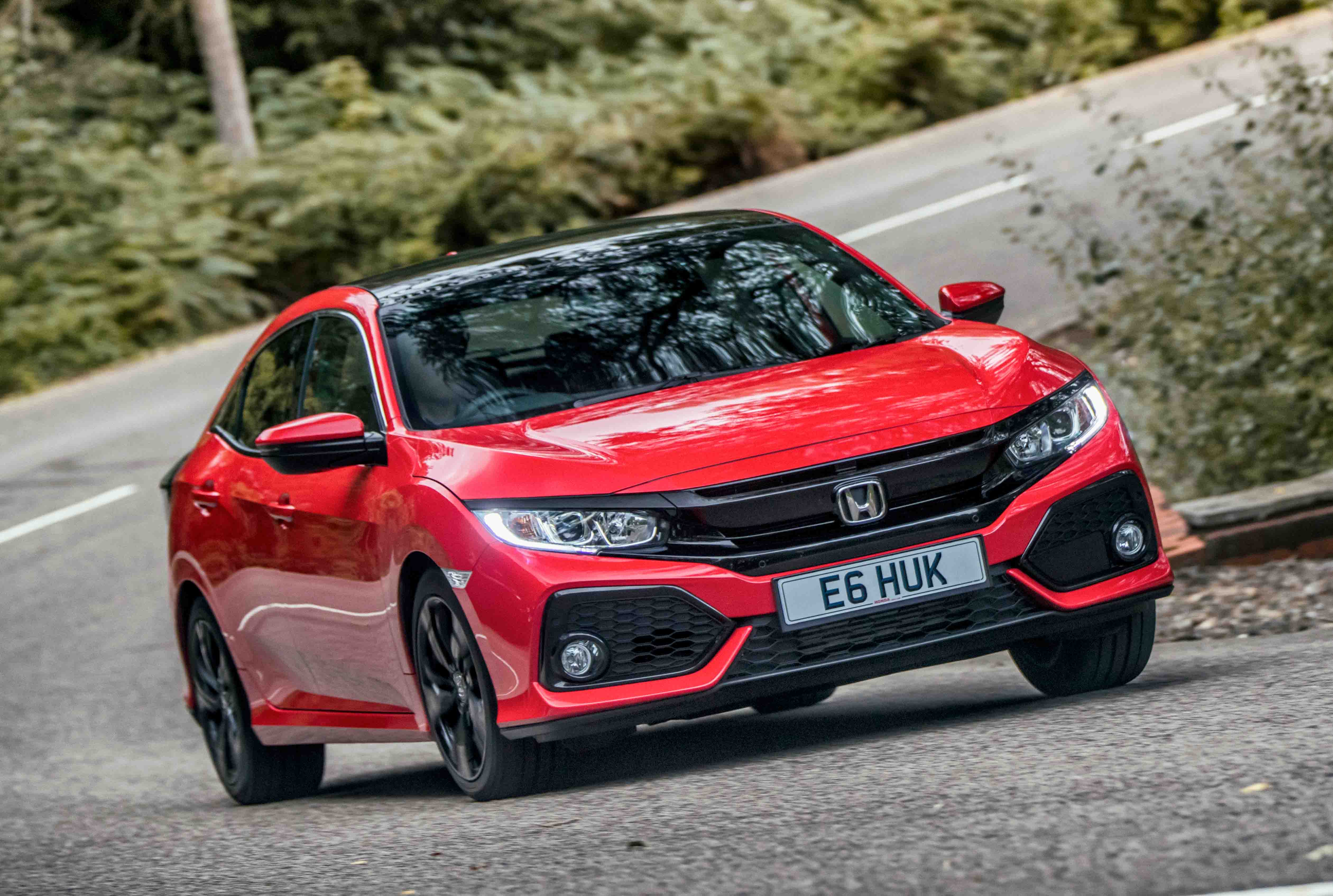
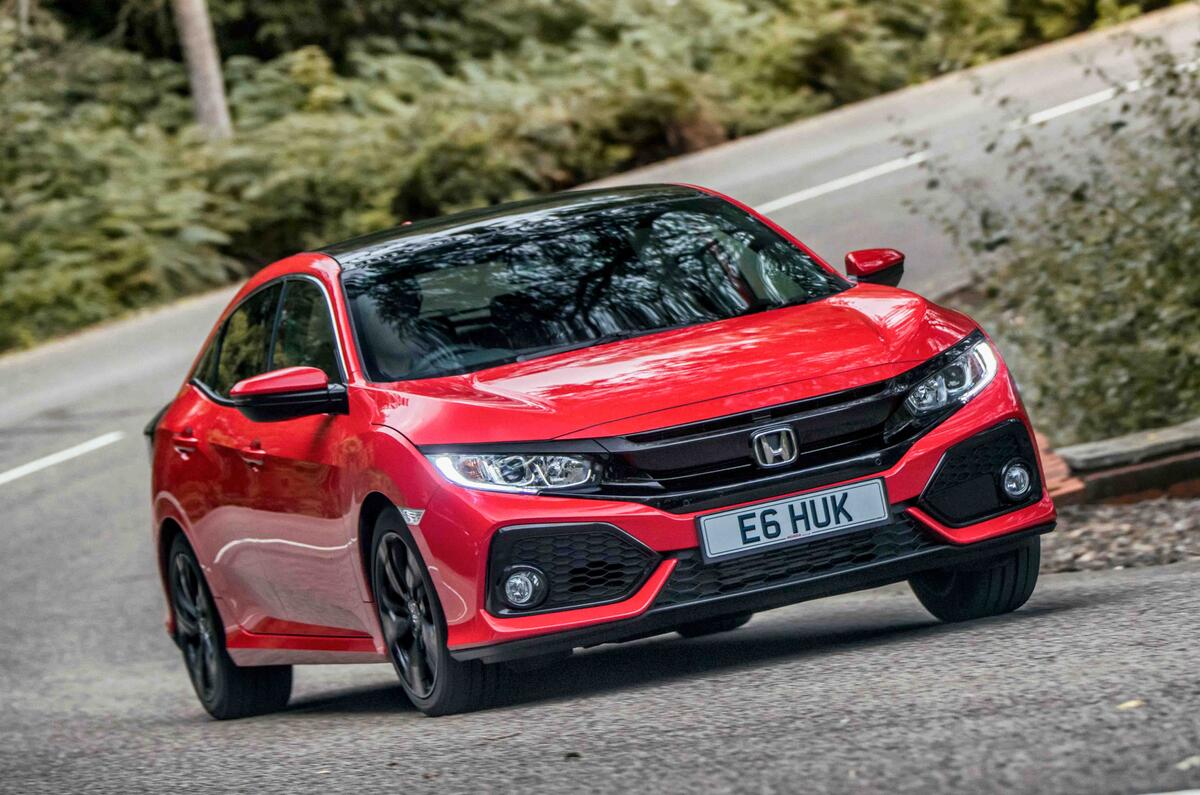
The tenth-generation Honda Civic represents a significant milestone in the history of the Japanese automaker’s presence in Europe, serving as the final model to be produced at the company’s long-standing manufacturing facility in Swindon, Wiltshire. Launched in 2017, this iteration of the Civic—internally designated as the FC/FK series—departed from its predecessor’s "space-age" hatchback design in favor of a lower, wider, and more aggressive stance. Today, as the model matures on the secondary market, it has become an exceptionally compelling proposition for budget-conscious buyers seeking a blend of Japanese engineering reliability and British assembly quality. With entry-level prices now dipping to the £5,000 mark, the 10th-generation Civic offers a level of sophistication and practicality that remains competitive against newer, more expensive rivals in the C-segment.
The Significance of the Swindon Legacy
To understand the 10th-generation Civic, one must consider the context of its production. For over 35 years, Honda of the UK Manufacturing (HUM) in Swindon was the global hub for Civic hatchback production. The 10th-generation model was the culmination of a £200 million investment into the facility, intended to streamline production for global exports, including the North American market.
However, the timeline of this model was inextricably linked to shifting geopolitical and industrial landscapes. In 2019, Honda announced the permanent closure of the Swindon plant, a move completed in July 2021. This decision marked the end of an era for British automotive manufacturing, making the 10th-generation Civic the final "Brit-built" family hero from the brand. For used buyers, this history adds a layer of domestic significance to a vehicle that was designed with European driving dynamics at its core.
Technical Specifications and Powertrain Options
The 10th-generation Civic moved away from naturally aspirated engines, embracing turbocharging across its petrol lineup to meet tightening emissions standards while improving torque delivery.
1.0-litre i-VTEC Turbo
The entry-level engine is a three-cylinder unit producing 127bhp and 148lb-ft of torque. Despite its small displacement, it provides sufficient pep for urban environments and steady motorway cruising. It was designed to replace the old 1.8-litre naturally aspirated engine, offering better fuel efficiency (averaging around 45–50mpg in real-world conditions) and lower CO2 emissions.
1.5-litre i-VTEC Turbo
For those seeking more performance, the four-cylinder 1.5-litre unit delivers a substantial 180bhp. This engine transformed the Civic into a "warm hatch," capable of reaching 60mph in just over eight seconds. It utilizes Honda’s "Earth Dreams" technology, balancing high output with respectable efficiency.
1.6-litre i-DTEC Diesel
Revised in 2018 to meet Euro 6d-Temp standards, the diesel variant remains a favorite for long-distance commuters. Producing 118bhp and 221lb-ft of torque, it is capable of returning upwards of 60mpg. It was also one of the first engines to be tested under the more rigorous RDE (Real Driving Emissions) cycles, proving its cleanliness relative to older diesel units.
Transmission Choices
Honda offered a crisp six-speed manual gearbox, widely regarded as one of the best in its class for shift feel. Alternatively, a Continuously Variable Transmission (CVT) was available. While Honda’s CVT is more refined than many competitors—utilizing "stepped" ratios during hard acceleration—the manual remains the enthusiast’s choice.
Chronology and Model Evolution
The lifecycle of the 10th-generation Civic saw several key updates that buyers should note when browsing the used market:
- 2016 (September): The 10th-generation Civic hatchback is officially unveiled at the Paris Motor Show.
- 2017 (March): UK sales commence with the 1.0 and 1.5-litre petrol engines.
- 2018 (January): The 1.6-litre i-DTEC diesel engine is added to the lineup.
- 2019: Honda introduces the "Sport Line" trim, offering the aggressive styling of the Type R but with the economical 1.0-litre engine.
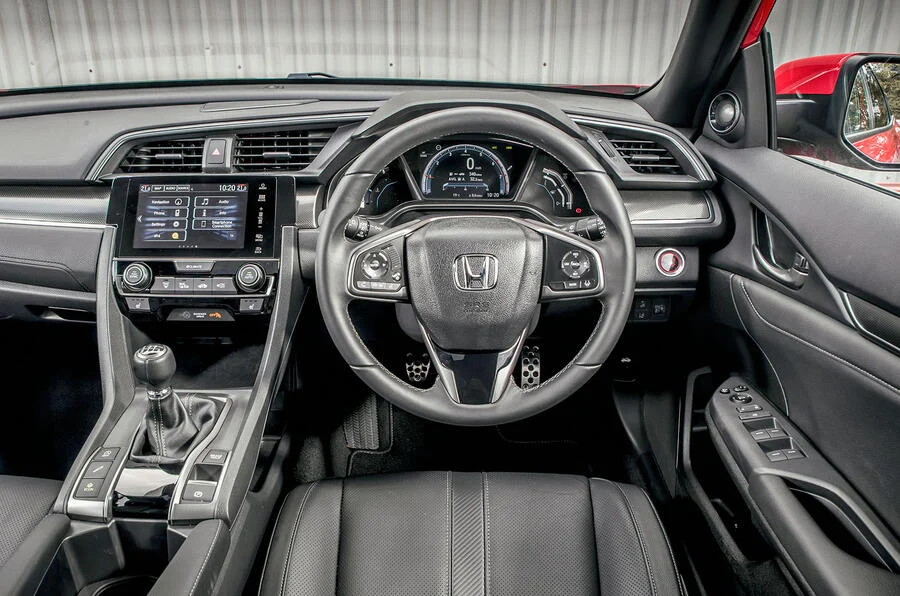
- 2020 (January): A mid-life facelift is introduced. This update was subtle on the outside—featuring revised LED headlights and smoother bumper surfaces—but significant on the inside. Most importantly, Honda responded to customer feedback by adding physical buttons and a volume dial to the infotainment system, replacing the much-criticized touch-sensitive slider.
- 2021 (July): Production ends at the Swindon plant.
- 2022: The 11th-generation (hybrid-only) Civic is launched, officially moving the 10th-gen to used-only status.
Interior Practicality and Technology
One of the primary reasons for the Civic’s enduring popularity is its packaging. Although the 10th-generation model sat lower than the 9th-gen, it increased in length and width, providing class-leading cabin space.
The boot capacity is a significant highlight, offering 478 litres with the seats up—considerably more than the Volkswagen Golf (380 litres) or the Ford Focus (375 litres) of the same era. However, this generation saw the removal of Honda’s famous "Magic Seats" (which allowed the rear seat bases to flip up like cinema seats) to accommodate a new multi-link rear suspension system designed to improve handling.
Safety was also a priority. The "Honda Sensing" suite was made standard across the range, including:
- Collision Mitigation Braking System
- Lane Departure Warning
- Adaptive Cruise Control
- Traffic Sign Recognition
Market Analysis: What Does £5,000 Buy?
At the £5,000 to £6,000 price point, buyers are typically looking at early 2017 or 2018 models, usually with the 1.0-litre engine in ‘SE’ or ‘SR’ trim. High-mileage examples (upwards of 100,000 miles) are common at this level, but given Honda’s reputation for mechanical longevity, these can still be viable options if accompanied by a full service history.
Trim Level Hierarchy:
- SE: The base model, featuring 16-inch alloys, air conditioning, and the basic safety suite.
- SR: The "sweet spot" for most buyers, adding 17-inch alloys, dual-zone climate control, a rear-view camera, and the 7-inch Honda Connect infotainment system with Apple CarPlay and Android Auto.
- EX: The luxury choice, featuring leather upholstery, heated front seats, an 11-speaker premium audio system, and LED headlights.
- Sport/Sport Plus/Prestige: These trims were exclusive to the 1.5-litre engine, offering more aggressive body kits, twin center-exit exhausts (on Sport models), and sunroofs.
Reliability and Common Issues to Inspect
While the Civic is generally robust, no vehicle is without its faults. Prospective buyers should conduct the following checks:
- Air Conditioning: A known weak point on early 10th-gen Civics involves the AC condenser, which is prone to stone chip damage and corrosion. Ensure the air blows ice-cold during the test drive.
- Oil Dilution (1.5-litre engine): Some early 1.5-litre engines in cold climates experienced fuel mixing with engine oil. While more prevalent in North America, UK buyers should check for a strong smell of gasoline on the oil dipstick and ensure all software updates have been applied.
- Infotainment Glitches: The pre-2020 infotainment system can be laggy or prone to freezing. Ensure the software is updated to the latest version.
- Electronic Parking Brake: Verify that the electronic brake engages and disengages smoothly, as some owners have reported "parking brake error" messages caused by sensor faults.
Broader Impact and Implications
The transition of the 10th-generation Civic to the used market marks a turning point for the UK automotive sector. As the last mass-market Honda built on British soil, it represents a high-water mark for domestic manufacturing efficiency. Its replacement, the 11th-generation Civic, is imported from Japan and is sold exclusively as a full hybrid (e:HEV), which has pushed the starting price significantly higher (often exceeding £35,000 new).
This price gap has cemented the 10th-generation Civic’s status as a vital "bridge" for families who need a modern, safe, and efficient vehicle but cannot yet justify the leap to electrification or the high cost of new-car financing. The 10th-gen’s move to a multi-link rear suspension also ensured it was one of the best-handling cars in its class, offering a level of driver engagement that many modern crossovers lack.
In conclusion, the Honda Civic 10th-generation stands as a testament to British manufacturing prowess and Japanese engineering philosophy. For £5,000, it offers a level of safety technology and cargo capacity that few other hatchbacks can match. As the Swindon plant fades into history, the vehicles it produced continue to serve as reliable, practical, and surprisingly engaging "family heroes" on UK roads. For the savvy used car buyer, the 10th-gen Civic remains a benchmark choice in the competitive family hatchback segment.